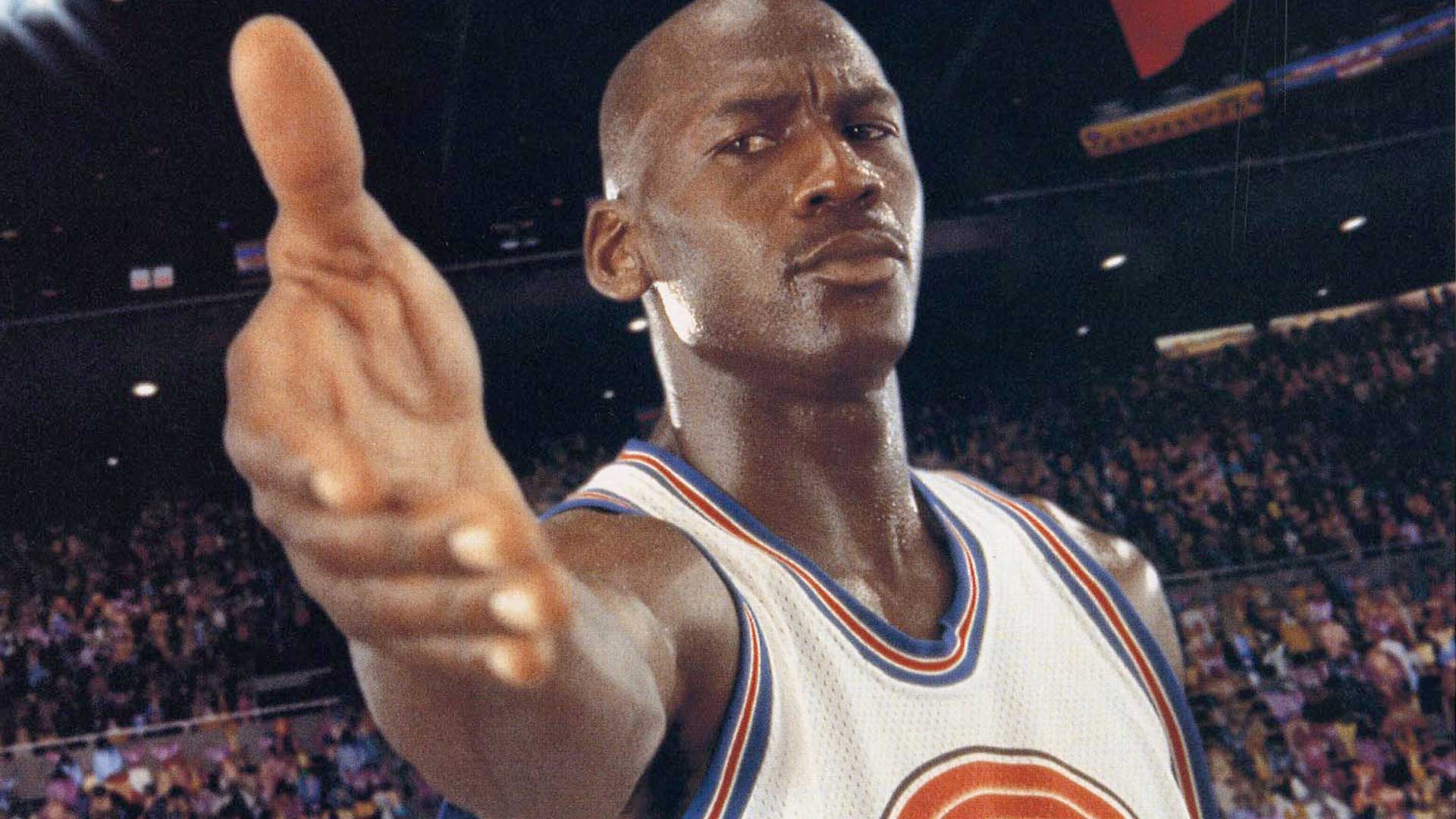


The 1990s were the peak Michael Jordan era, reaching sky-high after dominating his basketball career, including six NBA championships with the Chicago Bulls, and he even won a record six-time NBA Finals Most Valuable Player Award (now known as the Bill Russell NBA Finals Most Valuable Player Award). More than just an incredible talent on the court, Jordan already reached the pop-culture phenomenon in the mid-80s collaborating with Nike for the popular Air Jordan sneakers, and even entered Hollywood and acted in Space Jam, which turns 30 on November 15, 2026.
How Space Jam Became the Highest-Grossing Basketball Movie of Its Time
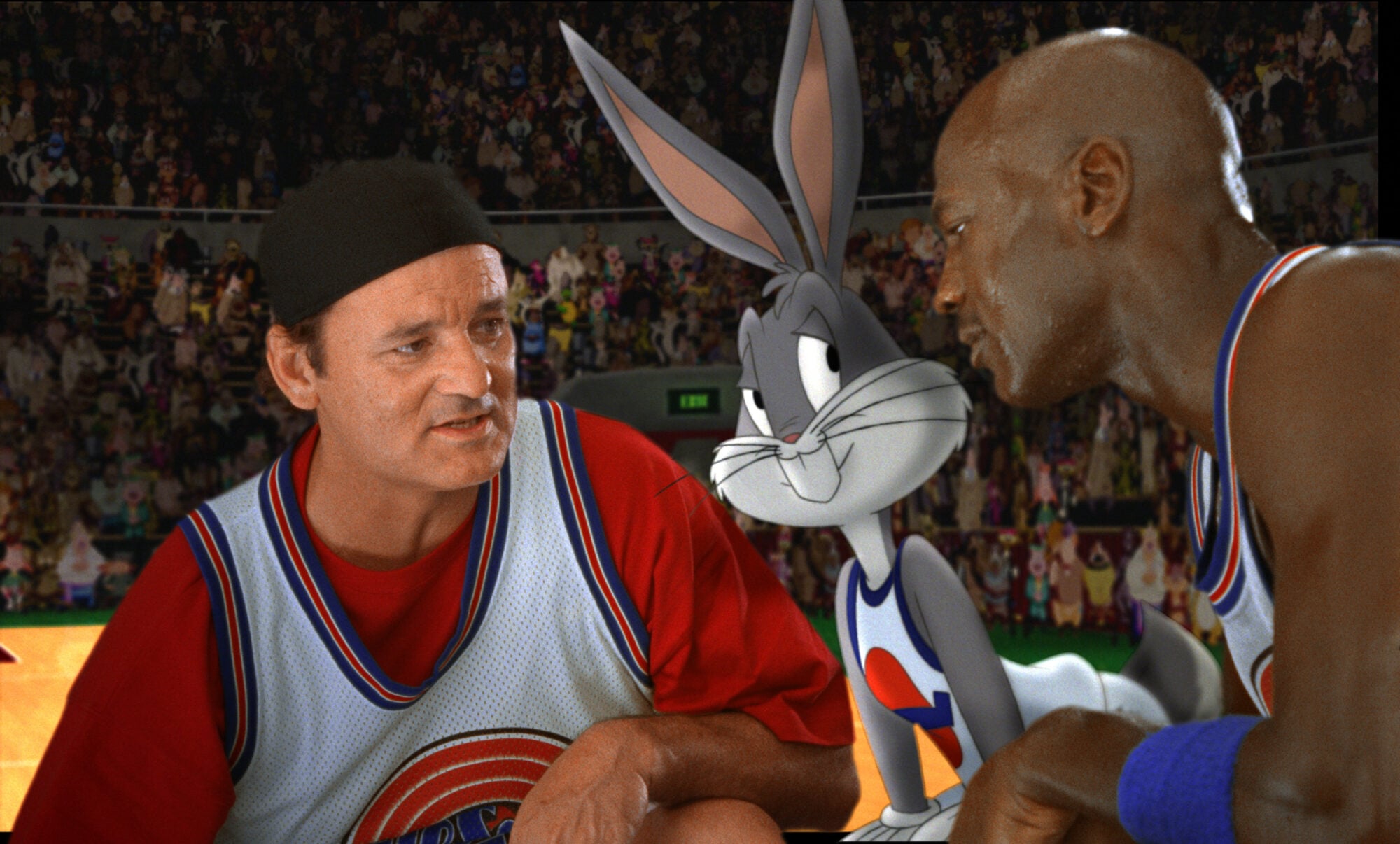
It was 1996, a banner year for Jordan, who had won his fourth NBA championship in June before the movie debuted in November with unsurprisingly large fanfare. Space Jam opened at No. 1 at the U.S. box office, grossing $27.5 million and beating the previous weekend’s champion Ransom. The movie had enough legs to last until it slam-dunked all the way to a huge, worldwide total of $250.2 million on an $80 million budget. At the time, it made history as the highest-grossing basketball movie of all time, and held the record for over 25 years before the Japanese anime film The First Slam Dunk finally dethroned Space Jam.
The success of the Jordan-led movie also extended to lucrative billion-dollar merchandise sales from the All Galaxy Collection’s Michael Jordan action figures, to Tune Squad jerseys, a PlayStation 1 video game, and lunchboxes. Then, there was the multi-platinum soundtrack — a winning collection of R&B and hip-hop music from Seal’s “Fly Like an Eagle” to Quad City DJ’s “Space Jam”. As for the movie itself, the Michael Jordan factor and the basketball-centric theme were given a vibrant live-action/animation hybrid treatment, even adding the Looney Tunes cartoon characters populated by Bugs Bunny and Daffy Duck. Thirty years on, the merchandise machine is still running: Jordan Brand’s 30th-anniversary Space Jam collection began rolling out on November 5, 2026.
Audiences loved it (63% Popcornmeter against a 52% Tomatometer on Rotten Tomatoes), and while I admit the movie’s shorter-than-expected 87 minutes resulted in compromising the plot that’s downright perfunctory, Space Jam delivers an overall zippy, fun-for-family entertainment. In 2021, Warner Bros. tried to recapture the same magic in Space Jam: A New Legacy, but casting LeBron James as the new MVP could only muster a lukewarm $163.7 million worldwide that failed to convert its costly $150 million budget into a sizable profit.
RELATED: Space Jam Turns 30 — And The Rock’s Space Jam 3 Rumor Won’t Die
Space Jam Needed More Than 1,000 VFX Shots — More Than Double Independence Day
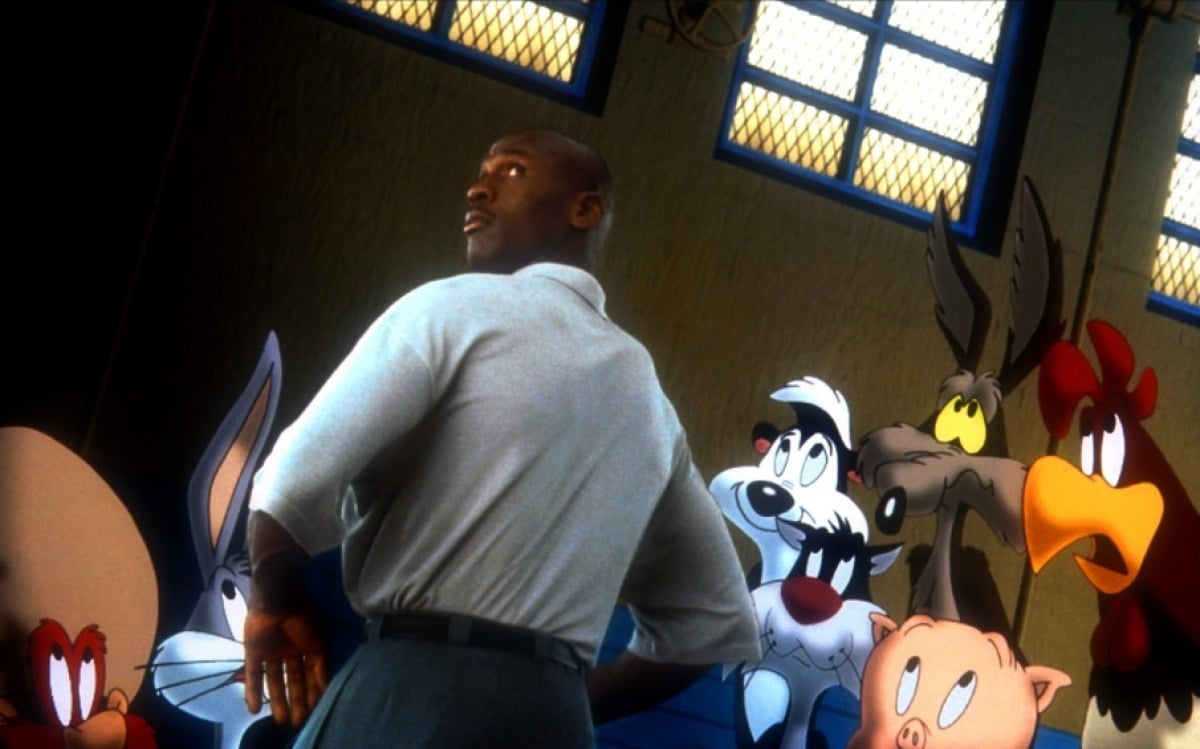
As mentioned earlier, Space Jam combined live-action and animation, which naturally required a lot of special effects to put everything together. But believe it or not, the movie actually contained more special effects than Independence Day. Unlike the latter, where the sci-fi disaster blockbuster reportedly needed 430 VFX shots, Space Jam greatly eclipsed that number with over 1,000 shots, since the movie was filmed in a full green-screen environment. Live-action actors, including Michael Jordan and Bill Murray, performed their basketball moves against the performers – comedic actors, to be exact – dressed in green suits from head to toe.
And since the movie featured Looney Tunes, director Joe Pytka even went as far as requesting his green-suited actors to move around on their knees to match the height of the cartoon characters. The comedic actors in question were The Groundlings, the Los Angeles-based improvisational and sketch comedy troupe, and they worked with Jordan for about six weeks. This made it easier for non-actors like Jordan to interact convincingly with the characters, rather than relying on the familiar green-screen technique, where actors had to act with tennis balls on sticks before the character was added later with CGI.
Space Jam also featured more complex composited VFX shots, particularly the frequent switch between live-action actors, 2D cartoon characters, and 3D props (the basketball, for instance). To accomplish this, Oscar-winning visual effects supervisor Ed Jones, best known for his groundbreaking work in Who Framed Roger Rabbit, and Cinesite’s digital crew had to complete an average of 30 VFX elements per composite. In total, Cinesite counted 18,481 elements for the film, against roughly 6,000 for Independence Day.
RELATED: Space Jam: A New Legacy – The Sequel No One Wanted
Why Director Joe Pytka Shot Space Jam on Green Screen With a Free-Moving Camera
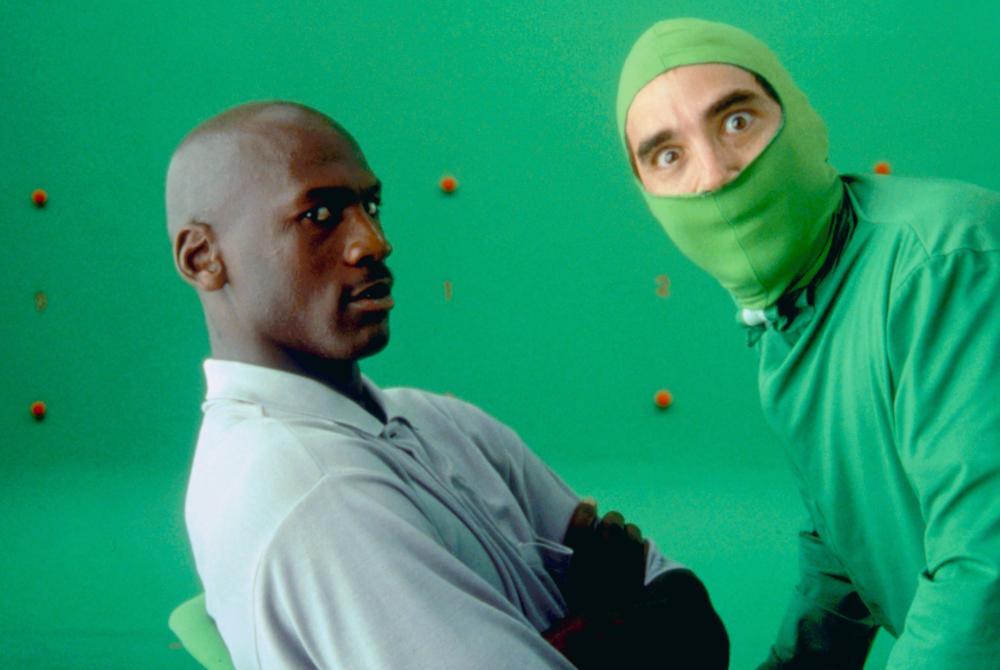
Pytka, who cut his teeth directing music videos such as Michael Jackson’s “The Way You Make Me Feel” and “Dirty Diana”, and the Make a Wish Pepsi-Cola commercial with Madonna, insisted on filming his effects-laden movie using a free-moving camera style rather than a stationary, locked-down camera. The technique would make the basketball action more dynamic, allowing Pytka to capture the moments with a handheld camera inside the green-screen background.
Despite its painstaking technical achievement, the Academy overlooked Space Jam for a spot in the Best Visual Effects category since it only allowed three nominees, which went on to Independence Day, Twister, and Dragonheart.
RELATED: 16 Space Jam Jordans Drop in November 2026, but the Original Jordan 11 Doesn’t Land Until December
Where to Watch Space Jam in 2026
Space Jam is streaming on HBO Max and is available for rent or purchase on Apple TV and Prime Video.
Space Jam |
|---|
In a desperate attempt to win a basketball match and earn their freedom, the Looney Tunes seek the aid of retired NBA star Michael Jordan. |
 |
|---|
| Studio: Warner Bros. Feature Animation |
| Running Time: 87 minutes |
| Release Date: November 15, 1996 (United States) |
| Cast: Michael Jordan, Billy West, Wayne Knight, Theresa Randle, Danny DeVito |
| Director: Joe Pytka |
| Writers: Leo Benvenuti, Steve Rudnick, Timothy Harris, Herschel Weingrod |
| Genre: Space Sci-Fi, Animation, Adventure, Basketball |
| Box Office: $250.2 million |