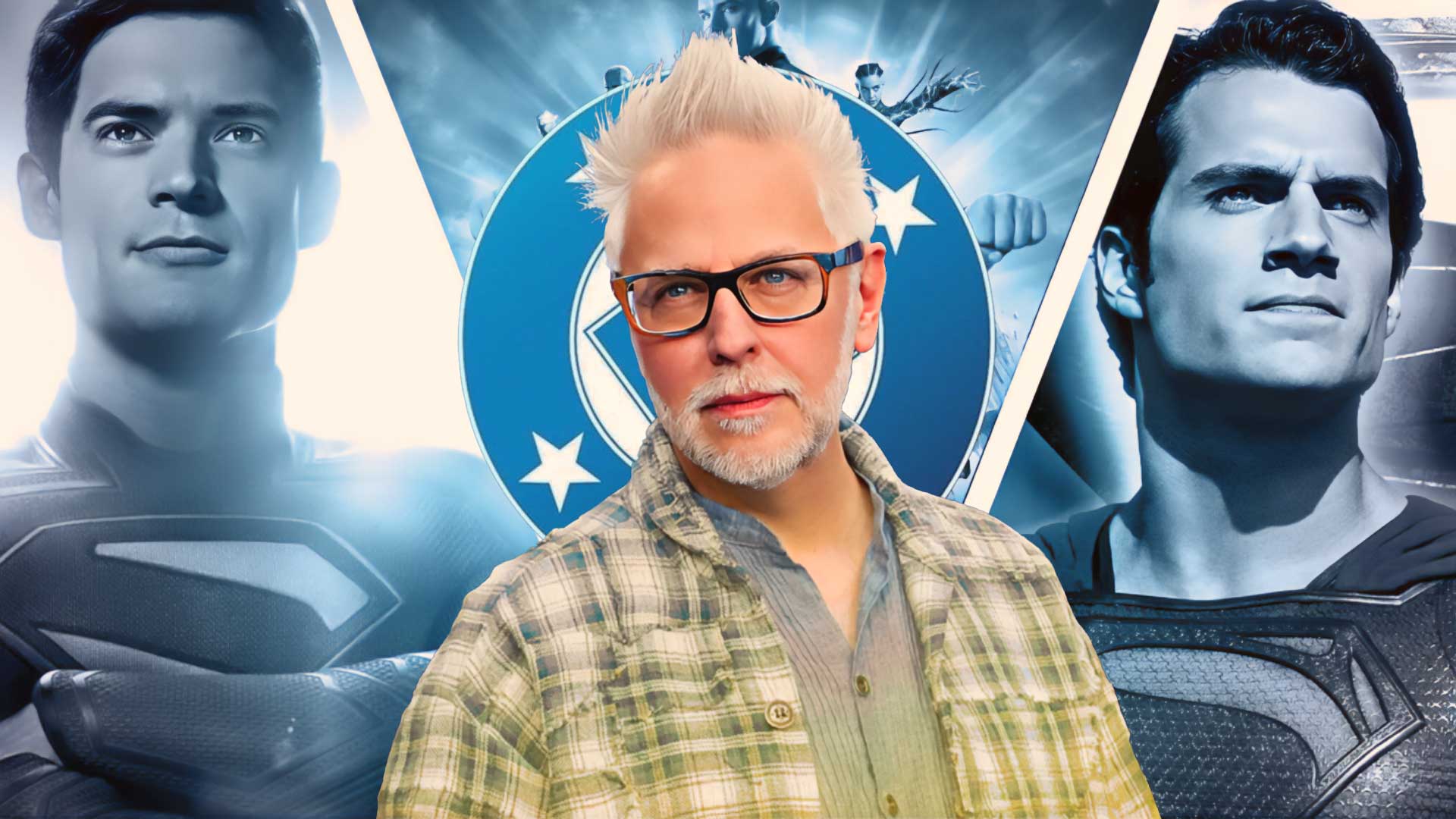


The more things change, the more they stay the same. In the case of the DC Universe, it’s as if it’s doomed to live in a perpetual state of crisis (and not the good kind from the comics). James Gunn’s time as the shepherd of the DCU is now over, and the franchise is no better off than it was during the Zack Snyder era – in fact, it’s even worse off.
Before diving any further, there’s something important that needs to be clarified here. Everybody thinks that filmmakers and creatives have full control of the output, but that’s so far from the truth that it’s in another galaxy. Whether it was Gunn or Snyder, the corporate forces above them had major hands in shaping their respective fates. Snyder had to contend with the indecisiveness of a Warner Bros. regime that couldn’t decide whether it was licking its own elbows or butt, while Gunn went through two mergers and inherited a slate of lame ducks and bad decisions that started him off at an immediate deficit.
Their jobs were never easy to begin with, and they were made infinitely more difficult by the cyanide known as corporate politics. Even so, Gunn had one advantage in this regard: when he and Peter Safran were installed as the co-CEOs of DC Studios, they reported only to a single person and were given full control of DC. No committees. No B.S. hierarchy that needs to be on every Zoom call. Only one creative voice.
The message, though, never seemed to be clear. When Gunn took over and dumped popular actors like Henry Cavill, it looked like it was all leading to a full-blown reboot and wipe of the slate – and honestly, it was necessary. The previous regime had massacred DC to the point that nobody understood what was going on or where it was going. There was a need to start over and rebuild from the start.
Even former Warner Bros. Discovery CEO David Zaslav said the same thing. He didn’t want four Batman actors running around because it was confusing – and he was right. The casual moviegoer doesn’t sit on Reddit or fight on Film Twitter all day, so they have no clue who or what is part of which multiverse and where they fit in. The moment when you complicate matters for the audience, you lose them, so it’s necessary to keep it simple and not demand university-level research from your viewers.
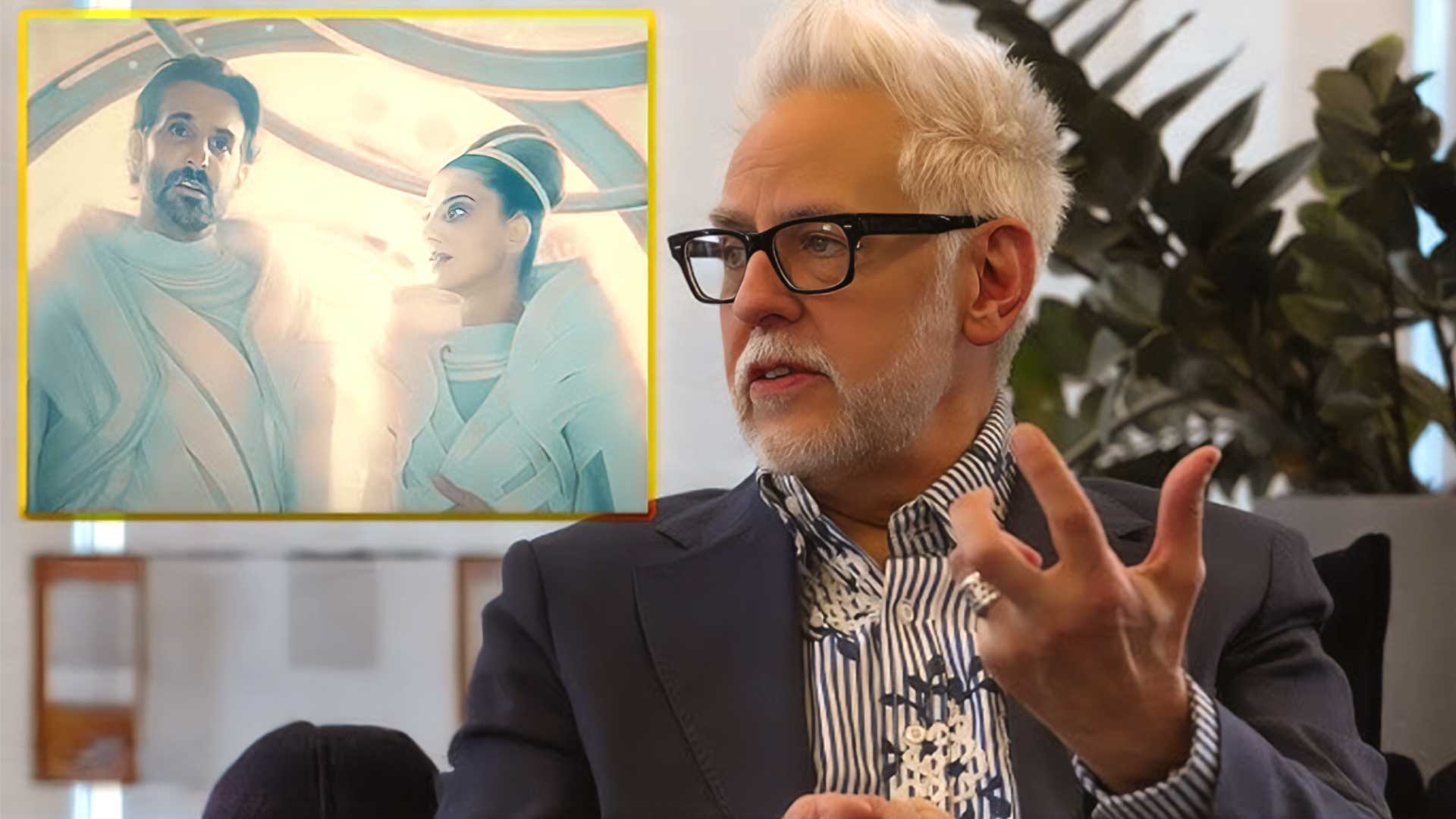
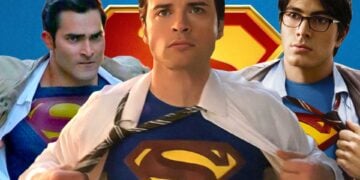
Instead of untangling the mess, Gunn’s DCU made it worse by further complicating timelines. He cherry-picked actors to keep in their previous roles (notably, his family and friends), while he could never get his story straight about what was Elseworlds and what wasn’t. Think about it this way: Peacemaker appeared in a movie with Rick Flag Jr., who was part of Cavill’s Superman’s universe. However, Rick Flag Sr. is actually part of David Corenswet’s universe. Make it make sense, please.
Another example: Matt Reeves’ Batman stood outside of the DCU, but then the Clayface movie – which fits tonally into that pocket universe and was originally intended to be a part of it – is actually in the main DCU. Huh?
Gunn’s clashing tones turned out to be a big problem that shouldn’t have been allowed from the start. For instance, characters from 2025’s Superman appeared in Peacemaker Season 2. However, you wouldn’t be able to let your kid watch Peacemaker, since it was an extremely adult show. How do you explain this to your child who wants to be invested in and follow the universe? Snyder’s movies might have been dark and veered into violent territory, but he wasn’t trying to outdo The Boys in terms of which superhero orgy could be the most shocking…
It also doesn’t help that Gunn has wanted to argue with reporters and fans online. At times, he’s debunked reports that turn out to be true a few days later, while there’s been a whole lot of gaslighting in the sense of “No, you’re wrong!” from him toward people who have legitimate criticisms about his universe-building skills.
There are many memes about how Snyder’s DC slate of movies never came to fruition; however, the same could be said about Gunn’s. Out of 10 projects announced in 2023, only four were made.
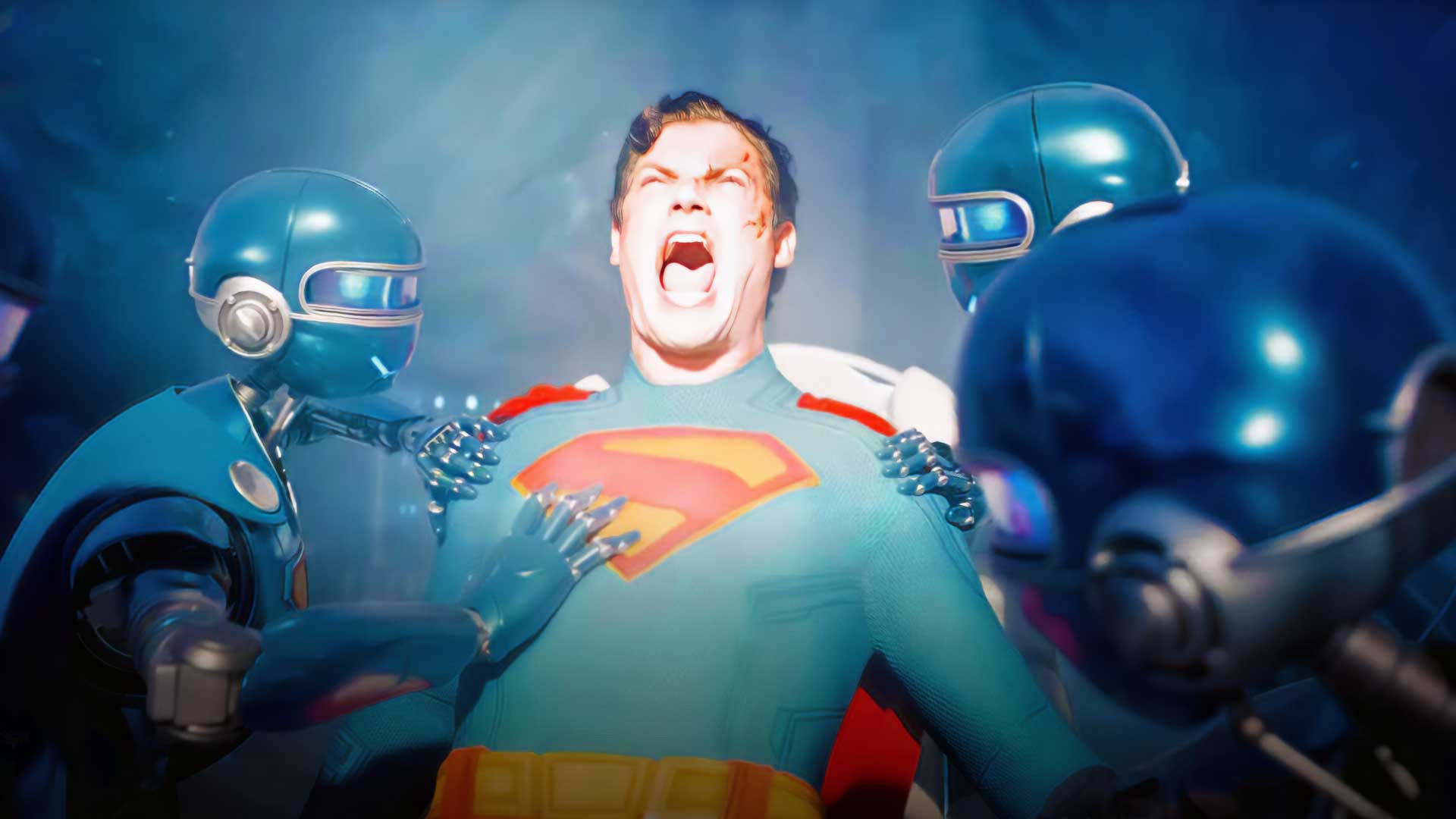
Now let’s talk about what was actually released. Superman didn’t turn into the major hit that Gunn and DC Studios might have envisioned. Sure, it turned a profit and received good reviews from critics and fans, but, looking in the rearview mirror, are we still talking about the movie the way we do about Man of Steel?
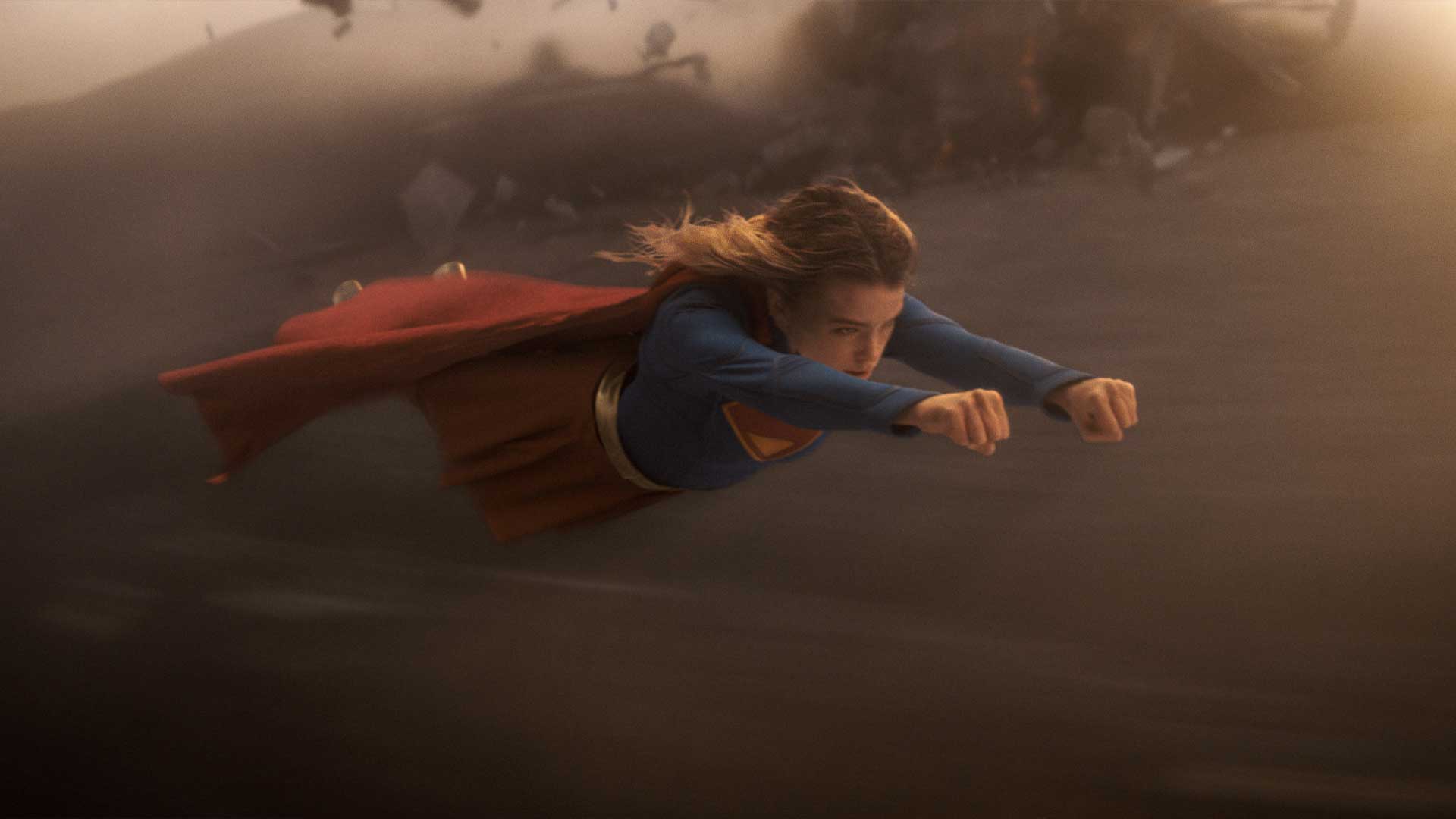
Supergirl bombed so hard that Gunn didn’t even mention that project in his farewell message on Threads. He wants nothing to do with it.
Clayface turned out to be a small hit and relatively low-risk. Then again, it’s likely to be forgotten like a fart in the wind in a year’s time.
On the TV front, Peacemaker Season 2 didn’t leave a big impression, and neither did Creature Commandos. The Penguin was more of a Reeves’ project than Gunn’s, but the latter deserves credit for Lanterns, which soared on HBO and broke records. Having said that, it’s not exactly a series that earned goodwill among DC fans because of its controversial changes and treatment of legacy characters. Haven’t we had enough of that in the past already?!
Critically, Gunn’s output has outperformed Snyder’s, but let’s be real here: that doesn’t always translate to financial success. Let’s compare the three movies of the Gunnverse to the three Snyderverse films.
Superman, Supergirl, and Clayface cost around $435 million using modest estimates, and they brought in $854 million. The first three movies in the Snyderverse (Man of Steel, Batman v Superman: Dawn of Justice, and Suicide Squad) cost around $650 million and brought in $2.3 billion. It’s a no-brainer to see which is the more successful franchise from a financial point of view; Snyder laps Gunn several times here. No wonder Skydance chucked him and Safran out and changed the locks.
All in all, no DC fan should be celebrating anybody’s downfall. In the end, the only people suffering are the fans. In 2022, there was renewed hope that DC would once again become a mighty force to challenge the dominance of the Marvel Cinematic Universe. Instead, here we are, four years later, in even more chaos and uncertainty than before.
Going forward, there are only two viable options for the DC Universe: One, scrap the concept of a shared cinematic universe entirely. Focus on telling good standalone stories rather than connecting everything to a narrative web. Or two, reboot entirely once again. It’s going to be painful and unpopular, but can we really afford to continue making this universe even more complicated and messy than it already is? One thing’s for certain, though, if a reboot does come, it’s unlikely that there will be people calling for the restoration of the Gunnverse as much as they did the Snyderverse.