
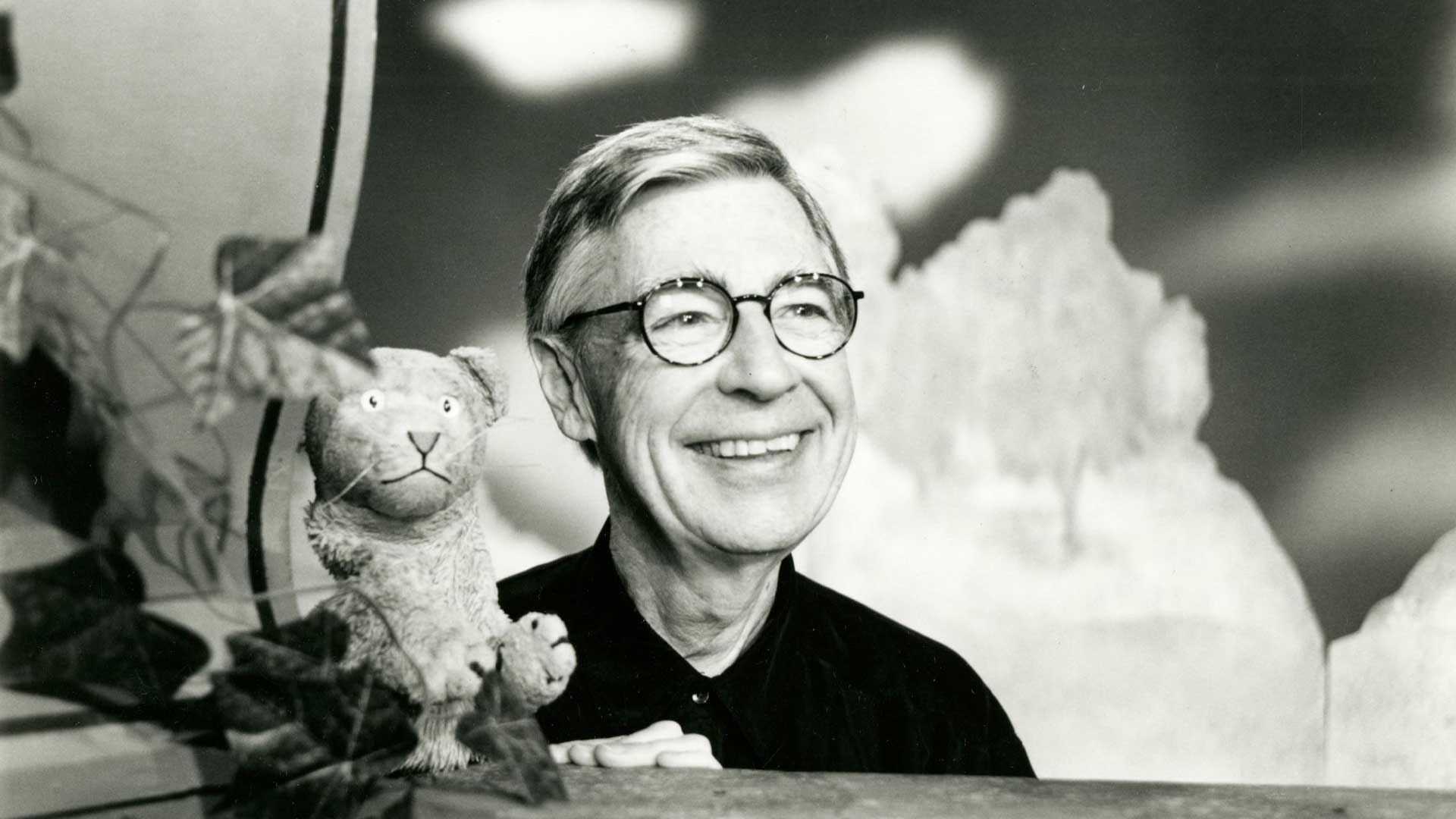

If we’re completely honest, the world changed once Fred Rogers from Mister Rogers’ Neighborhood left us in 2003. Instead of our kids (and adults) learning about love, hope, friendship and kindness, too much media has pushed them toward cynicism. We’ve seen the effects of that in our world today. That’s exactly why it’s the perfect time for the show to return. And the good news is that Fred Rogers Productions has teamed up with Little Dot Studios and launched an official Mister Rogers’ Neighborhood YouTube channel on June 4, 2026.
The channel went live with five full-length episodes, including the first one that aired nationally in 1968, along with clips, compilations and more. Among the early offerings is the famous episode “A Visit With Officer Clemmons.” Because it’s a “made for kids” channel, comments are turned off.
“Mister Rogers’ Neighborhood continues to inspire viewers young and old across four generations,” said Paul Siefken, President and CEO of Fred Rogers Productions, when the channel was announced in March. “We’re excited to partner with Little Dot Studios on this new YouTube Channel that will make the wonder, kindness, and human connection of the series more discoverable and accessible than ever.”
We live in a world obsessed with loud culture. From cynical blockbusters to fast-paced social media reels, we’ve mostly forgotten the simple pleasures of deliberate silence in media. No other show captured that balance between empathetic and genuinely educational as Mister Rogers’ Neighborhood – and that’s precisely the kind of show we need today.
Why Mister Rogers’ Neighborhood Still Matters 25 Years After Its Finale
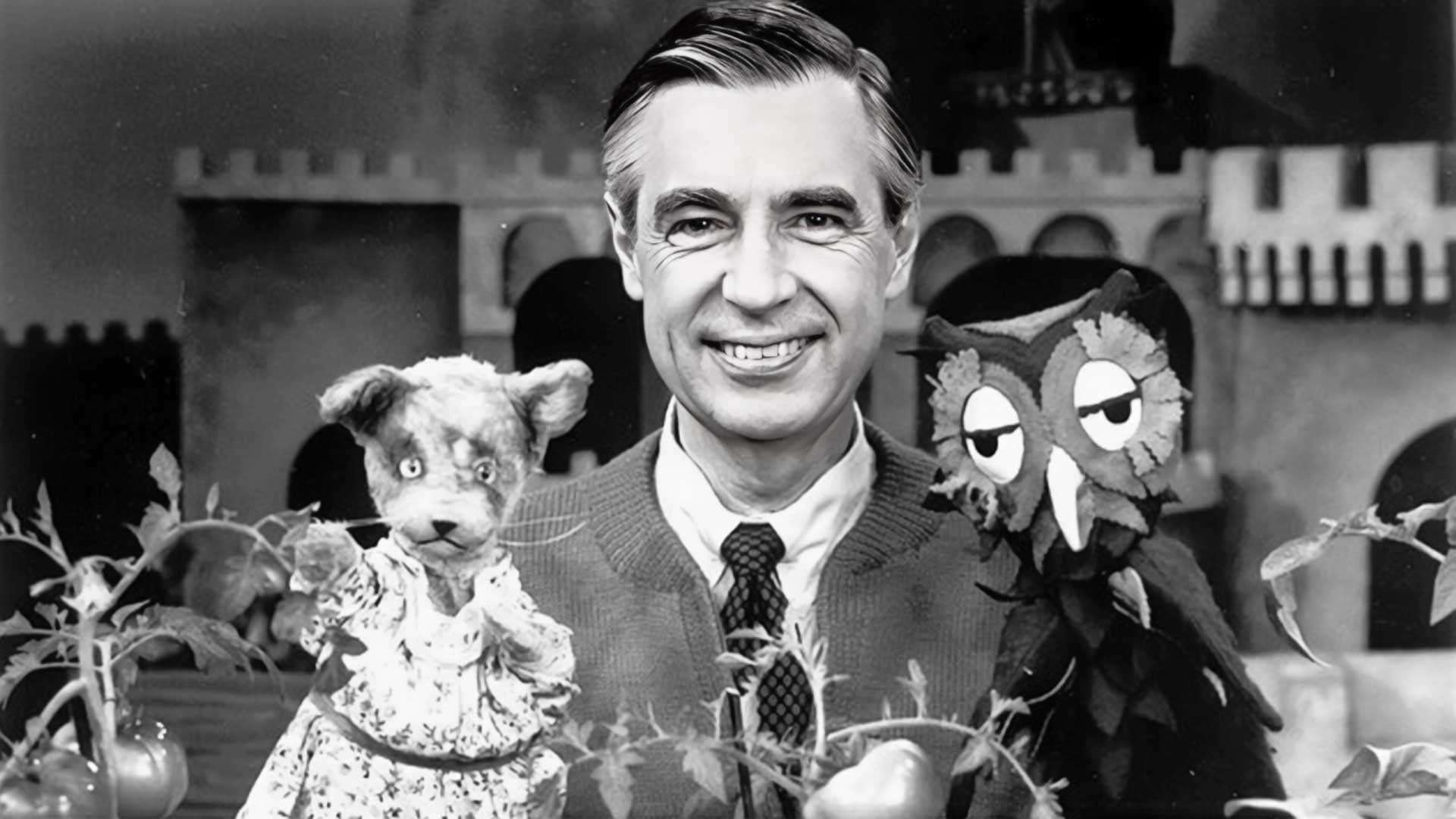
A show that remains wholly unmatched in its feel-good vibes and unshakable moral fiber, Mister Rogers taught entire generations how to be the very best neighbors they could be. Fred Rogers hosted all 895 episodes and wrote more than 200 songs for the series. Then, in 2001, the show came to an end, after 33 years of wholesome history (Rotten Tomatoes: no Tomatometer score yet). Let’s take a look at the many reasons why Mister Rogers’ Neighborhood isn’t the show we deserve, but the one we need.
When the Neighborhood first hit the airwaves in the late 60s (February 19, 1968, to be exact), society was in a wildly turbulent state. The Civil Rights movement was still changing America’s way of life for good, and neighborhoods were becoming increasingly vital as the backbone of humanity itself.
Fred Rogers’ show gave kids a safe space to navigate their changing society. His historic 1969 testimony before the United States Senate helped save public television’s funding, and it all started with Mister Rogers’ Neighborhood. Lawmakers were weighing a cut from $20 million to $10 million for public broadcasting, and Rogers’ six-minute testimony is credited with securing the full $20 million.
How Fred Rogers Taught Emotional Intelligence Before It Was Trendy
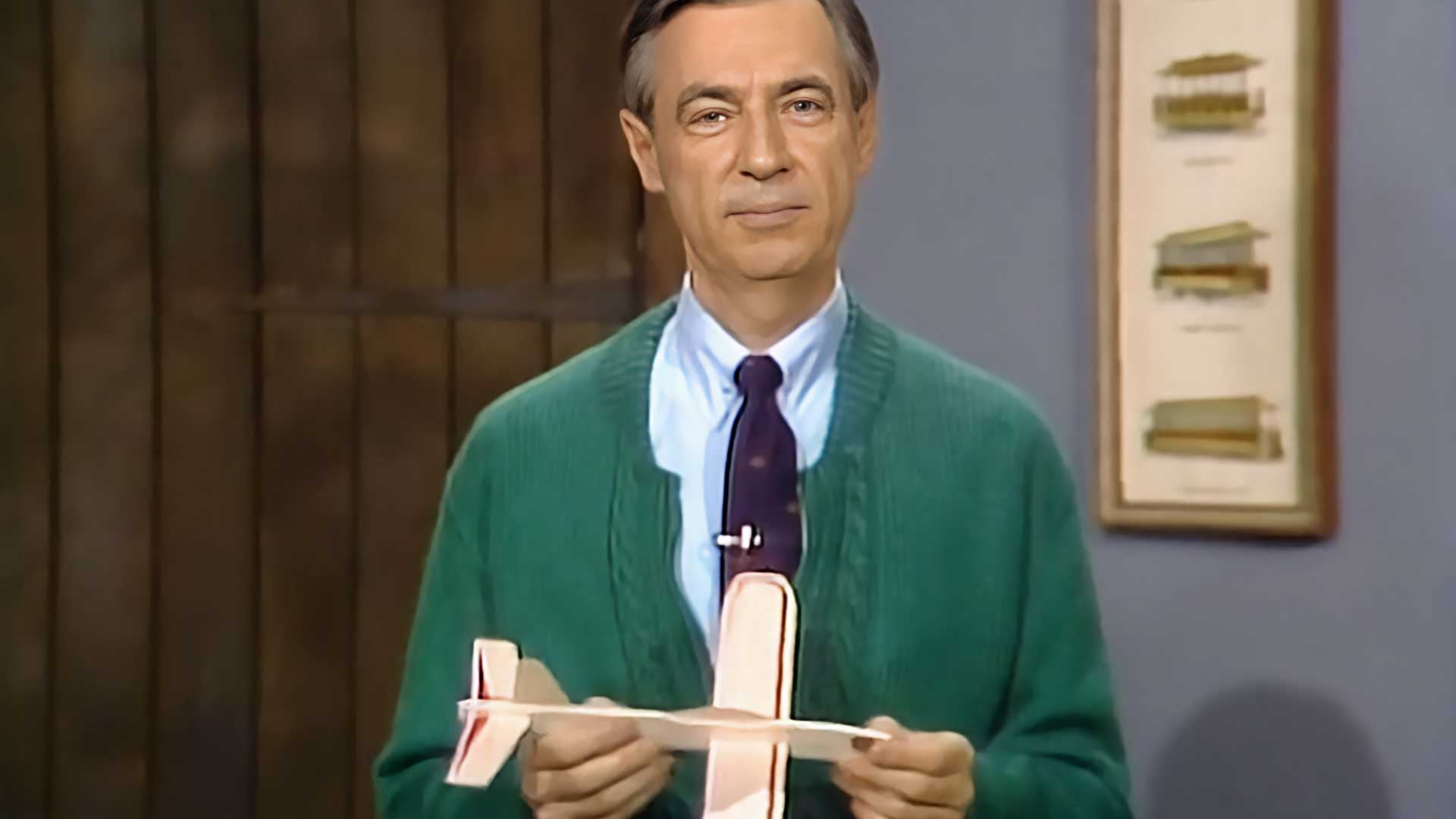
Rogers’ show came out in a society that was learning how to reconcile its differences as best it could. To prepare children for adult life, Rogers came up with a brilliant idea: his show would need to teach kids about emotional literacy. The concept of being “in touch” with one’s feelings might sound like some “New Wave” idea, but the reality is that Mister Rogers was already working with it since the sixties.
The “Neighborhood” itself was a metaphor for the ideal, civil society – a dream that seemed increasingly achievable as America entered the seventies. Mistakes were allowed and fixed, not just chastised. That’s the kind of positive growth society needs: a way to foster a sense of unity and forgiveness that diminishes polarization – and just five seconds on X would tell you that the world desperately needs some common ground right now.
“Look for the Helpers”: Fred Rogers’ Message for a Lonely, Cynical World
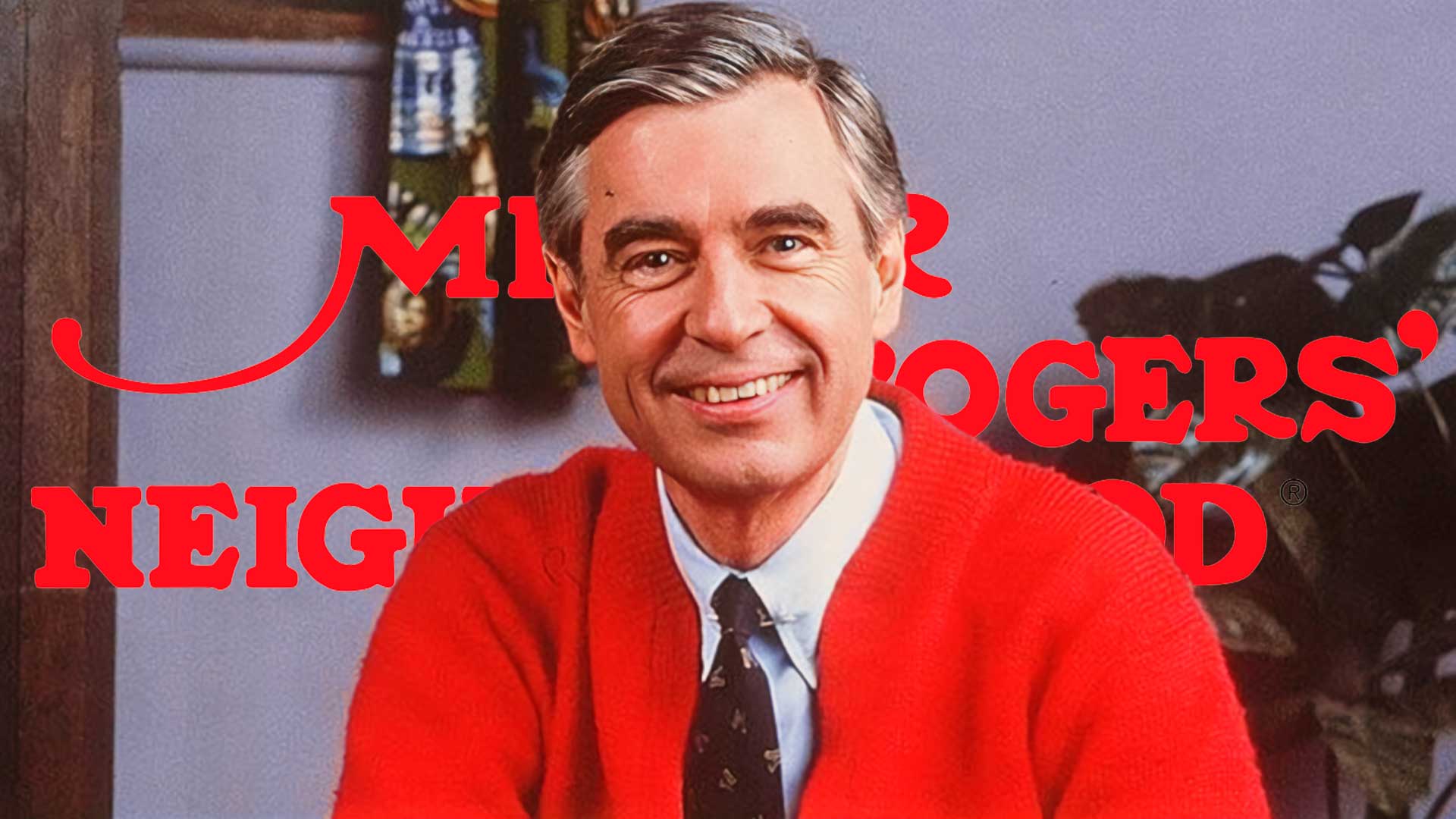
It would be safe to say that we live in a paradoxical society, one where we are “alone together.” Loneliness itself has become epidemic (the U.S. Surgeon General issued an advisory calling it one in 2023), with our digital neighborhoods becoming battlefields instead. Shows like Mister Rogers’ Neighborhood proved that there could be ways to achieve an understanding, even when things looked grim.
One of the show’s most important lessons became a motto for fans: “Look for helpers.” Rogers invited people to trust in those members of society who “helped” build a better community, and to model ourselves after them. That sincere desire to genuinely be better condenses the series’ entire philosophy – one that seems almost forbidden for modern media, as it seems increasingly consumed by cynicism.
Not only do we need more shows like Mister Rogers’ Neighborhood, but we also need to rediscover the courage to be the “helpers” ourselves, constructing a better tomorrow one neighborly brick at a time.
Where to Watch Mister Rogers’ Neighborhood Online (Free)
The easiest place to start is the official YouTube channel, which is free and carries full episodes, clips and compilations. The series also continues to air on PBS stations across the U.S., with select episodes on the PBS KIDS Video app and PBS KIDS on Prime Video. It streams 24/7 on its own Pluto TV channel, and episodes are free on PBS Retro.
RELATED: They Gave This Cartoon Away on YouTube for Free. Now It’s One of the Biggest Movies of the Week