
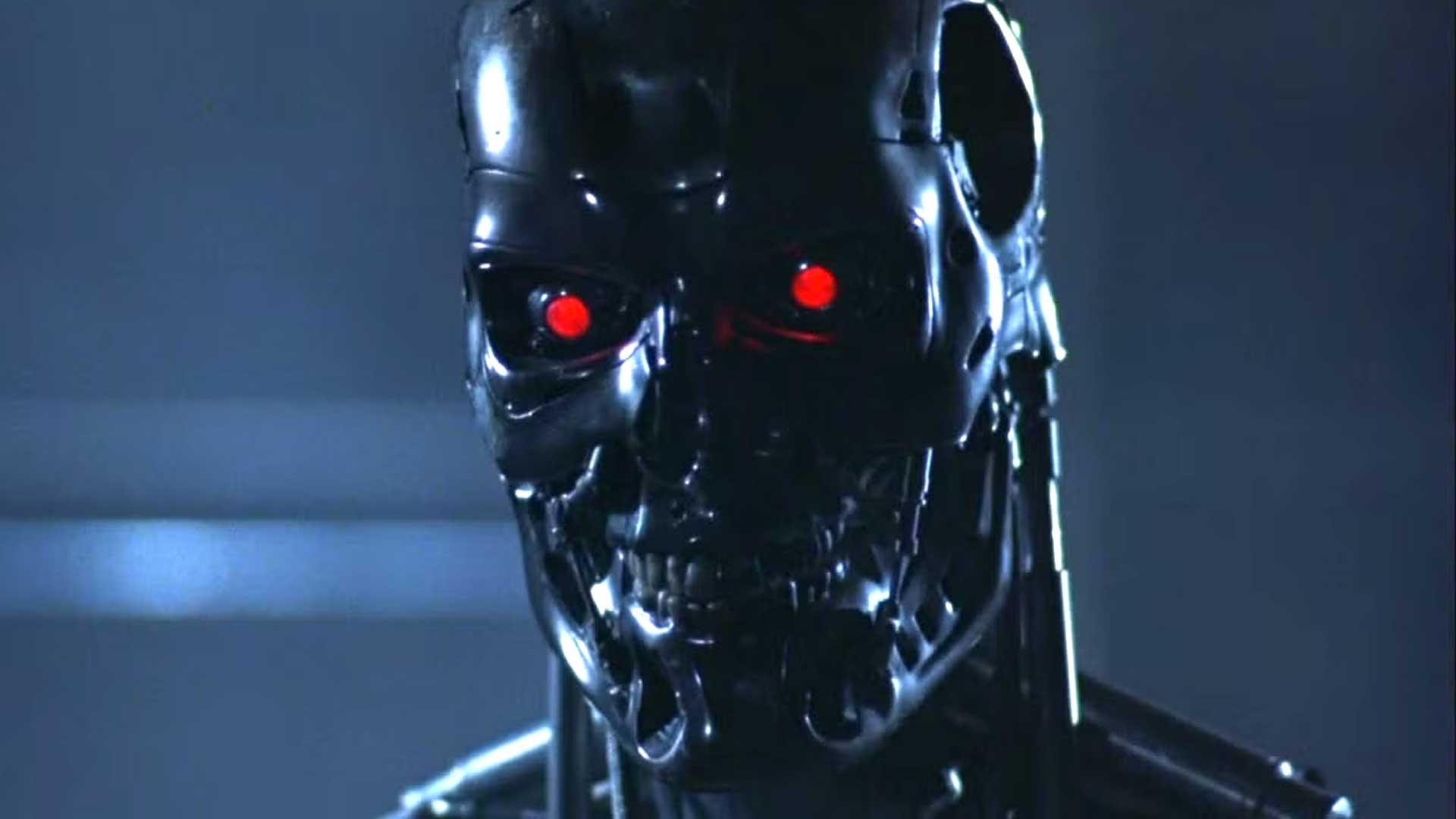


Terminator 2: Judgment Day turns 34 in July 2026 — and James Cameron is already thinking about what comes next. In May 2026, Cameron confirmed to The Hollywood Reporter that he is actively working on the script for a new Terminator film, with one major change: Arnold Schwarzenegger won’t be in it. “It’s time for a new generation of characters,” Cameron said. “There needs to be a broader interpretation of Terminator and the idea of a time war and super intelligence.”
The timing of that anniversary, combined with Cameron’s return to the franchise as writer, raises an uncomfortable question — one that fans have been debating since Dark Fate bombed in 2019: does anyone actually know what a good Terminator movie looks like anymore? We do. And the answer has been sitting in plain sight since 1984.
For more on Cameron’s plans, see our full breakdown: Schwarzenegger Said the Terminator Sequels Sucked — Now Cameron Is Making One Without Him.
Is The Terminator Movie Franchise Finally Dead?
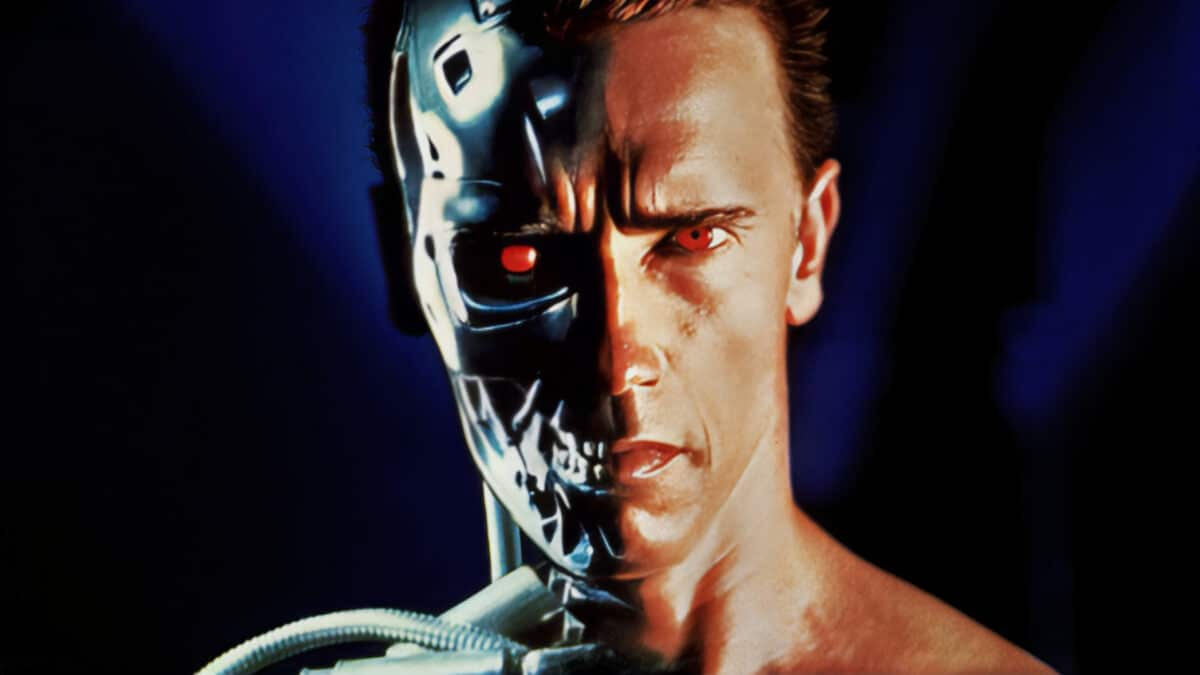
The Terminator franchise is dead. Maybe. Probably. Possibly. While the Terminator series of films was quite successful initially, over the years, the newer movies received less than favourable reviews.
Starting from the original movie, simply titled The Terminator (which was released in 1984), the franchise was the product of the creative imagination of writer/director James Cameron and established Arnold Schwarzenegger as a huge star. It was followed by a bigger budget sequel, titled Terminator 2: Judgment Day, which pushed the envelope even further, mostly due to its groundbreaking VFX. In fact, the introduction of the T-1000 revolutionised the film industry.
But after the recent films, including Terminator: Dark Fate, it seems like the franchise is finally dead. Or is it?
Where Things Went Wrong For The Terminator
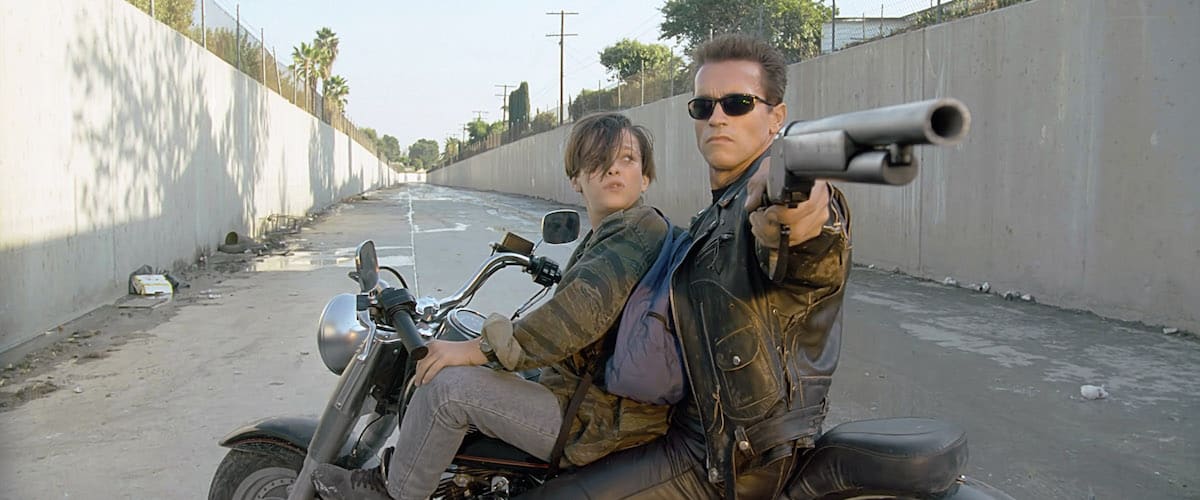
Fans were content with the story of Judgment Day and considered it an epic finale to the franchise’s storyline. However, studios got a bit greedy and made another film, Terminator 3: Rise of the Machines, this time without the involvement of James Cameron, and it was not very well-received by either critics or the general public.
After the third film, the studio tried soft rebooting the franchise with a movie called Terminator: Salvation, which starred The Dark Knight star Christian Bale as John Connor. It was the first Terminator movie that was set in the post-apocalyptic future, and the first to not feature Arnold as his iconic character.
Salvation bombed drastically and was hated by critics.
Cameron once admitted his feelings were mixed: “I didn’t think it was bad. I didn’t think it was embarrassing. I don’t think he let the franchise down in some huge way, but I did feel some sort of unease that it didn’t go beyond.”
And it seems Terminator: Salvation created many problems for the franchise moving forward. Although it was not intended as a reboot, it convoluted the franchise’s timeline. But it was only the beginning of many problems for the franchise.
The two sequels that followed, Terminator Genisys (2015) and Terminator: Dark Fate (2019), brought back Arnold as the T-800 — but it was sadly both forgettable and lazy. Again, Terminator: Dark Fate, which brought back James Cameron as a writer, confused fans further as it was intended as a direct sequel to the original James Cameron movies (The Terminator and T2: Judgment Day) and not the other films in the franchise. Directed by Tim Miller, Dark Fate may be slightly better than the previous two films, but it still felt generic and did not introduce anything new to the franchise.
Is There Hope for the Current Terminator Movie Franchise?
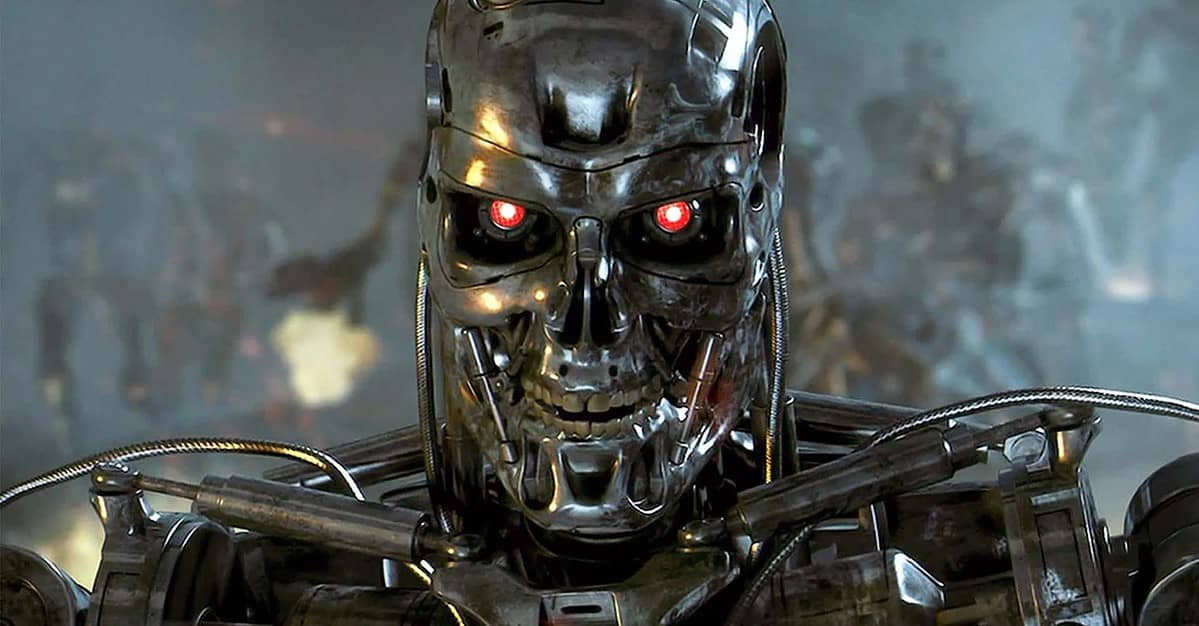
Yes and no. The Terminator franchise feels like it has overstayed its welcome. However, there is a way to redeem this franchise once more by starting things over… again.
Terminator: Salvation was a step in the right direction, but was poorly executed. It should’ve been a complete reboot rather than a time jump storyline. The studio kept making Terminator movies revolving around Arnold while neglecting the wider potential of the franchise. They could have gone in the direction of films like Joker and Logan, meaning they should have made a movie solely about the origins of T-800 or T-1000 with a new actor. Arnold has lost his touch with the audience, which is proven by the failure of the last two movies. It is time that the studio cast someone new, especially if they plan to reboot the franchise once more.
Of course, all of this seems highly doubtful, especially due to the poor performance of Dark Fate at the box office. Even if the studio wants to reboot the franchise, they should simply drop the old storyline and start from the ground up again. For a look at what a soft reboot could look like, we’ve explored one compelling option in detail.
But none of that matters if the new film repeats the same fundamental mistake — forgetting that the original Terminator wasn’t an action movie. It was a horror film.”
How To Fix The Terminator Movie Franchise
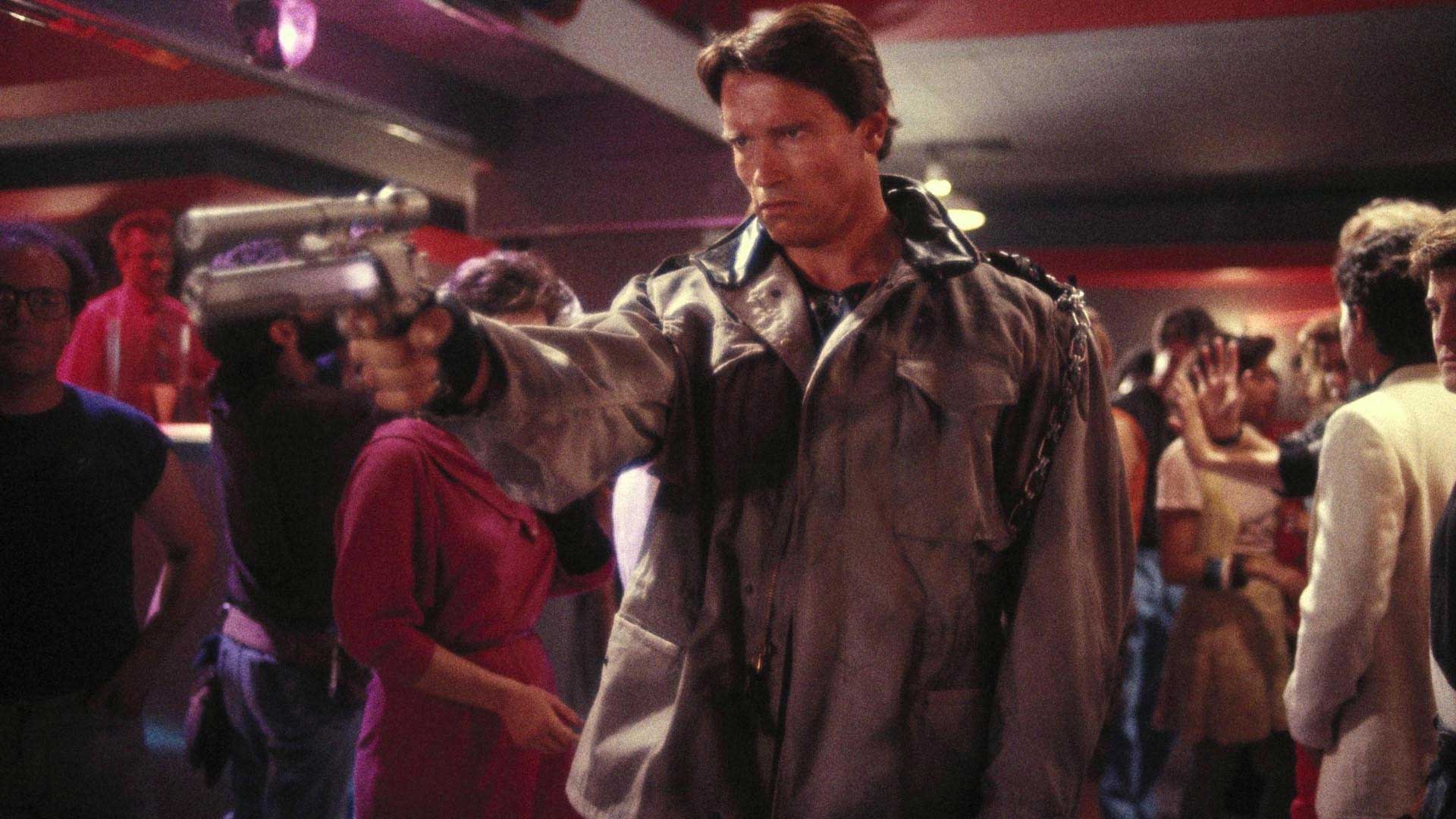
When it comes to iconic ‘80s franchises, there are very few that so perfectly encapsulate the unbridled action and bombastic set pieces of the decade like The Terminator. Ironically, as fabulously ‘80s as the series might sound, most fans would argue that the best entry in the series came out in 1991, marking a clear “before and after” moment for how action flicks would be made in the grunge decade.
There’s just so much you can do with the plot of The Terminator before audiences begin experiencing a serious case of déjà vu. The story of a killer robot (or killer robots) from the future that relentlessly chases its target in the past can only get you so far — after all, it’s already been two and a half decades in the real world since Skynet was supposed to take over the world.
More recent Terminator films have to overcome the limitations of the original’s timeline, and that means making some controversial changes to the series’ mythology. Unfortunately, it seems like whoever is in charge of the franchise has also lost interest in the original Terminator’s world, as the films have been getting progressively more contrived with each new entry.
In a series that’s not lauded precisely for its intricacy, seeing concepts like “alternate timelines” and complex time travel shenanigans almost sounds like a betrayal of the franchise’s essence.
Time travel was only a part of the first movie’s plot — an integral one, that’s for sure, but it could be easily argued that the time-travelling was just there as an explanation as to why there’s an impossible, advanced killing machine pursuing a waitress all over Los Angeles. If the franchise hopes to have another shot at cultural relevancy, especially with a generation that was raised on Marvel films, perhaps it might need to go back to the straightforwardness that made it so accessible in the first place. After all, we’ve seen a resurgence of the classic style of ‘80s no-nonsense action flicks with movies like the super-popular John Wick.
What Terminator: Dark Fate — the latest entry in the long-running series — fails to recapture is the sense of unstoppable efficiency that the best Terminator movies represent. Sure, the visual spectacle is there, and it’s arguably better than it was in 1984, but the spirit of the franchise is nowhere to be found in the newer entries.
Terminator 2: Judgment Day was released in 1991, being writer-director James Cameron’s best attempt at redirecting the momentum of the original film and turning it into a franchise. Curiously, both Terminator and Aliens share the same issues, and both are franchises that have been helmed by Cameron. Demystifying the T-800 was the first step in the wrong direction for the franchise, just as the Alien movie franchise (and the Predator movie franchise) seems intent on making the Xenomorph into just another horror-themed alien creature.
A great Terminator film is one that focuses on the ever-present threat of a sophisticated killing machine. The emotionless efficiency of the Terminator is so scary to us because it works in a completely different way than any human ever could. To fix the franchise, the producers would have to rethink what it is that fans want to see in a Terminator movie: is it nostalgia? Strong, independent female characters? Or is it just a killer robot that’s hellbent on bringing forth the end of humanity?
Make the films scary again. Bring the franchise back to its horror roots. The first film was incredibly scary. You could probably even think of it as a sci-fi slasher. Everything afterwards was focused on big action sequences. But, like the Alien franchise, at its core, the Terminator movies are meant to be horror movies. The Alien franchise recently returned to its horror roots with Alien: Romulus. The Terminator franchise should do the same. It’s what fans want.
Cameron himself has hinted at this instinct. “The things that scare you the most are exactly the things you should be doing,” he told The Hollywood Reporter when discussing the new film. “Nobody should be operating artistically from a comfort zone.” We’ve also covered Cameron’s views on AI and whether the Terminator apocalypse is still fiction — and his answers are more unsettling than any sequel.
The franchise has also proven it can work beyond the big screen. Terminator: The Sarah Connor Chronicles remains one of the best things to ever carry the Terminator name — precisely because it leaned into character and dread rather than spectacle. It understood what made the original frightening.
And while the idea of a Neill Blomkamp-directed Terminator or even Zack Snyder taking the reins has been floated by fans for years, the director matters less than the mandate. Give whoever makes the next Terminator film one instruction: scare us.
The Future Of The Terminator Franchise
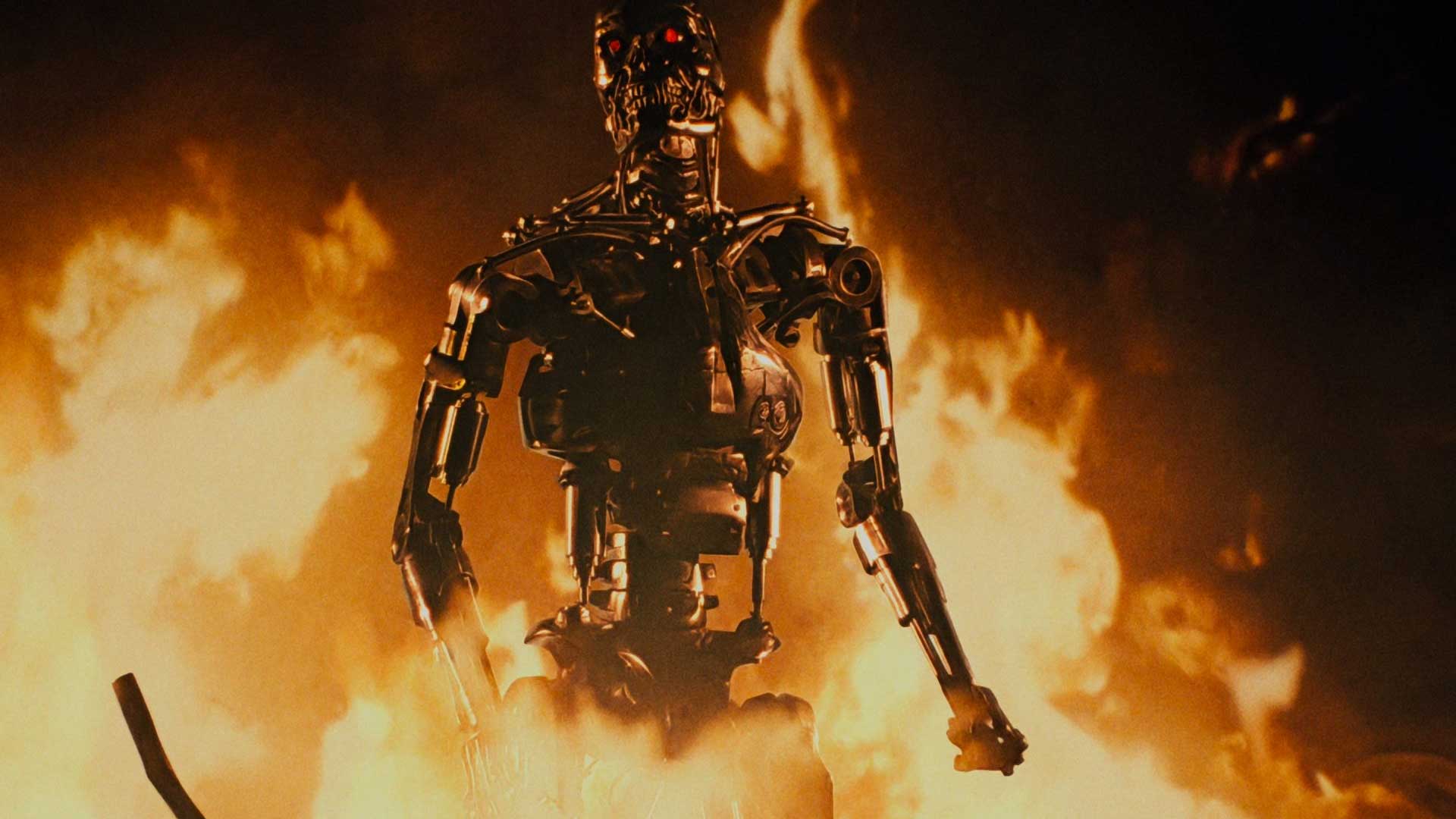
That future changed in May 2026 when Cameron confirmed he is writing a new Terminator film — without Arnold Schwarzenegger, who is now 78 years old. “I can safely say he won’t be [in it],” Cameron confirmed. Whether that new film learns from the original’s horror DNA remains to be seen. But Cameron’s framing — “I want to do new stuff that people aren’t imagining” — is at least the right starting point.
For our full breakdown of what this means for the franchise, read: Schwarzenegger Said the Terminator Sequels Sucked — Now Cameron Is Making One Without Him.
While fans wait for that announcement, there is Terminator Zero on Netflix — an eight-episode anime developed by Mattson Tomlin that actually gets something right. There’s real horror in it. It understands what the original was. It’s not a perfect series, but it’s a signal that someone, somewhere, remembers what made a metal skeleton rising out of burning wreckage so terrifying in the first place.
The franchise doesn’t need a bigger budget. It doesn’t need a cameo. It doesn’t need another timeline reset. It needs to make you feel like something is hunting you — and there is nothing you can do about it.
That’s it. That’s always been it.