

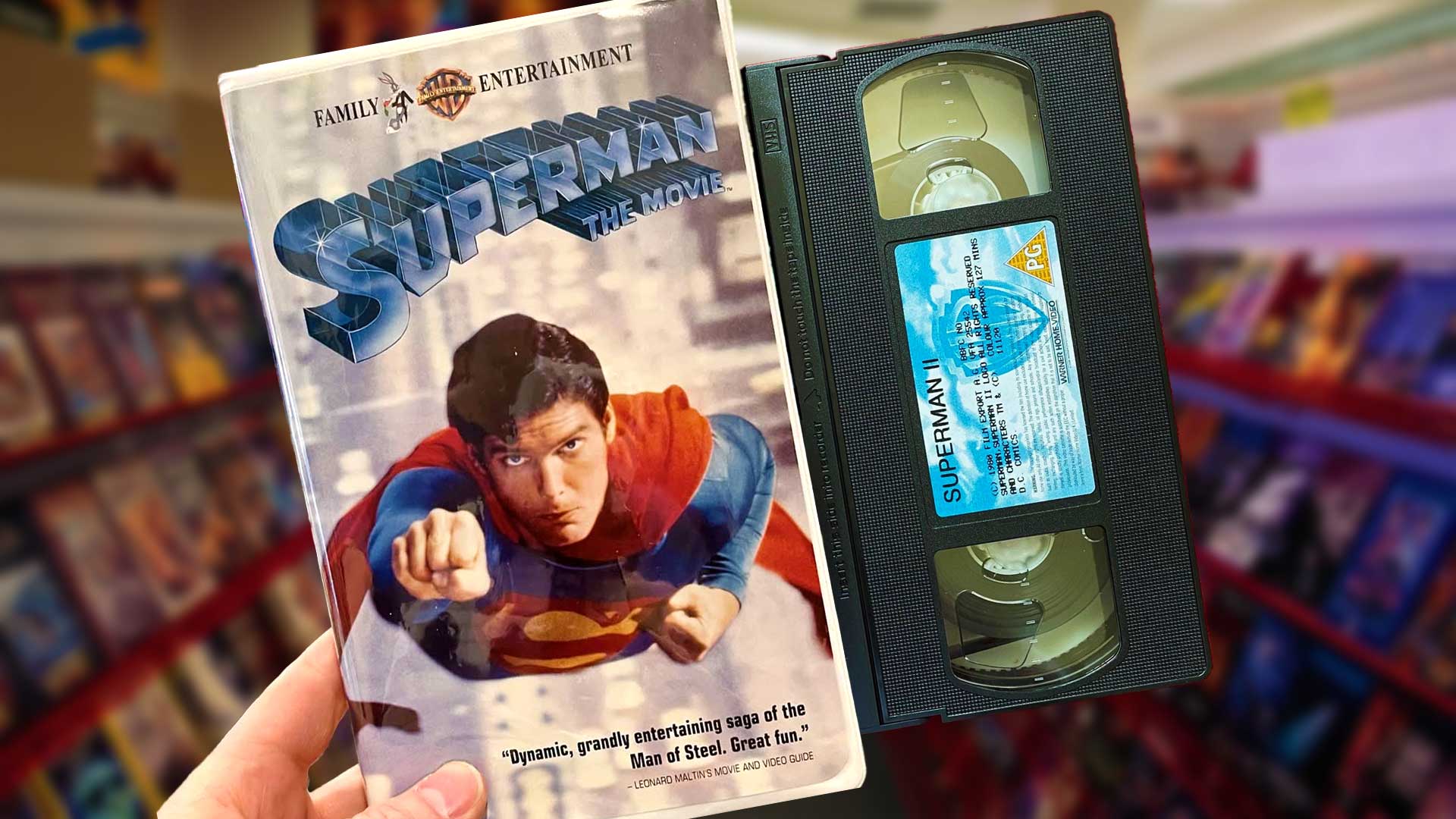


VHS was supposed to be dead and buried. Instead, it’s having a moment. A 2026 Consumer Reports survey found that 15% of Americans still watch VHS tapes, and a growing share of that number is Gen Z and millennials actively seeking tapes out, not just inheriting them from a parent’s garage. Searches for VHS players are climbing alongside a broader vinyl and DVD resurgence, and the reasons go deeper than aesthetics.
Streaming fatigue is doing a lot of the work — subscriptions have multiplied while catalogs keep shrinking and prices keep climbing, and owning a copy of a film means you can always watch it, no matter what a platform decides to license away. There’s also a privacy angle nobody was talking about a few years ago: a VHS tape doesn’t report back what you watched or build an advertising profile off it. In a media landscape defined by algorithmic tracking and TikTok-driven physical-media nostalgia, that kind of quiet ownership has become part of the appeal.
Whether this is a durable shift or another Stanley-cup-style fad is still an open question. But it’s put a spotlight back on a format most of us assumed was gone for good — and on everything we actually miss about it.
The First New Straight-to-VHS Movie in 20 Years Is South African
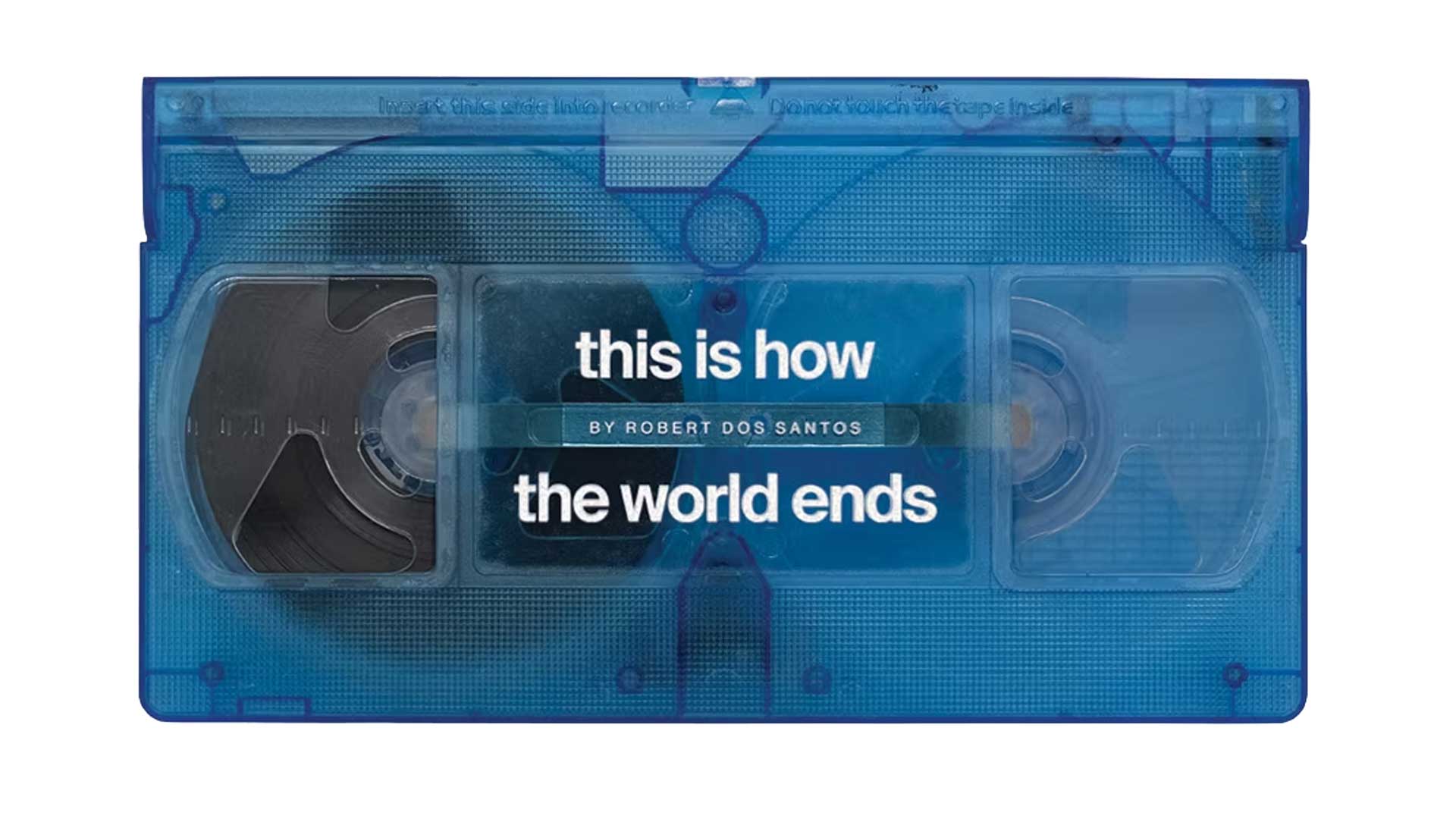
In case the revival needed more proof, South African director Robert dos Santos released his debut feature, This Is How the World Ends, exclusively on VHS on June 7, 2026 — no DVD, no Blu-ray, no streaming, not even a cinema run first. The Guardian billed it as the first straight-to-VHS film release in 20 years, and dos Santos and his team have reportedly already had to order more tapes to keep up with demand.
The choice isn’t just a gimmick. This Is How the World Ends follows two siblings navigating the fallout of a war between humanity and AI, and dos Santos has been explicit that the format is part of the message — a film “made by humans for humans,” deliberately imperfect at a moment when AI can generate polished content instantly. Watching it means tracking down an actual VCR, which for a growing number of fans is exactly the point.
How VHS Actually Died (And Why No One Saw It Coming)
VHS didn’t die all at once. JVC, the company that invented the format, ceased production of standalone VHS VCRs in 2008. Sony had already bowed out of the format wars years earlier, discontinuing its rival Betamax recorders back in 2002. VHS itself limped on in the background for years after that, sold mostly through combo DVD/VHS units, until Funai Electric — the last manufacturer still making VCRs of any kind — shut down its production line for good in 2016. Soon after the demise of VCRs came the rise of DVDs and Blu-rays, but then those home cinema formats eventually fell by the wayside too, as we move more rapidly towards a world where movies are viewed and distributed entirely digitally, rather than on physical media.
Cinephiles and retro collectors alike have a fascination with analogue forms of media. With some specific formats, analogue still holds a distinct advantage over digital mediums — just ask any audiophile if they would rather listen to an LP vinyl record or a 128 Kbps MP3 file. The same happens to some photographers, who still prefer analogue photography’s “organic” look and feel.
Home video, on the other hand, has been steadily improving over the years. There’s hardly anyone who would say that a 4K TV looks worse than a TV from the 80s. As great as CRT TVs are for retro gaming, their definition is somewhat lacking when it comes to watching movies.
Was VHS Ever Actually Good? The Honest Answer
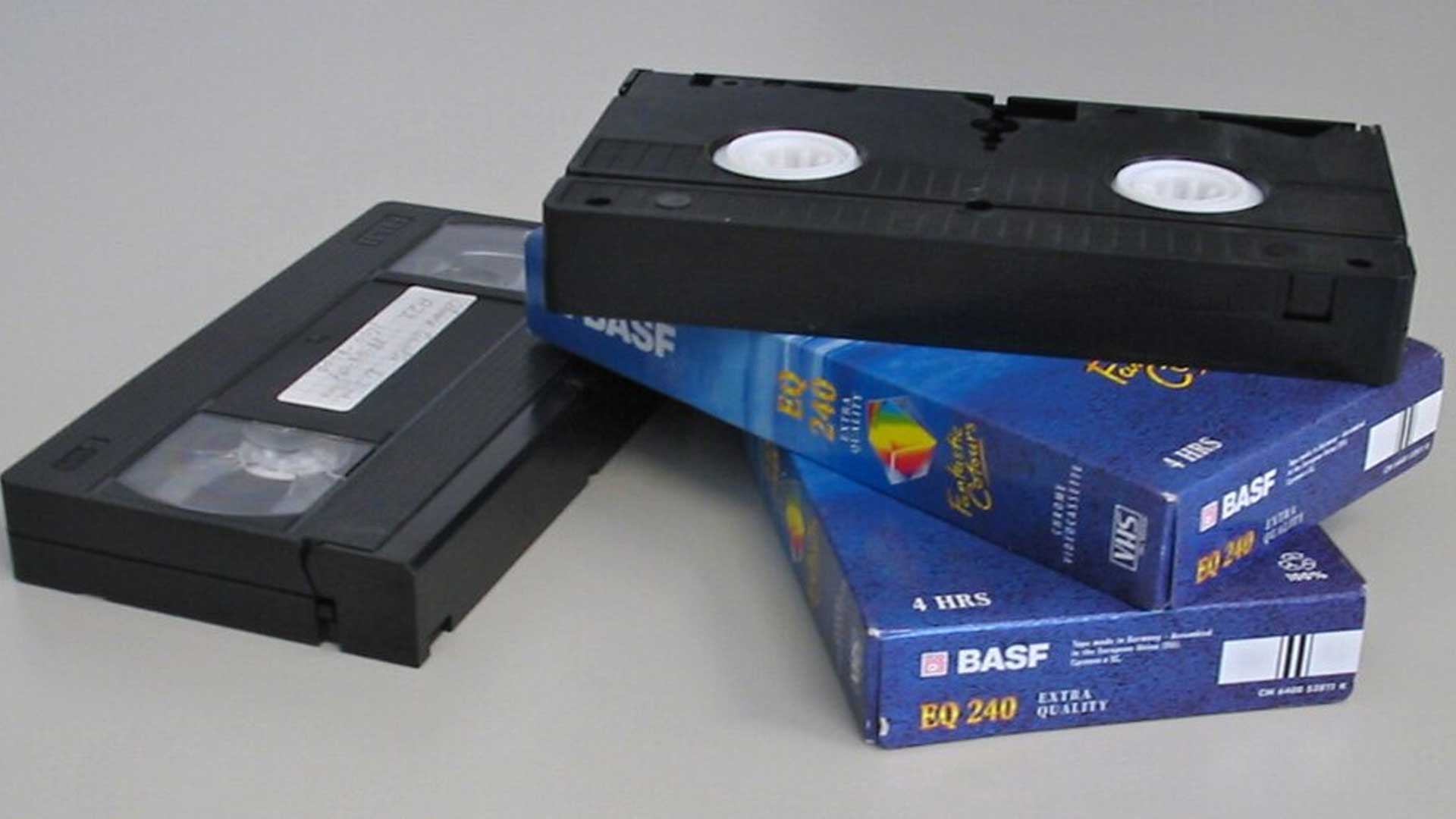
While streaming and non-physical media seem to be the way to go in today’s media consumption market, there’s a considerable number of users who are still nostalgic for the simplicity of owning a tape and playing it on a VCR. However, for some reason or another, the incredibly popular VHS format quickly faded into obscurity as soon as the DVD took root in the home video market.
That said, there’s essentially no one claiming that VHS tapes are superior to Blu-Ray discs in the same way that we hear about the advantages of vinyl over digital. The reason for this is that, inarguably, the VHS format wasn’t all that great in terms of video fidelity.
The Technical Flaws That Never Went Away
VHS tapes were infamous for the obscene amount of colour fringing and their overall noisy quality, even compared to some less popular media formats, like the short-lived LaserDisc. The lack of S-Video output in virtually every consumer-level VHS player also meant that some of the more tech-savvy users could not get an optimal image out of their beloved video cassettes.
VHS Dominated an Era Digital Almost Erased
All that said, VHS cassettes dominated the market for the best part of the 80s and 90s, and even managed to survive for some part of the early 2000s. It’s surreal to think that Jarhead, a movie released in 2005, had a VHS release, which is a format that launched all the way back in 1976.
Home entertainment spending overall — discs, downloads, and streaming combined — had already dwarfed box office revenue for decades. What actually happened in 2014 is narrower but still notable: U.S. digital video spending overtook physical disc sales for the first time, a tipping point that accelerated the decline of DVD and Blu-ray and made clear which way the format winds were blowing.
The Real Reason VHS Still Has a Hold on Movie Fans
So far, we have a media format that was cheap to produce and had some unimpressive video quality. Why was it so popular then? The reason, other than nostalgia, is that the imperfect charm of VHS is simply intoxicating to some film buffs. As we said before, analogue media can be fascinating.
VHS cassettes contain classic movies in their original states. Star Wars fans might know the woes of having to navigate each new release, looking for the one with the least digital “improvements”. VHS films are always in their original state, without the blemishes of new editions and changes to their source material ever made.
The Sound Quality Nobody Talks About
Also worth mentioning — and this ties with what we mentioned about audiophiles before — while the video quality of VHS cassettes might be somewhat lacking, the same can’t be said of their sound. The magnetic tape recording process allows VHS tapes to have much higher audio quality than their DVD counterparts. Additionally, if we’re talking about early DVDs and VCDs, VHS tapes have zero compression artefacts.
The Verdict on VHS’s Second Life
So yes, much of the push for a VHS renaissance comes from nostalgia for a frankly outdated medium — but the allure of the VHS on modern cinema is undeniable. The imperfect charm of having your tapes in SD quality, coupled with the satisfaction that comes from owning an analogue physical collection still puts the dated VHS standard into a special place in the hearts of millions of movie fans all over the world.