
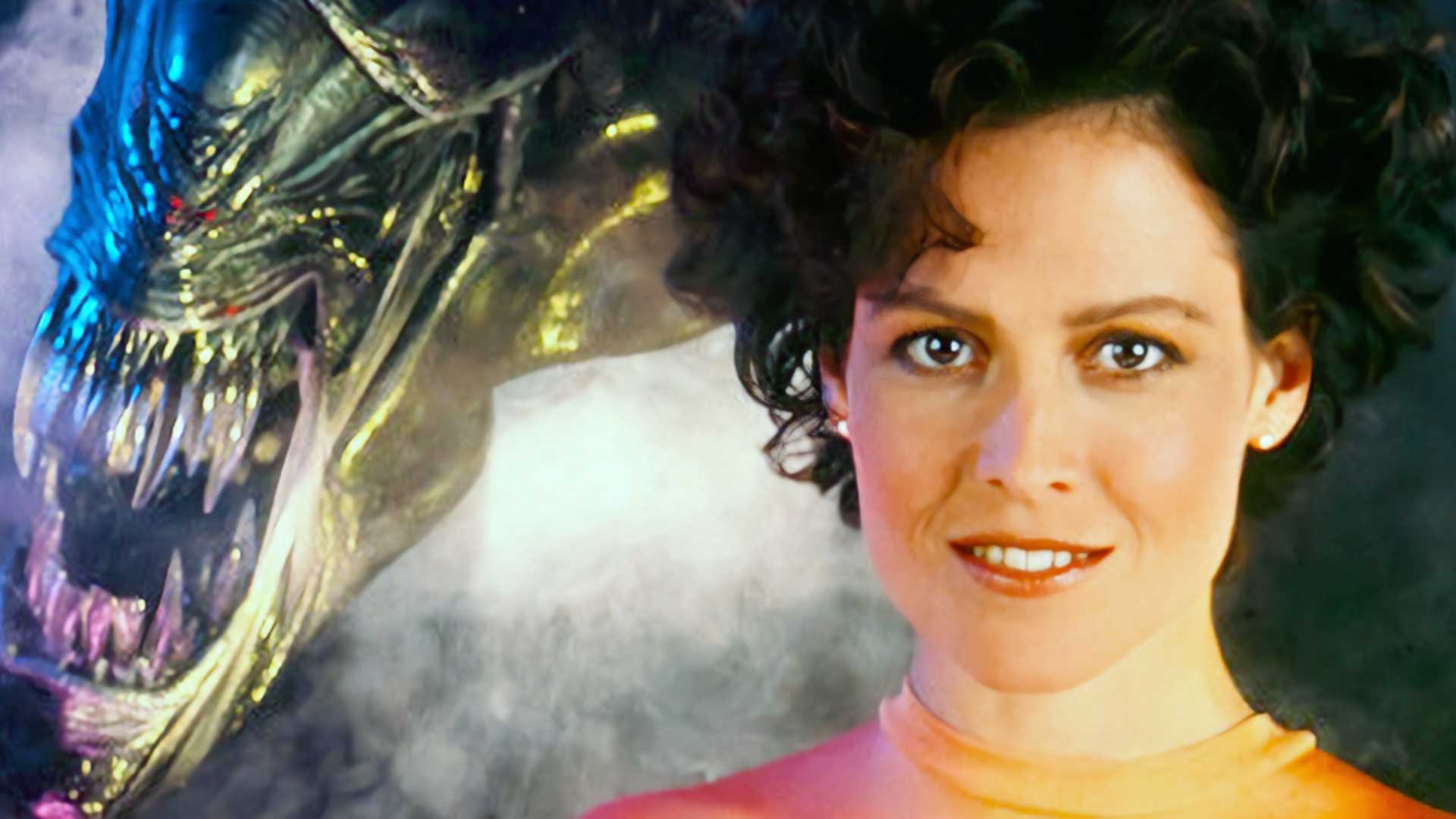


40 years ago, on July 18, 1986, James Cameron’s Aliens solved one of Hollywood’s biggest problems: how to create a sequel to a masterpiece without repeating the exact same story. This month, the film arrives at San Diego Comic-Con for a 40th-anniversary panel (on July 23), with original cast members Michael Biehn, Jenette Goldstein and Mark Rolston talking about a production most fans still consider one of the greatest sequels ever made. But even if you take away the nostalgia, Aliens still holds up as something much rarer than just a beloved franchise entry. It’s arguably a perfect film, and the reasons why go way beyond just “more Xenomorphs”.
A Nearly Impossible Sequel to Live Up To
Technically, Ridley Scott’s 1979 Alien didn’t need a sequel. It worked well as a single-story film. In fact, it would be crazy for anyone to attempt to follow it up. Alien was terrifying, and a lazy sequel with more Xenomorphs, an added queen, and a new cast wasn’t enough for the sequel to stand out on its own – even though it likely would have been called a success, too. So, James Cameron pushed, and what we got wasn’t just another entry — a gamble we’ve covered in more detail here. It was an achievement so rare that Hollywood keeps studying it all these years later. In the 40 years since, there’s never been a better sci-fi sequel.
Aliens went on to earn seven Academy Award nominations, winning two in the technical categories… but if there was an award for best sequel at the Oscars, it would win it hands down.
One of those seven nominations is still one of the strangest and most respected in Oscar history: Sigourney Weaver was nominated for Best Actress for playing Ripley. At the time, she was going up against Jane Fonda, Sissy Spacek and Kathleen Turner at the 1987 ceremony. A leading performance in a sci-fi horror movie landing in one of the Academy’s top acting categories is very rare. Only Sally Hawkins would later pull off something similar for The Shape of Water three decades on. But in 1986, nothing about the genre suggested the Academy would actually allow it.
Sadly, Weaver lost to Marlee Matlin for Children of a Lesser God, but the nomination itself has outlasted most of that year’s winners in the cultural conversation.
The Space Marine Started Here
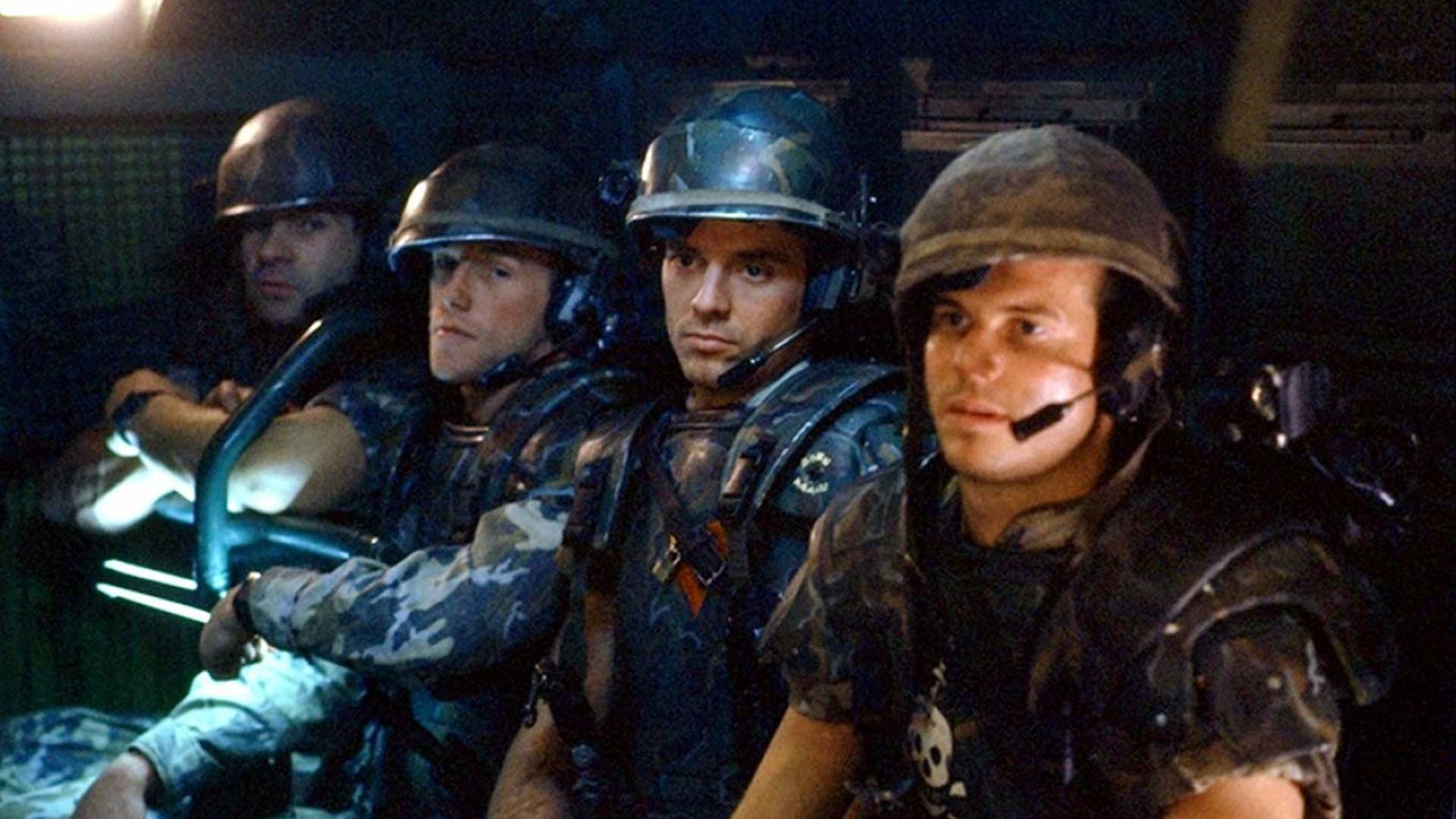
Watching Aliens in 2026, it’s easy to forget how groundbreaking this film actually was. In fact, you could argue that a lot of modern sci-fi vocabulary was invented in this film. Just look at the armored, wisecracking, heavily-armed “space marine” archetype, for example. Although the concept was born from pulp magazines all the way back in the 1930s, and most probably from the Starship Troopers novels by Robert A. Heinlein, it was the 1986 film that first brought it to the big screen. So, in a way, you could say that Cameron’s Colonial Marines inspired entire video game franchises like Halo and Warhammer 40,000. Aliens popularized the “gritty, military grunts in space” sub-genre.
What’s funny is that the film spends its entire first act making these soldiers look unstoppable, purely so their inevitable failure against the Xenomorphs lands as a gut punch rather than a twist. It’s brilliant, really.
The Motion Tracker: Tension as Sound Design
Few props in genre history have done as much narrative heavy lifting as the pulse rifle’s motion tracker. Its rising electronic pings, syncing with an unseen, closing threat, function like a heartbeat inside the room — a piece of sound design so effective that some horror filmmakers have built entire films around a single gimmick less clever than this one.
Found-Footage Horror, Before Found Footage Existed
Long before the genre was even called found footage, Aliens experimented with the idea. During the marines’ first encounter with the Xenomorphs, the officers back at base are forced to watch the ambush unfold through grainy helmet cameras with vital signs ticking above each feed. It’s a device many modern horror films still lean on today, and it’s executed here decades early in this small scene.
Two Mothers, One War

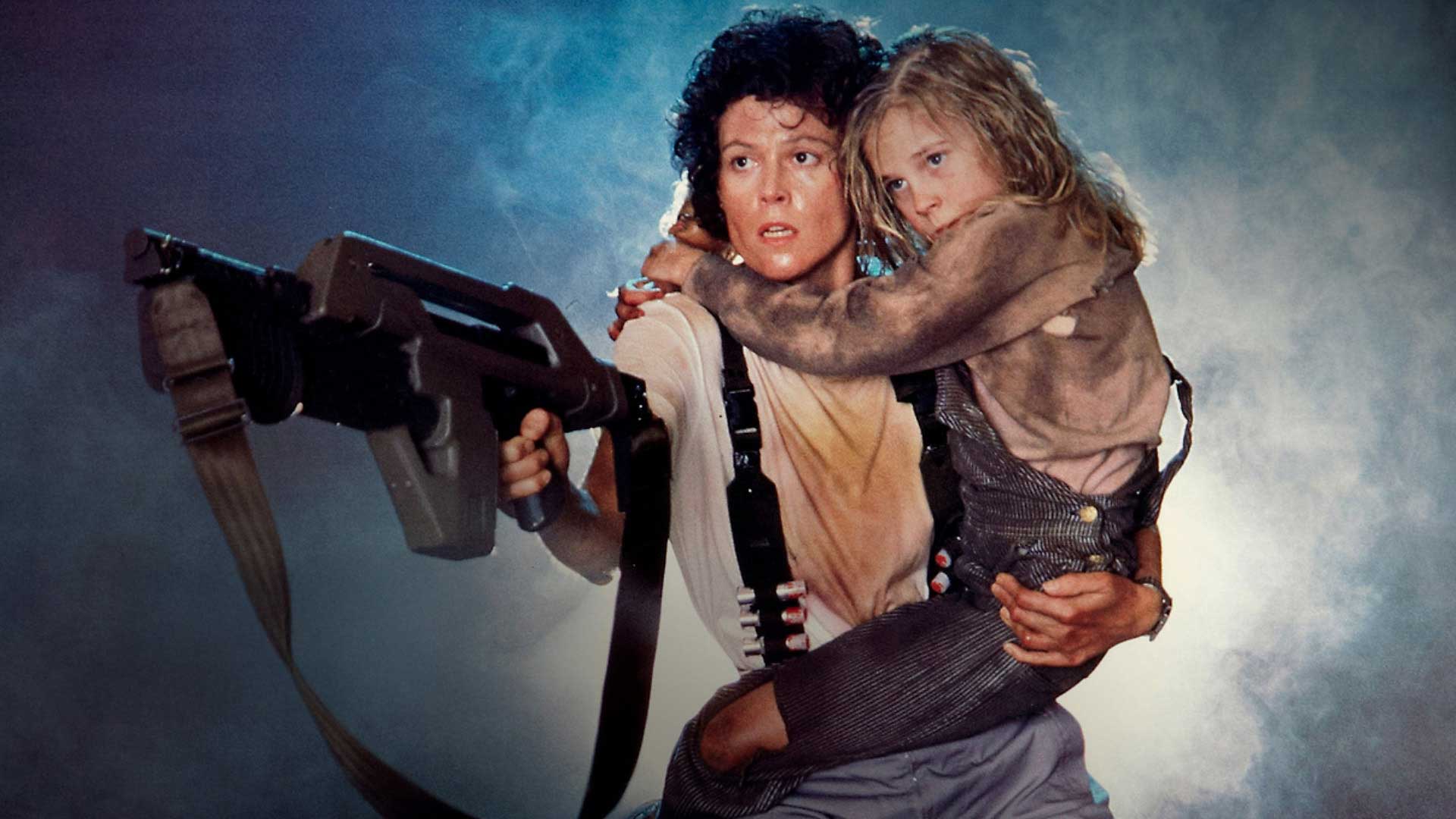
Beneath the firefights, Aliens builds its emotional arc entirely around motherhood. Ripley’s protectiveness over Newt, the orphaned colonist child, mirrors the Xenomorph Queen’s own ferocity in defending her nest. It’s a parallel that works really well in the story, turning the climax into a confrontation between two mothers rather than simply a soldier and a monster.
Gale Anne Hurd, the film’s producer, has spoken about the throughline in recent anniversary interviews, singling out the bedroom scene where Newt asks Ripley whether she’ll ever leave her as one of the film’s defining moments.
Characters Who Actually Make Good Decisions
As we’ve seen countless times over the years, horror lives and dies on whether characters behave like actual functioning adults. How many times have we questioned the actions of characters in these sorts of stories? Cameron’s Aliens is unusually disciplined here. Once the marines realize they’re outmatched, they do what real people would do: retreat. In fact, every subsequent setback that follows has a very clear, earned cause, including the actions of Paul Reiser’s corporate company man, whose betrayal is motivated rather than arbitrary.
A Bonus Fourth Act Nobody Asked For — and Everybody Remembers
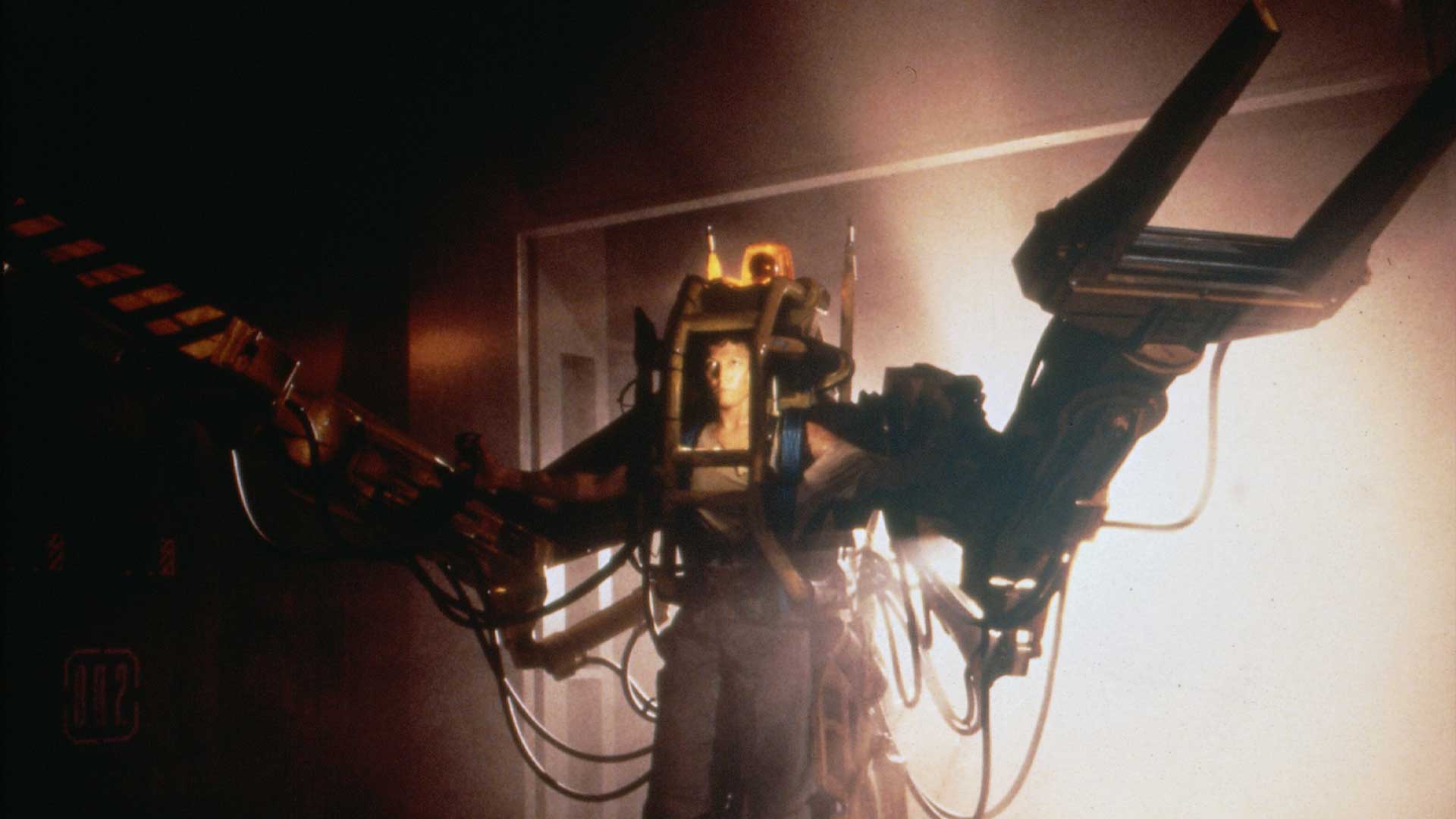
By the time the survivors escape the planet’s surface moments before it explodes, Aliens has already done enough to be remembered as a classic. Cameron could have ended the film right here, and we would be writing about how great it was 40 years later. But he didn’t. The film instead gives us one last showdown. And it’s perfect.
The Queen stows away on the dropship, and Ripley climbs into a Power Loader exosuit for a fight that has since become one of the most quoted, referenced and imitated sequences in science-fiction history.
Still Being Celebrated at 40

Alongside the SDCC panel, CREATORVC has revived its acclaimed Aliens Expanded documentary as a limited 2-disc edition and a companion deluxe hardcover book featuring new interviews with Cameron and the cast.
In 2026, Biehn and Hurd spent most of July doing press rounds reflecting on a shoot that, four decades on, they say still doesn’t feel finished.
The Franchise Keeps Growing
Humans haven’t stopped fighting Xenomorphs. 2024’s Alien: Romulus proved there’s still an audience hungry for the creature outside Cameron’s sequel, and its own follow-up is now hunting for a new director. There’s also chatter about a possible Star Wars crossover possibly happening at some point, and, because nothing about this franchise takes itself too seriously anymore, the entirely earnest question of whether a Xenomorph could work as a Disney princess.
Where to watch Aliens: