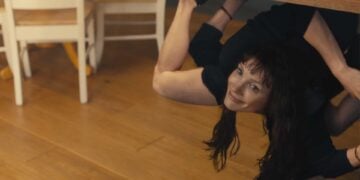


Like most directors out there, Swedish filmmaker David F. Sandberg got his start making short films, notably Lights Out, which features his wife, Lotta Losten, as the unnamed woman. The premise is simple: A woman walks down the hallway in her apartment and turns off the light when she notices a silhouette standing in the distance while in the dark. She feels curious, prompting her to flip the light switch on and off. And each time she does, the silhouette appears closer and startles her.
Sensing something is wrong, she chooses to duct-tape the light switch before going to bed, and even leaves the door ajar. What happens next is a deliberate moment of escalation from the sound of footsteps to silence, a flickering lamp, and a jump scare that gives you goosebumps before the scene abruptly cuts to black. All this in just three minutes.
From Viral Reddit Short to a $148.9 Million Box Office Hit
First released in 2013, Sandberg won the Best Director award for Bloody Cuts’ “Who’s There?” Horror Challenge and Lights Out subsequently went viral after it was shared on Reddit. The short eventually caught the eyes of producers Lawrence Grey and James Wan, and the rest, as they say, is history. Sandberg was granted a $4.9 million budget to make a feature film of Lights Out, and the movie was released on July 22, 2016 — ten years ago this week. It had already premiered at the Los Angeles Film Festival on June 8, six weeks earlier.
Despite major competition from Star Trek Beyond and Ice Age: Collision Course, it managed to open strong with $21.6 million at the US box office before finishing with an astounding $148.9 million worldwide. Sandberg became an overnight sensation, and it didn’t take long before he was given the chance to jump into directing mainstream features, including Annabelle: Creation, along with two Shazam! movies and Until Dawn. He’s since returned to original horror with A Little Slice of Hell.
The film also earned a respectable 76% on Rotten Tomatoes and a 58 on Metacritic, solid marks for a horror movie stretched from a three-minute short. Its $148.9 million total is impressive on its own, but it’s modest next to Sandberg’s very next film with Wan, Annabelle: Creation, which grossed $306.5 million on a $15 million budget the following year.
Inside the 19 Jump Scares That Made Lights Out Work
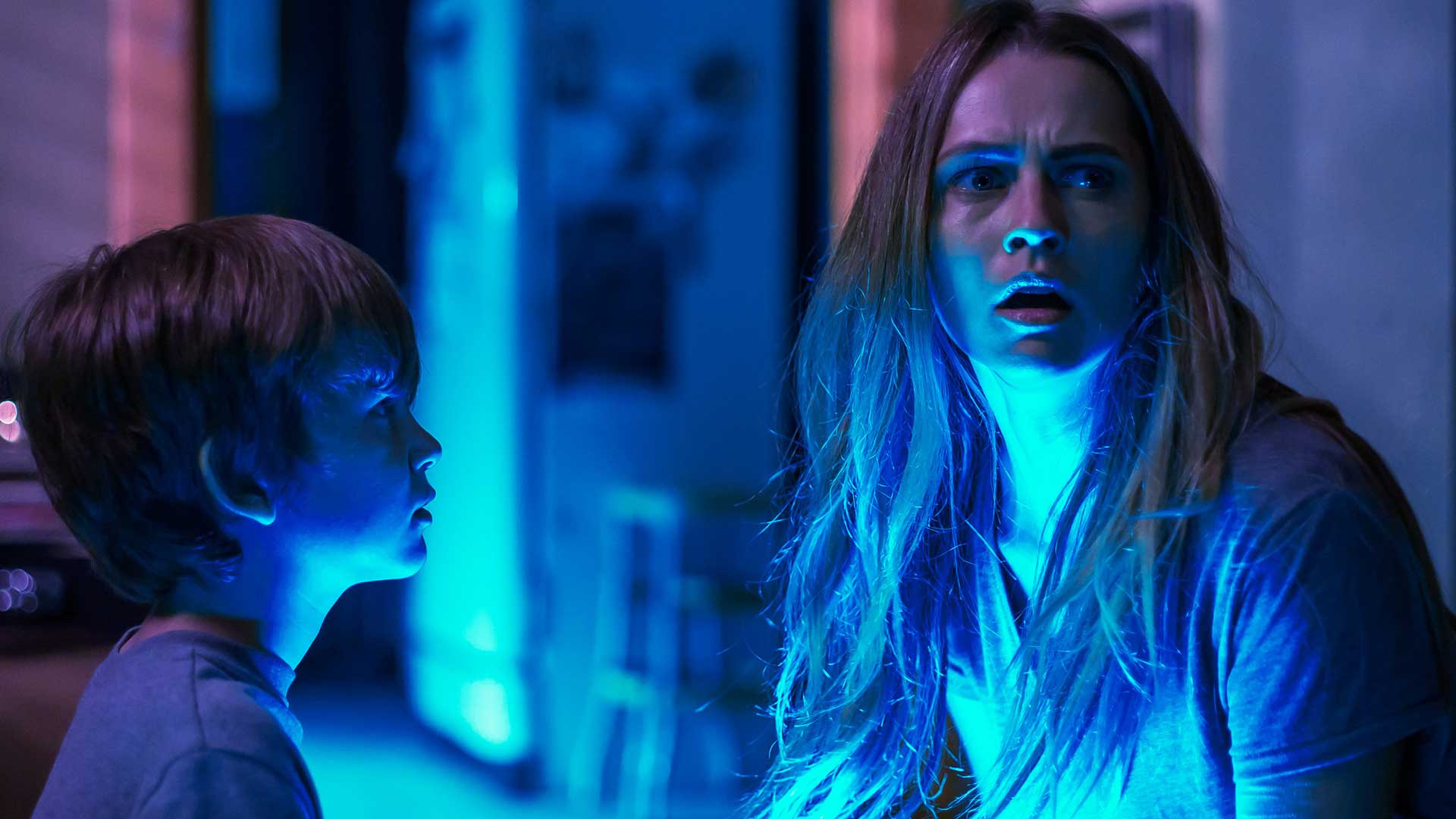
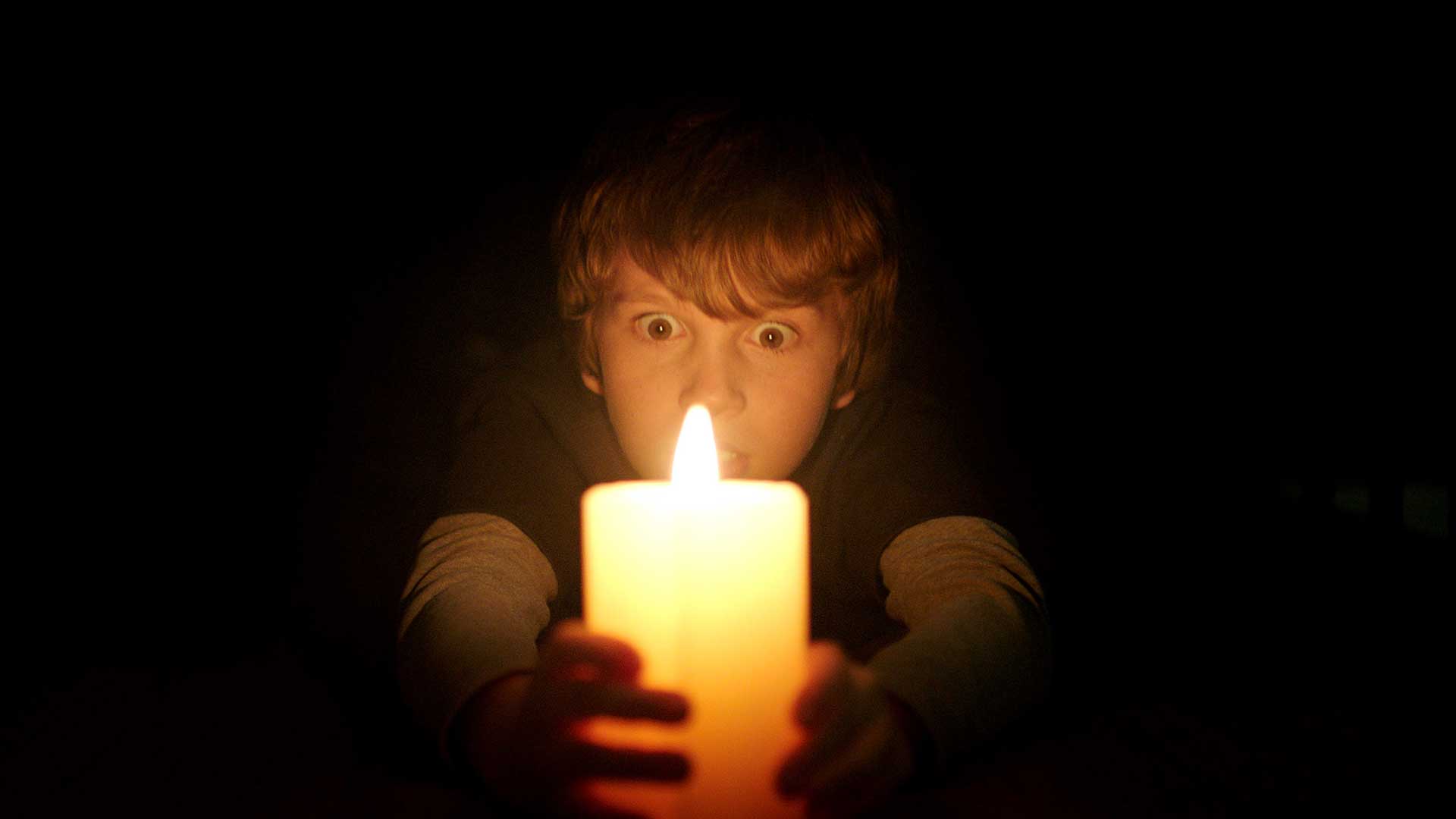
Going back to Lights Out, it has been ten years since the movie opened to both critical and financial acclaim. The first movie became such a global hit, thanks to its universal human fear that we all can relate to. And that is the fear of the dark. The concept is simple but eerily effective: Imagine that when you switch off the light, there’s a dark silhouette lurking in the dark. And when you turn it on, there’s nothing there. Is the mind playing a trick on you? Or is there really a ghost out there? Whatever it is, this idea alone gives you the creeps, allowing Sandberg to draw tension while effectively incorporating jump scares.
The latter may be one of the most overused scare tactics and can easily be dismissed as a cheap gimmick used solely to startle the audience. But Sandberg expertly added these jump scares, reportedly 19 of them, averaging at every 4.2 minutes throughout the movie’s 81-minute runtime. That count comes from WheresTheJump.com, which catalogs and timestamps horror movies’ scares scene by scene – five of the film’s 19 are rated ‘major.’ And it works because the scares are justified rather than shoehorned.
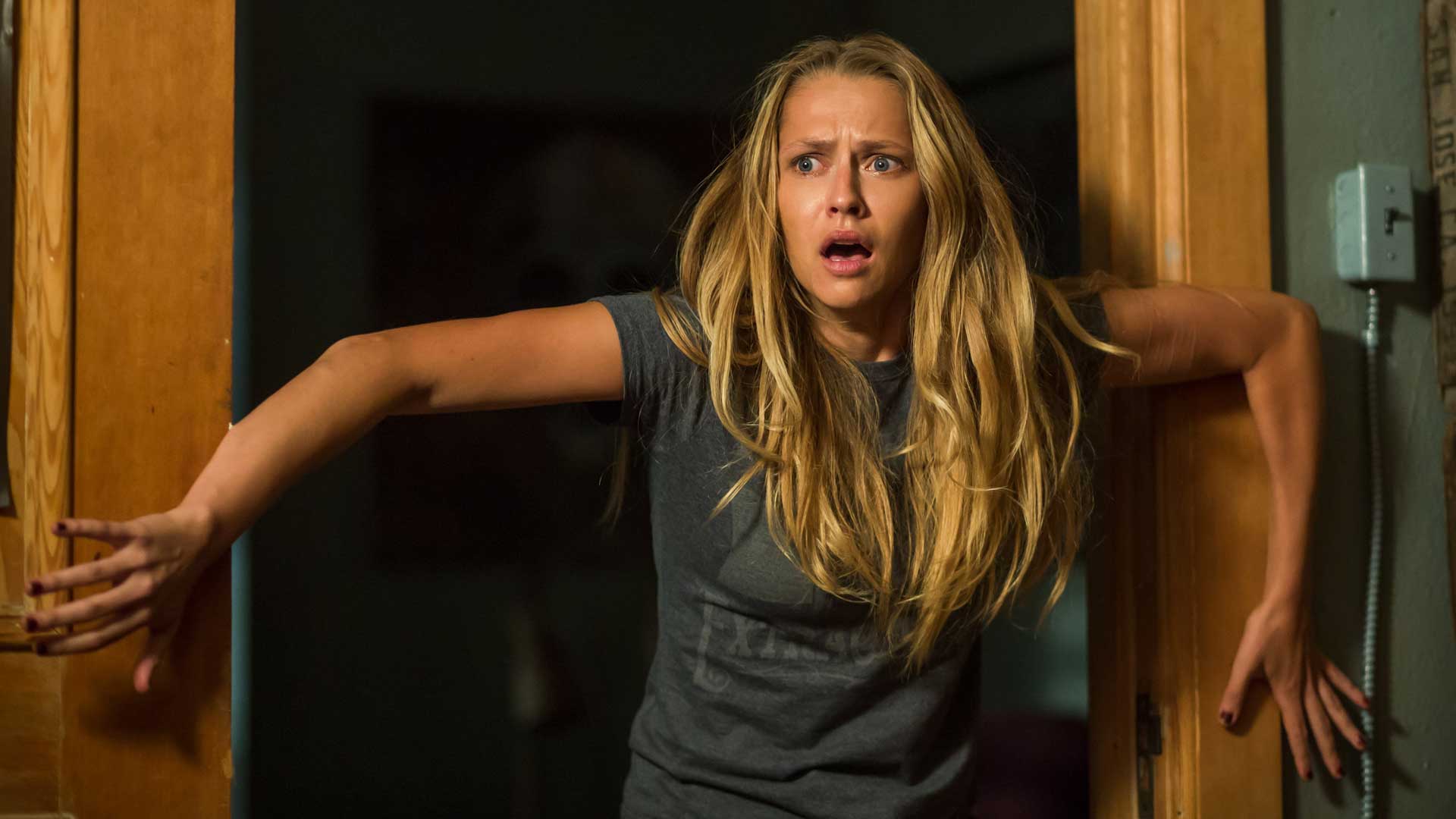
Take the elaborate opening scene in the warehouse at a textile factory, where an employee named Esther (Sandberg’s wife, Lotta, in a cameo appearance) is about to leave as she turns off the overhead lights, only to notice a silhouette in the dark. The tension soon peaks as she frantically flips the light switch on and off before the silhouette suddenly appears closer than before. What makes the scene, along with the rest that follow, genuinely creepy is Sandberg’s insistence on utilizing the low-tech yet highly effective lighting technique for the “lights out” moments.
How Lights Out Turned Depression Into a Horror Metaphor
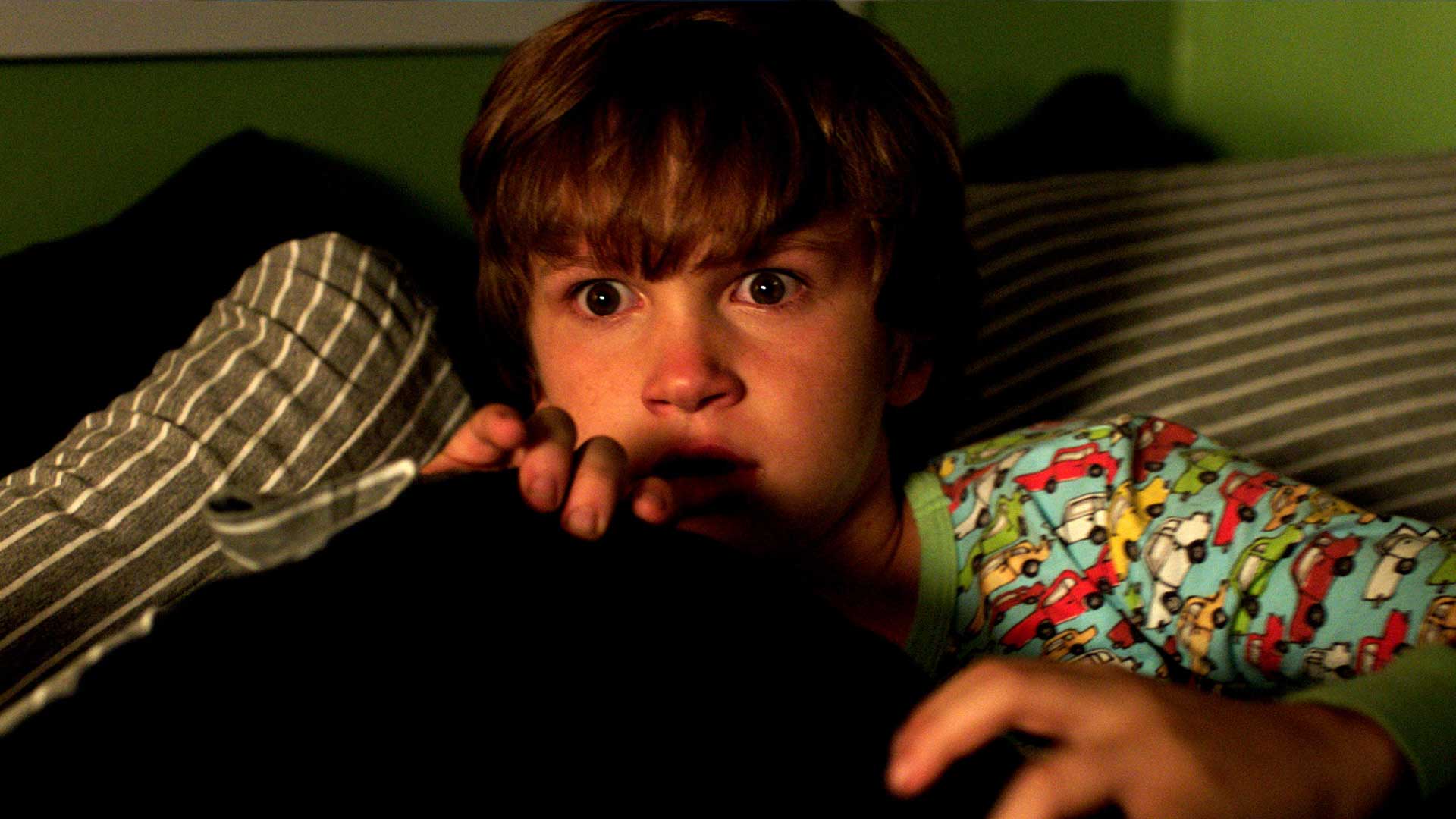
Even the spirit Diana isn’t a CGI creation, but rather performed by stuntwoman Alicia Vela-Bailey in a full-body black suit, making her appearance more visceral. It also helps that Sandberg and cinematographer Marc Spicer shot the dark scenes using a low ISO, allowing the camera to capture inky-black shadows that force us to strain our eyes to make out what the object is.
The movie doesn’t just rely on the concept to feed our primal fear, as Eric Heisserer does a good job of expanding Sandberg’s terrifying idea into a mix of psychological drama that taps into depression and mental illness, as seen in Rebecca and Martin’s mother, Sophie (Maria Bello). Her character’s prolonged clinical depression since childhood, during which she used to be admitted to a psychiatric hospital, has since affected her both emotionally and psychologically. And Diana isn’t merely an entity, but a physical manifestation of depression tied to Sophie’s past.
Lights Out 2: Why the Sequel Finally Has a Writer
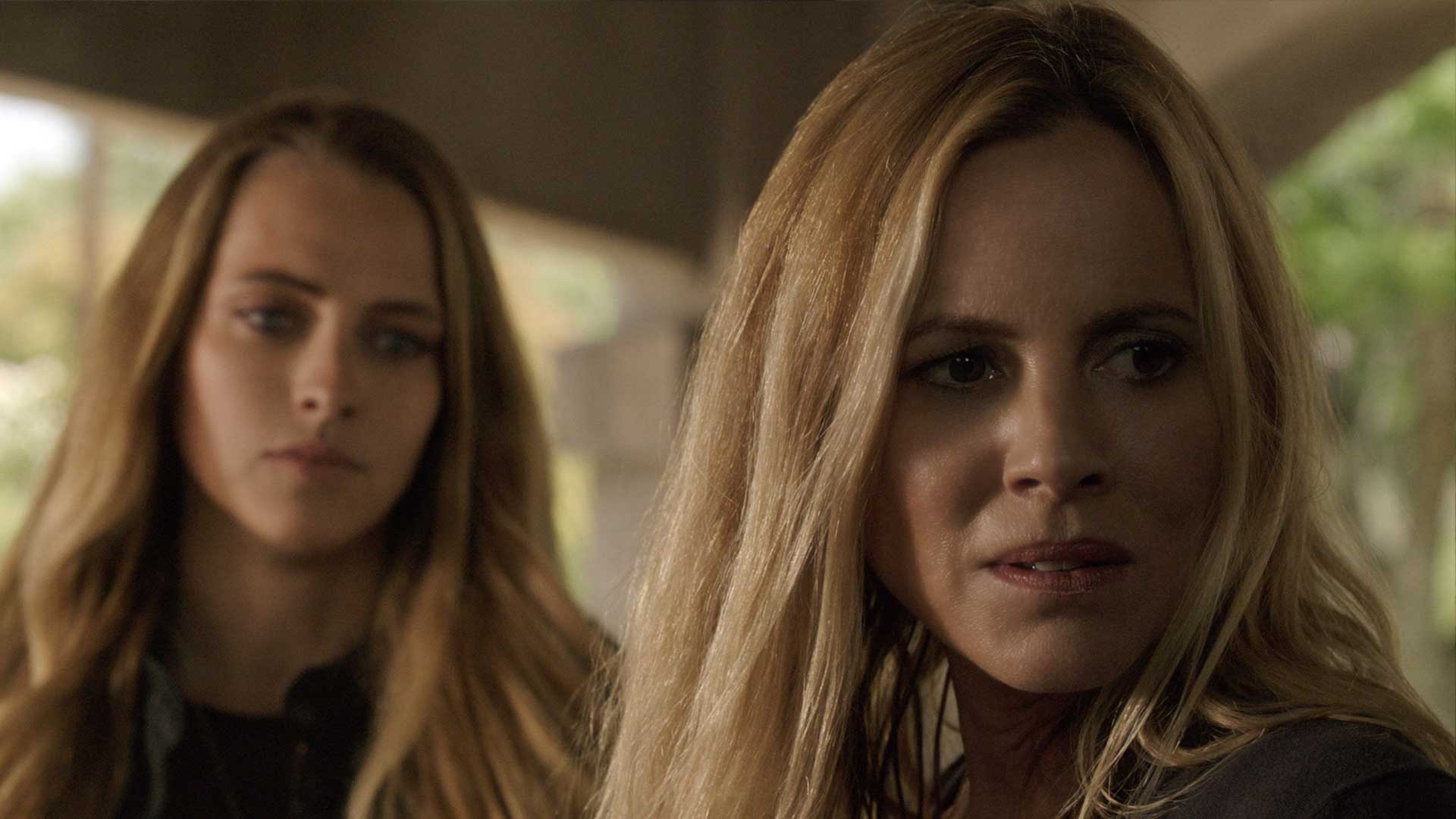
New Line Cinema and Warner Bros. immediately greenlit a sequel following the success of Lights Out, and in an ideal world, we would have gotten it already. Unfortunately, as Sandberg took a quantum leap into making the aforementioned high-profile studio pictures, the long-gestating Lights Out sequel seemingly fell into development hell. It’s not like the proposed sequel was lacking in trying. Sandberg and original writer Eric Heisserer from the first movie took a crack at drafting a follow-up, which would center on the malevolent spirit Diana haunting a new family.
Their script draft even included the original cast, including Rebecca (Teresa Palmer), her half-brother Martin (Gabriel Bateman), and boyfriend Bret (Alexander DiPersia), returning to assist the new family. Unfortunately, the idea was ultimately scrapped since Bateman was no longer a child, as time had passed for way too long.
But interest in the sequel was reignited in March this year when The Hollywood Reporter reported that relative newcomer Connor O. McIntyre, who co-wrote Ben Affleck’s upcoming Netflix crime thriller Animals, was enlisted to write Lights Out 2. At the time of writing, plot details remain unknown, but it will be interesting to see whether the sequel will be a direct continuation or a brand-new story altogether.
For anyone looking to revisit it for the anniversary, Lights Out is currently streaming on Netflix, with digital rental also available on Apple TV, Prime Video, and Google Play.