
Many DC fans believe that the enduring legacy of Superman and Superman II only stems from nostalgia. And yet, judged on their own merits, both movies remain hallmarks of the superhero genre by successfully combining comic-book fantasy with grounded realism, campy humor, and emotional depth that elevate them beyond other popcorn blockbusters. But as Superman II celebrates its 45th anniversary on June 19, 2026, our argument is that Richard Lester’s sequel is actually a better film than Richard Donner’s Superman: The Movie was.
See, although Donner’s Superman became the blueprint for modern superhero cinema, proving that comic book movies could be both cinematic and serious, Superman II actually manages to surpass the original by giving us a sequel that does what the original couldn’t: force our hero to choose between being a man (his personal wants and desires) and being a symbol of hope (his destiny) and put him to the test against three other Kryptonians with the same powers.
Superman II Doesn’t Repeat What Superman: The Movie Already Did
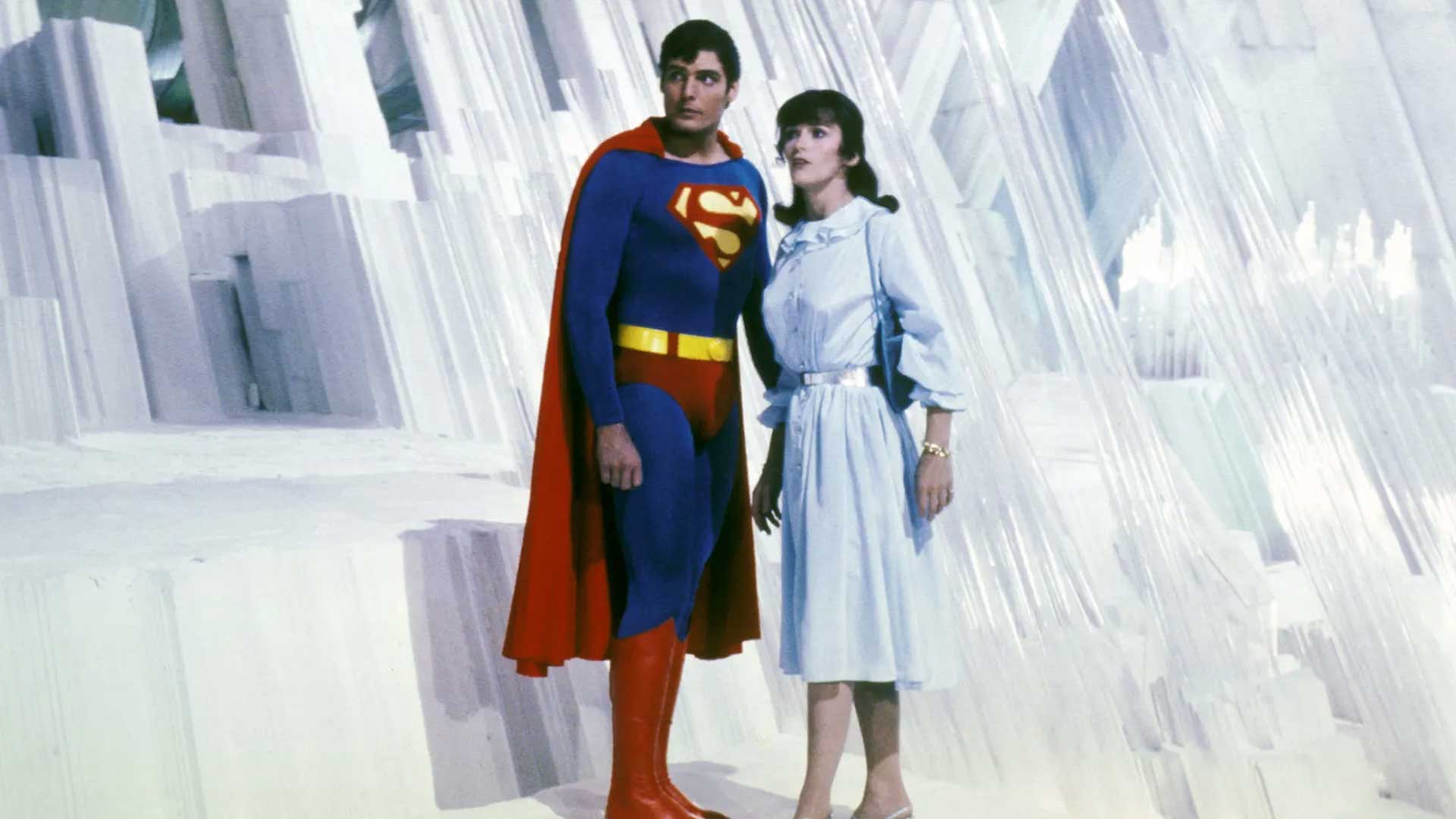
Given the huge success of Superman back in 1978, the filmmakers could have just settled with the “if it ain’t broke, don’t fix it” mentality and transferred whatever worked so well in the original to the sequel. Instead, Superman II wisely avoided the rehashed formula by taking the characters and the story to the next level.
Whereas the first movie charted the course of Clark Kent/Superman’s origin, which understandably took its time to show how it all began, the sequel allows the filmmakers to skip the exposition and worldbuilding in favor of thrusting the narrative forward, beginning with the introduction of not one but three formidable villains previously hinted at in the original.
General Zod Makes Lex Luthor Look Like a Minor Threat
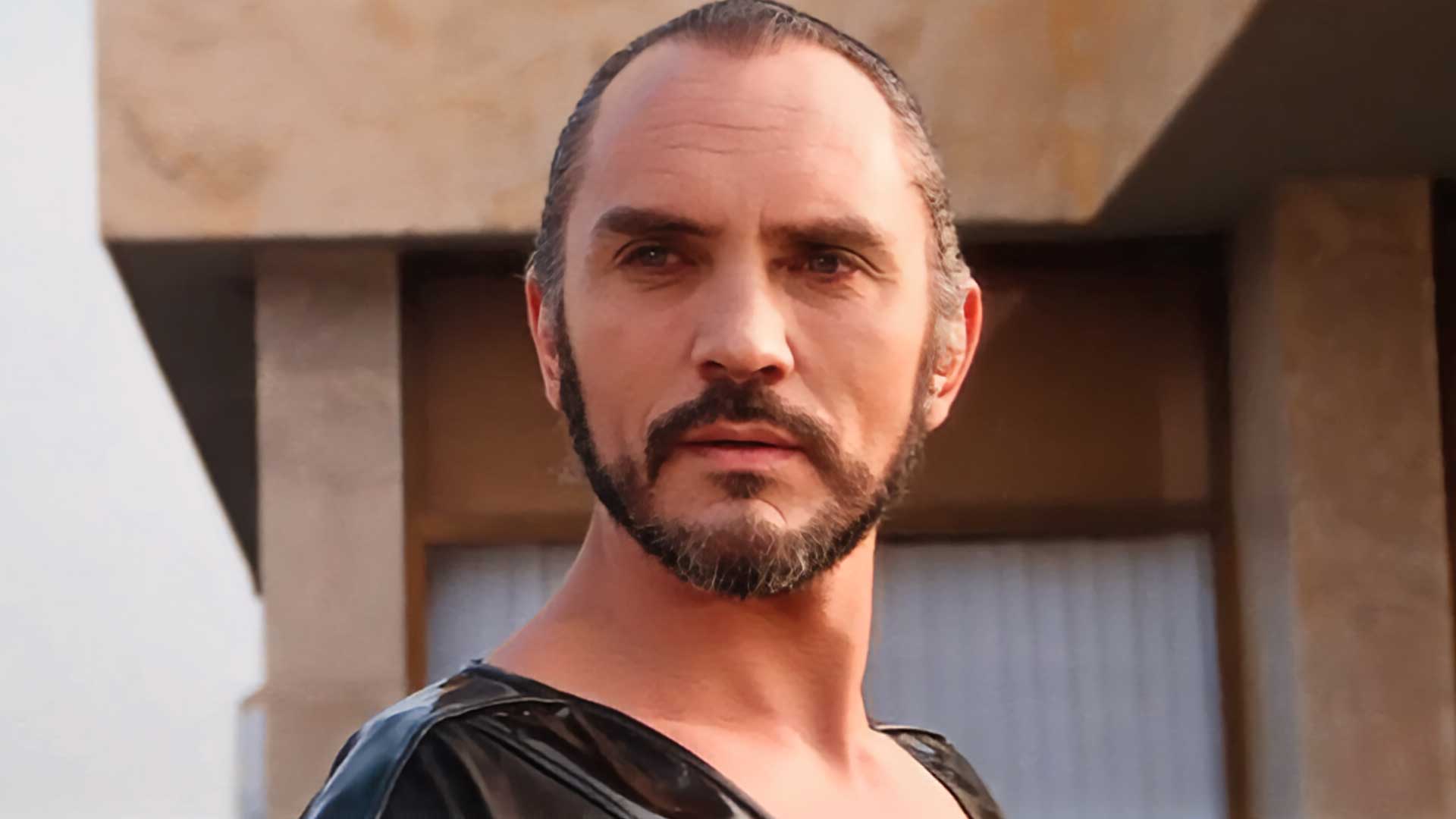
The villains in Superman II are General Zod (Terence Stamp), his second-in-command, Ursa (Sarah Douglas), and the mute Non (Jack O’Halloran) – three Kryptonians who are found guilty of treason and sentenced to eternal banishment in the confines of the Phantom Zone. It’s not until a massive shockwave from a hydrogen bomb being hurled far away into deep space by Superman (Christopher Reeve), following the opening Eiffel Tower terrorist attack, that the mirror-like Phantom Zone is shattered into pieces and sets them free. They also then gain Superman-like superpowers after exposure to the yellow sun’s radiation.
The three show no mercy, as seen from their remorseless killing of the astronauts on the moon. What follows is their conquest of planet Earth, knowing that human beings are no match for their unstoppable forces. While Douglas and O’Halloran bring solid support to their antagonist characters, it was Terence Stamp who stole the show as General Zod. Instead of resorting to an over-the-top villain, he plays his iconic role with a cold yet calculating, almost Shakespearean, demeanor, viewing the human race as pests rather than compassionate beings.
Stamp also uses his classically trained acting background to his advantage. This is especially true with his deliberate body language and posture, exuding an arrogant god-like presence, even delivering one of the franchise’s most iconic lines: “Kneel before Zod!” The late actor, who died in August 2025 at age 87, often spoke fondly of his time as Zod. “I can’t go out on the street in London without somebody saying, ‘It’s Zod!’ It’s fun for me,” he once said in an interview.
These three villains’ utter cruelty and tyrannical acts serve as a perfect foil for Superman, contrasting with the latter’s more restrained, empathetic, and dutiful view. Their equally matched superpowers with Superman make them more intimidating than the first movie’s Lex Luthor (Gene Hackman), who also returned in the sequel, shifting from a major antagonist to a secondary villain. In Superman II, Lex takes advantage of the situation to manipulate General Zod and his lieutenants, using his knowledge and negotiation skills to broker a deal for Australia.
The Metropolis Battle Is One of the Greatest Action Sequences in Superhero History
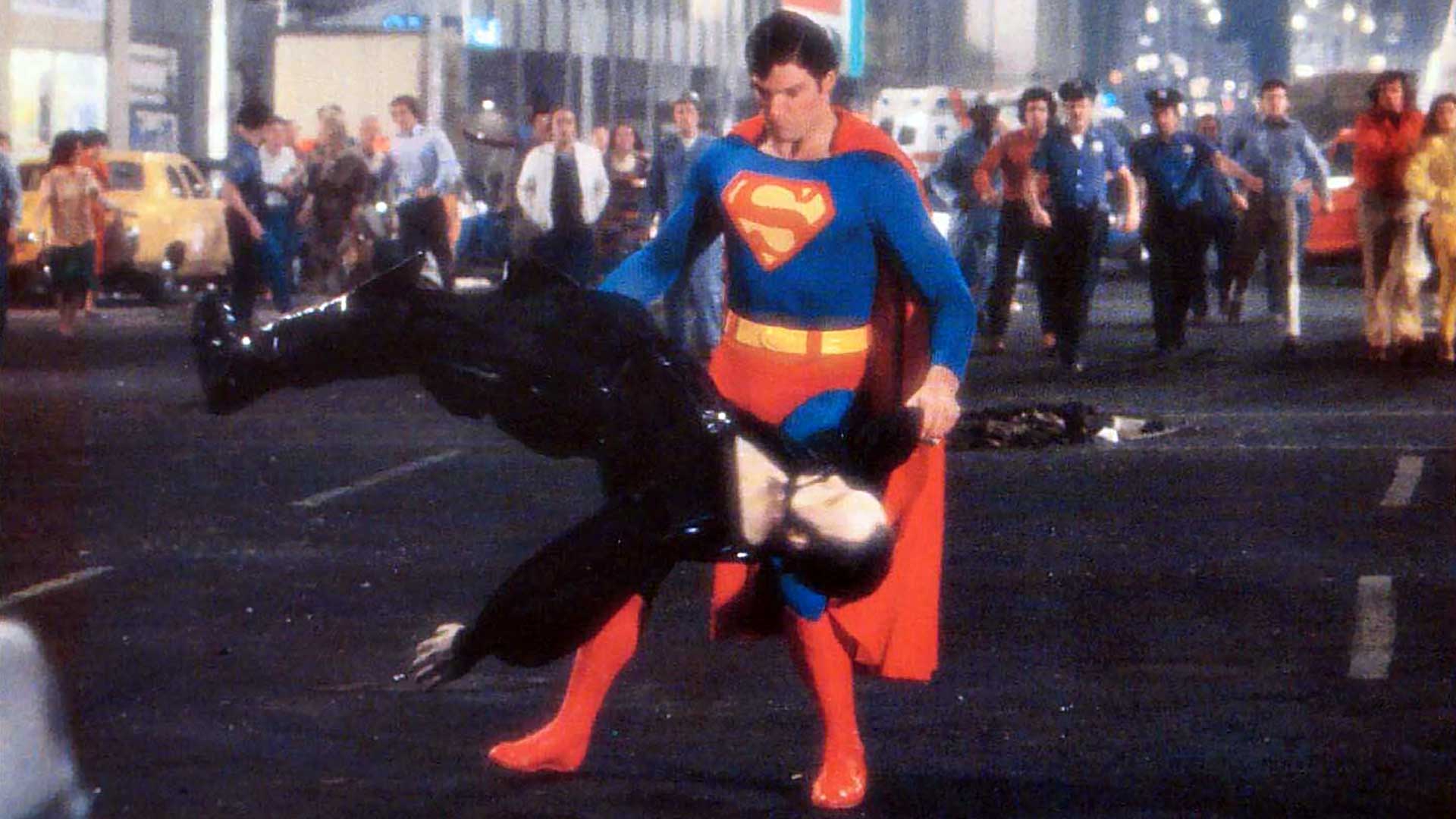
The encounter between Superman and General Zod, Ursa, and Non leads to the sequel’s thrilling third act – a showdown in the middle of Metropolis. Superman battles General Zod and his lieutenants from mid-air to the streets, even at one point, below the ground. From using superpowers against each other to weaponizing city properties, the fight is expertly staged – like the pages from a comic book come to life.
Keep in mind that CGI was not an option in the ’80s, as director Richard Lester and his special effects crew relied on the complex combination of a front-projection system, wirework, crane-assisted choreography, and detailed miniature models to pull it all off. The result is a battle that feels completely immersive, and what’s even more amazing is that the entire scene was filmed on the huge soundstage and backlot (the Pinewood Studios in England), which was integrated with the real-world New York footage.
Christopher Reeve himself spoke highly about his experience on the Superman II set: “The strong wind blowing the cars around, from the three baddies with their super breath, that was all staged by Richard Lester. And it had an element of humor to it, so it was fun for us to think of gags.”
Despite it being 45 years since its initial US release on June 19, 1981, the Metropolis brawl between the Man of Steel and the three Kryptonian villains in Superman II still holds up well, even today.
Christopher Reeve’s Performance in Superman II Is His Greatest as the Man of Steel
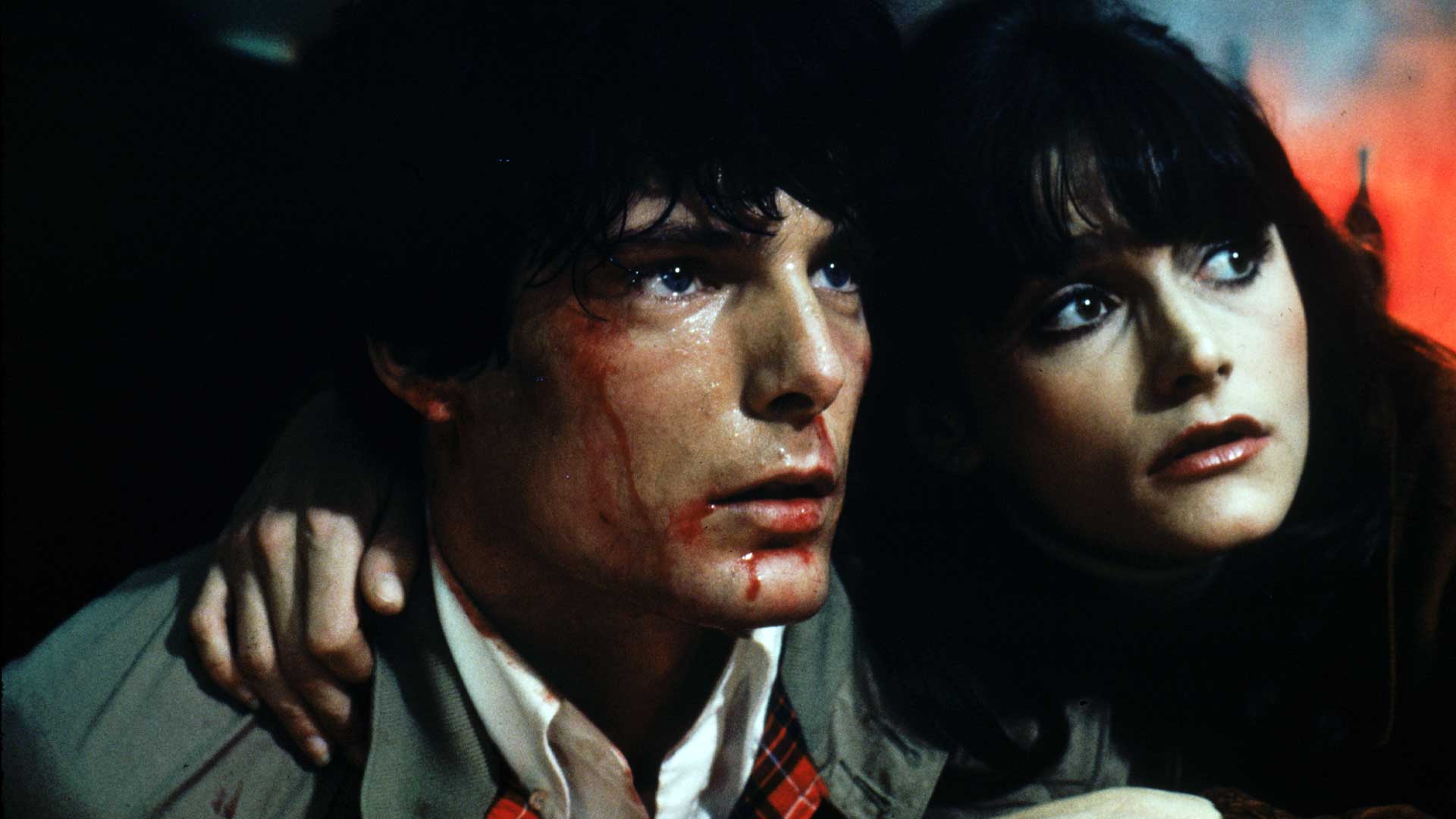
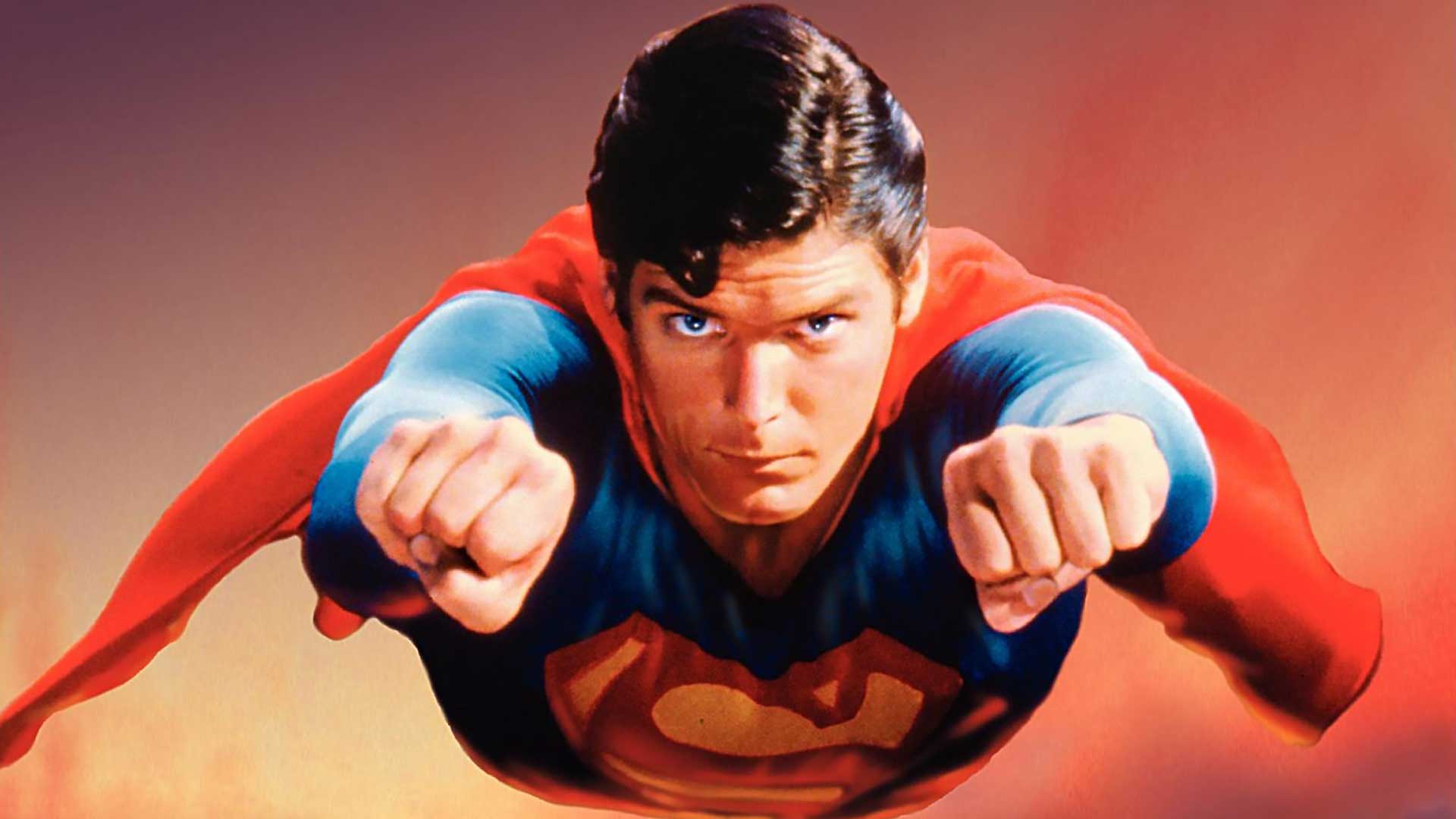
Like the first film, one of the greatest strengths in Superman II lies in Christopher Reeve’s performance as Clark Kent/Superman. In the first movie, he came across as a god-level superhero who secretly balanced a meek-like personality as Clark Kent, who learned the way of human life from his adoptive human parents, Jonathan and Martha Kent (Glenn Ford, Phyllis Thaxter). In the second film, we see more of him as Superman, wrestling with his destiny and his own personal desires, which include a relationship with Lois Lane (Margot Kidder) – after she learns about his real identity. As such, we finally get a glimpse of who Superman actually is with and without the powers.
Richard Donner’s 1978 original culminated in an emotional finale as the grief-stricken Superman chose to defy Jor-El’s (Marlon Brando) teaching not to intervene in human history. He flies around the Earth to reverse time in order to revive Lois after she dies from the nuclear missile-triggered earthquake.
Although the sequel still sees Superman continue to fulfil his duty saving humanity (like in the Eiffel Tower scene), he ultimately makes a sacrifice in willingly surrendering his superpowers to live a mortal life as a normal human after stepping into a red solar chamber in the Fortress of Solitude.
The scenes where he becomes powerless showcase Reeve’s acting abilities. We see so much emotional vulnerability during the iconic diner scene when he fails to stand up against the bully (played by professional wrestler-turned-actor Pepper Martin). In fact, it’s easily one of the best scenes in Superman II.
As Reeve himself put it: “What makes Superman a hero is not that he has power, but that he has the wisdom and the maturity to use the power wisely.” That’s what Superman II dramatises so effectively, and what the first film never had the narrative room to explore.
His decision to trade his power for fulfilling personal needs comes with a heavy consequence, of course. It leaves Earth both defenseless and vulnerable to cosmic threats. Ultimately, it coincides with the arrival of General Zod, Ursa, and Non. Realizing he’s made a mistake by neglecting his duty, Kal-El must now somehow get his powers back and once again embrace his destiny as Superman. And all of this makes his heroic comeback in the third act of Superman II significantly impactful.
Richard Lester Balances the Grounding and Fantastical Comic-Book Elements With a Comedic Touch
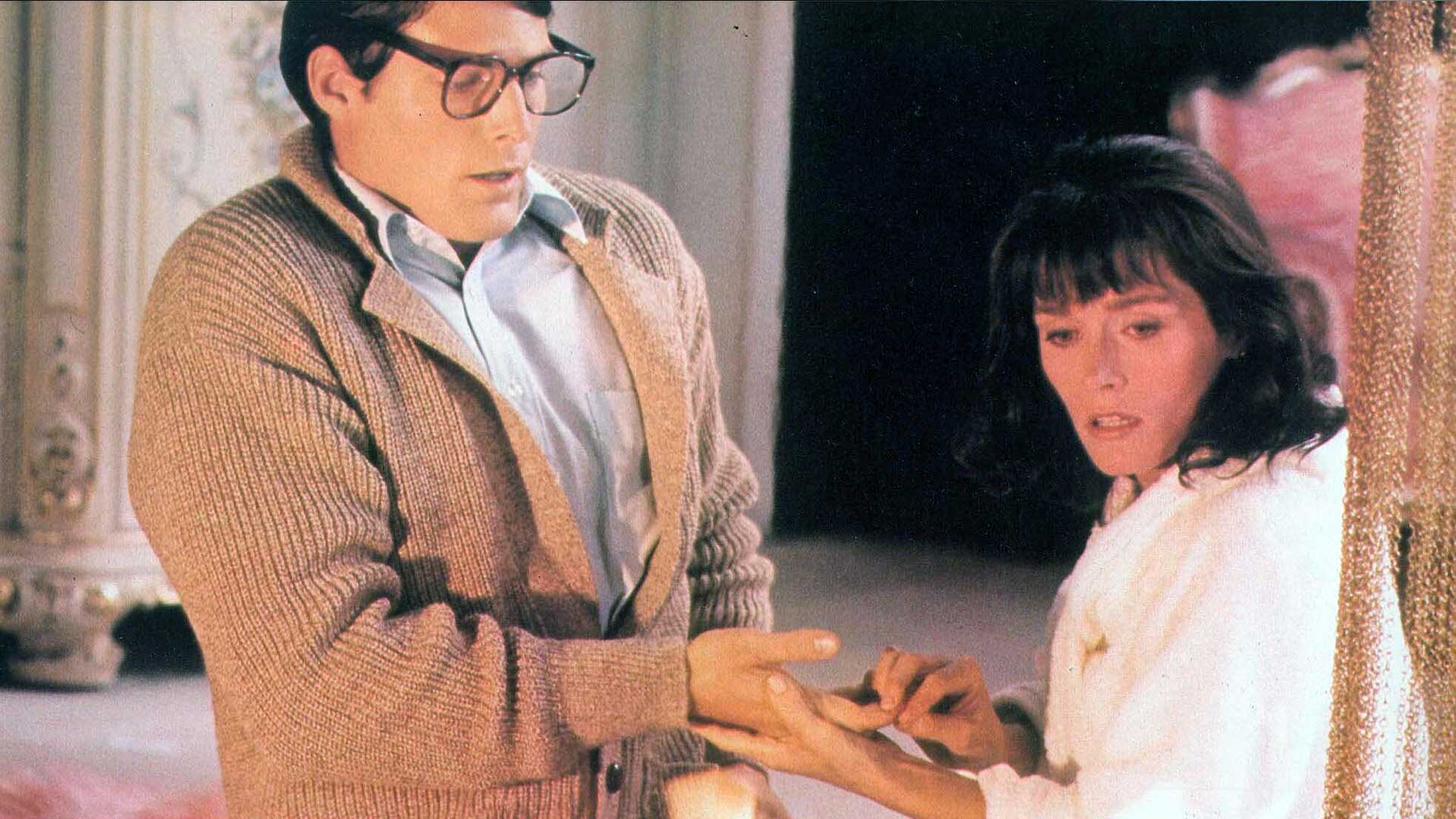
In 2006, Richard Donner, who originally directed Superman II before he got fired midway through production over creative differences and budget overruns, released his own director’s cut called Superman II: The Richard Donner Cut. His version not only restored Marlon Brando’s role as Jor-El in the sequel, but the film also cut Richard Lester’s added comedy in the edit in favor of a much more serious tone. Either way, I enjoy both Lester’s theatrical cut and Donner’s revised version – even though they are very different.
Looking solely at Lester’s take on Superman II, his brand of campy humor actually works well to balance the sequel’s apocalyptic dread. His comedic sensibilities also help the film channel the look and feel of the Silver Age era of comic books, mixing it with sci-fi elements, as we see in the sequences with Zod. Even the famous amnesia kiss (Clark’s way to erase Lois Lane’s memory) at the end of the movie doesn’t feel out of place here.
Superman II also marked the last time the Christopher Reeve era reigned supreme at the box office, grossing over $216 million worldwide. The next two Superman movies, however, creatively and financially nosedived. Neither Superman III nor Superman IV: The Quest for Peace replicated the critical and financial success of the first two movies.
The Case for Superman II Over Superman: The Movie
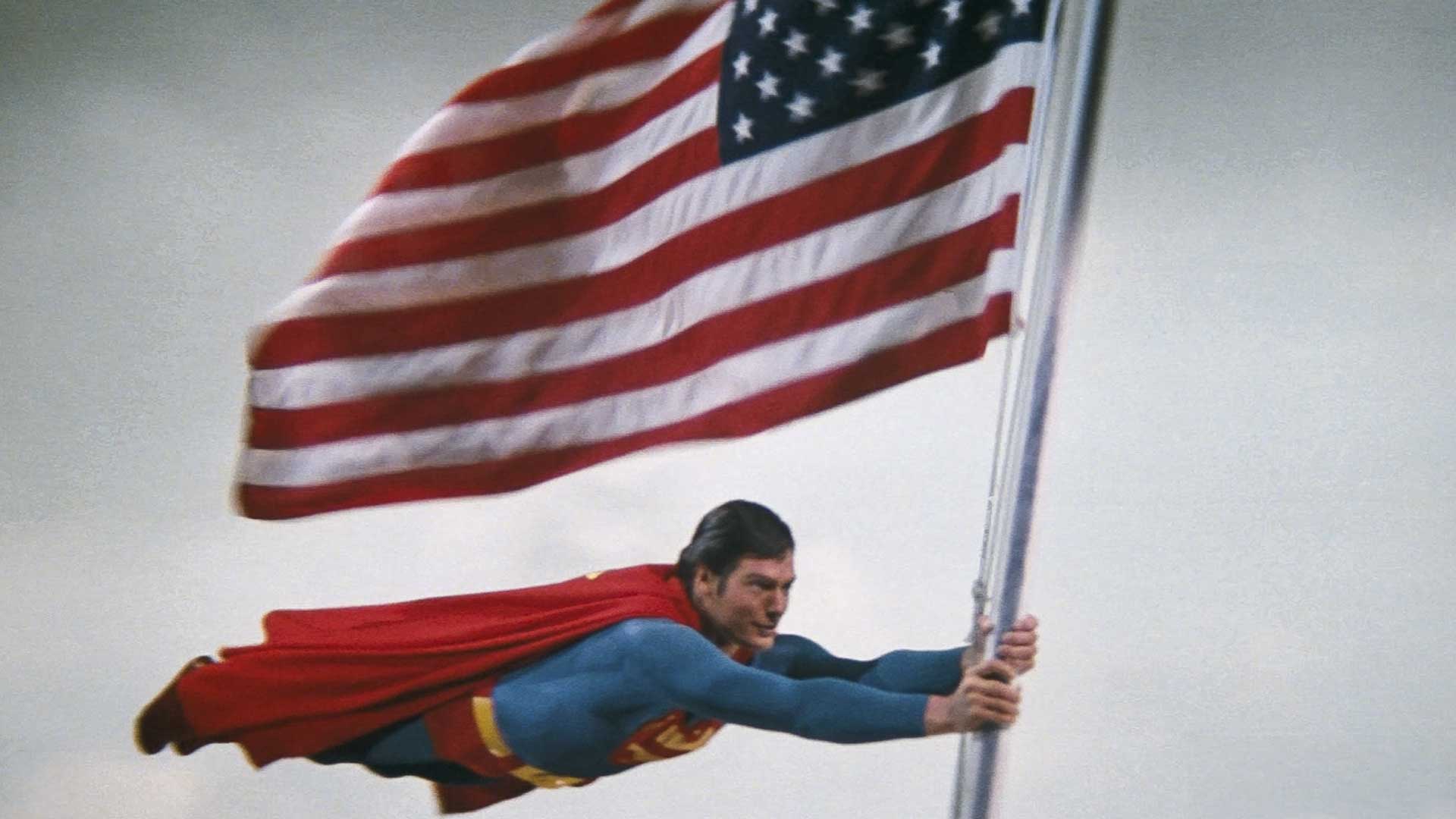
What ultimately places Superman II above Donner’s original comes down to three things. One, the film gave us deeper insight into Superman as a person, his struggles with his own wants and desires and his destiny. Two, it gave Superman a real challenge. He fought three Kryptonian beings and proved that it wasn’t just his powers that made him Superman. Three, it answered an important question: What happens to the world when Kal-El stops being Superman? The answer to that question actually drives a film that goes much deeper emotionally than its predecessor. The film demands an answer from Superman. And he gives it. That’s precisely what makes Superman II not just good, but greater than Superman: The Movie.
RELATED: Christopher Reeve Almost Returned for a Superman Movie Where Lois Lane Got Pregnant With His Soul