
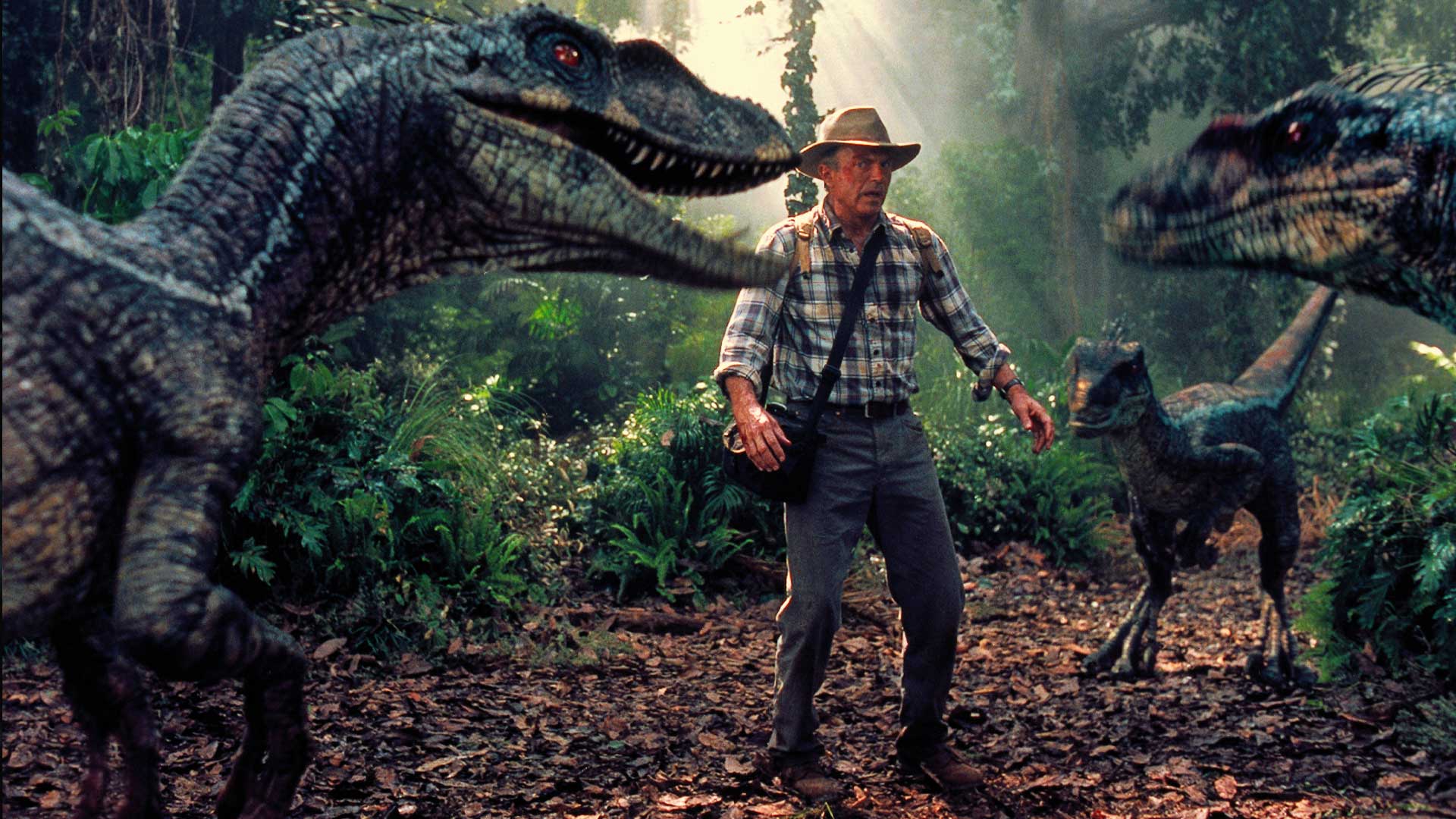


After the successes of Steven Spielberg’s Jurassic Park (1993) and The Lost World: Jurassic Park (1997), even though the latter was met with mixed reviews, you might think a third installment wouldn’t have a problem getting off the ground. But even though Universal Pictures didn’t waste any time announcing Jurassic Park III a year later, getting the third movie to the big screen proved every bit as perilous as surviving one of Isla Sorna’s deadly dinosaurs.
Looking back at Jurassic Park III twenty-five years later, it’s still hard to believe how the once-dominant franchise suffered such a significant dip, both creatively and financially. The latter can be seen in the third movie’s worldwide total of $368.7 million, despite generating almost four times its $93 million production budget. Although it made a healthy profit, Jurassic Park III‘s overall box office result was a far cry from Jurassic Park‘s $978.1 million and The Lost World: Jurassic Park‘s $618.6 million grosses.
Why Spielberg Handed the Franchise to His Friend Joe Johnston
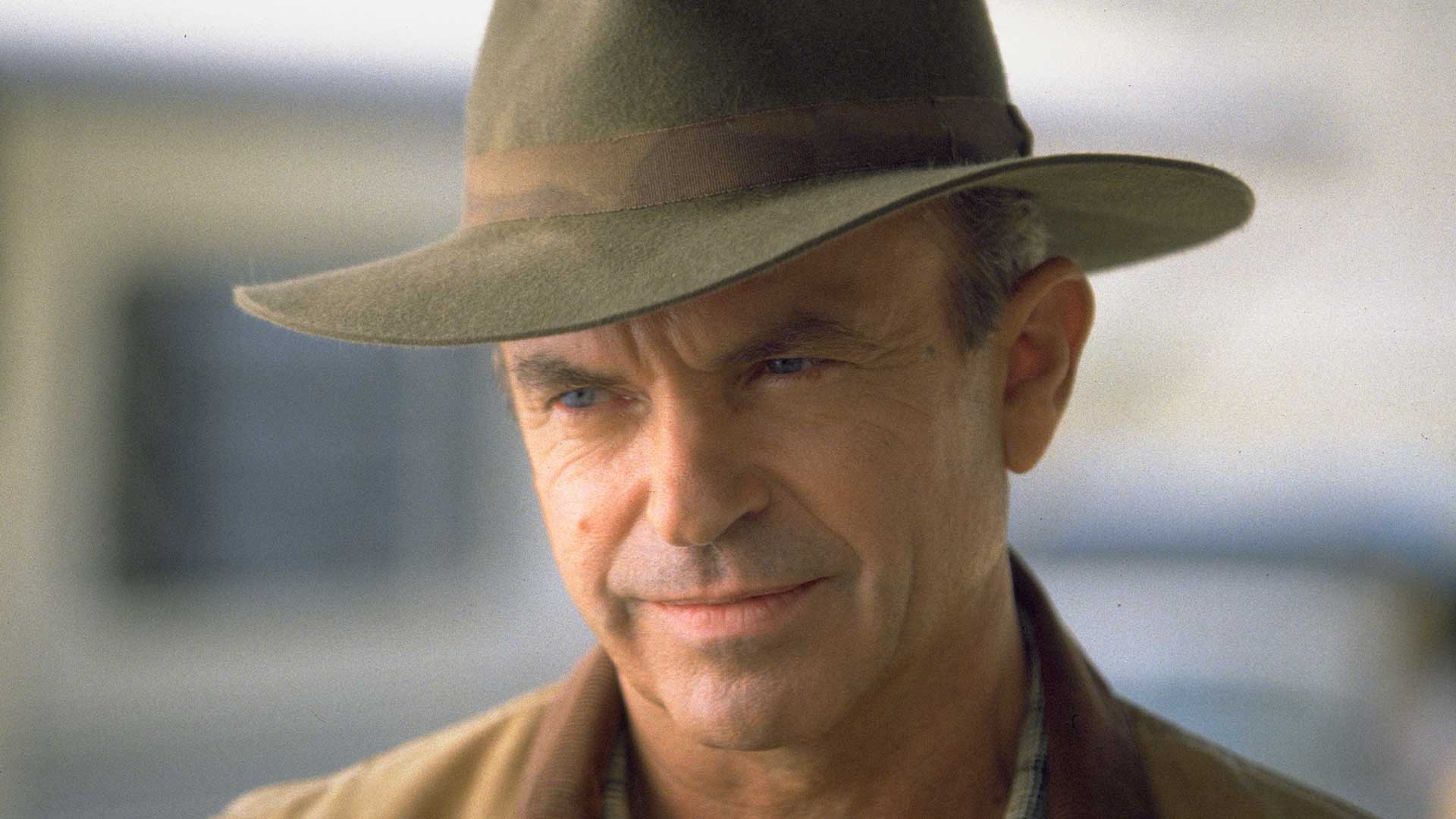
Apparently, Steven Spielberg suffered from burnout after directing two Jurassic Park movies, figuring he had done everything he could with the franchise. He eventually handed the reins over to his close friend, Joe Johnston, honouring a pact they had made should Universal Pictures greenlight a third Jurassic Park movie. Although this may sound like favouritism, Spielberg believed Johnston was the right man for the job, especially given his extensive experience working with Spielberg and George Lucas as a visual effects artist and art director – this included the original Star Wars trilogy and the first two Indiana Jones movies, where Johnston won an Oscar for Best Visual Effects for Raiders of the Lost Ark.
Johnston also had several directing credits under his belt, ranging from his memorable 1989 debut, Honey, I Shrunk the Kids, to the nostalgic cult classic The Rocketeer and the wildly popular Jumanji. But Jurassic Park III struggled to get off the ground because the writers simply couldn’t nail the right script. It all began in early 1999 when screenwriter Craig Rosenberg came up with his first draft, centring on a group of teenagers trapped on Isla Sorna. Johnston wasn’t keen on it and rejected Rosenberg’s draft.
The next person to take a crack at drafting a Jurassic Park III story was Peter Buchman, whose version followed two missing tourists somewhere off the coast of Costa Rica. Dr. Alan Grant (Sam Neill) would eventually become involved in investigating dinosaurs roaming the mainland. Universal liked Buchman’s concept enough to spend $18 million on pre-production.
For a while, everything from the storyboards to the sets was in place, making it seem as though the production was finally ready to go. But five weeks before filming was due to begin, Johnston and executive producer Spielberg reviewed Buchman’s entire script, found it overly convoluted, and decided to scrap it. Normally, a decision that big would have meant delaying production until a script was locked in again, but Universal had already set a July 2001 release date. So, a delay was completely out of the question, leaving Johnston with no choice but to push forward and find a way to make it work.
A Grueling Production Shot Without a Finished Script
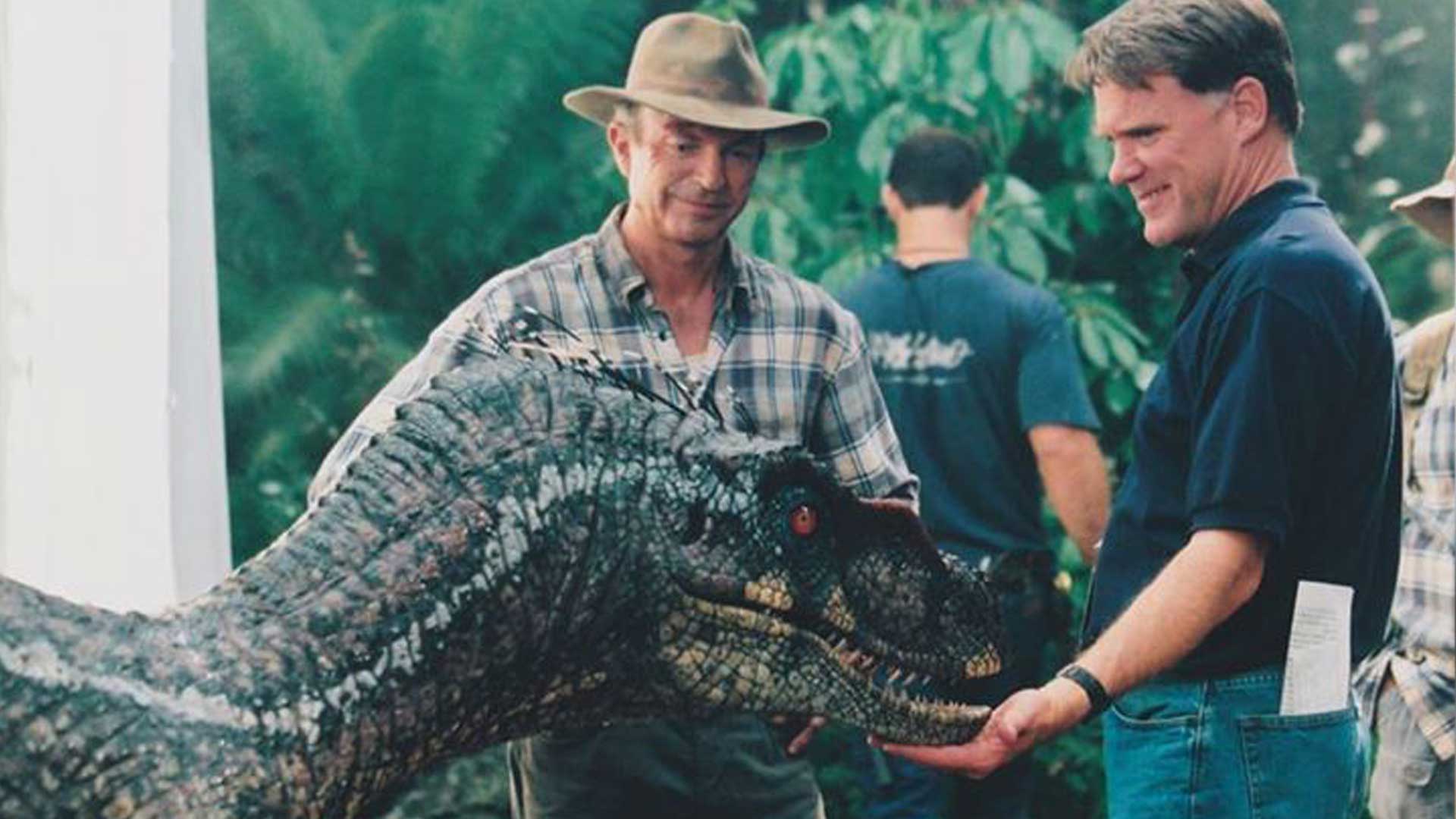
Time was running out, and David Koepp, who had written the first two Jurassic Park movies, came to assist. He suggested rewriting the story into a rescue mission. This led Universal to bring in Alexander Payne and Jim Taylor, best known for their collaborative work on Election, for a last-minute rewrite. Unsurprisingly, the script for Jurassic Park III became a mishmash of ideas, and, unfortunately, none of them was fully completed.
By late August 2000, principal photography had already begun in Oahu, Hawaii, and the actors (particularly William H. Macy, who played Paul Kirby) had to endure a very troubled production. This was especially evident in the constantly revised script pages that were handed to the actors every morning. And if that wasn’t enough, Jurassic Park III still had no proper ending, forcing Johnston and his crew to throw together the abrupt beach rescue sequence because they lacked the budget to film any of the three proposed action-heavy finales.
One of the proposed endings included a sequence featuring the Spinosaurus battling a pack of Velociraptors, which proved too CGI-intensive. Another idea involved the Spinosaurus fighting the U.S. military. And a third featured a mid-air assault between the Pteranodons and military rescue helicopters. All those ideas were ultimately abandoned. In the end, it took an arduous five-month shoot before production finally wrapped in January 2001.
But the editing room was a mess. Robert Dalva faced the uphill task of shaping what was essentially a Frankenstein’s monster. The editor had to stitch together all the confusing footage into a coherent narrative. The result was a shorter-than-expected 92-minute movie, unlike the first two films, which both ran for more than two hours.
Was Jurassic Park III Actually That Bad?
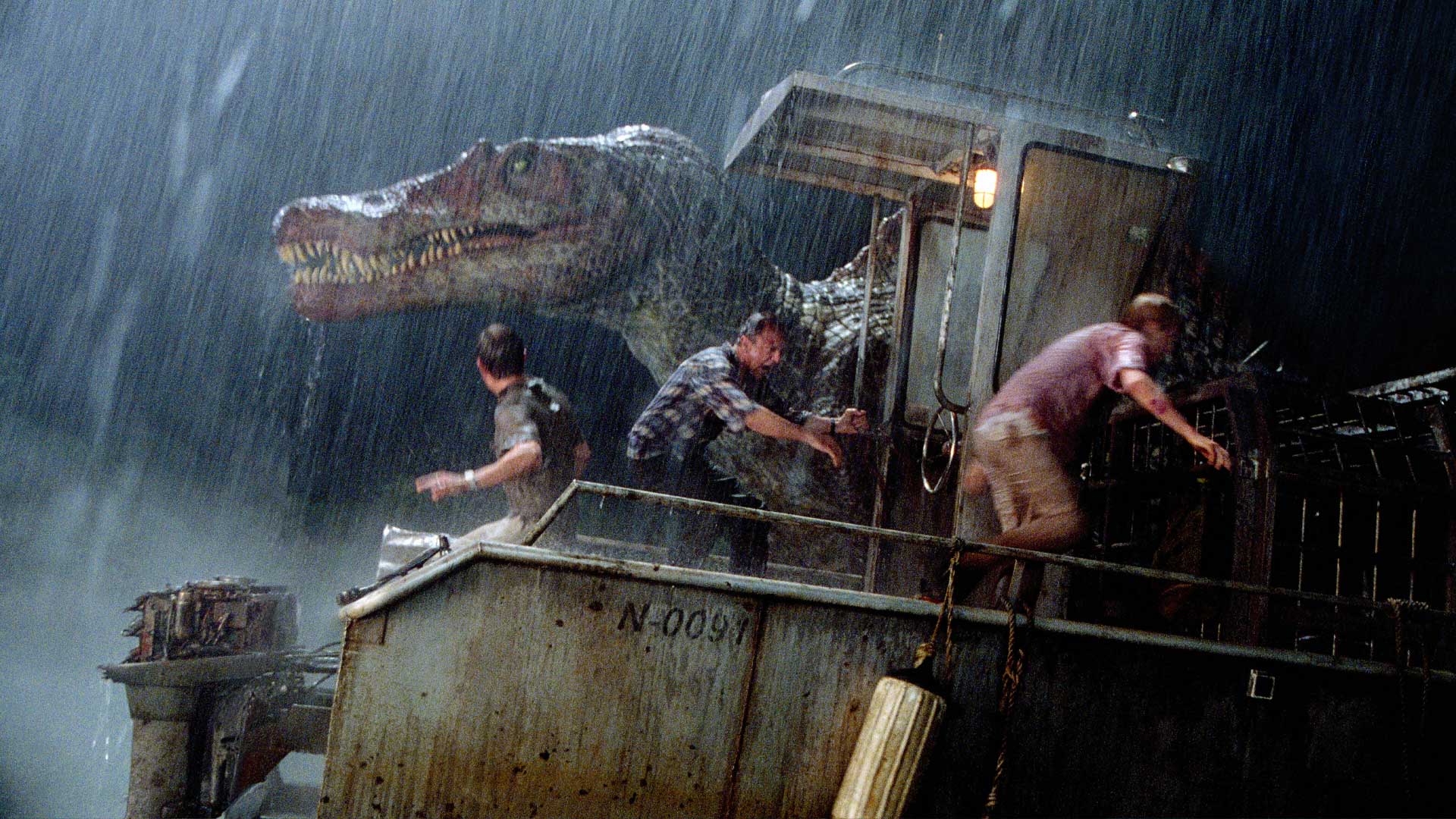
Despite Johnston giving it his all and doing everything he could to salvage Jurassic Park III, it just didn’t work. From Dr. Alan Grant’s bizarre, awkwardly misplaced talking-raptor dream sequence to the often-annoying side characters played by William H. Macy and Téa Leoni, the third installment was all over the place.
But it wasn’t all bad. The film’s lean pace allows it to move relentlessly from one set piece to the next. It also features a few genuinely thrilling action sequences, most notably the aviary encounter with the Pteranodons.
Credit should also go to Stan Winston and his team for their impressive practical effects, particularly the enormous animatronic Spinosaurus. Even though the introduction of the dinosaur (and its infamous victory over the T. rex) sparked significant fan backlash, the creature remains one of the movie’s greatest technical achievements.
Interestingly, despite everything that happened during Jurassic Park III‘s troubled production, it didn’t stop Universal from greenlighting Jurassic Park IV, even targeting a summer 2005 release. The premise saw William Monahan and John Sayles develop a wildly radical pitch involving genetically modified dinosaur-human hybrids, specifically using Deinonychus DNA to create military super soldiers. Unsurprisingly, the concept never came to fruition, as it strayed far too far from what audiences expected from a Jurassic Park movie.
The franchise would then remain dormant until Colin Trevorrow revived it with Jurassic World in 2015, which went on to smash box office records upon its release.
Considering the production was making up large portions of the movie as it went along, it’s remarkable that Jurassic Park III turned out as entertaining as it did – and perhaps even more remarkable that audiences are finally giving it the appreciation it deserves, twenty-five years on and just days after the world lost Sam Neill, the man who made Alan Grant worth rooting for through all of it.”
Where to watch Jurassic Park III: