
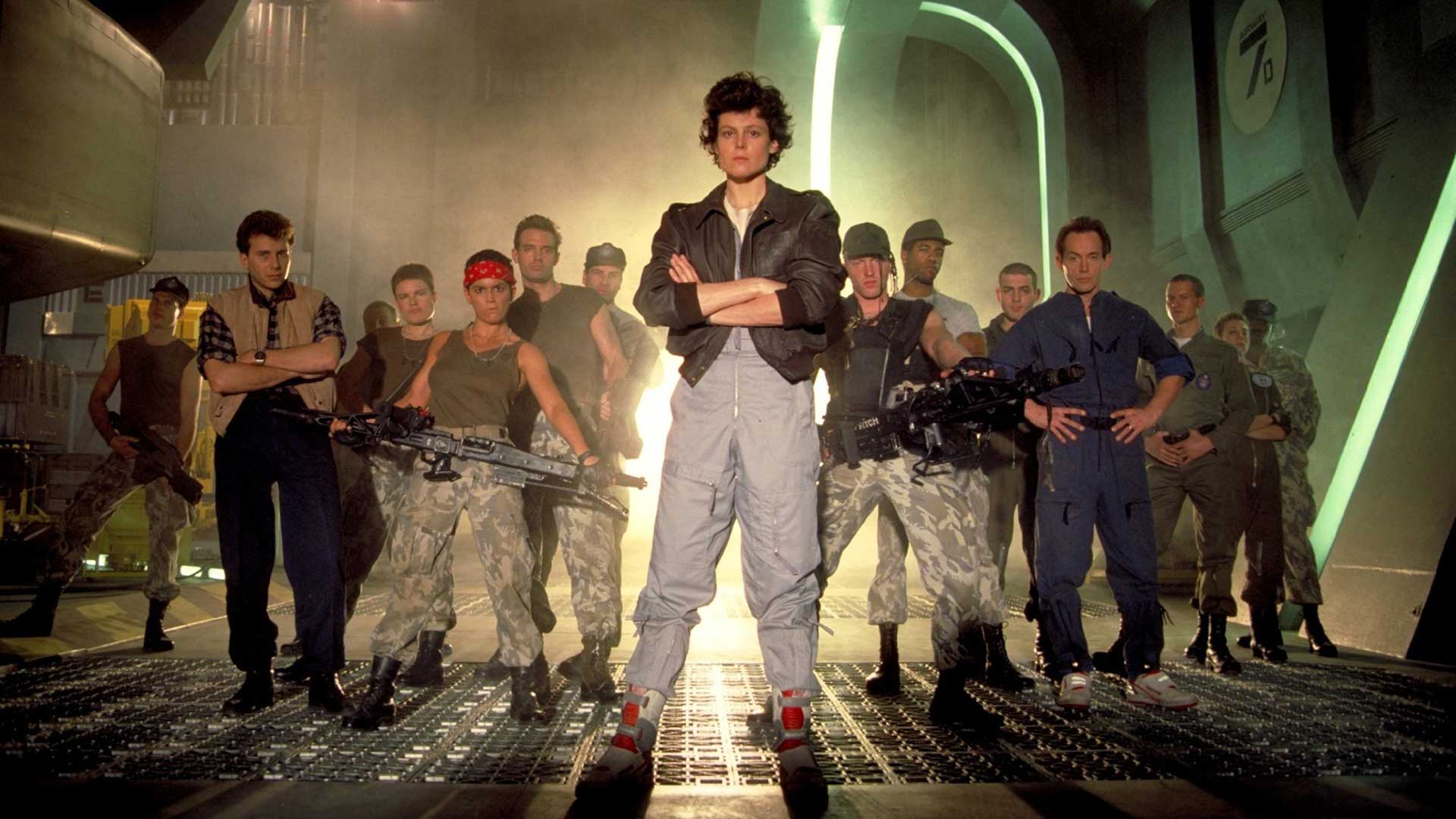


Aliens is one of the best movies in the decades-long Alien franchise, even ranking among the greatest sequels ever made. Released at the height of summer in 1986 on July 18, the sequel opened with $10 million during its first three days at the US box office – a measly number that would be instantly labelled an outright flop by today’s standards, especially for a major film franchise like Alien.
But 1986 was a different era altogether, as Aliens carried only an $18.5 million budget, meaning the sequel had already covered over half its production cost. The movie even toppled The Karate Kid Part II, which had been sitting atop the domestic box office for four consecutive weekends.
Aliens maintained a firm grip on the No. 1 spot for four weekends straight, beating high-profile releases including the Meryl Streep and Jack Nicholson-led romantic comedy Heartburn and the superhero comedy Howard the Duck, both of which underperformed throughout the summer of 1986. By the end of its theatrical run, Aliens outgrossed Alien’s $78.9 million by earning $85.1 million domestically, and it went on to accumulate $131 million worldwide.
Why Aliens Refused to Just Copy the Original
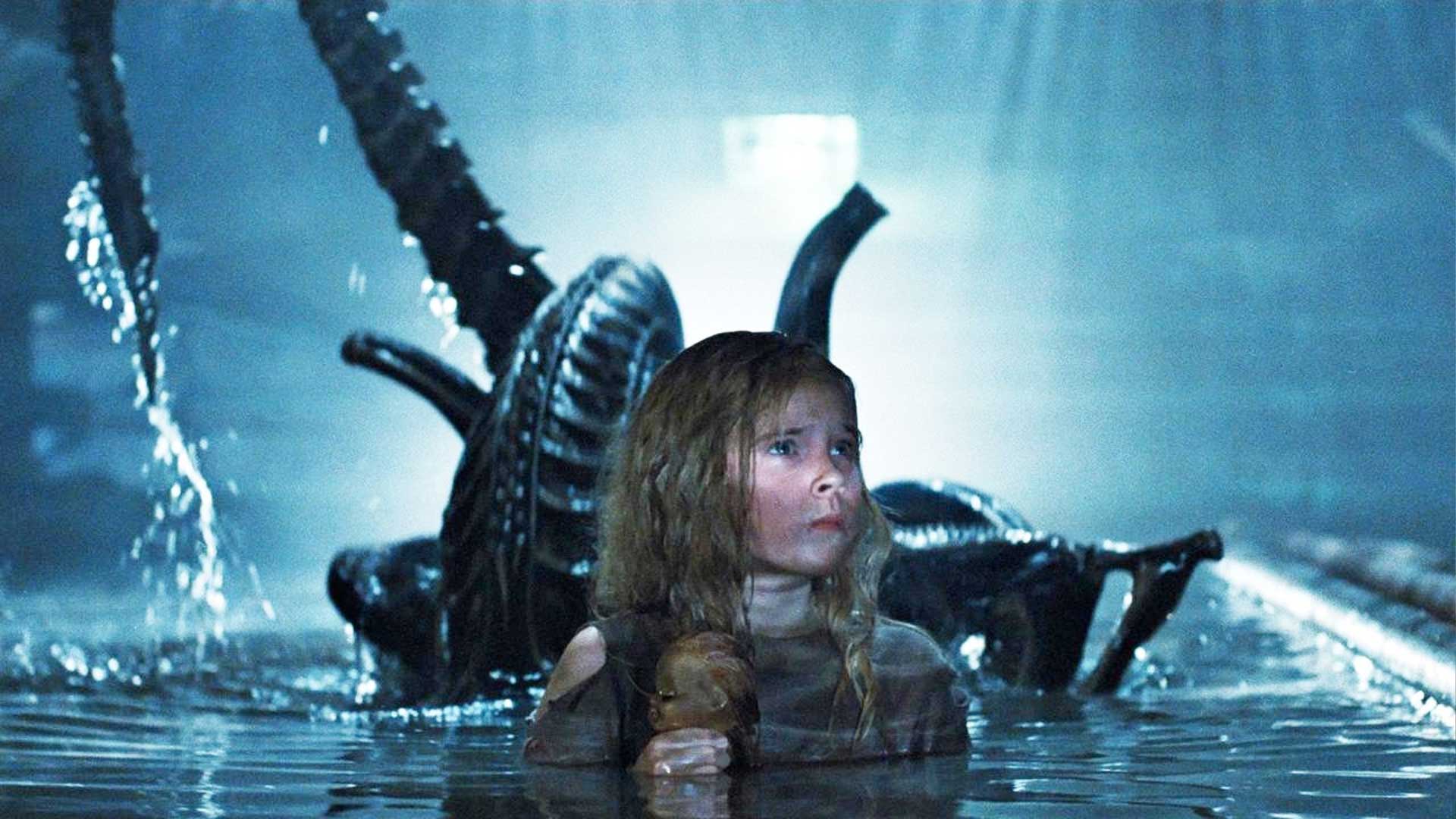
Sequels like Jaws 2 and Airplane II: The Sequel, released in 1978 and 1982, suffered mixed reviews and lacklustre box-office performances. The reason? Both movies tried to replicate the success of their respective predecessors by repeating the same formula without offering anything significantly new. But Aliens was in a different league altogether, as producers David Giler and Walter Hill from Ridley Scott’s 1979 original weren’t interested in rehashing the same “haunted house in space” formula, instead pushing for something radically different.
And yet, despite the critical and financial success of Alien, the road to the sequel underwent several setbacks along the way. It all began when Brandywine Productions – the company under the stewardship of Walter Hill, David Giler, and Gordon Carroll – approached 20th Century Fox to demand an immediate sequel, despite not having a script or treatment. Then-studio head Alan Ladd Jr. fully supported the idea, only for things not to go as planned. This became especially true after Ladd Jr. abruptly resigned from his post following a heated corporate strategy disagreement with Fox chairman Dennis Stanfill.
Ladd Jr.’s sudden exit led to the project being put on hold. Things got even worse when an influx of Alien-like rip-offs, ranging from the Italian-made Alien 2: On Earth and Contamination (both released in 1980) to Roger Corman-produced Galaxy of Terror (1981) and Klaus Kinski-starring Creature (1985), flooded the market.
Norman Levy, who took over Ladd Jr.’s position, wasn’t convinced that a sequel to Alien would reap profits for the studio, especially given the oversaturation of similar sci-fi horror movies. He even worried that greenlighting the sequel would require a significant budget for extensive production design and special effects.
How James Cameron Landed the Aliens Directing Job
Then came Brandywine Productions’ legal dispute over the studio’s shady profit-hiding methods, forcing the company to launch an all-out public lawsuit that would stretch for three years. After a settlement was reached, the long-gestating Alien sequel was back on track, allowing Giler and Hill to pitch their eventual idea: a sci-fi version of The Magnificent Seven meets Southern Comfort. The latter was specifically mentioned since Hill had previously directed the 1981 movie about a squad of Louisiana Army National Guard soldiers trapped in hostile territory.
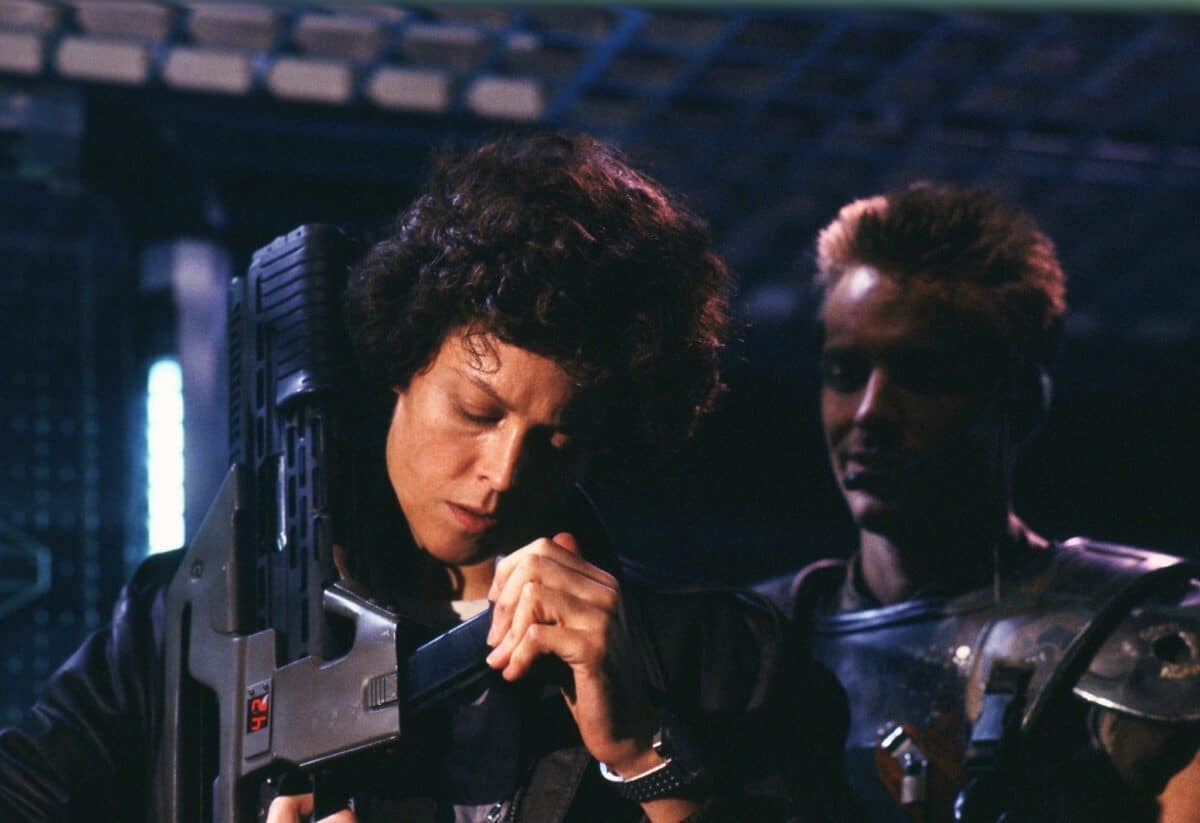
The premise would become the baseline for Aliens, substituting the National Guard soldiers with Colonial Marines and replacing the Cajun hunters with terrifying alien creatures. But the concept was bare-bones, requiring someone to expand the idea into a workable script. This is where the then-young director James Cameron came in. He subsequently signed a deal to write a script that would include the maternal angle (seen in Sigourney Weaver’s Ellen Ripley acting as a surrogate mother to Carrie Henn’s Newt) and the introduction of the Alien Queen. The rest, as they say, is history.
There’s a well-known Hollywood legend behind Cameron’s pitch to Fox: he reportedly wrote out the word “Alien” during a studio meeting, then added an S and turned it into a dollar sign — Alien$ — to sell the studio on the sequel’s box-office potential. Cameron has since confirmed the story took place, though the real path to a greenlight took considerably longer than the anecdote suggests.
Aliens Turned Sci-Fi Horror Into a War Movie
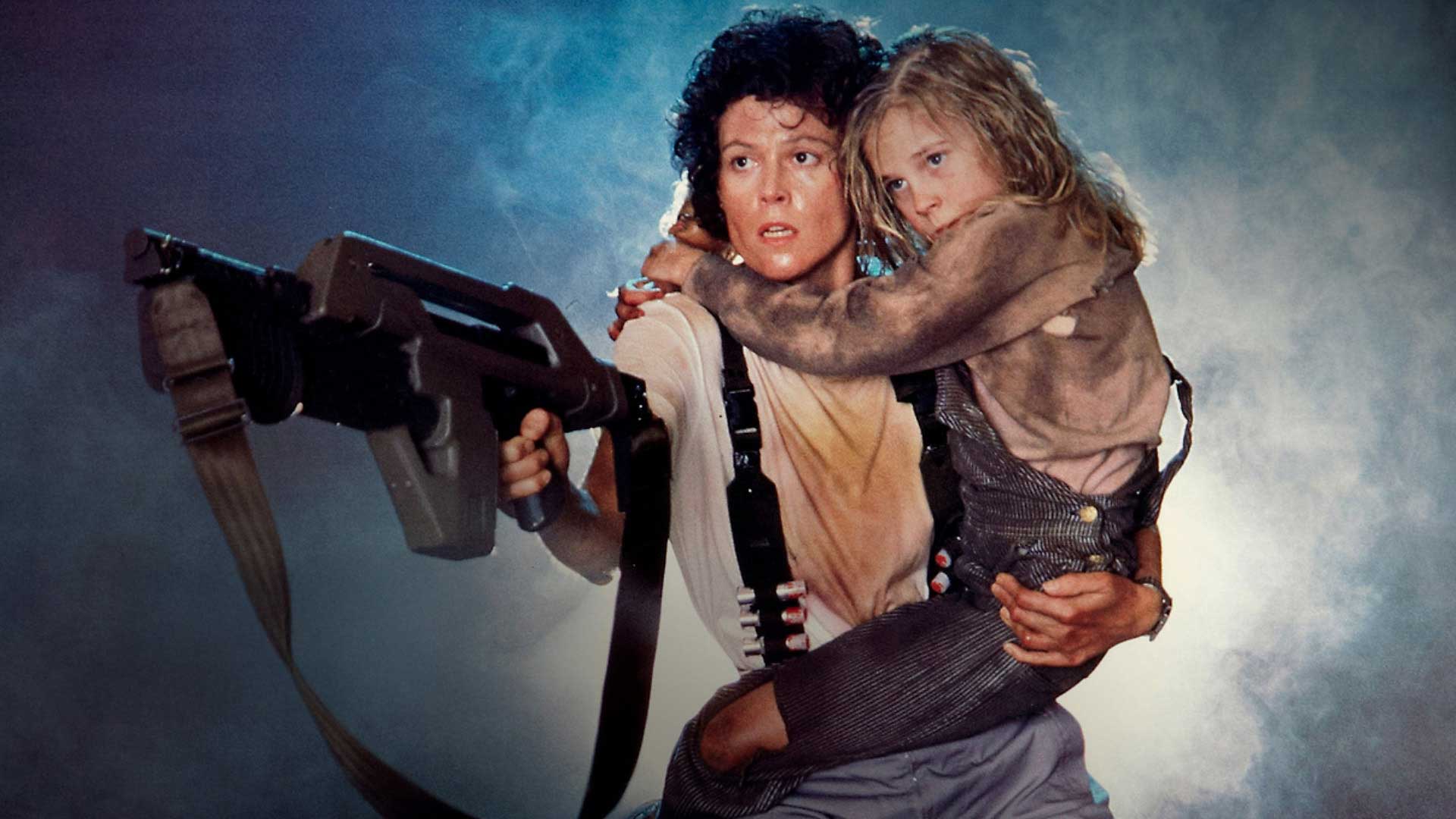
Interestingly, Aliens was only Cameron’s third movie, following Piranha II: The Spawning (despite getting the boot midway through production) and a certain genre breakthrough called The Terminator. After proving his impressive directorial flair in the 1984 surprise hit starring Arnold Schwarzenegger, Cameron smartly shifted from Ridley Scott’s slow-burn horror to a significantly more action-packed approach. He also raised the stakes by placing Ripley and a team of Colonial Marines in enemy territory, specifically the abandoned colony of LV-426.
Drawing inspiration from the horrors of the Vietnam War, Cameron transforms the setting into a visceral war zone, allowing him to introduce bigger action set pieces while retaining the claustrophobic dread and tension that defined the first movie. He also transformed Ripley from a fortunate sole survivor into a battle-hardened, take-charge warrior who is more experienced and proactive in facing the aliens.
Weaver anchors the sequel with a terrific performance, which surprisingly earned her an Oscar nomination for Best Actress, especially since the Academy was typically biased against the sci-fi genre. Cameron’s motherhood theme adds much-needed emotional and personal stakes, making Ripley’s final encounter with the Alien Queen in the Power Loader suit an incredibly satisfying payoff. The success of Aliens paved the way for Cameron to tackle bigger and more ambitious projects, ranging from The Abyss to Terminator 2: Judgment Day, Titanic, and, of course, the Avatar franchise.
Theatrical Cut vs. Director’s Cut: Which One to Watch
The 1986 theatrical cut runs 137 minutes and moves at a relentless pace, trimming character beats in favour of momentum. The 1991 Director’s Cut adds 17 minutes, restoring the sentry guns, Newt’s backstory, and the reveal of Ripley’s daughter, deepening the emotional stakes before the action erupts. First-time viewers should watch the theatrical cut for its pacing. On a rewatch, the Director’s Cut is the better film — it earns the emotion without losing momentum.
RELATED: Aliens Turns 40. Here’s The One Reason Every Other Sequel Failed
Where to watch Aliens: