
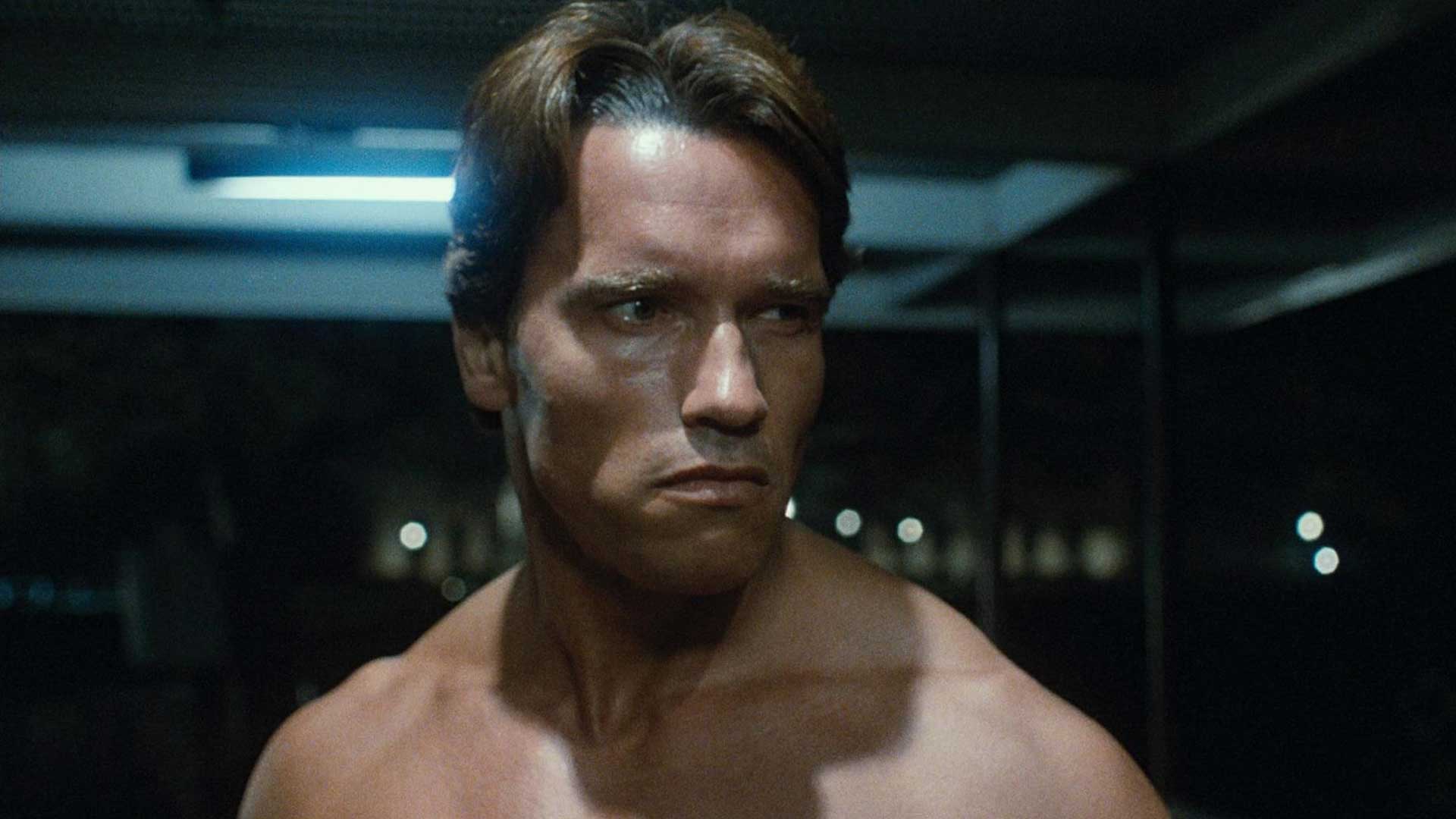


In 1984, bodybuilder-turned-actor Arnold Schwarzenegger walked onto the set of The Terminator to play the film’s lead villain, a robot assassin sent back from the future to kill Sarah Connor, a waitress who is destined to give birth to a man who will save humankind from extinction. James Cameron wrote the original script after a nightmare, one where a metallic skeleton dragged itself out of fire and kept coming no matter what stood in its way. But there’s one thing in the story that never quite added up. If machine intelligence had created the T-800 to blend in, why on earth did they think the perfect disguise was a 6’2″ bodybuilder with 22-inch biceps?
Think about that for a second. Schwarzenegger immediately stands out from the crowd. If they were after infiltration, building the perfect human specimen probably wasn’t the best idea. But the real question is, was this an oversight by Cameron during the casting phase, or was he poking fun at what a computer would think a normal human being would look like?
I’m sure there are plenty who would argue that once you put living tissue on a metal endoskeleton, you’d probably have someone bigger and broader than the ordinary guy on the street. But Schwarzenegger was the reigning Mr. Olympia, a title he held seven times between 1970 and 1980. He looked like a giant muscle machine. And that would be a dead giveaway.

It’s worth revisiting how ridiculous the franchise’s founding logic actually was right now, because Terminator 2: Judgment Day is heading back to cinemas for its 35th anniversary in 4K, RealD 3D and premium formats, opening in the U.S. from August 28 through September 2, 2026, with additional territories following through early September, including the UK on September 4. James Cameron himself confirmed the re-release. “T2 was made for theaters, and our lovingly-prepared 3D version, coming back to the big screen, is the absolute best way to see the film,” Cameron said in a statement. “I believe it’s safe to do spoilers after 35 years, so SPOILER ALERT: the good guys win against the AI superintelligence! And maybe that’s a message of hope we all could use this summer.”
Looking back at Terminator 2: Judgment Day, they sort of got it right the second time with the T-1000. He’s a much slimmer robot assassin, and he actually does really blend in well – even when he isn’t transforming into the beings he comes into contact with.
Schwarzenegger’s T-800, however, seems like a big fumble by the machines. In fact, you have to wonder what Skynet’s data set looked like when they began to put these machines together. Did it scan every human on record and land on “sculpted Greek statues” as the statistical average? Because that’s what it seems like.
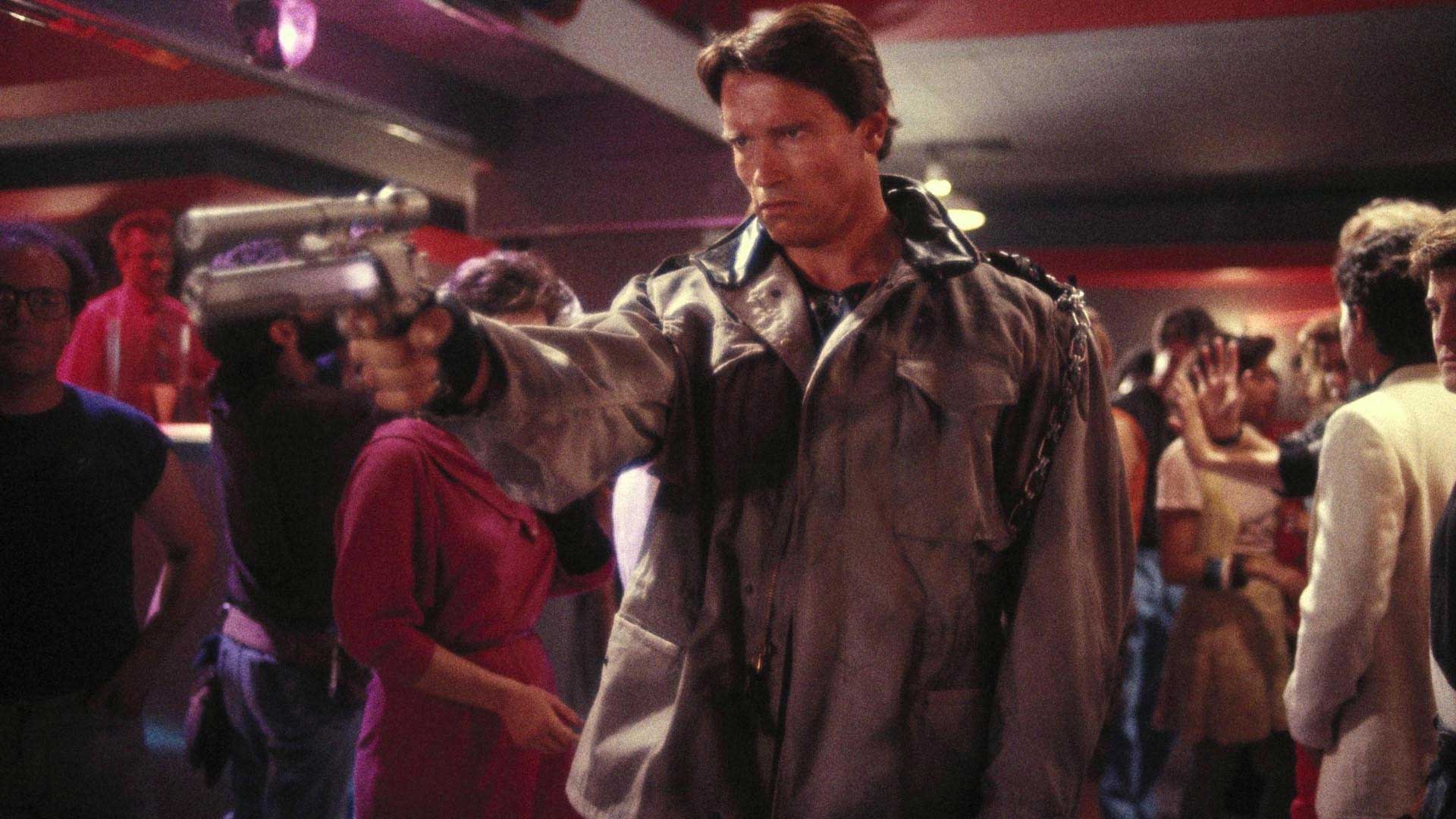
For years, Schwarzenegger has been synonymous with the role. You can’t think of the Terminator franchise without thinking of the actor, the character or the famous one-liners. But it’s pretty funny that, looking back now, nobody at the time could imagine a killer robot from the future in any other way.
What’s even funnier is that Schwarzenegger spent the following two decades essentially trying to run from this same joke. He didn’t just want to spend his whole career playing Giant Muscleman in increasingly loud action movies. But he was built that way, so he could only really take on roles that leaned directly into his size and build.
In Total Recall, he played Douglas Quaid, an undercover operative on Mars who was also meant to blend in.
In True Lies, we’re supposed to believe that his own wife thinks he’s just a regular computer salesman and not a government assassin who blows up terrorists.
In Jingle All the Way, he’s a mattress salesman. In Junior, he was a research scientist.
These were all ridiculous roles. But they worked because the audience was in on the joke. We’re not supposed to believe that this man actually blends in. We’re supposed to enjoy watching the movie, pretending he does.
That’s the trick of Arnold Schwarzenegger’s movies, especially The Terminator. None of these castings should work on paper. Skynet designed an infiltrator, and Hollywood gave us a walking billboard. Somehow it became one of the most enduring images in science fiction anyway, and with Terminator 2: Judgment Day heading back to the big screen this August, audiences get another chance to sit with the absurdity, in 3D, on purpose, thirty-five years later.
RELATED: James Cameron Is Writing a New Terminator. It Needs to Be a Horror Movie