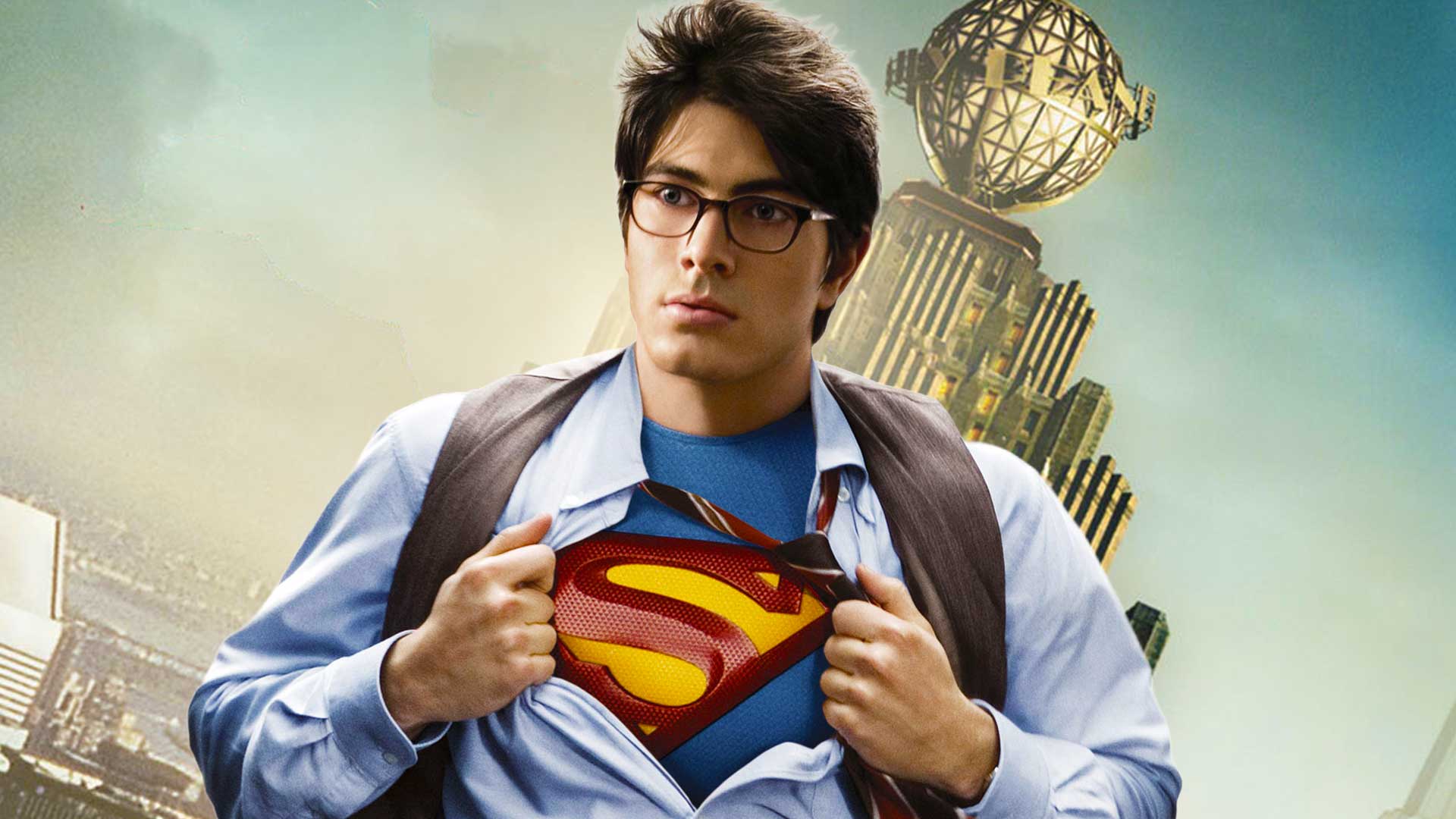


20 years ago this June 28, Bryan Singer’s Superman Returns became the fifth, but also one of the most controversial films in the live-action franchise. While it certainly had more warmth and felt more in line with how comic book fans viewed the superhero, the film divided audiences because of its lack of action, its casting choices, and how closely it tried to replicate the Christopher Reeve films from the 70s and 80s. Now, twenty years later, the film’s editor, John Ottman, has strong theory about where it all went wrong. And it’s not the film’s lead, Brandon Routh.
In a candid interview with Billy Barnell on Half the Picture, the editor of Superman Returns opened up about the production’s real Kryptonite: Kate Bosworth as Lois Lane. “The whole time it was really her character that was the problem, I think,” he said. “We were so concerned about Brandon. The whole time it was really her character.”
That’s a very surprising admission from someone who spent months in the cutting room with the raw footage of Superman Returns. According to Ottman, everyone was so concerned with Routh’s performance and convincing everyone that he was a great Superman that they overlooked glaring issues with some of the other cast, especially Bosworth’s Lois Lane, who fans have since labelled the worst version of the character in film over the years. Lois was key to making the film work as she was at the center of the story, but she just never connected with audiences.
Kate Bosworth: The Lois Lane Fans Never Warmed To
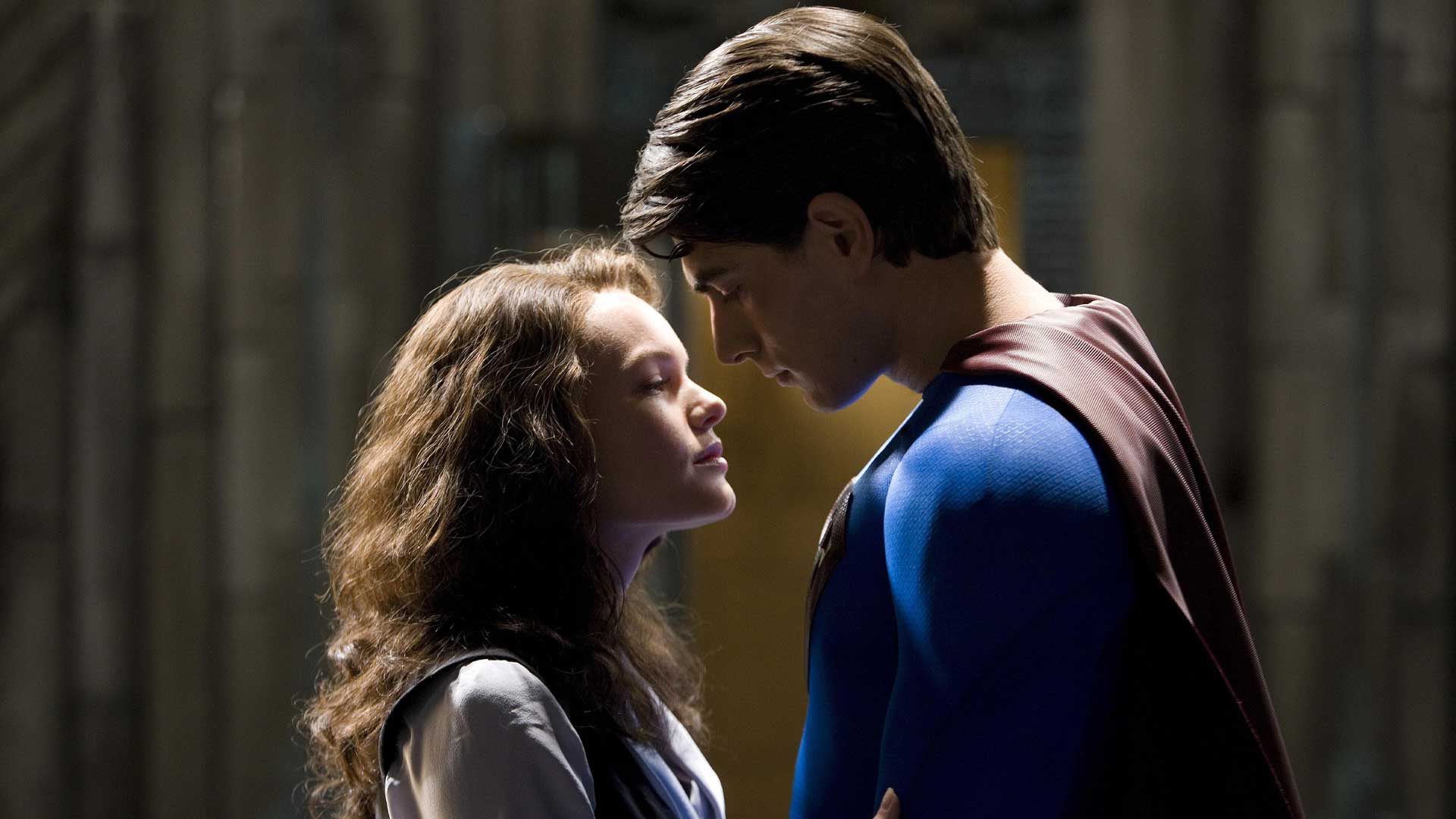
Lois Lane has always been a character defined by not only her wit and attitude but also her warmth and love toward Superman. We got that from Margot Kidder, Teri Hatcher, Elizabeth Tulloch, Erica Durance and most recently Rachel Brosnahan. But some of those characteristics were definitely missing in Bosworth’s Lane. She felt very detached and almost aggressively competent without the Man of Steel. The only time she really lets herself feel vulnerable to Superman’s charms is when they’re flying into space, which is arguably one of the most beautiful scenes in the film.
Still, the editor doesn’t blame Bosworth at all. “I thought Kate Bosworth was fantastic, but she was miscast,” he said. “She’s a really good actress. Fantastic actress. It’s just I thought she was miscast, or she was miswritten or something. It wasn’t her fault.”
And that’s true. There are definitely moments where Bosworth feels like Lois Lane, but they are few and far between. Ottman goes on to explain that he believes that Lois needed to be someone audiences could laugh with and relate to. “Lois Lane — everyone has to be Margot Kidder,” he said. “She needed to be more endearing. We need to laugh with her at least once, you know, or something. And she was so hard-hitting reporter with a Pulitzer at like what, 12?”
Honestly, it’s a very good observation. For audiences, it’s hard to believe that of all the women in the world, Superman would choose someone so buttoned-up and serious, and someone who continuously rejects him throughout the film.
Interestingly, it was Kevin Spacey who reportedly convinced Bryan Singer to cast Bosworth after seeing her performance in Beyond the Sea (2004).
Parker Posey Knew Something Was Wrong
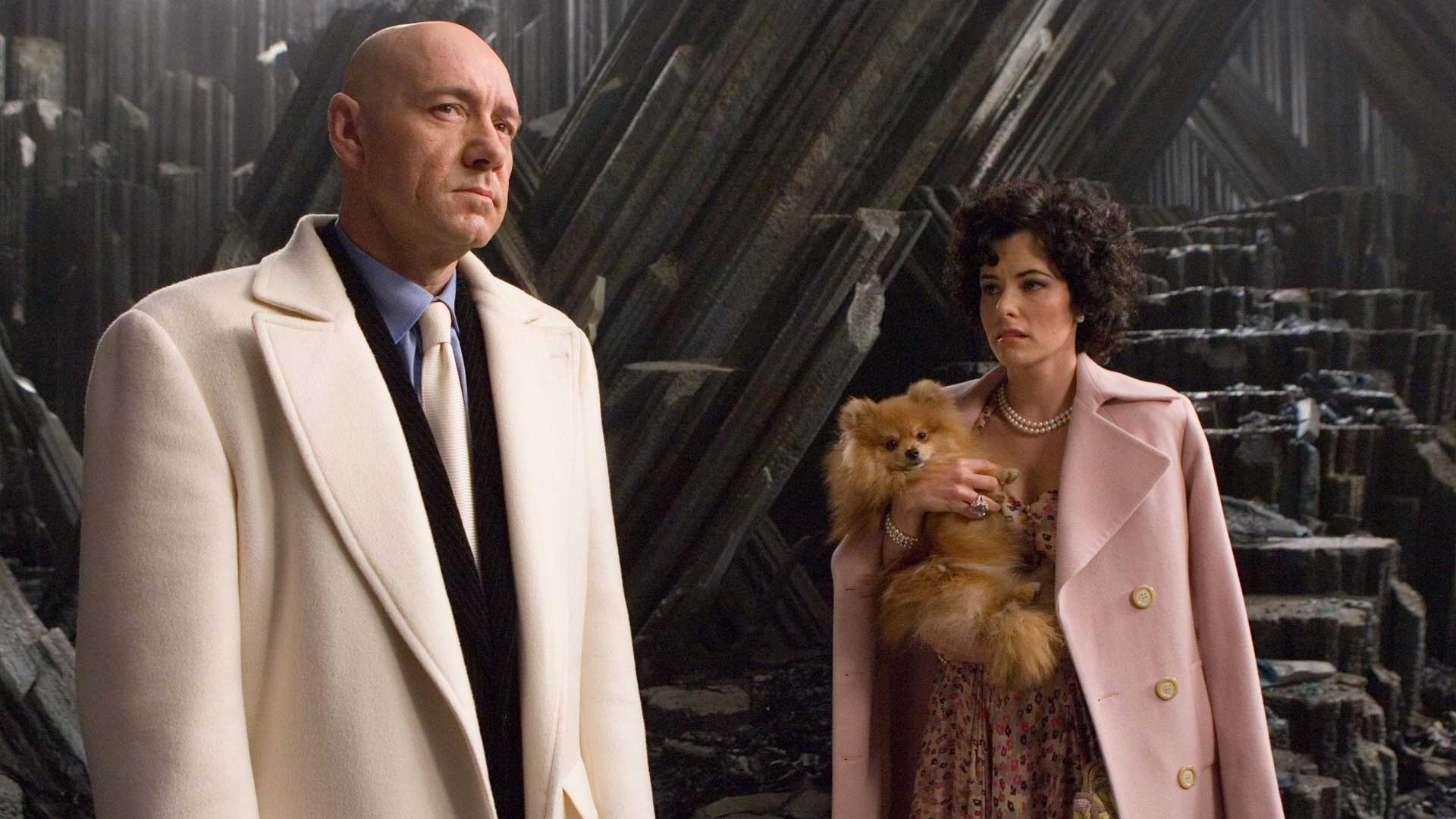
But of course, Bosworth wasn’t the only member of the cast who felt underserved. Parker Posey, playing Lex Luthor’s sidekick Kitty Kowalski, delivered one of the film’s most charming performances, but, as Ottman points out, she didn’t really add anything to the story. “She had nothing to do,” the editor admitted. “I remember she came by the editing room and she goes, ‘Am I going to be okay? Is this going to be—’ and I’m like, ‘Oh, yeah. Yeah, yeah.’ But it’s like I knew she didn’t have much to do. She just sits around looking depressed with her little dog.”
Posey’s visit to the editing suite is a detail that stings a little. She clearly knew during the production that her character was nothing more than a prop. And the editor clearly knew, too. And yet nobody took the time to fix that.
Crippled by Reverence
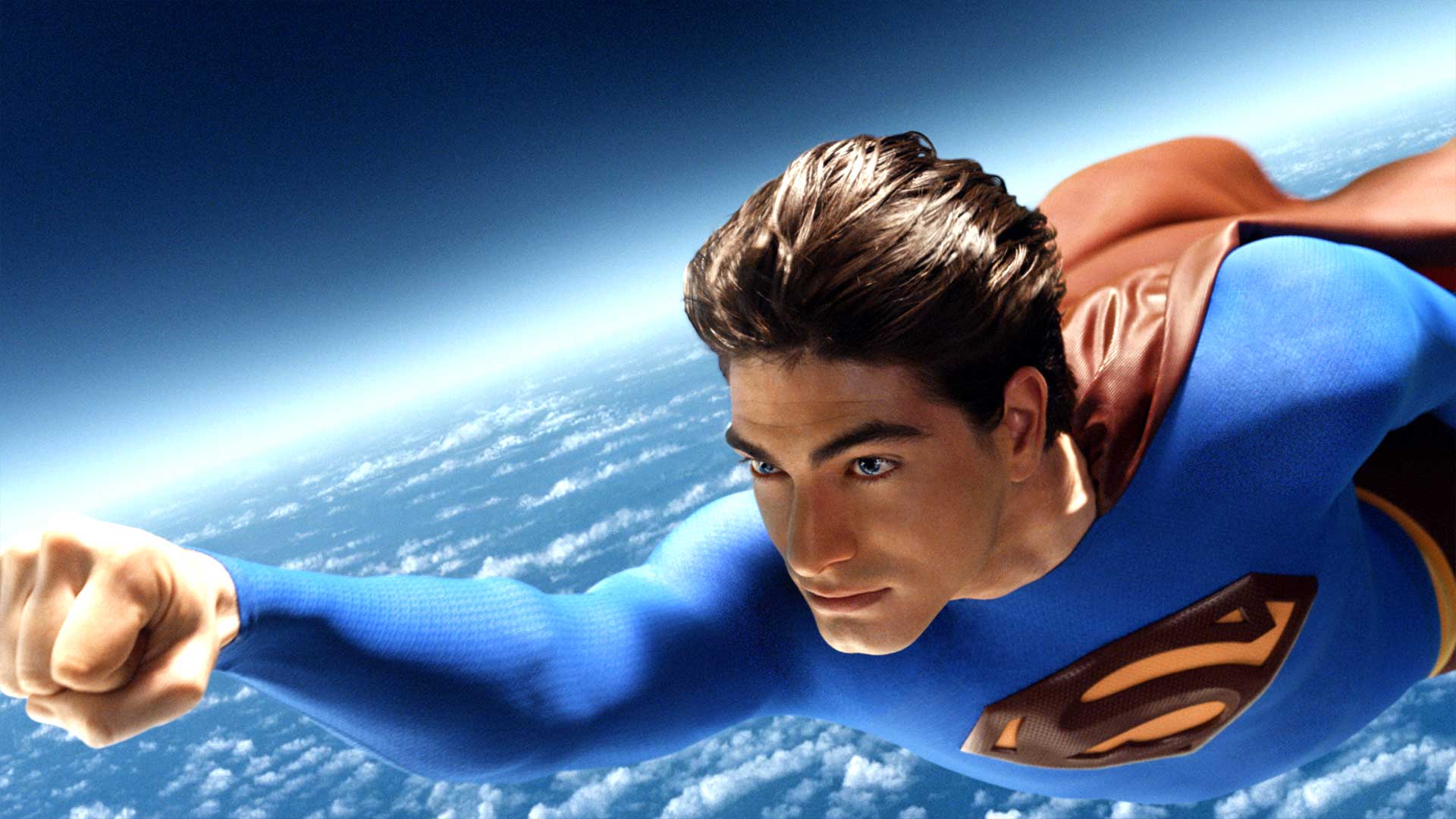
The one thing everyone points out in Superman Returns is that it’s too focused on honouring Richard Donner’s 1978 original for its own good. That’s something that Ottman points out, too. “I think that’s one of the problems with Superman Returns. We were so trying to be so reverential to the ’78 version, and so it was crippled to go in a new direction,” he said. “At the same time, I like the fact that it stayed true to the feeling that Superman should have. He should be a very positive, good force.”
That reverence extended to the score. Bryan Singer famously insisted on John Williams’ original Superman theme, even reportedly stating he would not have made Superman Returns without access to it. The editor says he made sure it remained a constant presence throughout: “We all love the Superman theme, which I made sure was a very present motif through that film.”
But that same attachment to the past created problems in the edit suite. The legendary title sequence, with credit cards flying through space in the style of the 1978 film, was something the editor pushed back on hard. He believed it took up too much time in the film. “We didn’t need that opening title sequence like that. It just bogged it down,” he said. “I felt it should have been — da da da da da da, big ass, done. That’s it. That’s the whole title sequence. And then into the movie. But there was a lot of pushback. Everyone wanted to see their name flying across. I lost on that one.”
The Film That Got Cut to Shreds
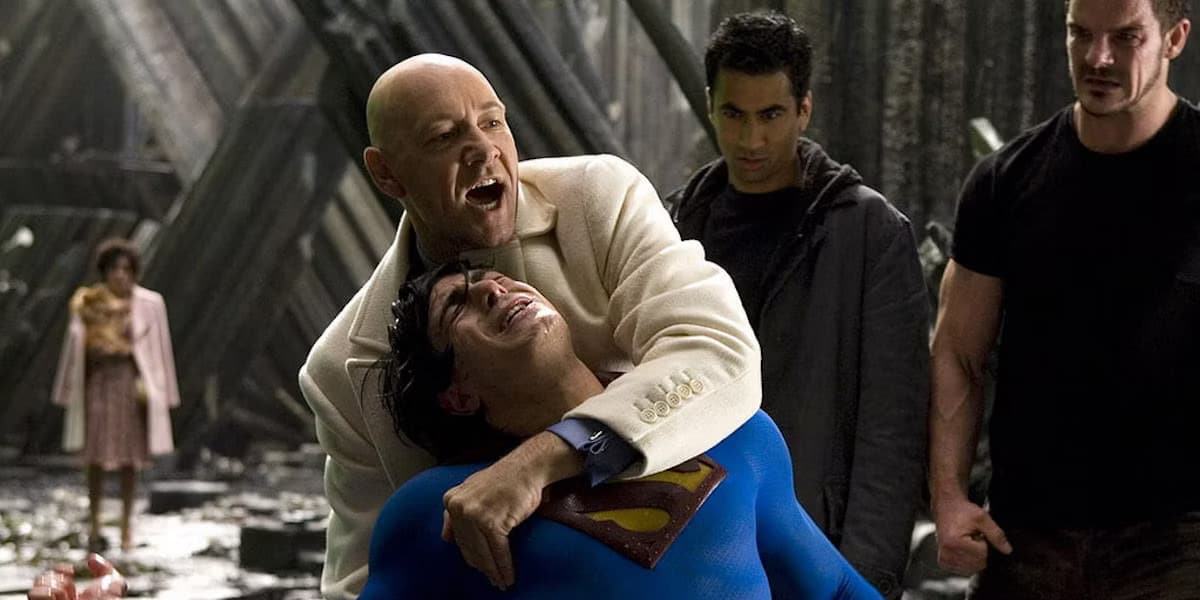
What audiences saw in the final cut that was released in June 2006 was actually a significantly reduced version of what Bryan Singer had originally envisioned. A lot of footage was cut in order to reduce the film’s runtime. The biggest casualty of Superman Returns has to be a $10 million opening sequence that was cut entirely before release — a sequence that would have changed the entire texture of the film.
In Singer’s original vision, the film would have opened not with Lex Luthor swindling a widow out of her money, but with Clark Kent using a spaceship to travel to the ruins of Krypton in hopes of finding other survivors. What he finds instead is a dead world with fragments of kryptonite between.
Years later, fans finally got to see that cut scene on DVD and Blu-ray. And, honestly, had it been kept, it would have added so much more to the film.
The editor’s frustration with the final cut’s pacing is clearly tied to this loss, too. “We used to have the title sequence going to Krypton, then he crashes, Martha discovers him, and then an hour later we finally get the plot going,” Ottman recalls.
But so much more was cut from Superman Returns.
Kal Penn’s entirely deleted subplot still hurts the actor. Penn was cast as Stanford, a former Daily Planet science reporter — a character who had a full arc in the original cut. Stanford was bribed by Lex Luthor to forge evidence of Krypton’s possible survival, effectively luring Superman away from Earth so Luthor could be released from prison without opposition. It’s a plot thread that would have explained enormous amounts of the film’s logic — including why Superman simply vanishes for years without telling anyone. In the theatrical cut, Penn appears throughout the film without speaking a single line. His character exists, nameless and purposeless.
The deleted material also included fuller character arcs for several supporting roles, additional scenes with Ma Kent, and moments that would have made the emotional throughline considerably clearer. A novelisation by Marv Wolfman filled in some of these gaps — including Clark remembering the first time he used his heat vision, and a scene where Jason realises that Superman is Clark Kent — but those moments never made it to the screen.
There’s also the matter of a reported cameo by Christopher Reeve, which would have served as both tribute and connective tissue to the films this one so desperately wanted to honour.
Release The Director’s Cut
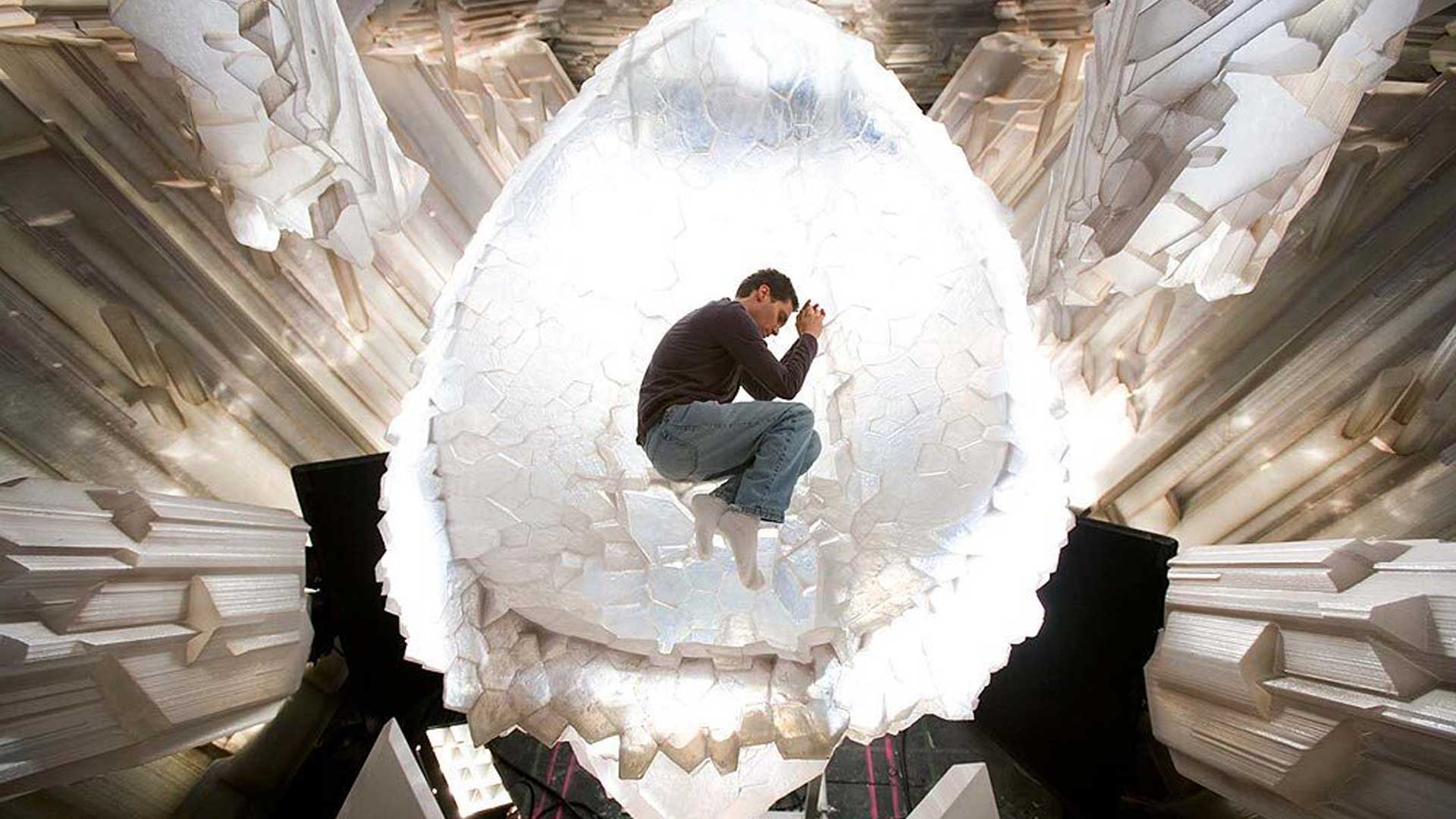
Two decades on, the case for a Superman Returns director’s cut is stronger than ever. The deleted Krypton sequence alone represents a significant piece of Superman cinema history. With Stanford’s arc restored, the plot holes largely close. With the alternate opening in place, Superman’s five-year absence becomes emotionally coherent rather than narratively convenient.
Ottman himself seems at peace with the film’s contradictions — proud of the craft, clear-eyed about the flaws. “I know I busted my ass on that thing,” he said. “There were sequences I’m super proud of — musically, editorially, and everything. But as a whole… I think it was a story.”
Yes, Superman Returns remains one of the most visually accomplished superhero films ever made. The airplane rescue sequence alone is untouchable. But fans deserve to see the full version of the film. It could push the film to become one of the best Superman films in the franchise to date.
But, as it is, twenty years later, it remains exactly what its editor described: a beautiful, flawed film that was too in love with the past to fully become its own future. And it wasn’t Brandon Routh’s fault at all.