


From background plates and b-roll to digital doubles and voice-overs, is there anything that AI can’t do to make producers’ lives a little easier (and cheaper)?
Short answer: not much. AI has quietly worked its way into film production, and it seems like it’s here to stay. Even Star Wars creator George Lucas publicly stated in July, “There’s nothing you can do about it. That’s progress, it’s the future.” Netflix even told shareholders in July that 300 of its movies and shows used generative AI this year, so the examples below are only the ones that came to light.
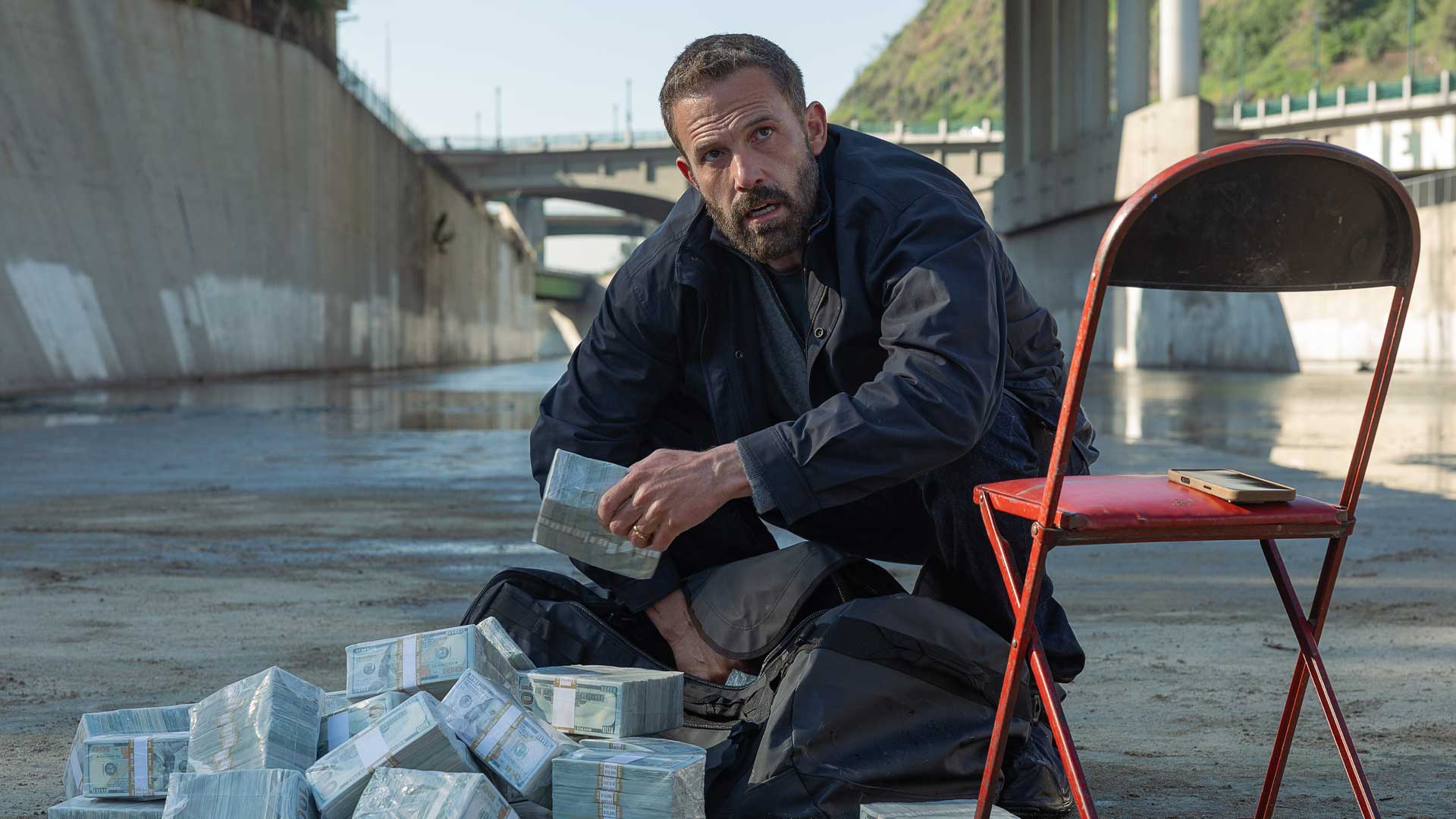
Most recently, Ben Affleck has put the use of AI in film back in the spotlight, thanks to his new Netflix thriller Animals which arrived on the streaming platform on October 9. During interviews, he told Bloomberg’s Screentime summit that he used generative AI in many parts of the film, causing quite a stir amongst audiences online. While Affleck didn’t point out exactly where or how he used the technology, there are many who believe that it’s obvious while watching the film. The Batman actor, however, calls his approach to the use of AI ethical.
Some movies have been upfront about using it, while others leave us guessing. Here are some of the confirmed examples — including a few clever time-savers, as well as the AI controversies that got everyone talking.
RELATED: A Team of 15 Made the World’s First AI Feature Film in 14 Days for $500,000
The Fall Guy (2024): AI Face Replacement and a Rewritten Line of Dialogue

AI Used For: Face replacement and altering a line of dialogue in post-production
Confirmed By: Rising Sun Pictures, the film’s VFX studio
Rotten Tomatoes: [81% on Rotten Tomatoes]
There’s something kind of funny about a movie that focuses on human stuntmen, yet uses artificial intelligence. There’s actually some AI-wariness in the film’s press run, with Emily Blunt calling the tech “something we’re all nervous about”…so how did The Fall Guy make its way onto this list?
Well, it could have been completely AI-free if it wasn’t for a few small fixes in post-production. Rising Sun Pictures used its Revize machine learning tool to replace actors’ faces and alter a line of dialogue for the producer character Gail Meyer without reshooting. This was a targeted post-production fix, not an AI-generated performance.
Furiosa: A Mad Max Saga (2024): AI Blended Anya Taylor-Joy’s Face With Alyla Browne’s
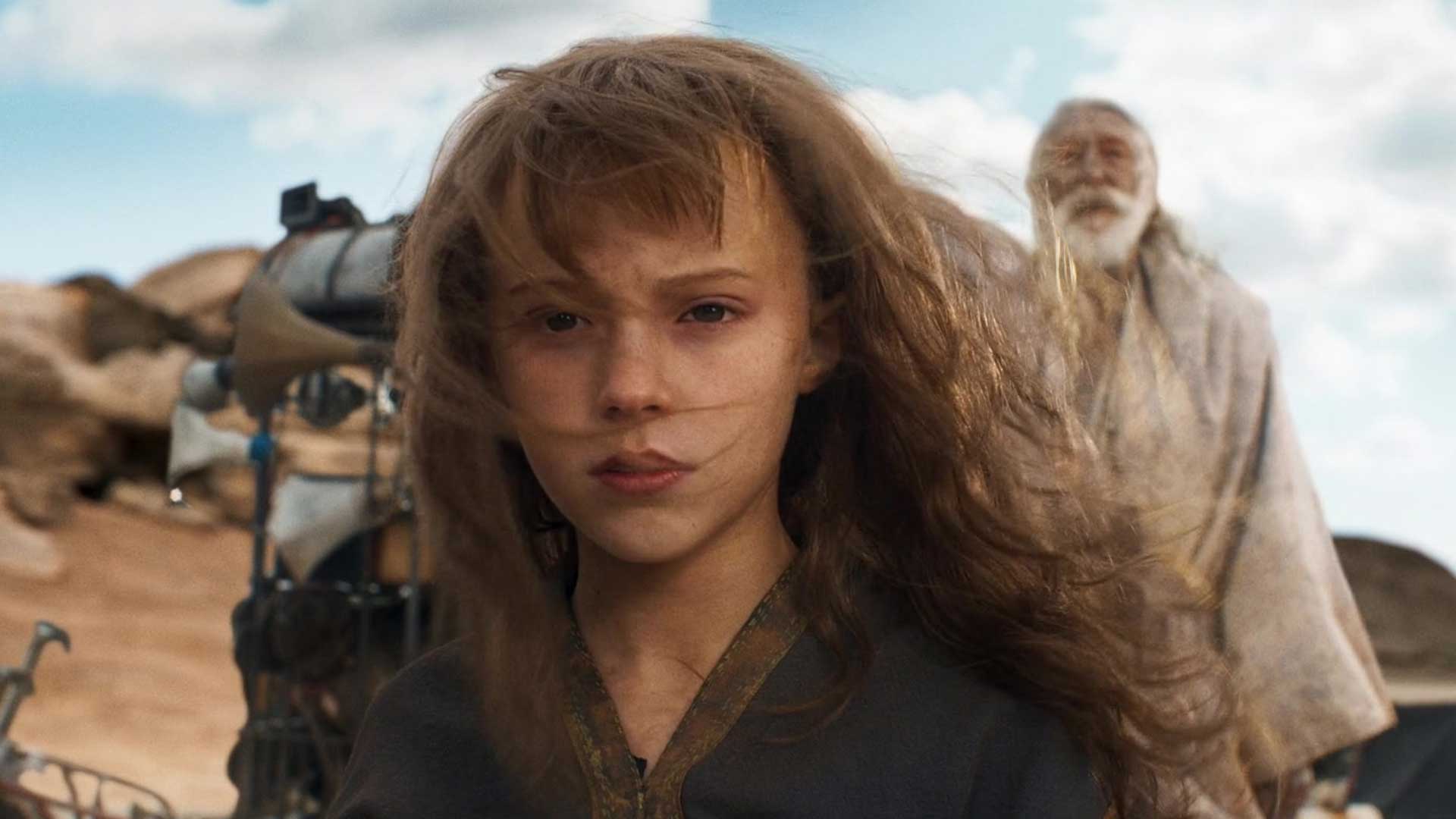
AI Used For: Blending Anya Taylor-Joy’s face with Alyla Browne’s face.
Confirmed By: Actress Anya Taylor-Joy and Rising Sun Pictures VFX Supervisor Guido Wolter
Rotten Tomatoes: [90% on Rotten Tomatoes]
This is something ironic here. Mad Max imagined a future in which modern technology has collapsed, yet Furiosa used machine learning to blend the faces of two actresses. It was done to create a realistic aging process and make the resemblance between them more pronounced, so the handoff between the two actresses felt seamless. Taylor-Joy said the blend started at around 35% her face on Browne’s and rose to about 80% by the time the character grows up.
On a 2024 episode of The Kelly Clarkson Show, Taylor-Joy shared her thoughts: that if you use it you have to be honest about it, and “it always has to be consensual.”
The Brutalist (2024): How AI Refined Adrien Brody’s Hungarian Dialogue
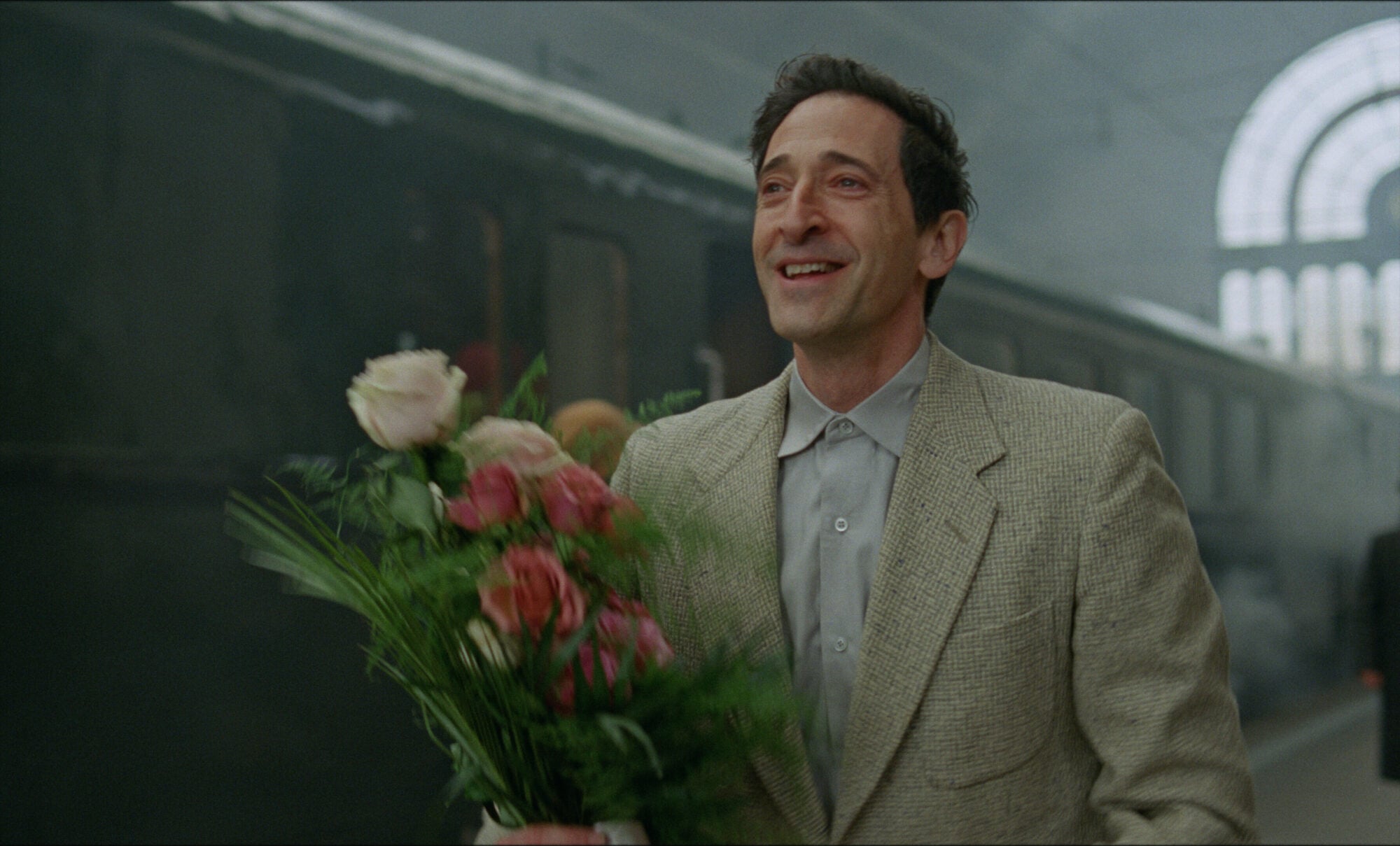
AI Used For: Refining Hungarian dialogue
Confirmed By: Editor Dávid Jancsó and director Brady Corbet
Rotten Tomatoes: [93% on Rotten Tomatoes]
Hungarian is notoriously difficult to pronounce, so when ADR didn’t work out, the team used Respeecher’s speech technology to refine Adrien Brody and Felicity Jones’s dialogue.
Both stars recorded their lines, and editor Dávid Jancsó fed in his own voice to polish certain vowels and letters. Corbet said no English dialogue was changed. Jancsó also said Midjourney was used for inspiration on the architectural drawings in the epilogue, though Corbet said artists hand-drew the final buildings.
The reveal sparked a wave of controversy for the awards-season frontrunner, with director Brady Corbet insisting the performances were “completely their own.”
Late Night with the Devil (2024): Three AI-Generated Images Sparked a Boycott
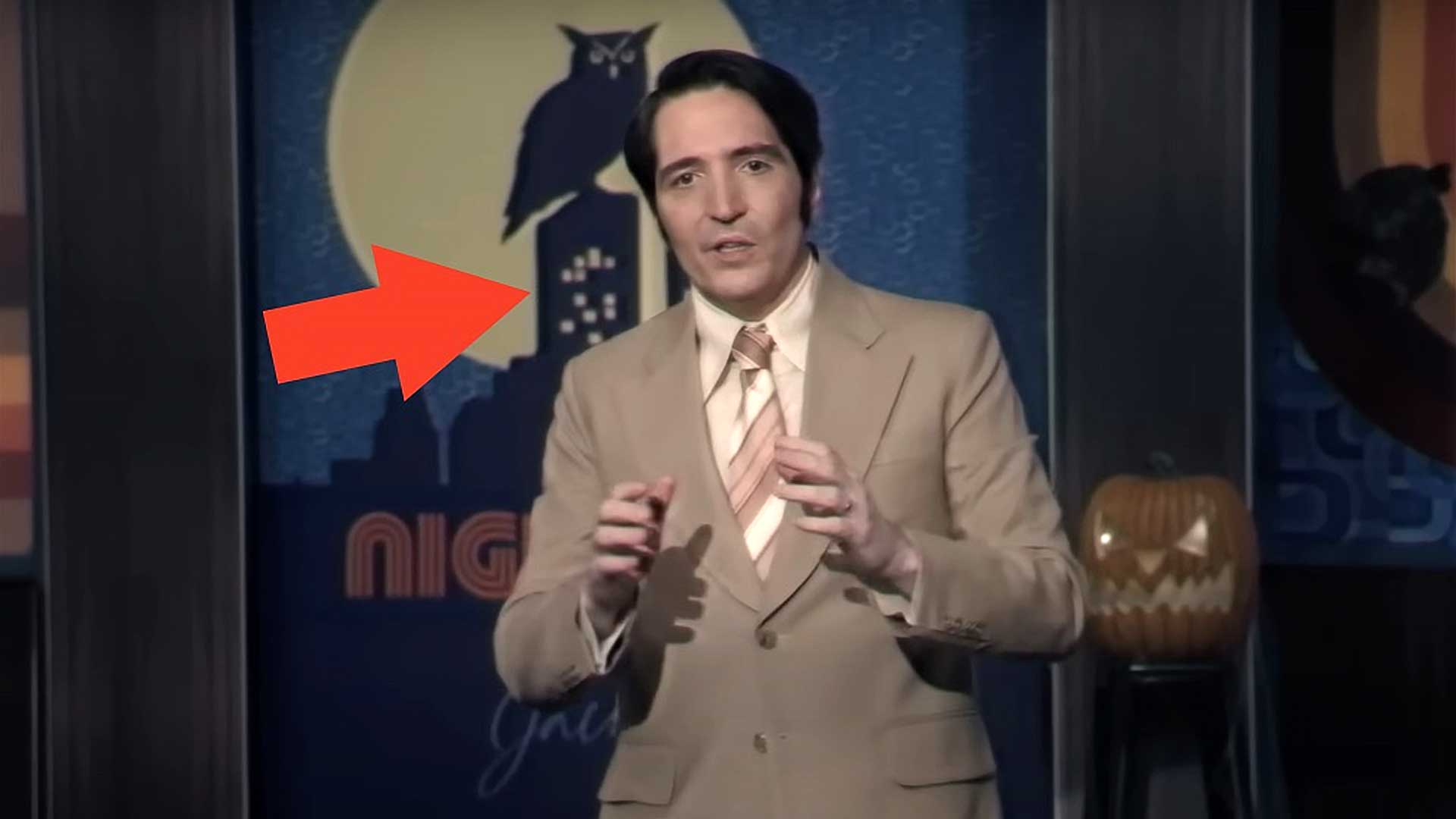
AI Used For: Three AI-generated still images used as title-card interstitials
Confirmed By: Directors Cameron and Colin Cairnes
Rotten Tomatoes: [97% on Rotten Tomatoes]
This 1970s-set horror film about a talk show gone supernaturally wrong premiered at SXSW in 2023 to rave reviews. But the film’s good standing with audiences didn’t last for long…
Days before the wide release in March 2024, viewers spotted AI-generated artwork in brief cutaway transitions, and calls for a boycott followed. The Cairnes brothers admitted they had “experimented with AI for three still images” and edited them further.
Alien: Romulus (2024): AI Recreated Ian Holm’s Likeness and Voice as the Android Rook

AI Used For: Recreating the late Ian Holm’s likeness and voice as the android Rook
Confirmed By: Director Fede Alvarez and AI company Metaphysic
Rotten Tomatoes: [80% on Rotten Tomatoes]
This one is pretty crazy. Alien: Romulus brought back Ian Holm, who died in 2020, as a damaged android resembling his character from the original movie.
A Legacy Effects animatronic served as the physical base, with Metaphysic’s machine learning tools recreating Holm’s likeness and Daniel Betts’ voice digitally altered with Respeecher software to match.
Alvarez said the filmmakers got approval from Holm’s estate first, and he defended the decision when fans pushed back. Alvarez later told Empire that the team reworked Rook for the home release, leaning back toward the animatronic and away from heavy CGI.
Here (2024): AI De-Aged Tom Hanks and Robin Wright in Real Time
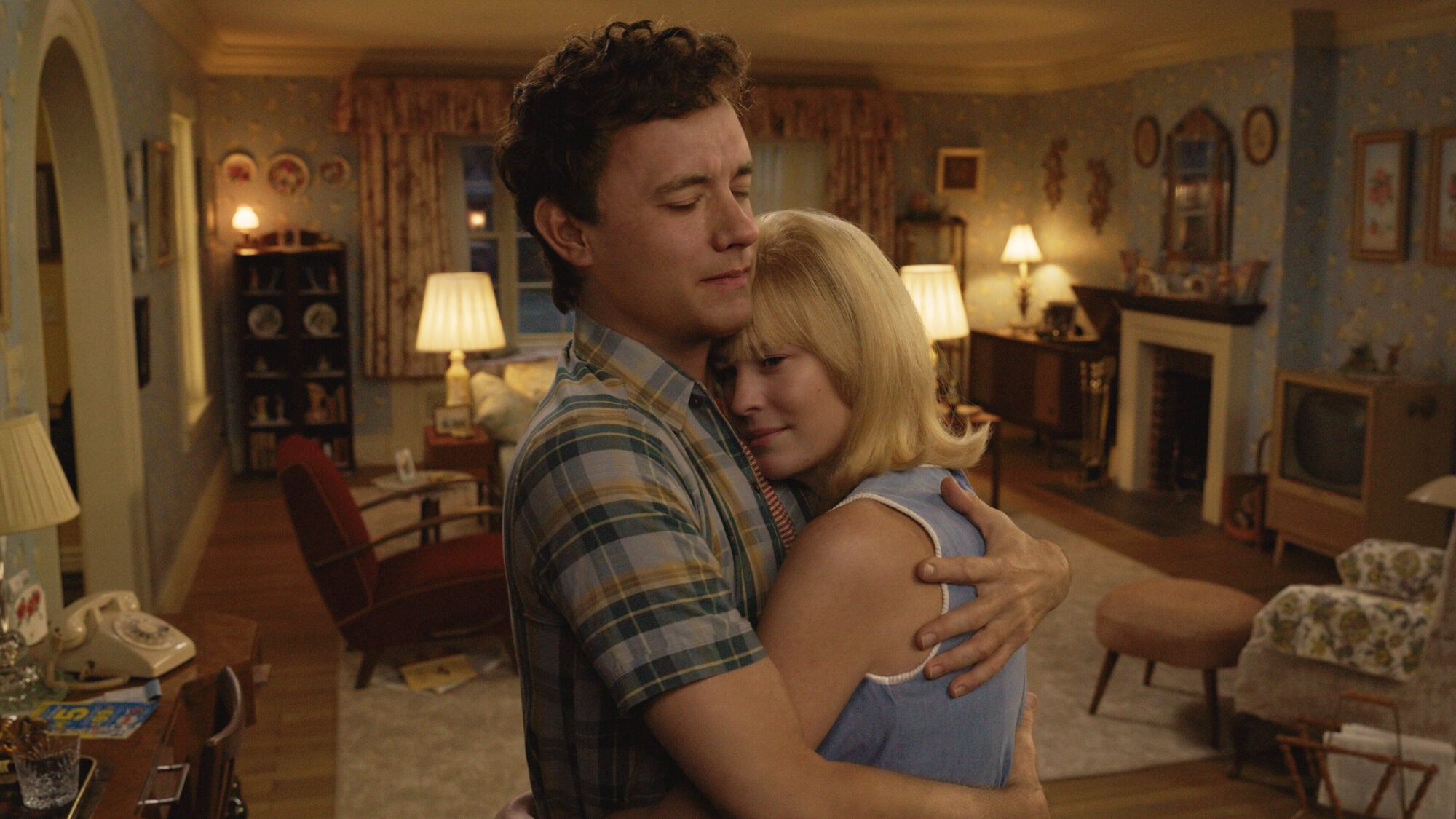
AI Used For: Real-time de-aging and aging of Tom Hanks, Robin Wright, Paul Bettany, and Kelly Reilly
Confirmed By: Director Robert Zemeckis and AI company Metaphysic
Rotten Tomatoes: [35% on Rotten Tomatoes]
Robert Zemeckis’ ambitious time-hopping drama follows its characters across decades from a single camera position.
He portrayed the physical experience of aging by using Metaphysic Live, an AI tool that face-swaps actors in real time. The crew watched two monitors, one showing the actors as they were and one showing them at the age each scene required.
Zemeckis said the film “simply wouldn’t work” without it. With lead actor Tom Hanks appearing as everything from a teenager to a frail elderly man, he’s possibly right.
Animals (2026): Ben Affleck Used AI but Won’t Say Where
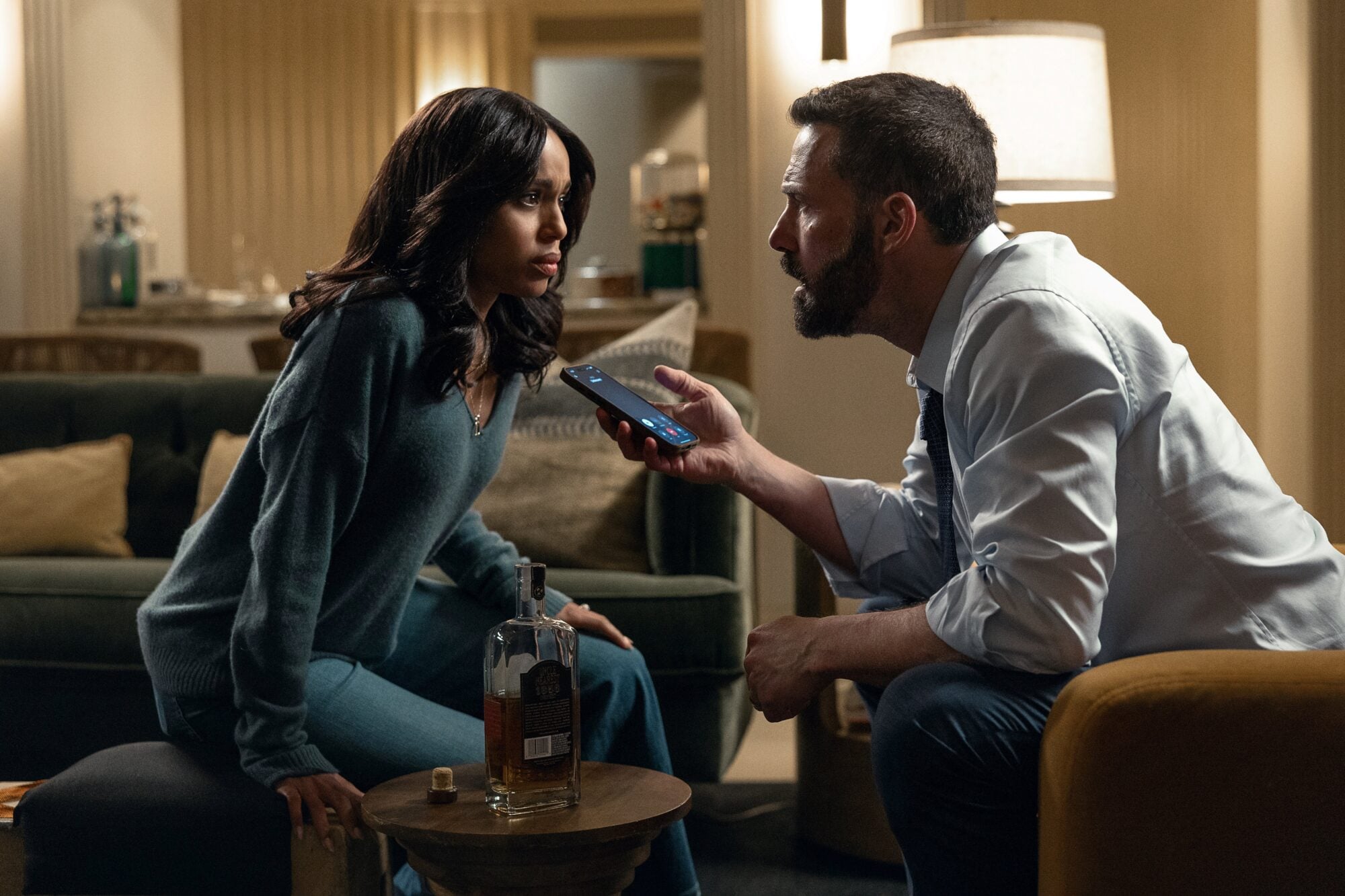
AI Used For: AI-assisted post-production, though specific uses have not been disclosed
Confirmed By: Director Ben Affleck
Rotten Tomatoes: [32% on Rotten Tomatoes]
Yup, we’ve saved possibly the most controversial film on this list for last. Ben Affleck’s Netflix crime thriller follows a Los Angeles mayoral candidate whose life unravels when his son is kidnapped. It hit Netflix on October 9, 2026.
There’s been speculation about the film’s AI use, with Netflix’s description of InterPositive’s tools pointing to scene enhancements and other post-production touch-ups like fixing missing shots, replacing backgrounds and correcting lighting, though nothing has been confirmed for this film. Affleck’s comments on the matter at Bloomberg’s Screentime summit said he used AI for “lots of things”, yet not revealing exactly what those things were. He has since described his approach as ethical, saying it isn’t about replacing anybody.
Keep in mind that Affleck has been involved in the AI space for years now, selling his AI-tech company InterPositive to Netflix in March in a deal reportedly worth up to $600 million, with part of that tied to performance targets.
RELATED: Taylor Swift Trademarked Her Own Face to Fight AI — She’s Not the Only Star Furious
Do Movies Have to Disclose AI Use? What the Rules and Audiences Say
The films we’ve discussed in this article are just a few of the confirmed examples. There’s plenty of speculation out there about dozens of other major Hollywood films and their AI use…but we won’t get into that right now. For a look at where this is heading, see how Elysium’s AI and billionaires prediction is playing out.
In the US, there aren’t any general statutory laws that require film producers to declare their use of generative AI in a movie. So oftentimes we’re left guessing. (One caveat: the Copyright Office requires AI-generated material to be disclosed when registering a film.) With that being said, film festivals and entertainment labor unions typically call for some type of compliance.
For example, SAG-AFTRA’s 2026 contract, which members ratified in June, still requires consent before producers create or use a digital replica of an actor and adds further limits on synthetic performers.
According to a 2024 Baringa study, audiences prefer films made by humans (52% of US consumers would rather watch a 7/10 human-made movie than a 9/10 AI-made one). The same goes for literature and music. However, there is a little nuance here…things like background cleanups and language dubbing are often framed as ‘more acceptable’ than fully AI-generated performances. Even so, 81% of respondents in that study said they want to know when AI has been used.
So, if AI is seen as a cheap imitation across various creative industries, why aren’t film producers viewing this technology the same way graphic designers view ‘AI slop’ posters? The opportunity to save millions, perhaps? Netflix’s own shareholder letter suggests that is the pull: it said the tools help it produce higher-quality output faster and at lower cost.
RELATED: Don’t Be Surprised If John Wick 5 Is AI Slop After the Latest Lionsgate News