



It took fourteen days, fifteen people, $500,000 and generative AI to make Hell Grind, a 95-minute sci-fi AI-generated movie that its creators, Higgsfield AI, are calling “the world’s first ever AI feature film.” But while the company believes it would cost somewhere around $50 million to make this without the tech, Hell Grind looks exactly how you’d expect an AI feature film would look: cold, lifeless, boring, unoriginal, and cheap.
Hell Grind is meant to be a revolutionary new film about four street thieves travelling to hell, but everyone (all 42,000 people) who has managed to watch the trailer on JoBlo is saying the same thing: it’s really terrible. It’s pretty obvious that every character, setting, and prop is generated using AI here. Some even argue that the script and the concept feels like it was put together by AI too. Over on Wikipedia, however, the film’s director is listed as Aitore Zholdaskali, with Zholdaskali and Adilkhan Yerzhanov doing the writing.
Why 95 Minutes Apparently Changes Everything
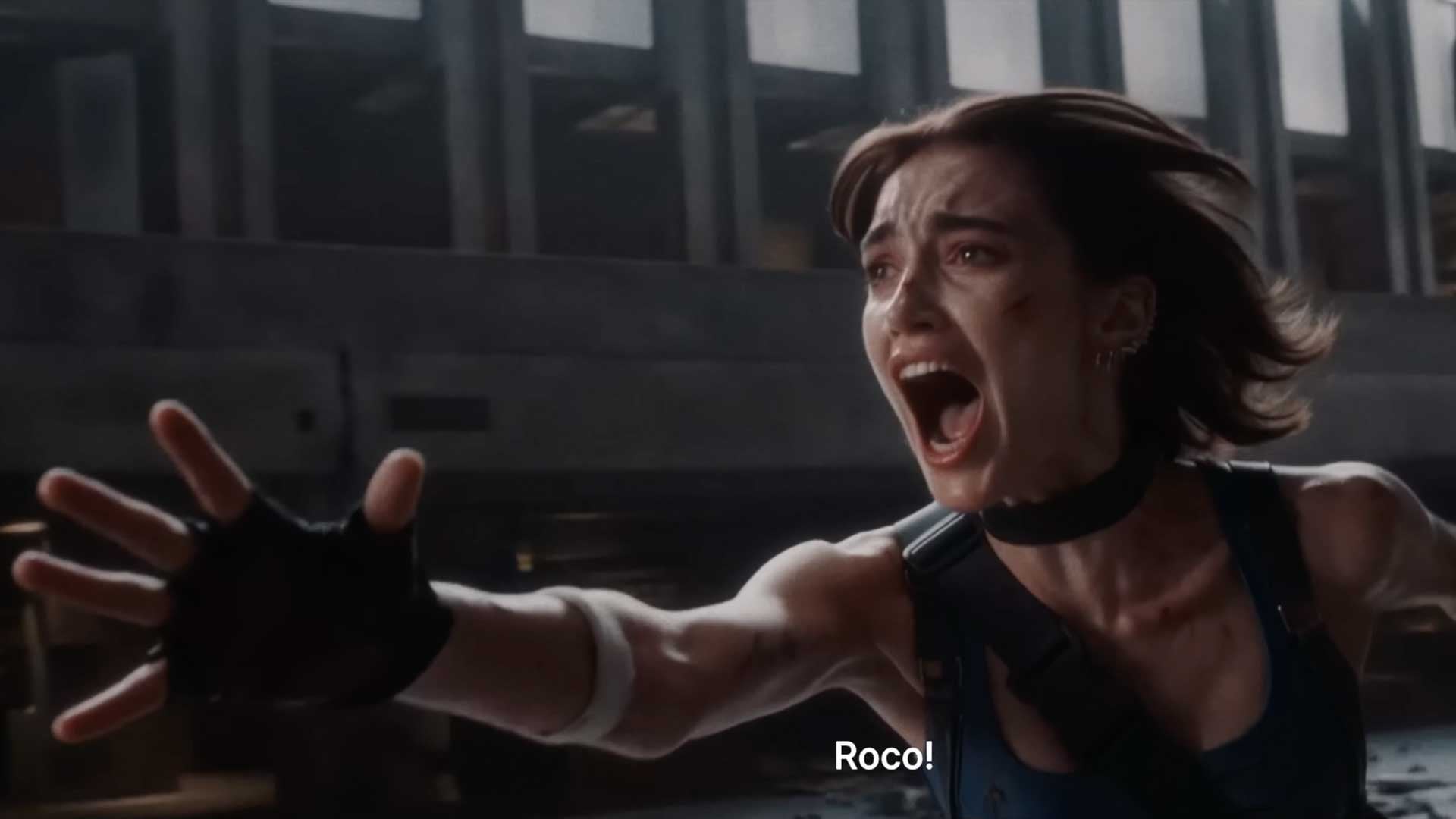
Of course, we know that tech companies have made huge jumps in the AI video field in the last few years. We’ve already seen tons of “realistic” short AI videos spread across social media. The challenge has always been keeping the same faces and characters across scenes long enough to make it feel coherent. For what it’s worth, Hell Grind, whatever its creative shortcomings, claims to have cleared those hurdles. The first 22-minutes is online as proof.
The Cannes Film Festival Controversy Explained
The Wall Street Journal recently ran a story claiming that Hell Grind was being screened at the Cannes Film Festival. That appears to be false, as the film wasn’t on the official schedule of the event at the French Riviera.
“We can confirm that Hell Grind was not screened as part of the official Festival de Cannes program,” a Cannes spokesperson told Futurism. “As publicly reported by Screen Daily and other media outlets, the project was presented during an industry event organized by third parties in Cannes.”
Higgsfield, however, continues to defend itself by saying the film was shown at an event called the Marché du Film, which it called an “accredited component of the Cannes ecosystem.”
What the Trailer Actually Shows
The trailer, which landed on YouTube five days before the Cannes market screening, honestly looks more like a tech demo than a film. Everything about it screams video game cutscene. It feels a little unnatural.
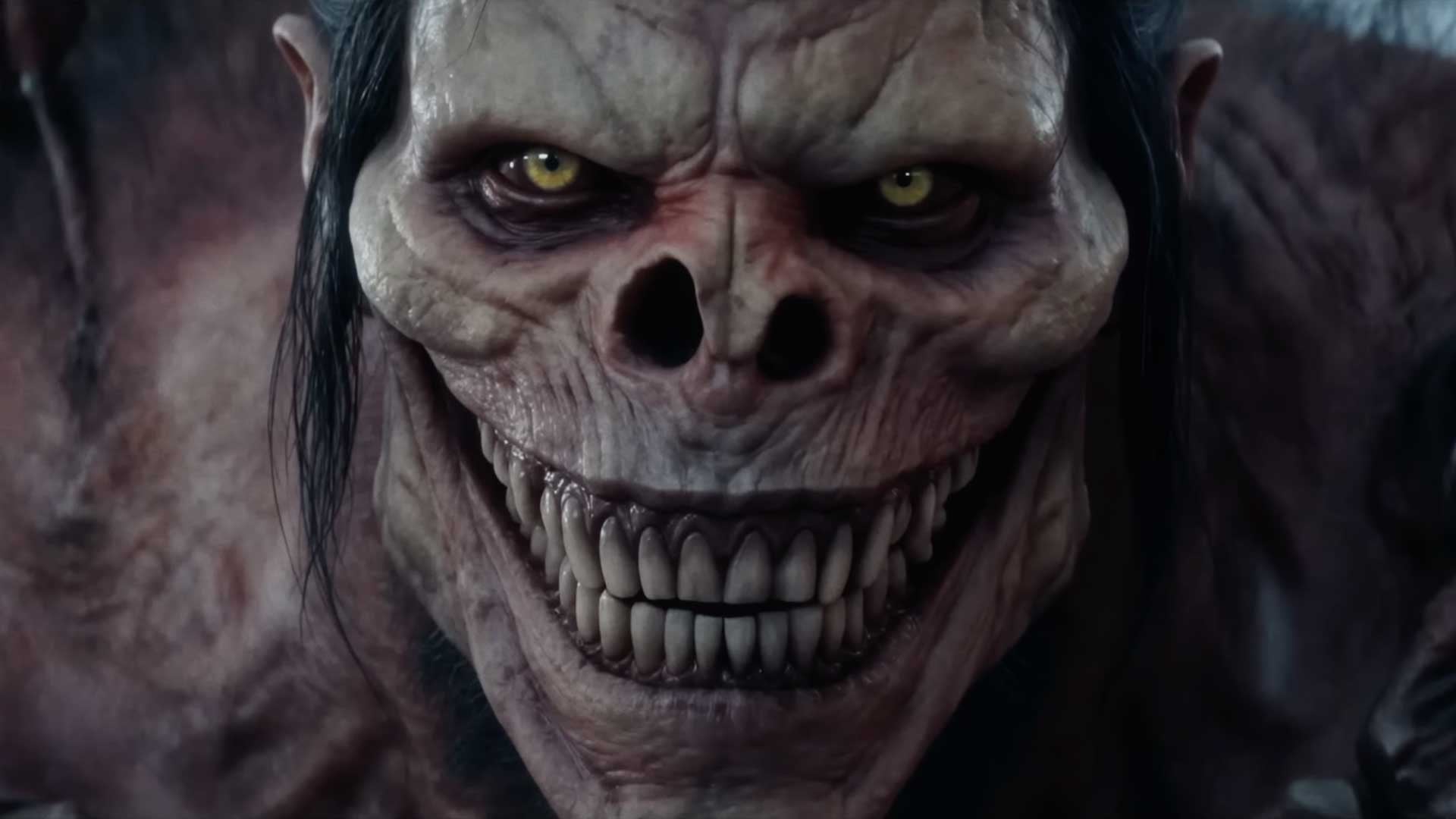
It begins with a character carrying a large red sword in a snowy backdrop with a single tree in the background. We then get what looks like a close-up of the tree, but the snow is now gone. Reddish-brown leaves fall to the ground in the foreground. The trailer then jumps and we a character in the snow, with objects burning in the background. It then cuts to the same character in a different setting, falling to the ground, with blue flowers below him. Then the trailer cuts to a giant Goro-looking monster with a bloody mouth. He’s about to kill someone in slow motion. Blood splatters as a female character comes racing towards the scene. It’s honestly hard to follow what exactly is going on here – even with the narration.
But there are moments where Hell Grind looks just like every other blockbuster on the market right now. Heck, I could argue that it’s no different to what Warner Bros. just released with Mortal Kombat II.
The Gap AI Filmmaking Still Hasn’t Closed… Yet
Every AI film that makes headlines leans on spectacle, demons, explosions, action, because spectacle is forgiving. It disguises the moments where the technology hasn’t quite caught up to human performance, the quiet scene, the held look, the conversation that has to carry emotional weight without anything blowing up in the background. Hell Grind is guilty of that, too.
The question is whether or not it’s a step forward for the technology and whether or not films today are becoming so generic that they might as well be made with this technology.