

Darren Aronofsky‘s first two movies — the high-contrast black-and-white psychological thriller Pi (1998) and the visceral drug-addiction drama Requiem for a Dream (2000) — established him as one of the best filmmakers of his generation. After a brief detour co-writing for David Twohy’s underappreciated submarine supernatural thriller Below, he returned to direct his most ambitious and biggest movie at the time — an epic romance titled The Fountain that blends science fiction and history, all unfolding simultaneously in three parallel stories. This includes segments taking place in the past (the Spanish Inquisition era circa 1500), present (the modern-day setting), and future (the 26th-century deep-space exploration), spanning thousand-year chronicles of love, death, and immortality.
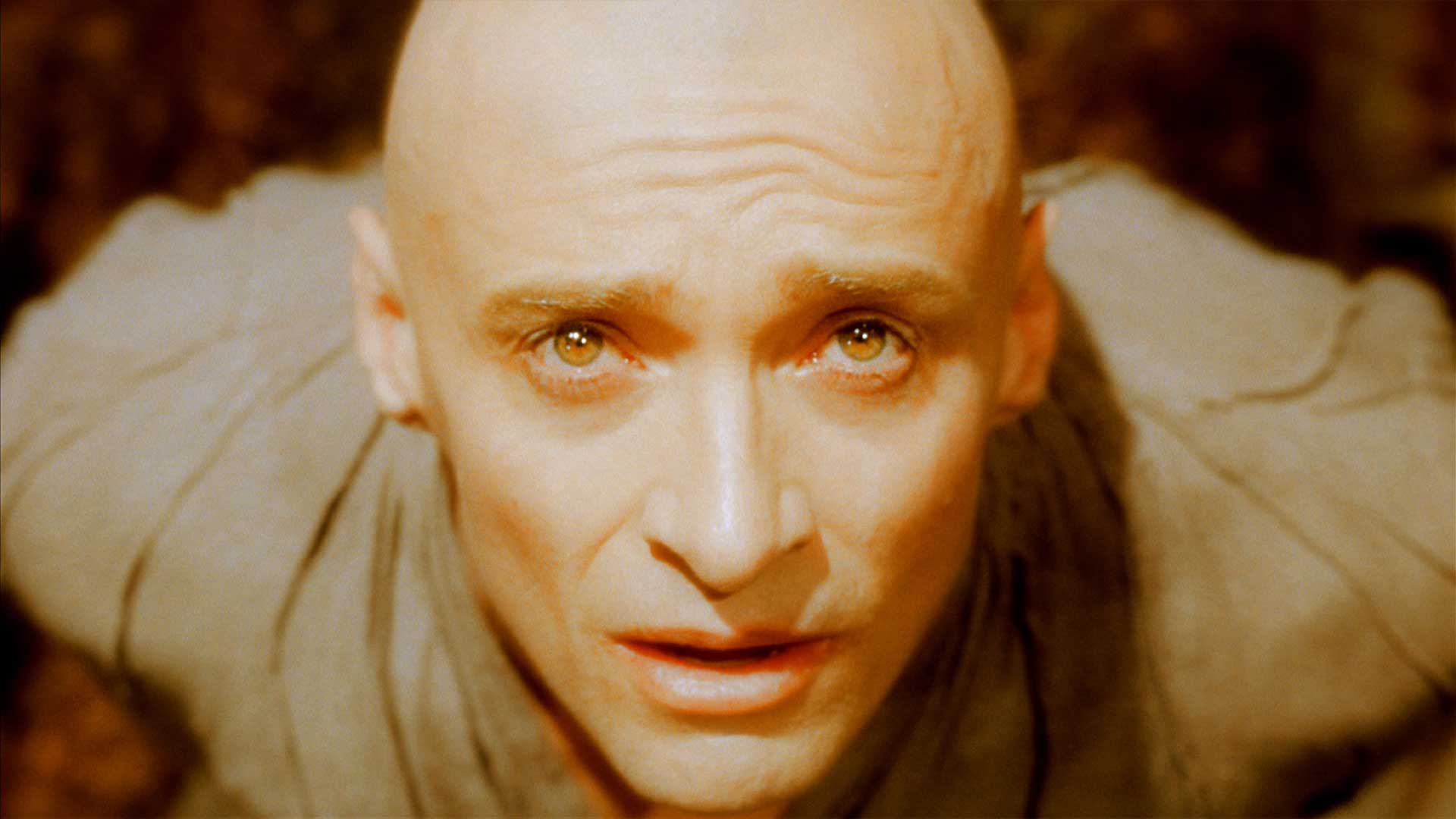
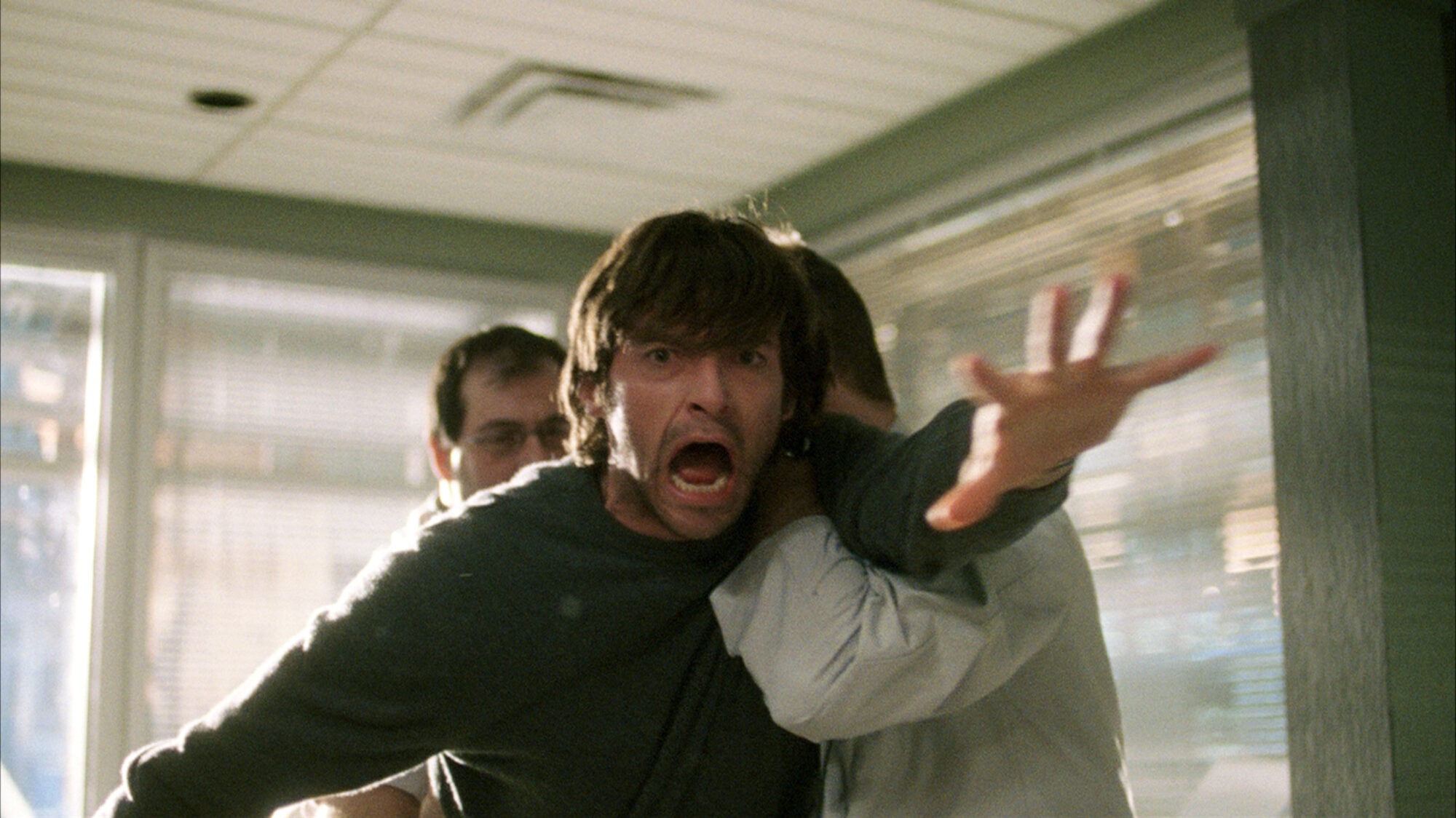
At the heart of The Fountain is Tommy Creo (Hugh Jackman), a scientist from the present-day timeline who is desperately looking for a cure to save his cancer-stricken wife, Izzi (Rachel Weisz). The other two segments navigate between the metaphorical past, focusing on Tomás (also Jackman), a Spanish conquistador on a quest for the Tree of Life to save his queen, Isabella I of Castile (Weisz), and the future. The latter centers on Tom (Jackman), who’s been living inside a giant bio-spherical space bubble containing the dying Tree of Life, which many viewers read as Izzi’s fading memory.
The Fountain was divisive at the time of its release (the film holds a 53% Tomatometer score and a 74% Popcornmeter audience score on Rotten Tomatoes), especially given Warner Bros.’ arguably misleading marketing campaign that alienated mainstream audiences hoping for a sweeping time-travelling blockbuster. Instead, the movie leaned heavily on an arthouse-style melodrama about terminal illness and grief that not even the high-profile casting of Hugh Jackman and Rachel Weisz could help generate interest to steer Aronofsky’s $35 million-budgeted feature into a box-office hit.
It didn’t help either when The Fountain opened on November 22, 2006, during the crowded Thanksgiving weekend dominated by the likes of Happy Feet, Casino Royale, and Déjà Vu, settling only a measly bottom-of-the-barrel No. 10 debut at just $5.5 million domestically over the five-day holiday. By the end of its theatrical run, the movie could only muster a disappointing box-office total of $16.5 million worldwide.
How Darren Aronofsky Filmed The Fountain’s Space Nebula in a Petri Dish

Fortunately, The Fountain has been reappraised ever since, turning what was once a box-office bomb into a cult classic, thanks to Aronofsky’s timeless special effects largely eschewing computer-generated imagery in favor of unique micro photography using various chemical reactions and globules shot in a Petri dish with the help of Peter Parks of Image Quest 3D.
The experiment saw Parks reportedly using yeast and curry powder to achieve the special effects for the space nebula scene, taking him, along with visual effects supervisors Jeremy Dawson and Dan Schrecker, a month of pre-production before cinematographer Matthew Libatique could match the glowing nebula scene with his on-set lighting.
Aronofsky admitted the “visual effects are really, really complicated, amazing and totally mysterious”, and he stood by his firm decision to limit his use of CGI after citing Stanley Kubrick’s 2001: A Space Odyssey as his key influence, since the combination of real photography and objects would prevail longer.
Why Brad Pitt and Cate Blanchett Left The Fountain — and How Hugh Jackman and Rachel Weisz Revived It
Interestingly, when Warner Bros. first greenlit Darren Aronofsky’s project in 2002, he was granted a huge $70-75 million budget, and secured Brad Pitt and Cate Blanchett in starring roles. The original version would have spent money on building expensive sets, including a 10-story-high Mayan pyramid in Australia. But just as things were heading in the right direction, Pitt and the studio demanded script revisions just weeks before filming.
Before that, Cate Blanchett’s pregnancy had caused the studio to delay production to accommodate her schedule. Village Roadshow, the co-backer of The Fountain, decided to depart the project, forcing the production to halt until New Regency took over later. But creative differences remained between Brad Pitt and Darren Aronofsky before the star ultimately quit the production to star in Troy instead.
The production had already cost $18 million by then, and the 2002 shutdown resulted in several film sets and props being auctioned off while the crew members and extras in Australia were laid off. After Pitt’s departure, Blanchett left as well after getting a pay-or-play fee. For all the messes and troubles, it would take Warner Bros. and New Regency about two years to finally come together again, but with a slashed-down $35 million budget, while Hugh Jackman and Rachel Weisz took over the roles instead.
The Fountain is available for rent or purchase on Apple TV, Prime Video and Fandango at Home. It is also listed on Kanopy for free with a participating library card, and JustWatch has up-to-date availability for your region.
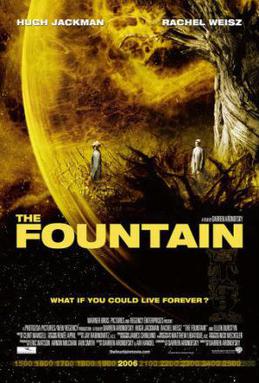
The Fountain |
|---|
As a modern-day scientist, Tommy is struggling with mortality, desperately searching for the medical breakthrough that will save the life of his cancer-stricken wife, Izzi. |
 |
|---|
| Studio: Warner Bros. Pictures, Regency Enterprises, New Regency, Protozoa Pictures, Foy, Inc |
| Running Time: 93 minutes |
| Release Date: November 22, 2006 |
| Cast: Hugh Jackman, Rachel Weisz, Ellen Burstyn |
| Director: Darren Aronofsky |
| Writers: Darren Aronofsky |
| Genre: Drama, Sci-Fi, Romance |
| Box Office: $16.5 million |