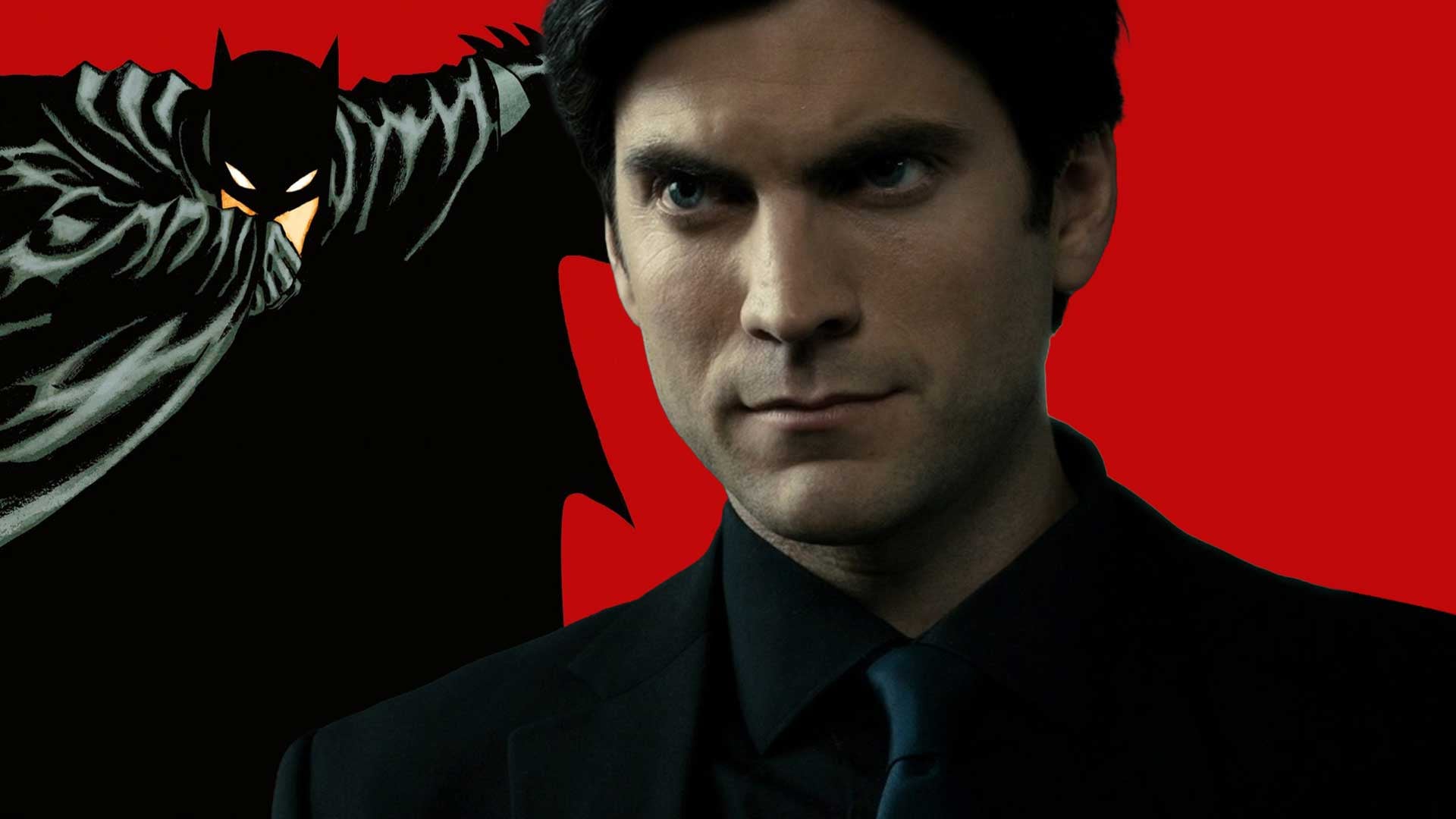


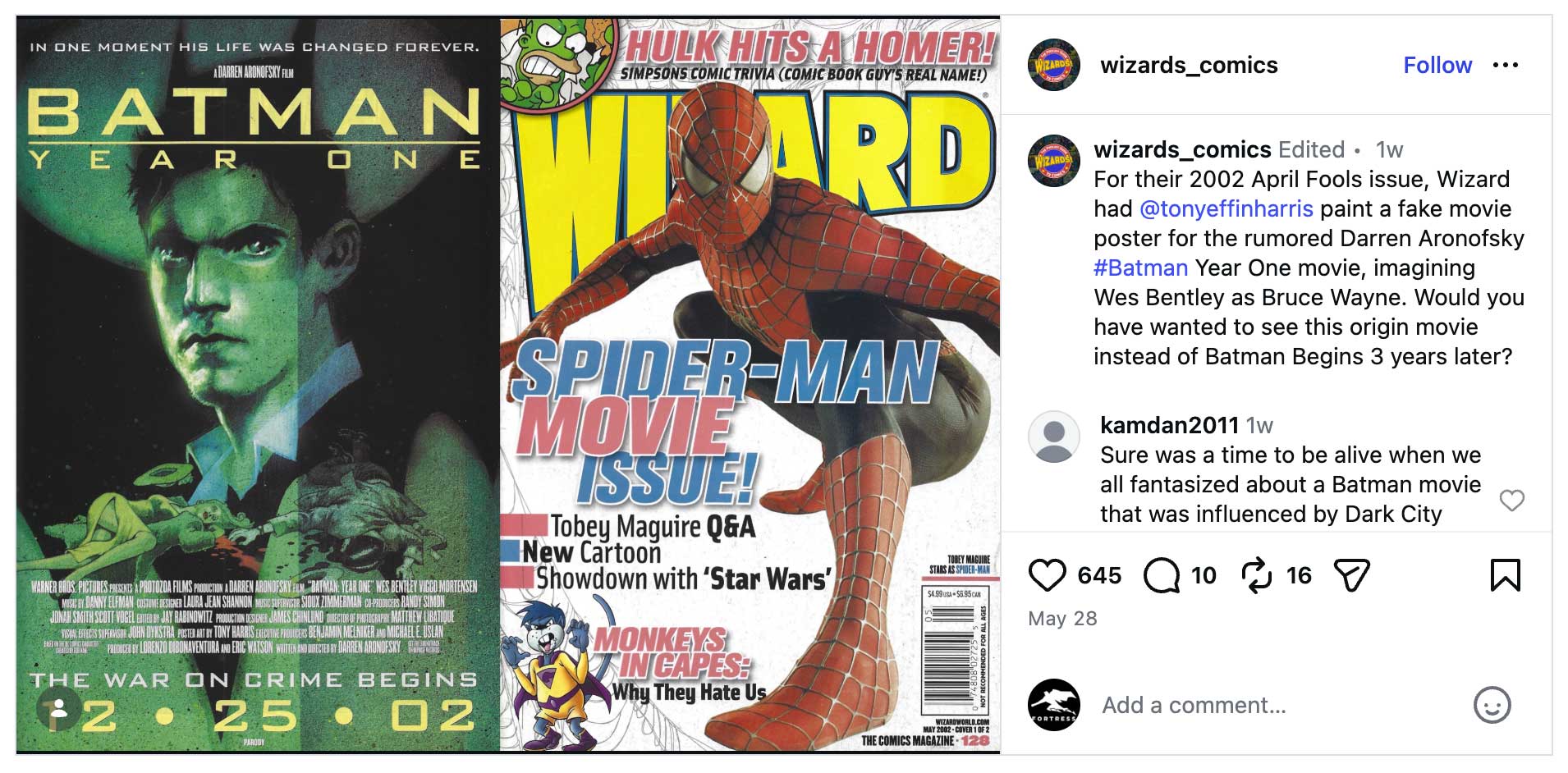
Recently, Wizard Comics posted something on Instagram that surprised a lot of Batman fans: a painted movie poster by artist Tony Harris for Wizard Magazine’s April Fools issue from 2002. The tagline on the fake poster read: “In one moment his life was changed forever.” The film was listed as a Darren Aronofsky production, with a 2/25/02 release date. But the Batman here isn’t Christian Bale or Ben Affleck, it’s Wes Bentley (who had just made a name for himself in American Beauty).
It was an April Fools Day joke, of course. But it also wasn’t. See, Darren Aronofsky’s Batman: Year One was a very real project at the time, and it actually got further than most people know.
How Darren Aronofsky’s Batman Nearly Happened
Putting the names Darren Aronofsky and Batman in the same sentence doesn’t feel right. The filmmaker is renowned for mind-twisting movies like Black Swan and Requiem for a Dream, which often cause tiny existential crises among the viewers, so why would he want to tackle a superhero story about a rich orphan who dresses up like a bat and beats the bejesus out of criminals? Well, Aronofsky had a plan to do Batman in his own cerebral and demented way, and that’s probably the biggest reason the project didn’t happen.
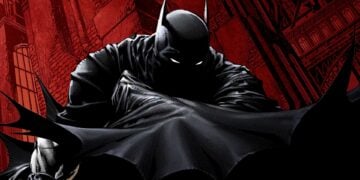
After 1997’s Batman & Robin nearly did what the Joker and Penguin have never managed to do – i.e., kill the Dynamic Duo – Warner Bros. knew it needed to do something drastically different if it was to win back the fans. So, it was out with the camp and in with the seriousness. The studio invited filmmakers to pitch their visions for how they would treat the Dark Knight and was suitably impressed by Darren Aronofsky’s desire to lean into Frank Miller and David Mazzucchelli’s Batman: Year One. The 1987 comic book storyline serves as both an origin for the Caped Crusader and Jim Gordon, albeit a much darker and grim tale that showcases an even seedier Gotham City than usual.
In 2000, Warner Bros. hired Aronofsky, who brought in Miller to help him work on the script. Speaking to The Hollywood Reporter, Miller explained how Aronofsky wasn’t planning on toning down the source material at all. In fact, he wanted to push every single boundary. “I was surprised at the time, because I tend to be the more radical of any team I’m on, but it was Darren who was much more radical than I was,” Miller said. “I said ‘Darren, would you be willing to be faithful to the comics?’ and he was ready to rip the eyes out of them.”
What the Script Actually Was
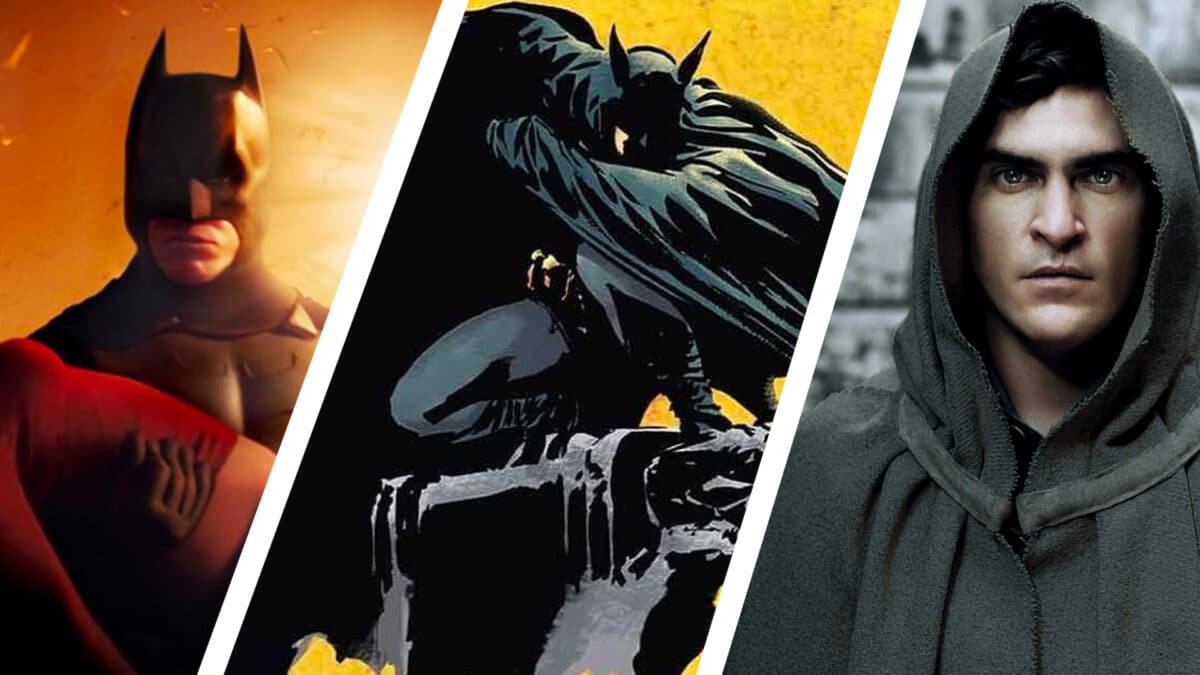
Their version of Bruce Wayne wasn’t the inherited-rich-guy playboy everyone knows. Instead, Wayne rejects his fortune, lives on the streets, works as a cook, and learns to survive in poverty before realising what it will actually take to save Gotham. He then travels the world to study under the greatest masters to shape his mind and body, before returning as Batman. At the same time, Jim Gordon is new to the force, handling life as a father and husband while navigating the city’s corruption — hunting down the mysterious vigilante before eventually teaming up with him.
Aronofsky wasn’t fully committed to the superhero path, either. On the Happy Sad Confused podcast, he admitted: “I was really focused on The Fountain, I never really took that seriously. I wanted to make Fountain, that’s where I was at.” The script he co-wrote with Miller was dark, gritty, and rated R — a “down and dirty, duct tape kind of movie” that wouldn’t sell Batmobiles or Happy Meals.
The Casting Fight That Killed It
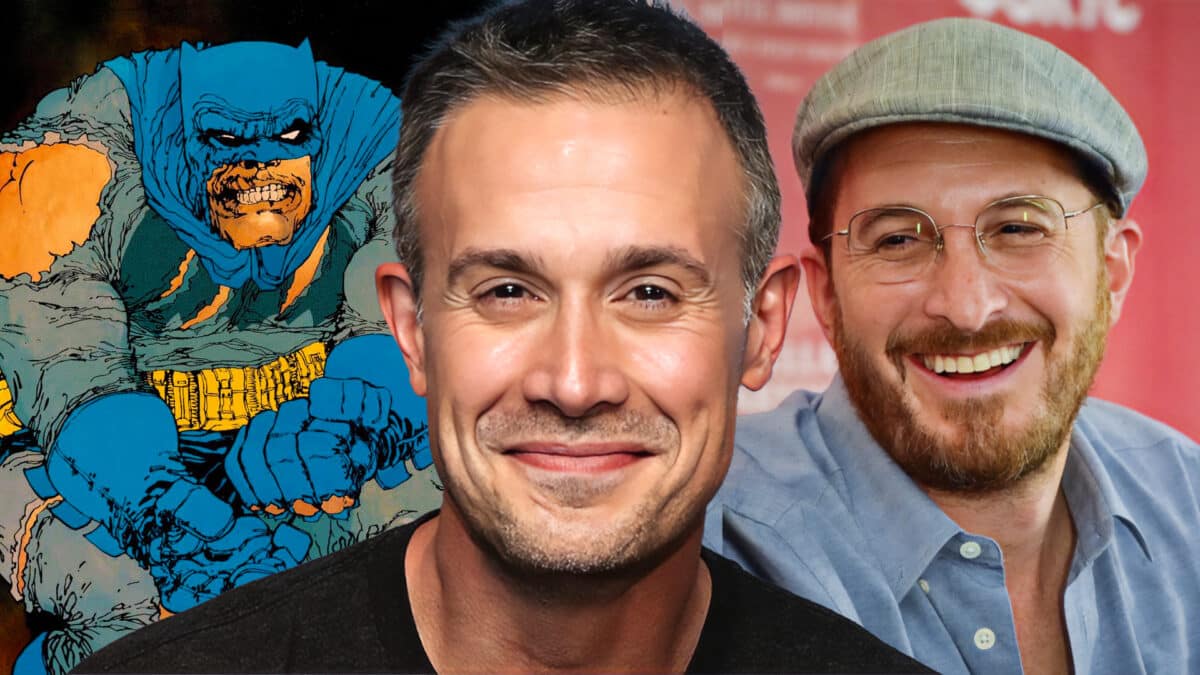
The year 2000 proved to be Joaquin Phoenix’s breakout in Hollywood. While he had appeared in notable films such as To Die For and 8mm, it was his Oscar-nominated role as Commodus in Ridley Scott’s Gladiator that made everyone sit up and take notice of his abilities. He was no longer seen as River’s younger brother, but as a bona fide generational talent. Darren Aronofsky paid attention too, realising he would need someone of Phoenix’s unique talent to make his version of Batman a reality.
Warner Bros. didn’t agree. “The studio wanted Freddie Prinze Jr. and I wanted Joaquin Phoenix,” Aronofsky told Empire. “I remember thinking, ‘Uh oh, we’re making two different films here.’ That’s a true story. It was a different time. The Batman I wrote was definitely a way different type of take than they ended up making.”
That gap tells you everything about where the two sides were standing. Aronofsky was making a film about obsession, violence, and the cost of vigilante justice. Warner Bros. was making a toy commercial with a dark colour palette. Wizard’s poster, imagining Wes Bentley in the role, lands somewhere in between: Bentley had the haunted quality Aronofsky clearly wanted, without the generational weight Phoenix would have brought.
Why Warner Bros. Pulled the Plug
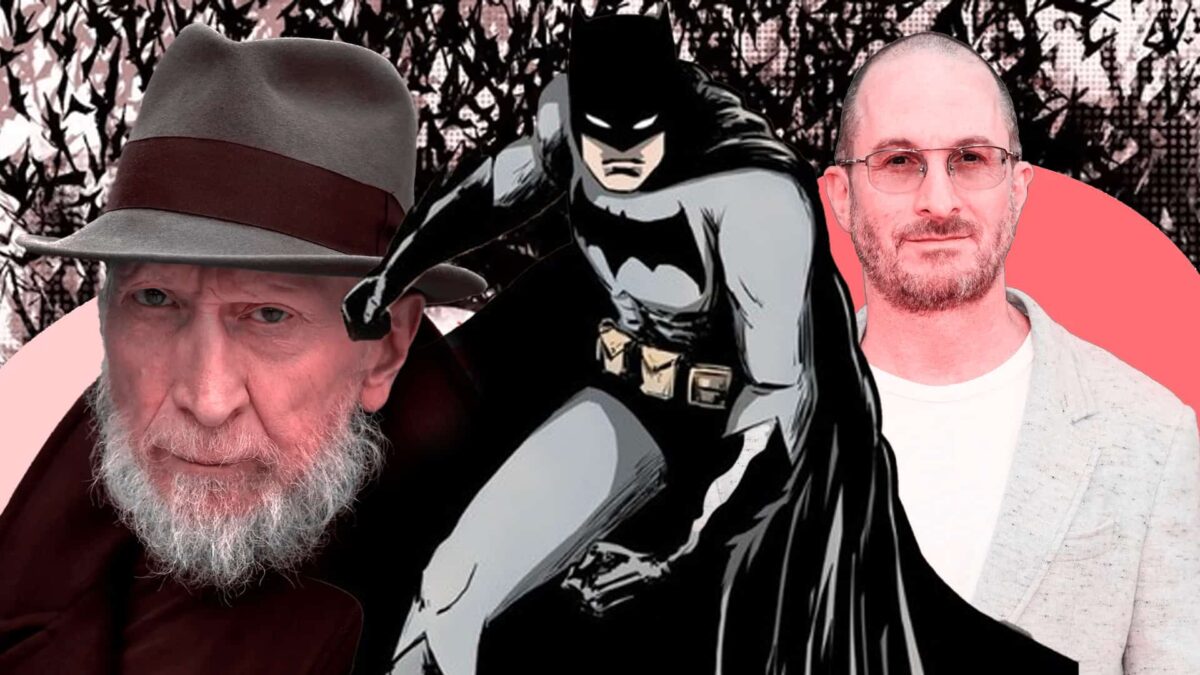
Darren Aronofsky and Frank Miller’s Batman: Year One would certainly not be aimed at children with its darker themes and violence. Instead, it would be a much more mature property targeted at older fans – something that was uncommon for comic book movies in the early 2000s. Discussing Warner Bros.’ first reaction to their script, Miller said: “I think I heard a shriek of horror at first. They were shocked at how bold it was and wanted it to be softened as much as it could be and then we wanted it to be as hard as it could be.”
“A rated-R superhero movie was probably 10 to 15 years out of whack with the reality of the business then,” Aronofsky told Variety. The studio wanted a family-friendly film that could move merchandise. Aronofsky’s R-rated, street-level crusader wasn’t that. By 2002, he had walked away, and Warner Bros. went back to the drawing board.
What Would Have Happened to DC
If Darren Aronofsky’s Batman: Year One had happened, it’s obvious that Christopher Nolan’s Batman Begins wouldn’t have ever materialised, which would have had a dramatic chain reaction effect. Nolan changed the general public’s perception toward superhero films with the success of The Dark Knight and, coupled with the inception of the Marvel Cinematic Universe, kickstarted the comic book movie boom that dominated the film industry for over a decade. Would Aronofsky’s film have had the same influence? Unlikely.
Zack Snyder’s DCEU demonstrated that general audiences aren’t particularly fond of Frank Miller’s version of Batman. If people lost their minds over the Dark Knight branding people and using a gun in Batman v Superman: Dawn of Justice, they would keel over if they read some of the events in Batman: Year One. That said, there’s no doubt Aronofsky had the potential to create something special. It might not have been a good comic book movie, but it would have been a great film for those who prefer their entertainment with a little more substance.
The proof is in what came later. Deadpool & Wolverine, Joker, and Logan all found massive audiences with exactly the tone Aronofsky was describing in 2000. He wasn’t wrong about the film. He was just making it for an audience that didn’t exist yet.
He Was Right. He Was Just 20 Years Too Early
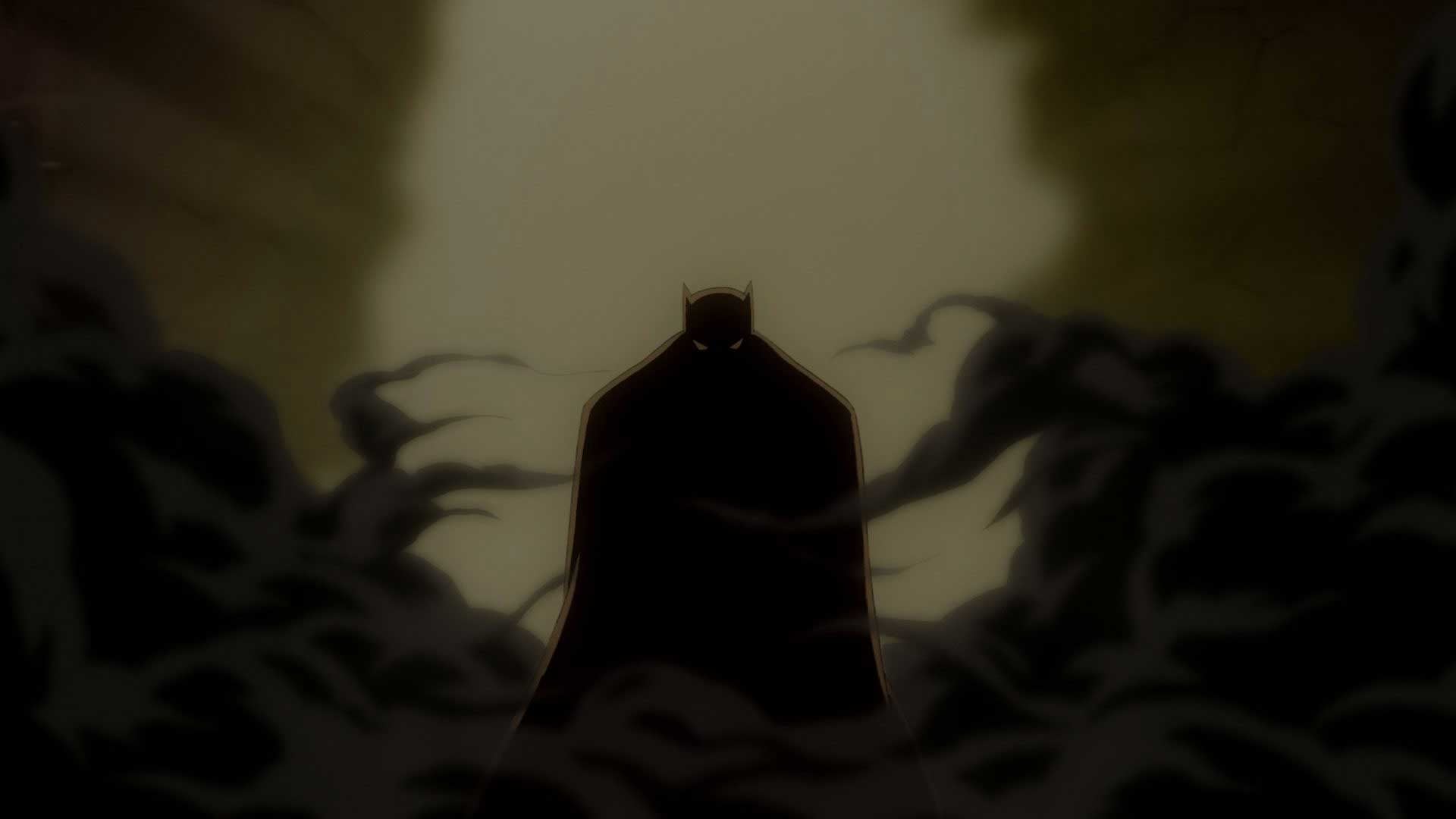
Batman: Year One did eventually receive an adaptation — an animated film in 2011 starring Ben McKenzie as Batman and Bryan Cranston as Jim Gordon. It’s good. It’s not what Aronofsky would have made.
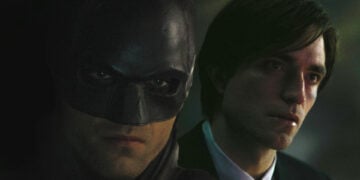
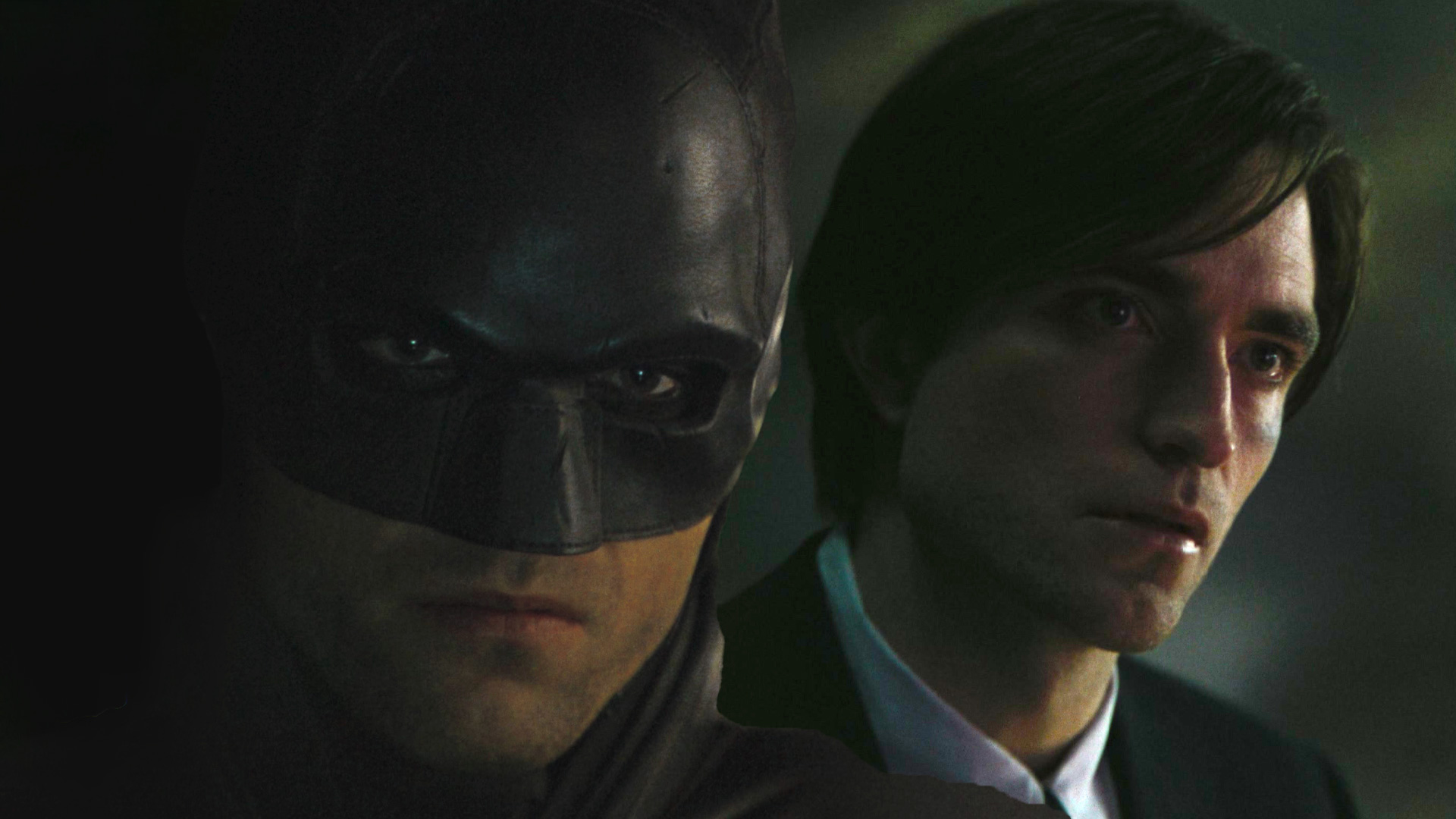
As for what comes next, Matt Reeves’ The Batman remains the closest thing to a spiritual heir to what Aronofsky was attempting — dark, grounded, more interested in Gotham’s rot than its spectacle.
The Wizard poster of Darren Aronofsky and Frank Miller’s Batman: Year One surfaced as a joke in 2002. More than two decades later, it doesn’t feel like one.