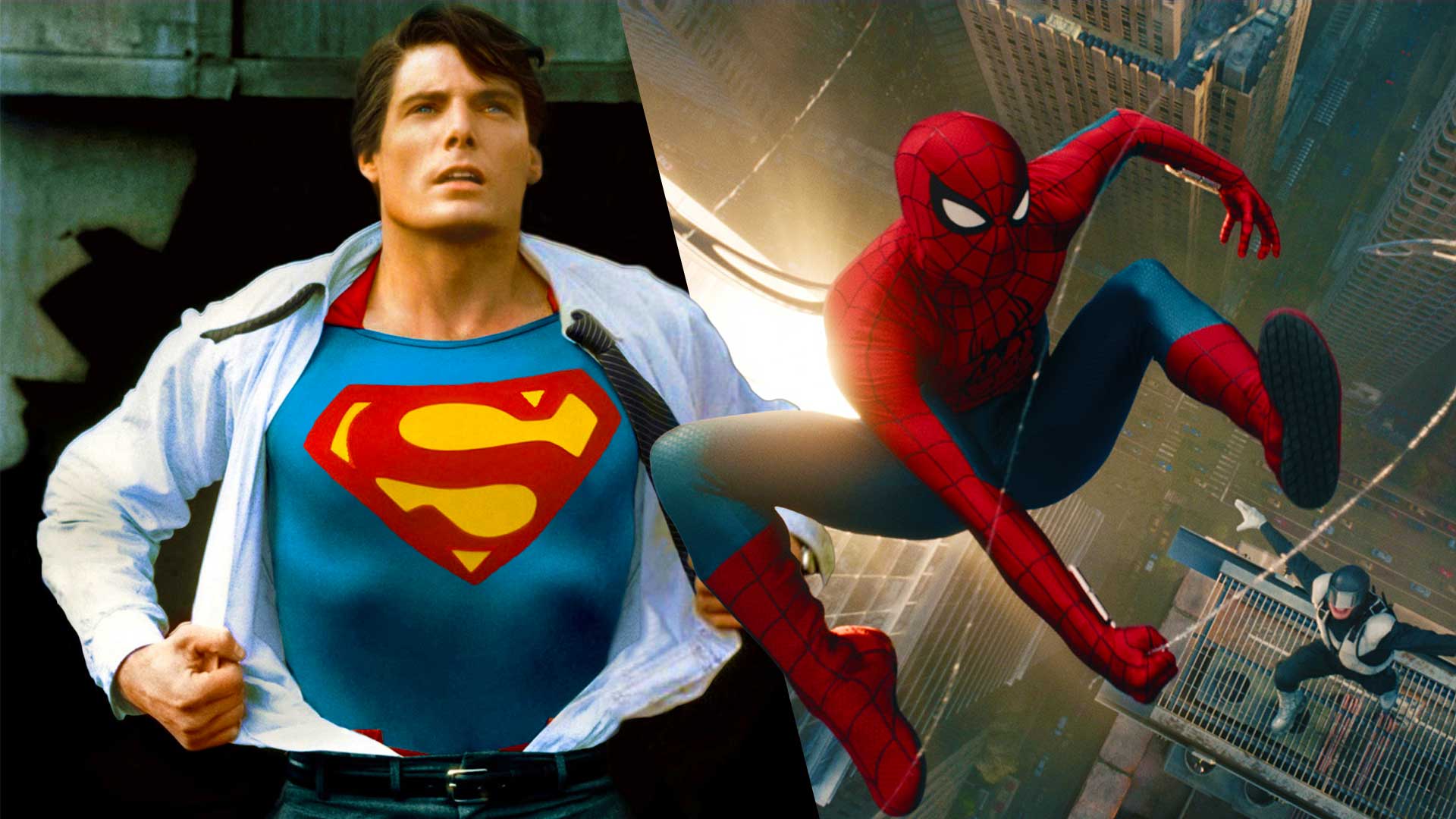


1981’s Superman II ended with one of the most heartbreaking scenes in superhero movie history: Superman wipes Lois Lane’s memory of the last few days (including Lois discovering his secret identity as Clark Kent) with a passionate kiss. After Clark finds Lois crying in her office because she knows she’ll never be able to be with him, he decides to sacrifice the romantic moments they shared together, as well as any future they dreamed of. The scene became one of the most talked-about moments of the film and demanded a follow-up that answered the question: How does Superman live in a world where the woman he loves has no idea what he gave up for her?
Well, Superman III didn’t bother answering that question. Instead, they sent Lois Lane on vacation to Bermuda. She’s missing for most of the film. In her place is Clark’s high-school sweetheart, Lana Lang (played by Annette O’Toole).
When Clark attends a class reunion in Smallville, he discovers that Lana is now a single mother. The good news is that she genuinely loves Clark for who he is, and isn’t in love with him because he’s Superman. So Clark no longer needs to be more than, well, Clark Kent.
And while it’s great to see Clark finally accepted, the film largely moves on as though Superman II’s devastating finale never happened. So those fans who were hoping that Lois and Superman might find a way to still be together are bitterly disappointed. The build-up to that moment was all wasted in Superman III, and Lois was cast aside almost completely.
That has to be one of the greatest dropped balls in film history.
Now, in 2026, Spider-Man: Brand New Day stands in exactly the same position as Superman III did back in 1983. Thankfully, from the trailers we’ve already seen, it looks like the film will honor the emotional weight of what came before, and not pretend it never happened.
And honestly, Marvel cannot afford to make the same mistake here, especially not with an ending as devastating as Spider-Man: No Way Home’s.
What Superman II Set Up — and Superman III Refused to Pay Off
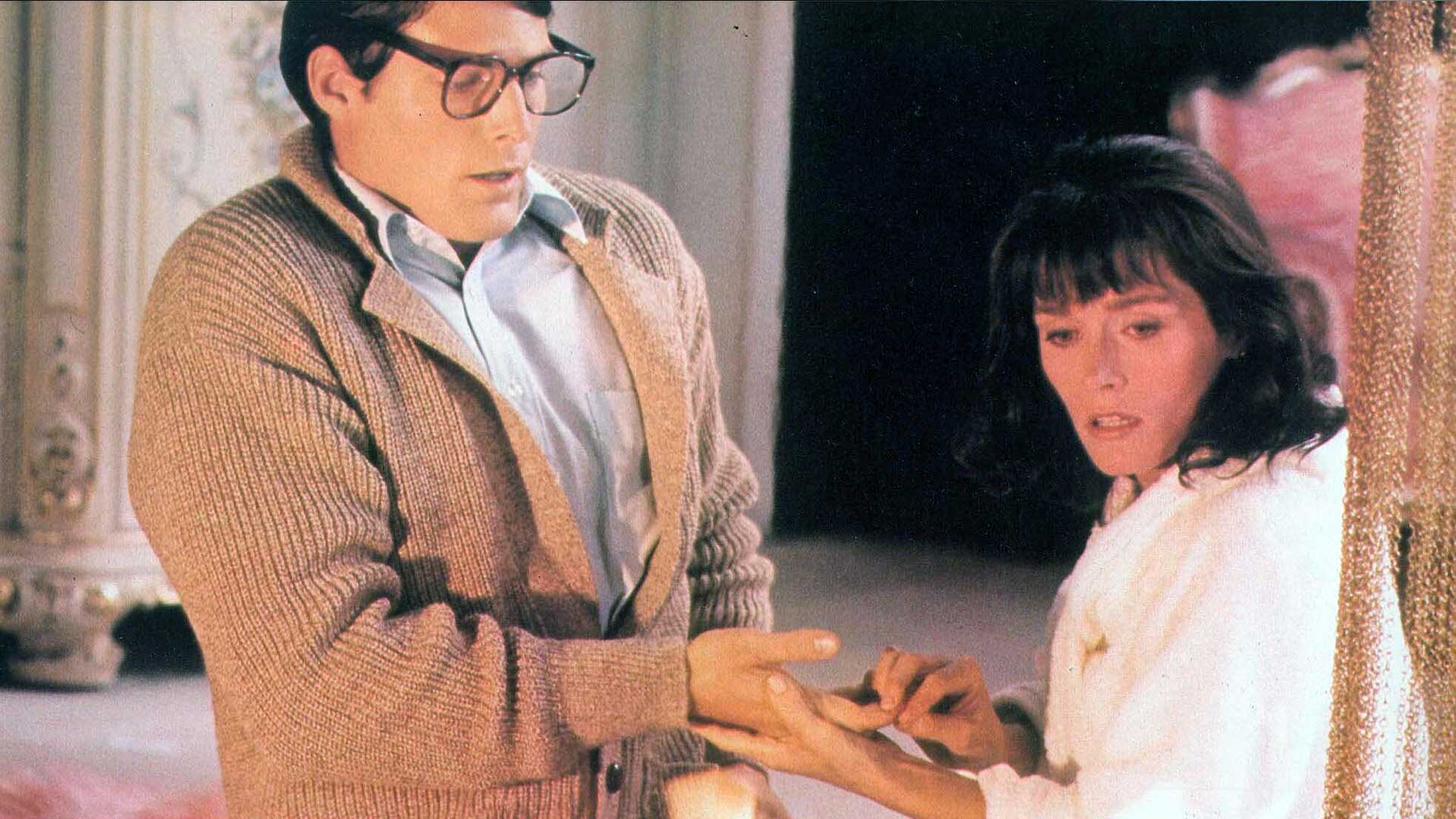
To fully understand why Superman III’s bad creative decision matters, you have to fully understand what Superman II actually built. The 1981 film, celebrating its 45th anniversary this year, was actually one of the first major superhero movies to make romantic sacrifice this important to the film’s story. In the film, Superman doesn’t just fight General Zod and his cronies. He also falls deeply in love with his co-worker at the Daily Planet, Lois Lane.
This ultimately leads him to fly to the Fortress of Solitude and convince his mother that he wants to give up his powers in order to be with Lois. When Zod appears on Earth, Clark realizes that he has acted “selfishly” and returns to the fortress to beg for his father’s help. When he finally regains his powers and defeats Zod, he realizes that he and Lois can never actually be together. So he kisses her and wipes her memory of most of the events of Superman II so she can live safely without carrying the weight of his secret.
Of course the super-kiss has gotten a lot of criticism over the years. One, because it is incredibly convenient, and, two, because Superman never ever displayed this power before – especially not in the comic books.
Still, the emotional idea beneath it is sound and genuinely original for its time: a superhero who sacrifices the relationship itself in order to protect the person in it. Clark Kent does not get the girl. He chooses to make her forget. It might not seem like it in the scene, but this was an incredibly heartbreaking decision for him.
Logically, the next film should have dealt with the aftermath of his decision – which to some degree, Superman Returns actually does, in parts. In that film, which is meant to be a loose continuation of Christopher Reeve’s films, Clark feels alone, rejected and broken by his own decisions – even sending him back to Krypton to look for other survivors of his planet.
But Superman III skipped all that drama. Instead, they got Richard Pryor on board as comic relief and just prodded along like Superman II‘s ending never even mattered. We never see how Superman lives with his decision. We never see whether Lois treats him differently. We never see how that affects Clark. Superman still carries the memories, but he is the only one who really knows what happened between him and Lois. And, honestly, it’s heartbreaking.
No Way Home Set Up Something Even Bigger
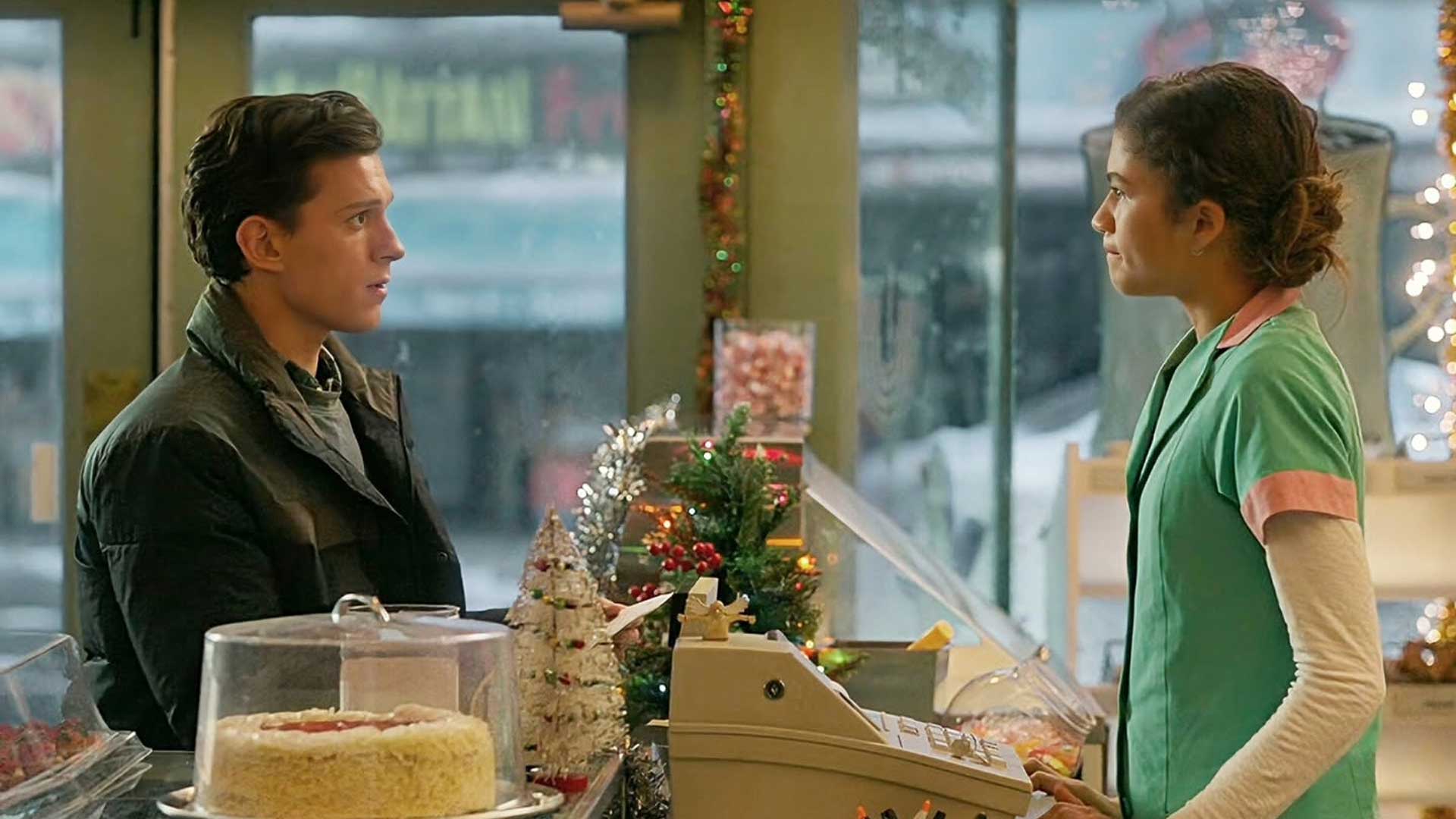
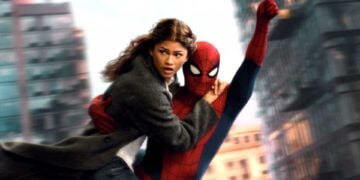
Spider-Man: No Way Home ends with a memory wipe that feels very similar to Superman II’s. In order to save the world, Peter Parker tells Doctor Strange to cast a spell that makes everyone forget him. And that includes his best friend, Ned, and the love of his life, MJ. And when you think about it, it’s actually a lot worse than Superman II because Lois at least still remembers Clark, but in the Spider-Man films, MJ doesn’t even know Peter exists at all. He’s completely wiped from her memory. Everything they had is gone. Completely.
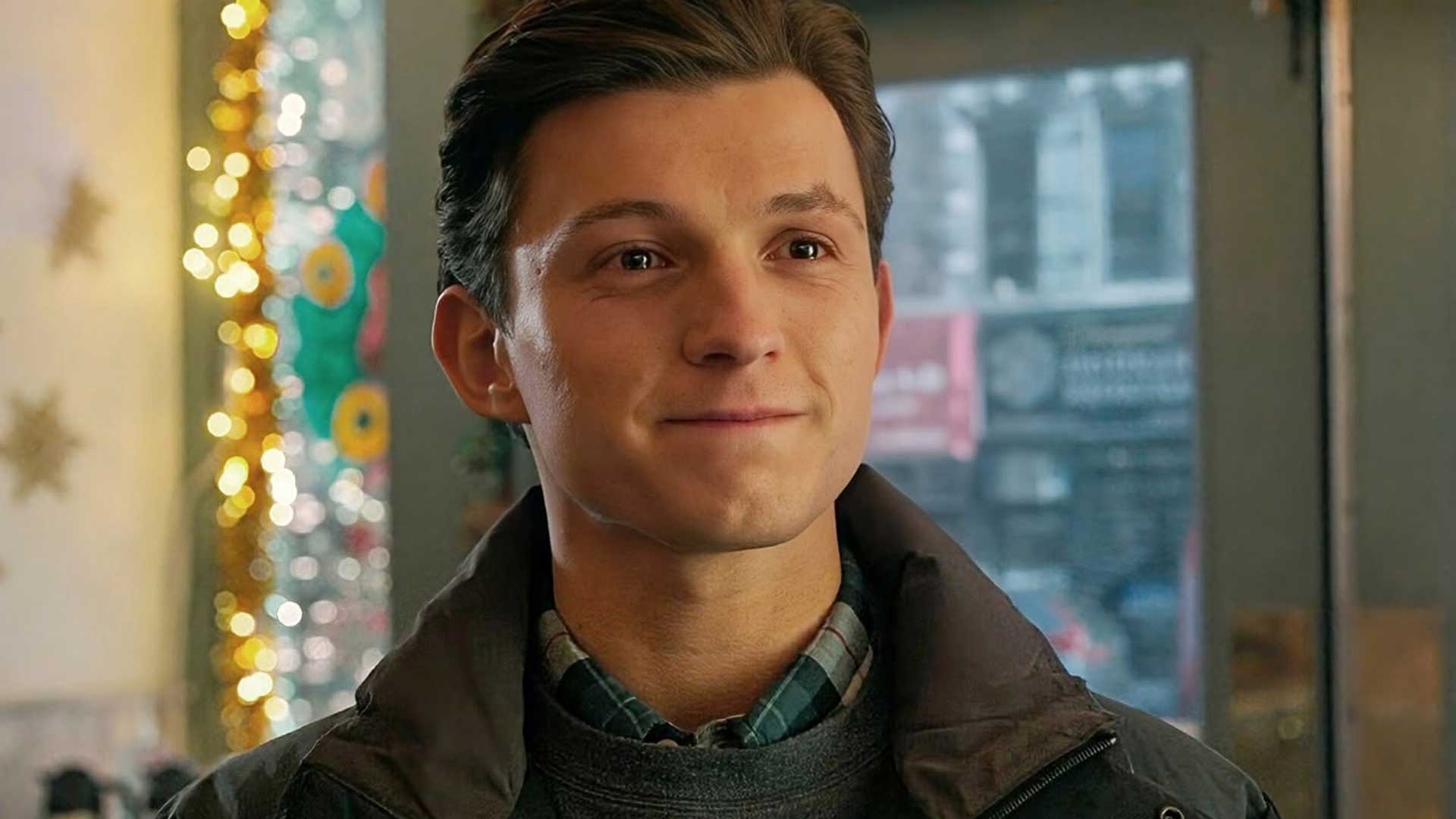
Spider-Man: No Way Home ends with Peter standing at a coffee shop, staring at the girl who used to love him, fully aware that she has no idea who he is. He looks completely broken and lonely. And even though he considers telling her the truth, he decides not to and walks away into a city that doesn’t know who Peter Parker is. He has no friends, May is dead, and even the Avengers won’t remember him anymore. He’s the only one who carries the memories.
It’s a moment that actually lands a lot harder than Superman II‘s did because the three films in the Spider-Man franchise actually took the time to build Peter and MJ’s relationship with care. The audience knows and understands what he has lost. And we genuinely sympathize with Peter’s pain.
Which is exactly why what Spider-Man: Brand New Day does next matters so much.
The Lana Lang Problem — and Why Marvel Has to Avoid It
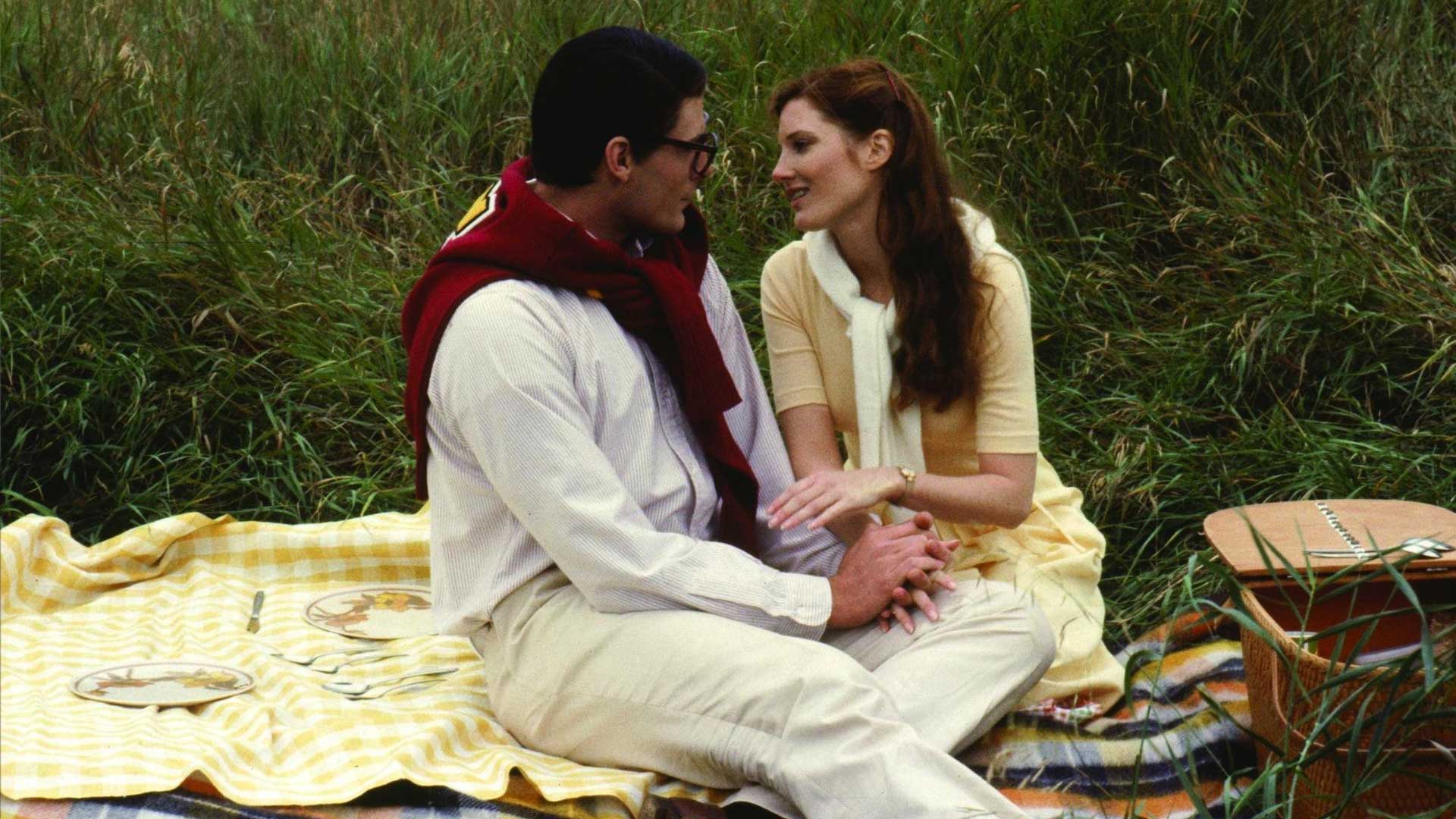
It’s easy to understand the writers’ decision for Superman III. Starting from scratch was much easier for the filmmakers than continuing such a heavy and emotional arc in a comic book movie. Fans wanted to see a hero take on bad guys and win, and not necessarily see him deal with grief. And yet, Superman III was still about grief in a way. Even though Clark Kent got a new love interest, he ends up completely losing himself. That’s why we got that iconic Clark versus Superman fight scene. Superman was fighting himself internally and physically.
But it’s hard to deny that Lana Lang exists in Superman III, at least in part, because the filmmakers did not want to write the harder story that Superman II‘s ending demanded.
Spider-Man: Brand New Day faced the very same temptation: Start afresh with Peter moving on to a new love interest (and there’s plenty to choose from in the comics too), or face the music and have Peter explore his grief. Thankfully, the writers chose the latter, even though it’s the more difficult story to write.
And his grief is a little complicated too. Spider-Man actually doesn’t really have the option of mourning publicly. He has to get on with being Spider-Man. Plus, he cannot really explain his loss to anyone either. There’s no comfort for him. It’s the price he has to pay for being a hero.
It’s hard to deny that it would have been easier for the writers to just give Peter a clean slate (I mean, the film is called Brand New Day after all). Thankfully, they chose to do what Superman III refused to do: commit to the love story they’ve already created between the two characters.
What Brand New Day Can Do That Superman III Never Did
The opportunity sitting in front of Spider-Man: Brand New Day is significant. No previous superhero film has fully explored what it costs a hero to live in the aftermath of a memory wipe. Superman III had the first chance and declined it. No Way Home set up the conditions for a second attempt, with higher emotional stakes and a larger audience invested in the outcome.
The most interesting version of Brand New Day does not resolve the MJ situation quickly. It does not give Peter an easy path back to her or manufacture a convenient loophole in Strange’s spell. It sits with the weight of his loss for a long time. Based on the trailers, we’ll get to see Peter watch MJ from across a room and decide over and over again whether or not he should be with her. That material has so much more to explore. Like how heroism feels completely different when the one person in the world you love (and probably secretly protect) doesn’t even know you exist.
That’s the story Superman III chickened out of. Brand New Day won’t send MJ to Bermuda. It will make Peter’s sacrifice mean something much more.
The Franchise Is Riding on Getting This Right
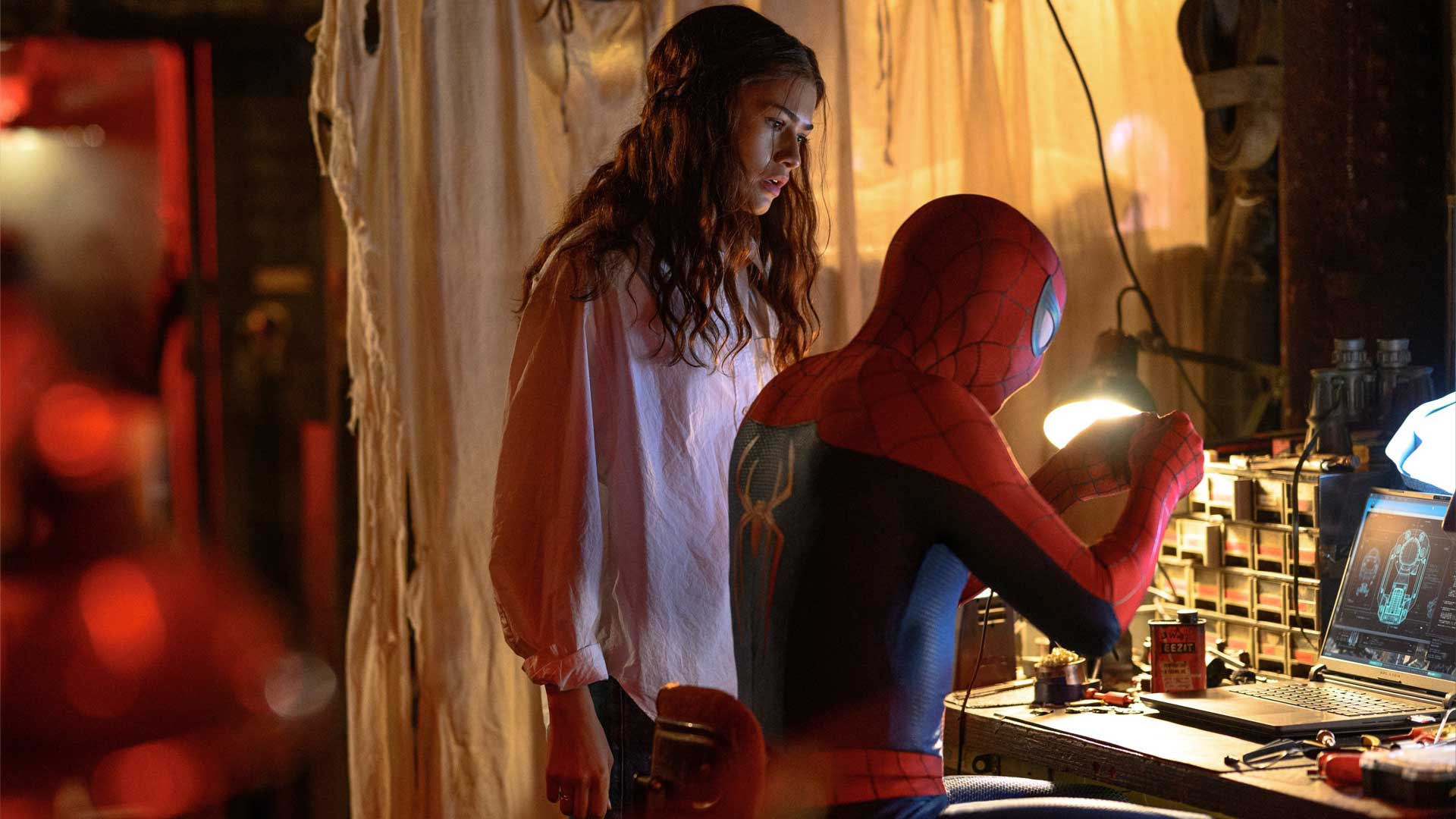
The MCU’s Spider-Man films have succeeded, in large part, because they treated their emotional stakes seriously. We saw that in Tobey Maguire’s Spider-Man II, and we saw it again in The Amazing Spider-Man 2 with Andrew Garfield as well. Loss and grief have always been a part of the Spider-Man story. In fact, No Way Home is the highest-grossing Spider-Man film ever made, and a significant portion of its power comes from an ending that genuinely hurt.
Superman III’s legacy is a cautionary one. There are a lot of lessons Brand New Day‘s filmmakers can take away from it. It’s the perfect example of what not to do. What should have been a film about grief became a story about a supercomputer and a man who gets drunk and plays pool. Because of their decision not to face the story it created in Superman II, every film in the franchise that followed failed miserably. Christopher Reeve’s Superman never recovered.
Spider-Man: Brand New Day does not have to follow that trajectory. Thankfully, over time, we’ve learnt that the real stakes in these movies, even comic book movies, are not just the punches. They are always the relationships. They are always what the hero loses along the way.
Peter Parker is standing in a coffee shop looking at a girl who does not remember him. That image is the beginning of something unique, not the end of the story. Brand New Day has to continue that arc.
Forty-three years ago, Superman III walked away from its most interesting story. Spider-Man: Brand New Day shouldn’t.