

Earlier this year, the Library of Congress added The Karate Kid to the National Film Registry — its official declaration that the 1984 original is a culturally and historically significant American film. The sequel that followed it, The Karate Kid Part II, turns 40 this month. And it did something almost no 1980s blockbuster sequel managed to pull off: it outgrossed its predecessor.
The Karate Kid films are probably best described as an erratic franchise hampered by mixed qualities. The first two movies remain the gold standards, and to a certain extent, the otherwise much-maligned Karate Kid Part III benefited from the memorable introduction of Thomas Ian Griffith’s Terry Silver. The less said about the next film, the dismal Next Karate Kid, the better. And then, of course, last year’s Karate Kid: Legends was nothing more than a desperate cash grab trying to capitalize on the success of the Jaden Smith and Jackie Chan-starred Karate Kid remake and the Cobra Kai television series.
Now, looking back at the 40th anniversary of The Karate Kid Part II, the sequel did impressive business at the US box office, grossing $12.6 million during the first three-day weekend in the summer of 1986. It even held the No. 1 spot for four consecutive weekends, before a certain James Cameron movie called Aliens overtook it.
Still, The Karate Kid Part II showed amazing legs throughout the summer movie season before finally ending its theatrical run in November that year. By then, it made $115.1 million with an additional $14.9 million coming from overseas, totalling $130 million – a significant improvement over The Karate Kid’s $90.8 million two years before. Plus, the sequel was popularly known for Peter Cetera’s anthemic power ballad “Glory of Love”, which garnered an Oscar nomination for Best Song.
The Karate Kid Part II also marked a rare feat for breaking the sequel curse, where ’80s sequels rarely outgrossed their predecessors. In fact, blockbuster sequels like The Empire Strikes Back and Superman II couldn’t even eclipse, let alone match, the financial successes of their respective first movies. The same with Indiana Jones and the Temple of Doom and Indiana Jones and the Last Crusade; neither of the follow-ups managed to topple Raiders of the Lost Ark.
So, despite its mixed reception, the success of The Karate Kid Part II was really surprising.
How The Karate Kid Part II Picked Up Exactly Where The Original Left Off
Unlike Ghostbusters II, which radically changed its tone from the 1984 original, where the team went out of business, and everyone parted ways at the beginning of the sequel, returning director John G. Avildsen and screenwriter Robert Mark Kamen wisely open The Karate Kid Part II with a well-placed recap of the first movie. This included a replay of the iconic climactic 1984 All-Valley Karate Tournament showdown between Daniel LaRusso (Ralph Macchio) and Johnny Lawrence (William Zabka), ending with the famous crane kick that knocked down Johnny.
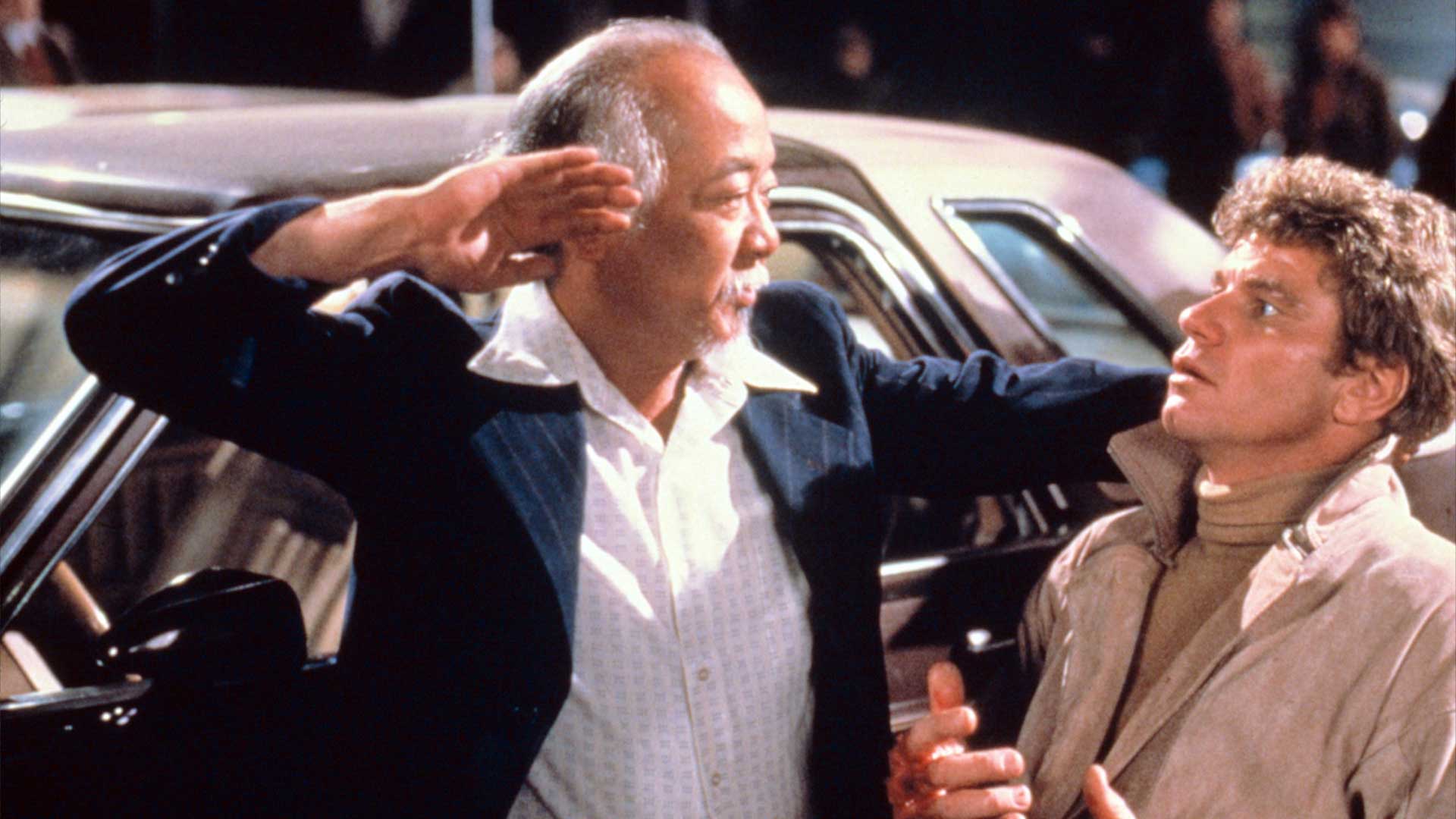
So the story in The Karate Kid Part II picks up exactly after Daniel wins the tournament and the opening scene even includes a confrontation between Mr. Miyagi (Pat Morita) and John Kreese (Martin Kove), after the latter attacks his student at the parking lot for losing the tournament.
Miyagi’s intervention is best remembered for his evasive fighting technique. He manages to avoid getting punched, not once but twice, causing Kreese to injure his own hands by smashing through the car windows. Then, just as Miyagi looks as if he’s going to finally strike Kreese, he only squeezes his nose playfully. Miyagi chooses to humiliate him in front of everyone instead of resorting to the same violence Kreese displays.
Why The Karate Kid Part II Ditched The Revenge Plot And Won
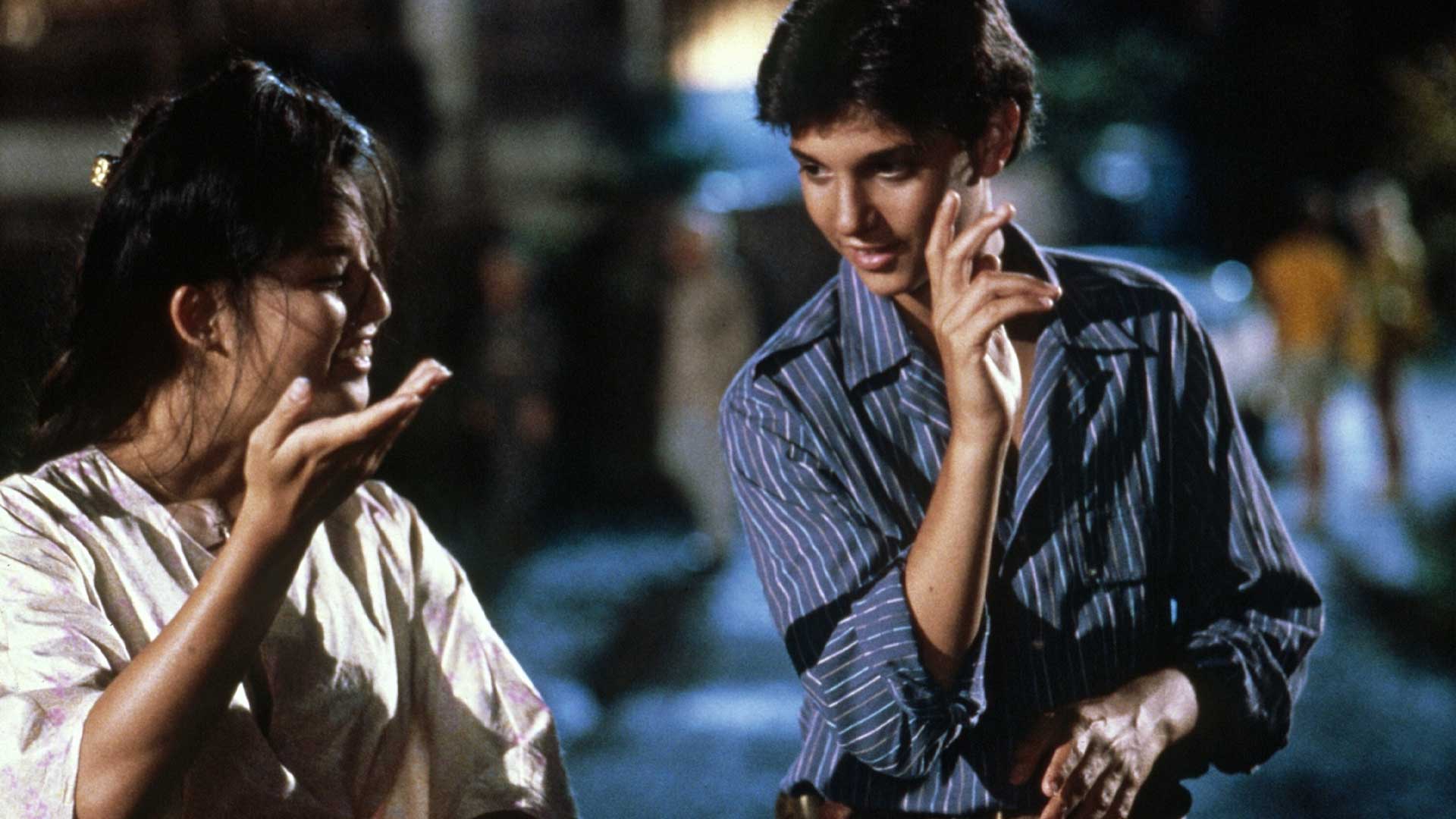
One of the most common setbacks found in sequels is the overreliance on rehashing the same formula, thinking that playing it safe would work better. Among the best examples is Another 48 Hrs., a sequel to the breakthrough 1982 action-comedy classic, which ended up being inferior. By contrast, The Karate Kid Part II avoids the same mistake. The filmmakers could have easily gone for the typical revenge route and focused on Kreese’s refusal to give up – maybe even training a new student to take on Daniel (which is exactly what happens in The Karate Kid Part III).
Instead, the sequel flips the script by zeroing in on Mr. Miyagi for a change without losing the core narrative surrounding Daniel. When Miyagi receives a letter written by Yukie (Nobu McCarthy), his former lover, he has to travel back to his hometown in Okinawa, Japan, to visit his gravely ill father. He takes Daniel along with him. But Miyagi’s return home reignites a longtime feud with his former best friend, Sato (Danny Kamekona) and, in turn, a new enemy for Daniel. With the help of Kumiko (played by Tamlyn Tomita), Daniel’s new love interest, he learns more about his mentor’s past, which becomes the emotional anchor of the sequel.
Chozen Is A More Dangerous Villain Than Johnny Lawrence — And That’s The Point
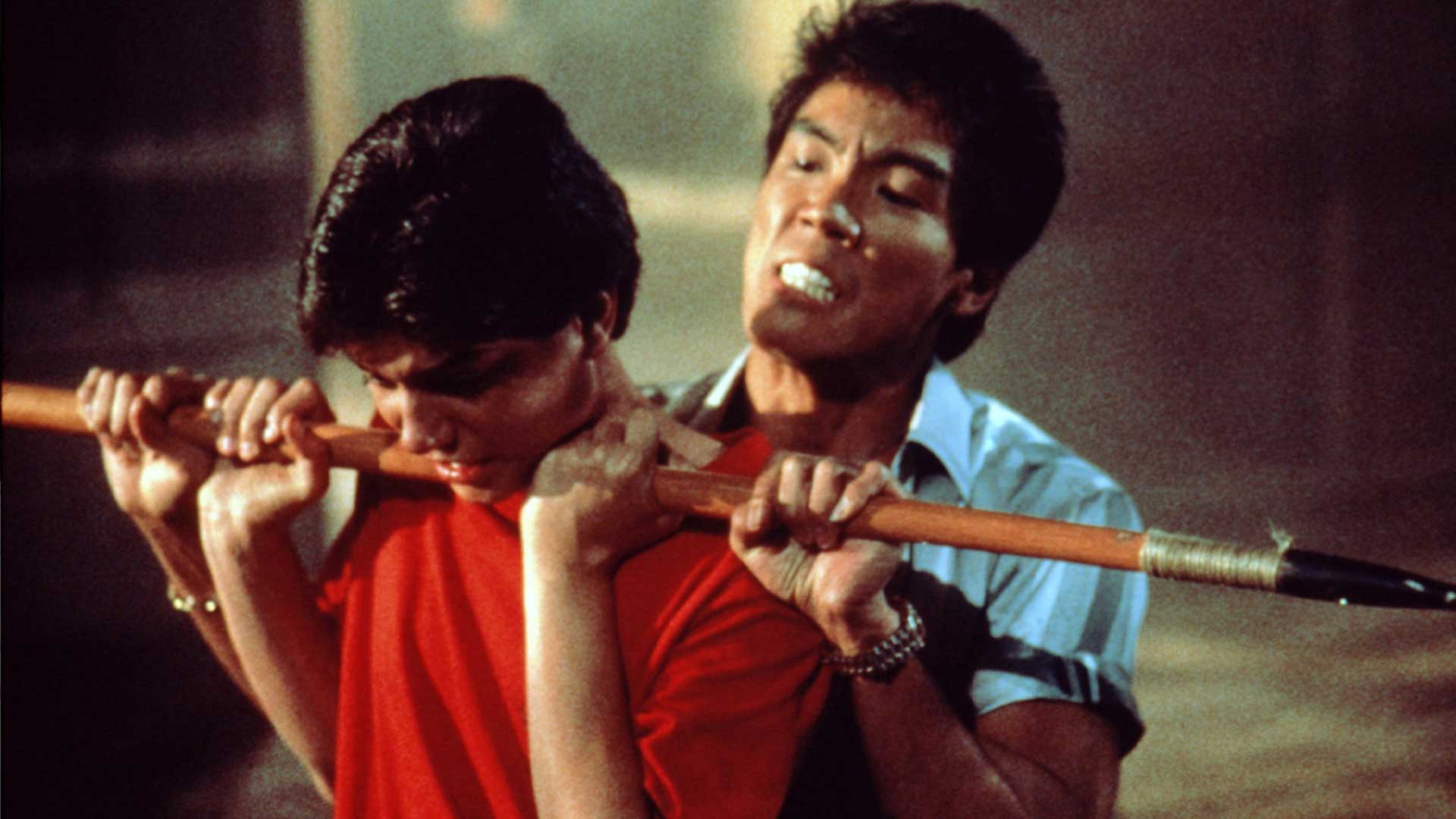
The Karate Kid Part II introduces Chozen (Yuji Okumoto), Sato’s nephew and top student, who becomes the primary antagonist of the film. Unlike Daniel’s high-school bully, Chozen is morally corrupt and authoritative. Given his uncle’s powerful status and immense wealth in the island of Okinawa, he feels a huge sense of entitlement to do whatever he pleases, including bullying and conning the poor villagers in the market. He is also violent and ruthless, even devoid of honor and restraint.
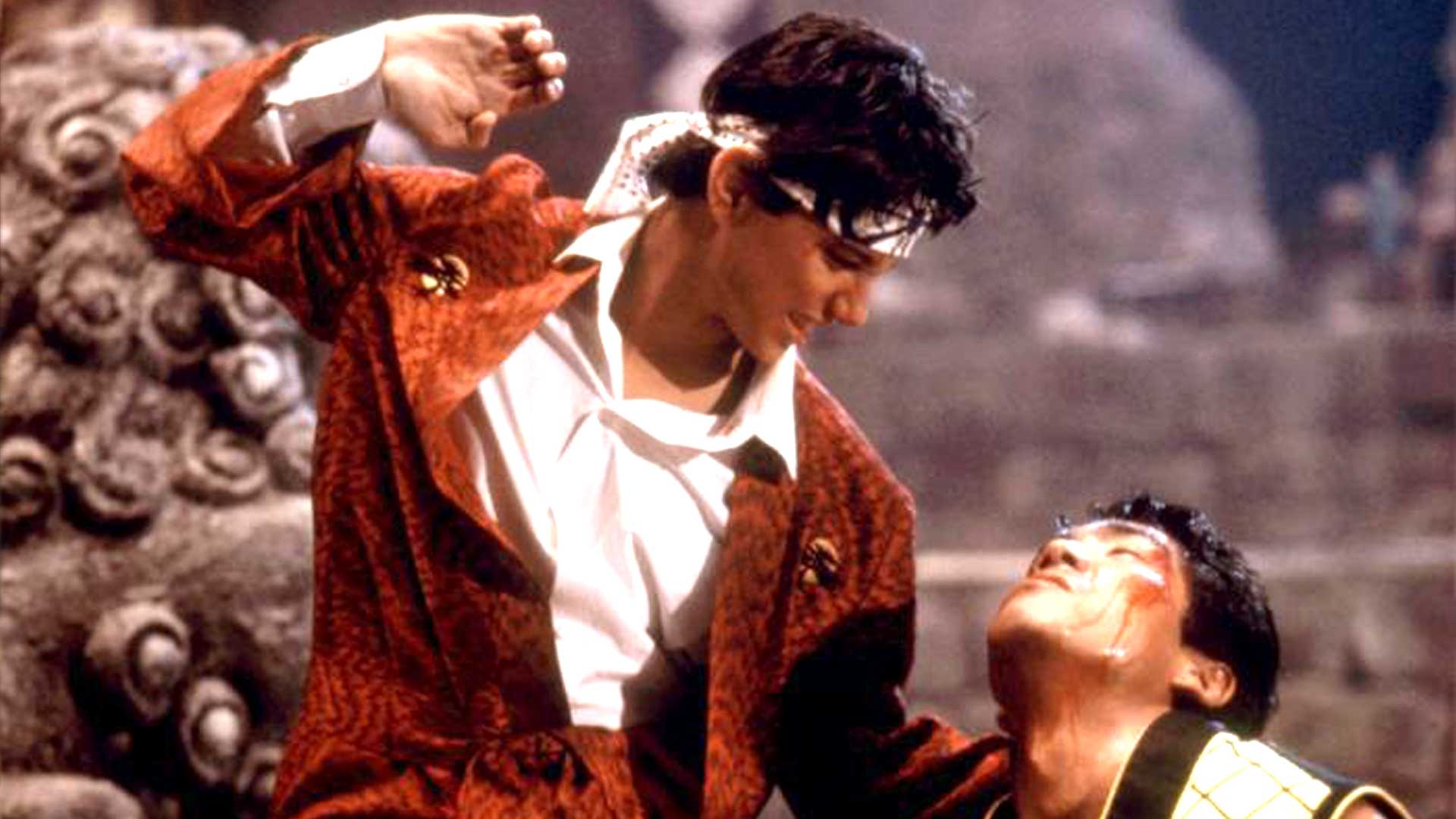
In the final fight of the film, Chozen challenges Daniel to a fight. Here, Avildsen elevates the scene by not rehashing the same ending of the first movie. The stakes are higher since the duel between Daniel and Chozen isn’t regulated by the tournament rules, but rather a bloody fight to the death. Interestingly, the fight peaks with Daniel gaining the advantage to knock down Chozen for good, only to follow the path of his sensei with the same honking-the-nose finish.
While it may look like it’s an anticlimactic finale, the ending works well as it brings a full narrative circle to Daniel’s arc. The nose honk isn’t just a joke, but also signifies Daniel’s understanding of practising mercy over an act of rage and violence, making him more mature as a disciplined martial artist than the hot-tempered kid seen in the first movie.
The Karate Kid Part II laid the emotional groundwork that Cobra Kai would spend six seasons building on — proof that the best thing this franchise ever did was trust Mr. Miyagi’s story as much as Daniel’s.