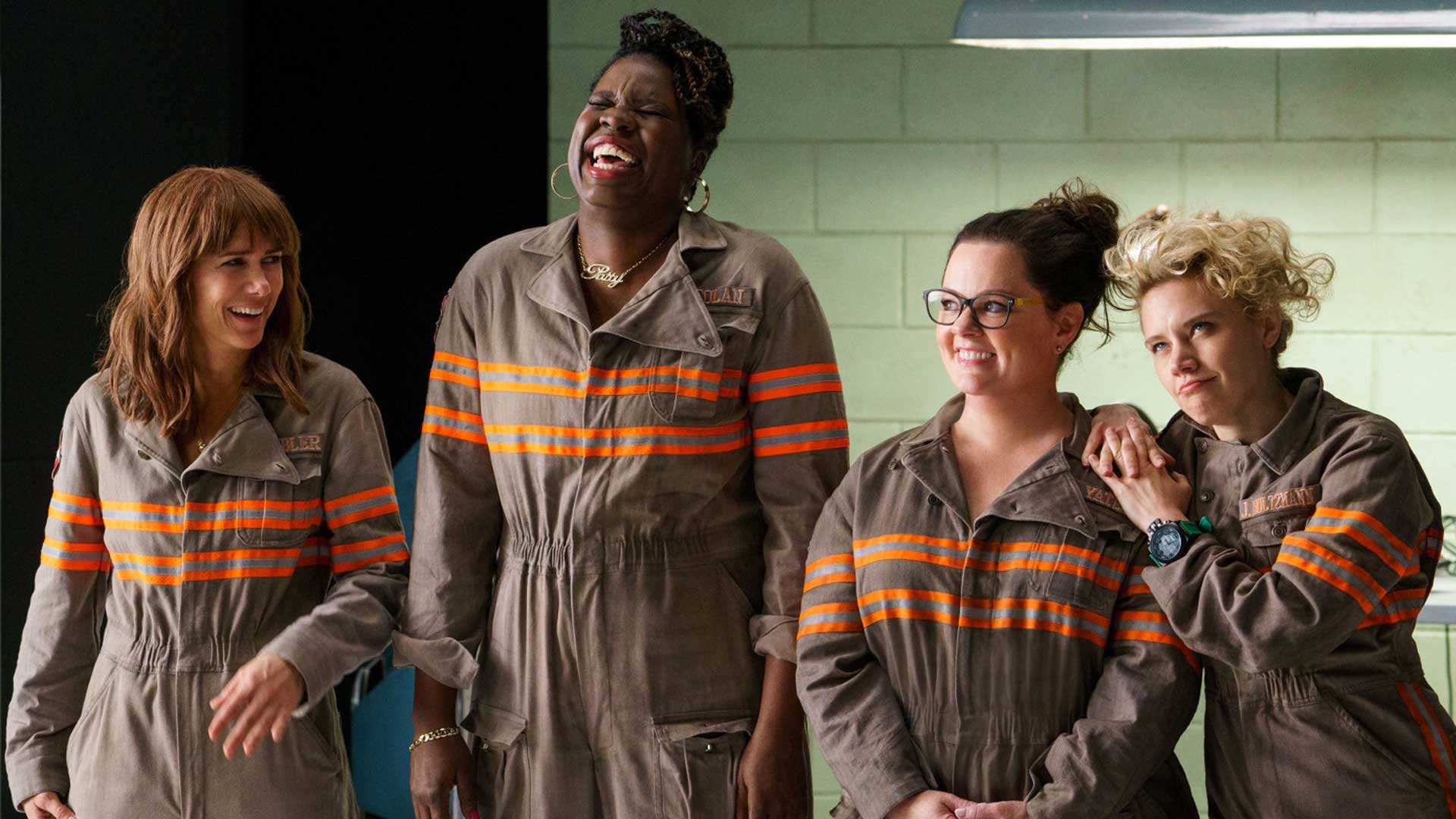


Ghostbusters III was stuck in development hell before Paul Feig, fresh off the trio of successes (Bridesmaids, The Heat, and Spy), came on board. Like Ivan Reitman, Feig’s experience in mainstream comedies made him seem like the perfect pick to direct a new Ghostbusters movie. Except he wasn’t interested in continuing the Ghostbusters franchise previously left by Reitman. He chose to start fresh by rebooting Ghostbusters without the burden of connecting to the past. And to make things stranger, he wanted an all-female cast to play the ghost-hunting team this time.
Ghostbusters (2016) Backlash: How the Reboot Lost Sony $70 Million
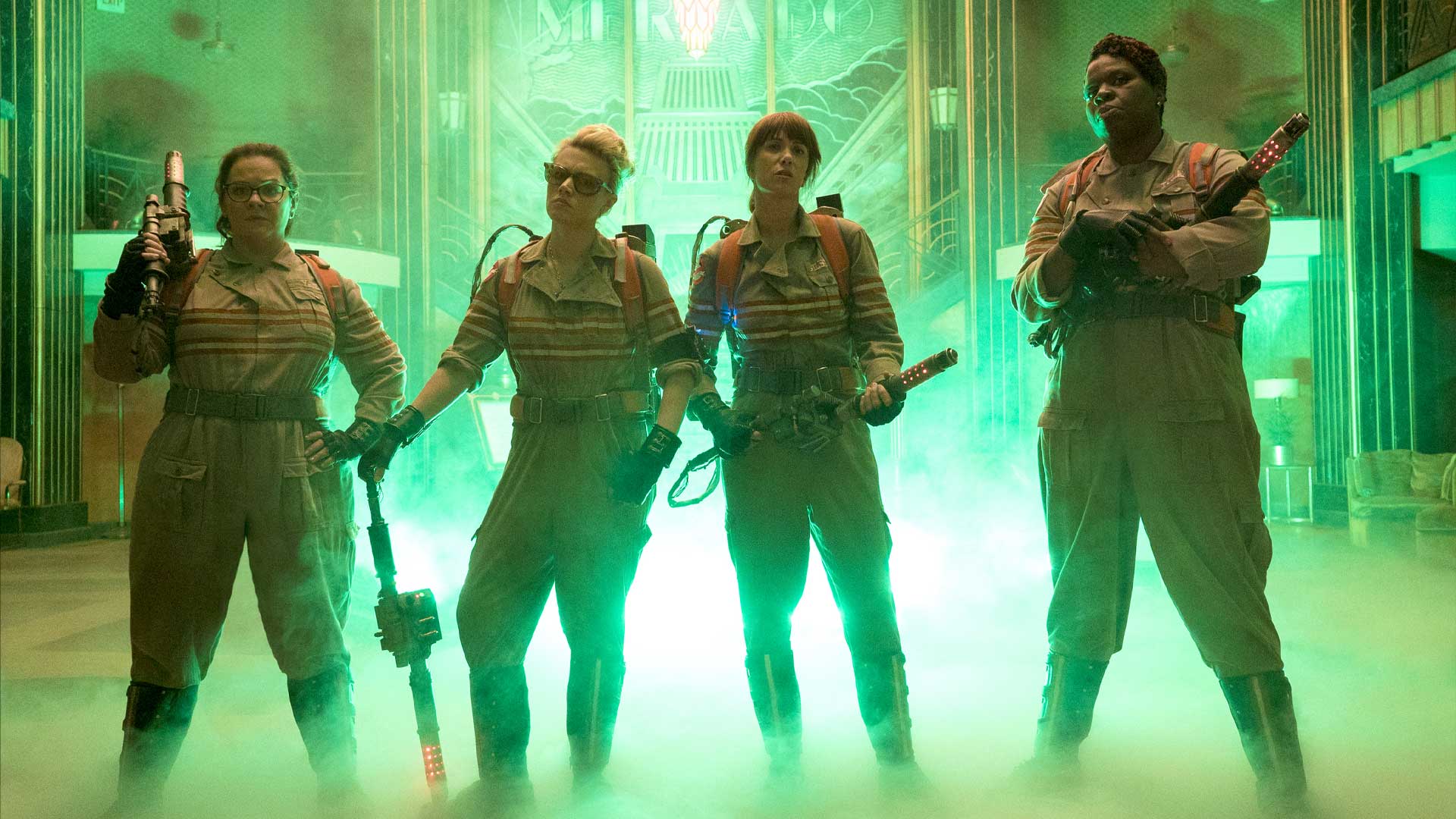
Not surprisingly, the Ghostbusters reboot, later retitled Ghostbusters: Answer the Call, drew massive flak from fans and audiences who loved the original movies. It even made history at the time as the most-hated movie trailer on YouTube after accumulating over a million dislikes. But it was a very strong sign of things to come.
Ghostbusters landed at No. 2 behind The Secret Life of Pets during its July 15-17 opening weekend in the summer of 2016, and managed to pull in $46 million domestically. The film ended its theatrical run with a $229 million worldwide gross, which may sound good on paper, but the reality is that it cost a hefty $144 million to make. So, even with an aggressive marketing push, the brand recognition, and the high-profile comedic stars (like Melissa McCarthy, Kristen Wiig, and Kate McKinnon) on board, the film couldn’t overcome the severe backlash. Ghostbusters was a trainwreck.
Still, Sony’s marketing attempted to win fans over with the home video edition, which had a new name, less than three months after its release. But that didn’t help either. And Sony cancelled the sequel set up in the post-credits teaser immediately.
What Went Wrong With the Ghostbusters Reboot’s Story and Cast
Structurally, the reboot doesn’t stray too far from Ivan Reitman, Dan Aykroyd, and Harold Ramis’s 1984 blueprint. The one deliberate departure was cutting the “gatekeeper” and “keymaster” mythology that drove the original’s plot, a simplification meant to streamline the story but also stripped out the mythology.
The Ghostbusters reboot is now 10 years old, and looking back at the movie, the glaring flaws are hard to ignore. The comedy is largely hit-and-miss, but the biggest mistake is how Feig and co-writer Katie Dippold chose to cross the stream (I mean, line) in treating the ghost existence as a joke rather than playing it straight. By comparison, the original Ghostbusters (like Bill Murray and Dan Aykroyd) don’t resort to overacting, as their brand of comedy cleverly leans toward deadpan humor – and not the reboot’s awkwardly misplaced sketch-style slapstick.
The film borders on parody to the point that characters like Dr. Abby Yates (Melissa McCarthy) and Dr. Erin Gilbert (Kristen Wiig), supposedly two particle scientists, along with engineering physicist Dr. Jillian Holtzmann (Kate McKinnon), act as if they are cosplaying their roles in an SNL skit. Rounding out the quartet was Leslie Jones as Patty Tolan, an MTA worker whose street-level knowledge of New York made her the team’s de facto historian and the franchise’s first blue-collar recruit.
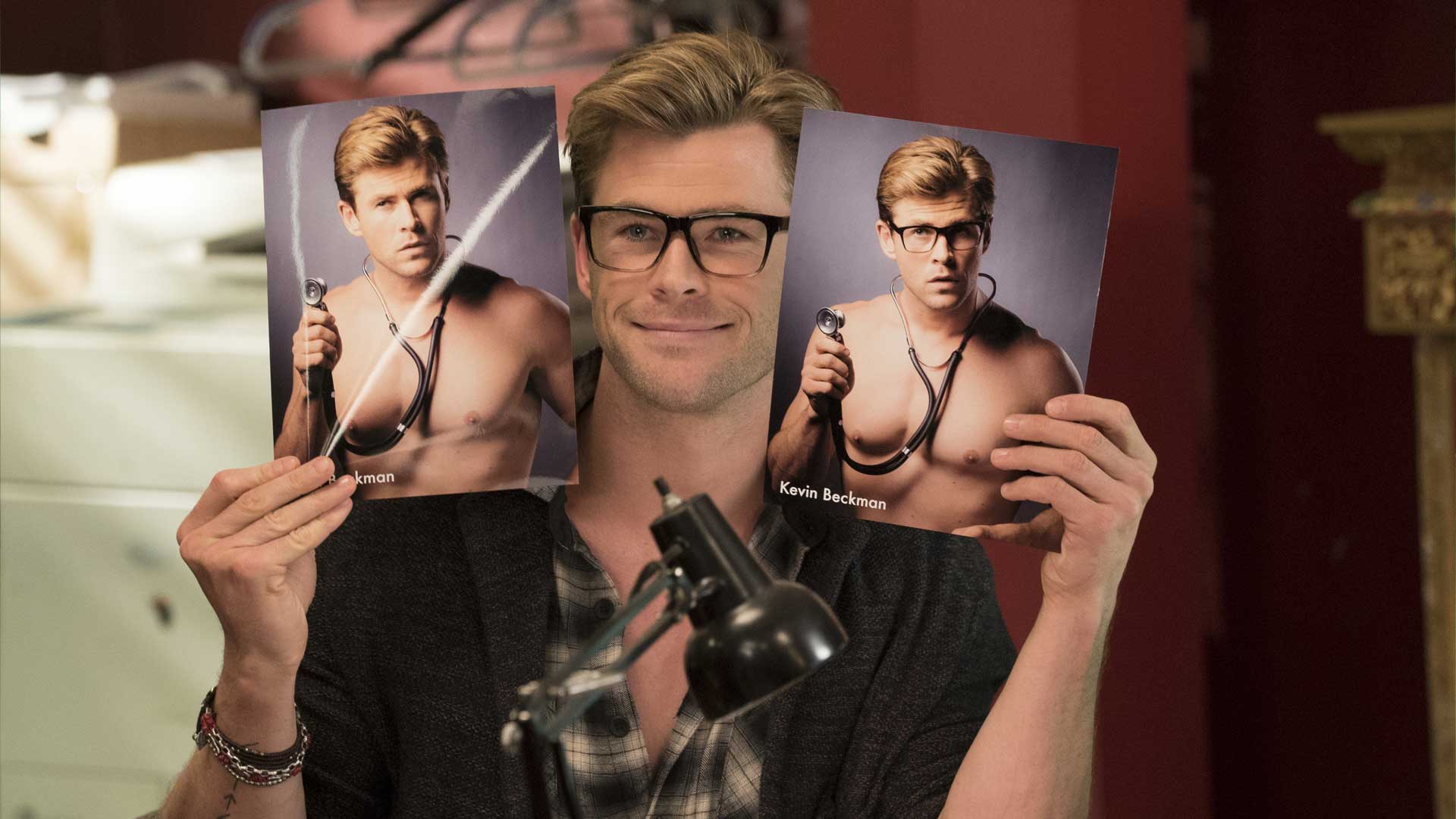
But the film’s villain was even worse: Neil Casey’s Rowan North, a disgruntled hotel maintenance worker turned occult conspiracy theorist, is a thin antagonist whose motivations never rise above generic mad-scientist grievance. Plus, Chris Hemsworth’s dim-witted role as secretary Kevin Beckman makes it feel as if the Ghostbusters reboot was a spoof.
The special effects may have been improved compared to the first two movies, but at the same time, they are overdone in the all-hell-breaks-loose third act. Despite the onslaught of various spectres terrorizing Times Square as the Ghostbusters team attempts to take them down, the overall scene reads more like a video game cutscene than a genuine, high-stakes scenario.
Ghostbusters 3: Why the Original Sequel Never Happened
If we’re honest, nobody in their right mind would think rebooting Ghostbusters was a good idea, especially given the enduring legacy of the original franchise. Before Feig ran the reboot into the ground, Dan Aykroyd actually wrote a third installment called Ghostbusters III: Hellbent, boasting an ambitious high-concept idea of the original team teaming up with younger recruits to enter the alternate universe of Manhattan known as Manhelltan.
Unfortunately, despite a finished script and even multiple drafts, it failed to get off the ground because Bill Murray repeatedly declined to return. Aykroyd had Chris Farley in mind to play one of the younger recruits, but the comedian tragically died in 1997. It also didn’t help either that Aykroyd’s vision needed a significant budget, specifically for the visual effects and production design of the apocalyptic Manhelltan cityscape.
Although Ghostbusters III: Hellbent didn’t make it to the big screen as planned, Aykroyd’s ideas didn’t entirely go to waste. In 2009, he and Harold Ramis reused some of the existing concepts for Ghostbusters: The Video Game, the closest we got at the time to a third sequel, albeit in a different medium. The creators behind this well-received video game even brought back the original cast to voice their respective characters.
After the release of the video game, Sony tried hard to get a live-action Ghostbusters III off the ground again, hiring different writers, like Men in Black 3’s Etan Cohen, to take a crack at the script. But as time passed, the plan for the long-gestating third movie became increasingly out of reach – especially after the unfortunate passing of Harold Ramis in 2014.
Ramis’s death didn’t just stall the script; it’s widely cited as the moment Sony stopped chasing a direct sequel altogether. With one of the original four gone, the studio pivoted that same year toward a clean reboot instead, which is how Feig’s pitch ended up greenlit.
Feig’s version came and went, and despite what anyone tells you, it actually damaged Ghostbusters forever. Not even 2021’s better-received Ghostbusters: Afterlife, which paired both younger and older generations of the Ghostbusters team, could win back the fans they lost after the 2016 reboot.
Ten years later, has opinion on Ghostbusters (2016) softened – or is it still one of Hollywood’s most divisive reboots?
RELATED: Evolution at 25: The Ghostbusters Spiritual Sequel That Flopped and Deserved Better
Where to watch Ghostbusters (2016):