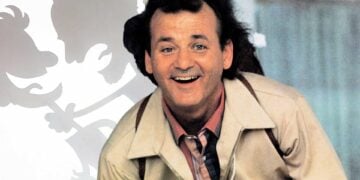




Wes Anderson and Bill Murray just teased a project that would be a first for the director in nearly three decades of filmmaking: a Western. The exchange happened at Cinema Paradiso, the open-air festival MK2 stages each summer in the Louvre’s courtyard, where Anderson and Murray took the stage together on July 1 for a surprise reunion. “We will do a Western, you know. I think,” Anderson told the Paris crowd (via Variety). “For many years, we’ve talked about doing a Western. Owen and Luke Wilson, I think, will be a part of that… They’re from Texas, too, and I think it’s our destiny.”
Nothing about the project is confirmed beyond that stage exchange – no script, no studio, no timeline. But the genre would be new territory for a filmmaker whose filmography runs through prep-school comedy, family drama, stop-motion fable, and continental caper, and it would reunite him with the actors who made his career possible in the first place. Owen and Luke Wilson appeared alongside Anderson in his very first feature, Bottle Rocket, back in 1996; Murray joined two years later on Rushmore and has appeared in every Anderson film since. A Western built around all three would be less a new direction than a homecoming, filtered through thirty years of everything Anderson has learned since.
The timing is what makes it land. The tease arrives just as a broader conversation has been building around whether Anderson’s instantly recognizable style has curdled into a formula – whether the meticulous symmetry and pastel nostalgia that made him one of the most identifiable directors alive has, in his more recent films, started working against him.
So, Was Wes Anderson Losing His Touch?
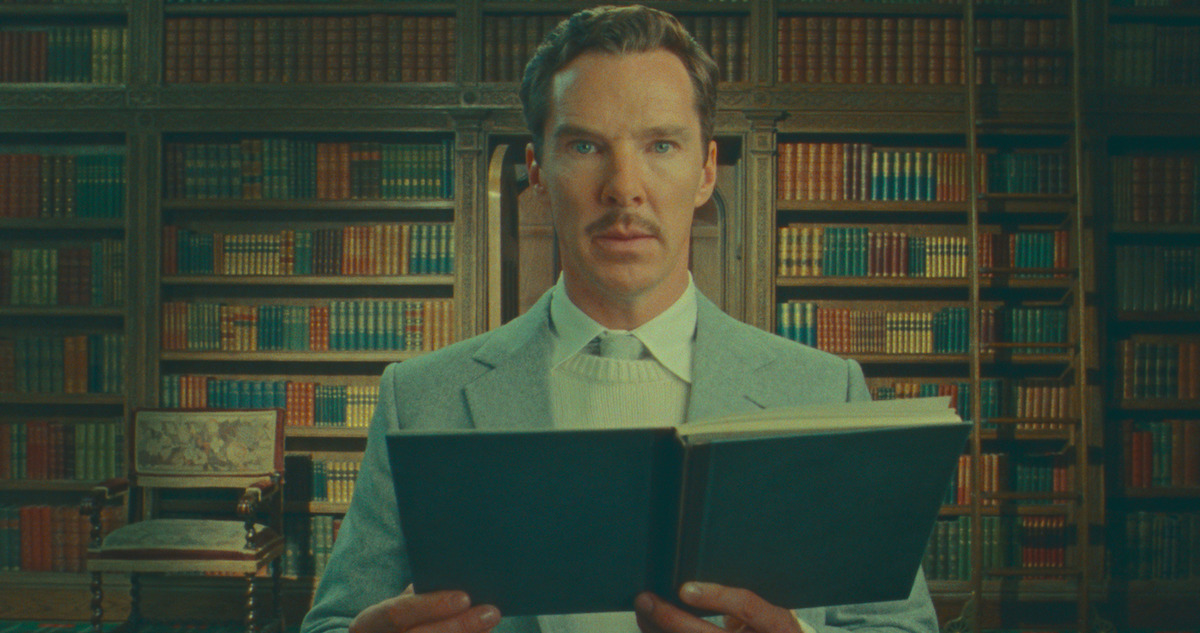
A filmmaker’s distinct style can be a double-edged sword. There comes a time when even the most creative visionaries can become constricted by their self-imposed limitations. We’ve seen that happen to the likes of Tim Burton or Michael Bay – and now, Wes Anderson might be joining that list.
The “Wes Anderson Look”: His Genius and His Trap
Among all the modern directors, Wes Anderson is easily the most immediately recognizable. A single frame is usually what you need to tell a movie was directed by Anderson. From the way he uses pastel colors to his infamous symmetrical compositions, the “Wes Anderson Look” has become a well-known trademark of modern cinema. Funnily enough, there doesn’t seem to be anyone actively trying to copy his style – as recognizable as it might be. There’s only one Wes Anderson, for better or for worse. If his recent movies have taught us anything, however, is that the lovably nostalgic filmmaker might be running out of ideas.
Asteroid City, The French Dispatch, and the Case for Stagnation
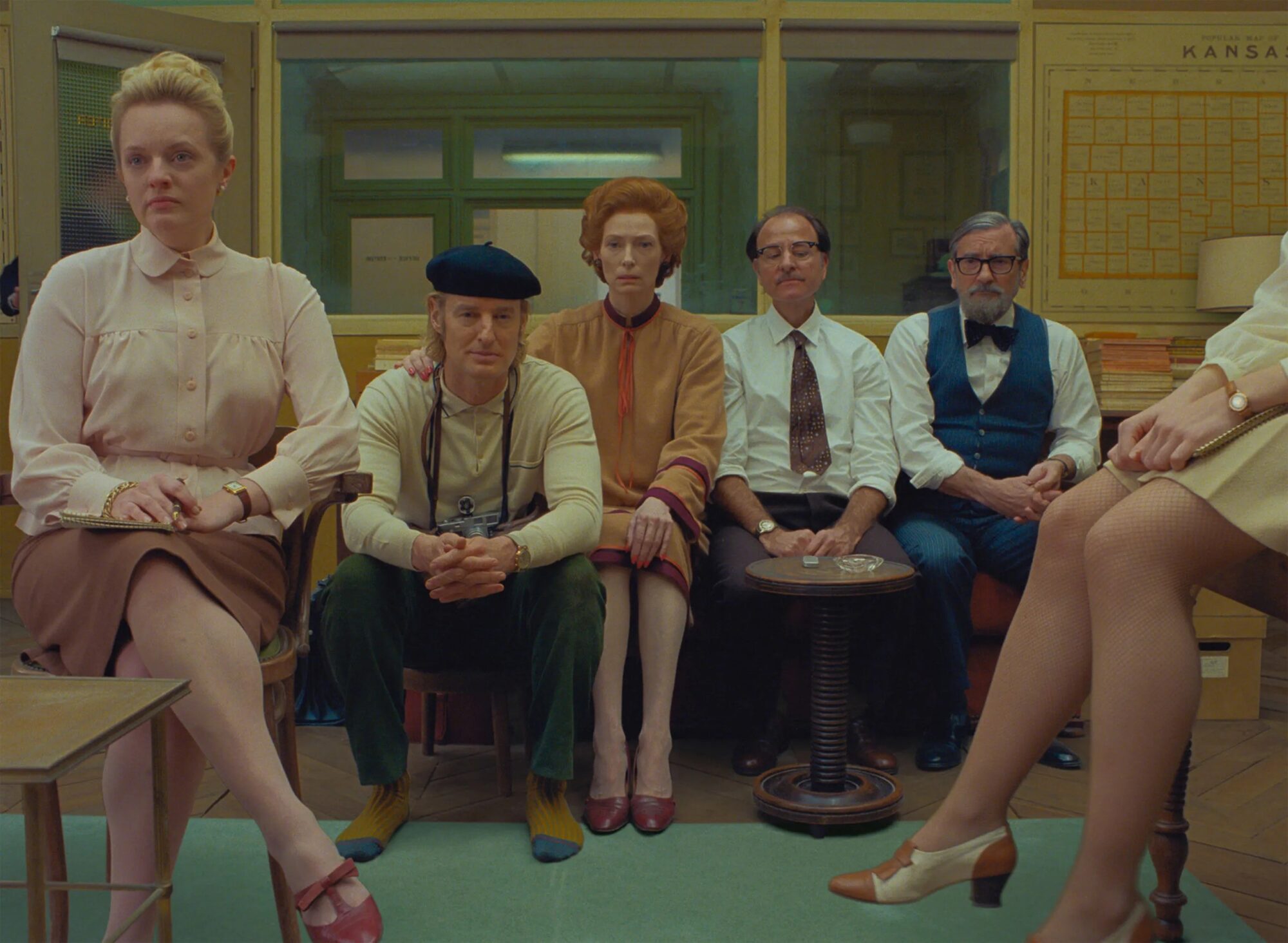
Perhaps the best way to determine where Wes Anderson finds himself as a filmmaker now is to look at his latest theatrical release. By all accounts, Asteroid City should have been a success among Anderson fans. However, the general consensus still places The Grand Budapest Hotel comfortably over both Asteroid City and The French Dispatch – Anderson’s latest films. Anderson has always relied heavily on nostalgia to tell his stories. It’s one of the reasons why The Grand Budapest Hotel is such a classic among fans of his work. However, when used without a clear objective, nostalgia can also be a film’s worst enemy.
Considering Anderson’s movies are already seen as the epitome of “arthouse films,” the lack of mass appeal means that he has to keep making movies that appeal to his sizeable fan base. The result, however, is that it feels like he’s releasing the same movie repeatedly, with just minimal variations in the plot and setting. As mentioned before, the same thing happened to Tim Burton. In an effort to please the crowd who saw him as “that goth director,” Burton released critically panned abominations like Dark Shadows – movies that, for all intents and purposes, were just features that aped the worst parts of his directorial style.
The Netflix Project That Hinted He Still Had More
While we’ve taken a look at Anderson’s recent theatrical releases, there’s a whole realm we haven’t explored yet. Like David Fincher and Martin Scorsese, Wes Anderson has also scored some exclusive work with Netflix. The Wonderful Story of Henry Sugar reminds us of why we love Wes Anderson’s meticulous genius. This adaptation of a collection of Roald Dahl stories proves that Anderson is at his best when he’s trying to breathe life into literary worlds. In short, it’s clear he might feel better working on short films than theatrical releases at this point.
That’s one of the wonders of the streaming business model. Anderson can keep working on these bite-sized stories that feel more inspired than his recent feature films, and fans will still keep receiving what they love from the visionary director.
So, Had He Lost His Touch?
To answer the question in the title, I don’t think Wes Anderson has lost his touch. He’s suffered a temporary setback, sure, but that might be a sign that he’s ready for projects that challenge his storytelling style, like Henry Sugar. If Ang Lee could get back in the saddle after 2003’s Hulk, then Wes Anderson is more than capable of keeping his career intact after Asteroid City.
What the Western Tease Actually Proves
Whatever “Anderson running out of ideas” is supposed to look like, teasing a genre he’s never touched, with the two actors who started his career, doesn’t fit the pattern. It doesn’t settle the debate over whether his recent work has lost a step. But it’s a reminder that Anderson’s next move has, historically, been the hardest thing about him to predict.