

It’s happened to us all. We’re on Google Discover, and we see the trailer for Christopher Nolan’s The Odyssey is out. But once you click the YouTube link, you quickly realise that Matt Damon has an extra thumb, and Tom Holland is wearing the same wardrobe from Spider-Man: No Way Home. What’s up? Well, over the years, there have been channels dedicated to creating fake movie trailers, baiting fans into watching short videos of movies that don’t exist yet. Like Avatar 6. But it was all fun and income until just recently when YouTube decided to kill all fake trailer channels, including two of the biggest ones: Screen Culture and KH Studio. Yes, the loudest offenders are now gone.
“They took down Screen Culture? YouTube, that’s the best Christmas present you could have given us.” That line from a Reddit user landed like a victory lap after Deadline reported that YouTube shut down Screen Culture and KH Studio this month. And it’s easy to see why. These videos didn’t just tease movies. They lied to us all… with confidence. We’ve all been fooled by the links to these fake trailers, which have only become more convincing since the birth of AI. While Screen Culture used to use clips from other films to create their fake movie trailers, now, with the power of AI, they can simply write clever prompts to create their monstrosities, which includes really convincing thumbnails.
AI movie trailers skip the craft and chased the click. Of course the thumbnails did most of the work. One Alien: Romulus thumbnail, for example, pulled in a whopping 1.4 million views by promising viewers a scary scene that actually didn’t exist in the movie. Even if only one percent clicked expecting that scene, that’s roughly 1,400 disappointed people asking, “Hey, did they actually delete this scene from Alien: Romulus?”
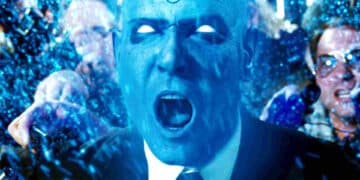
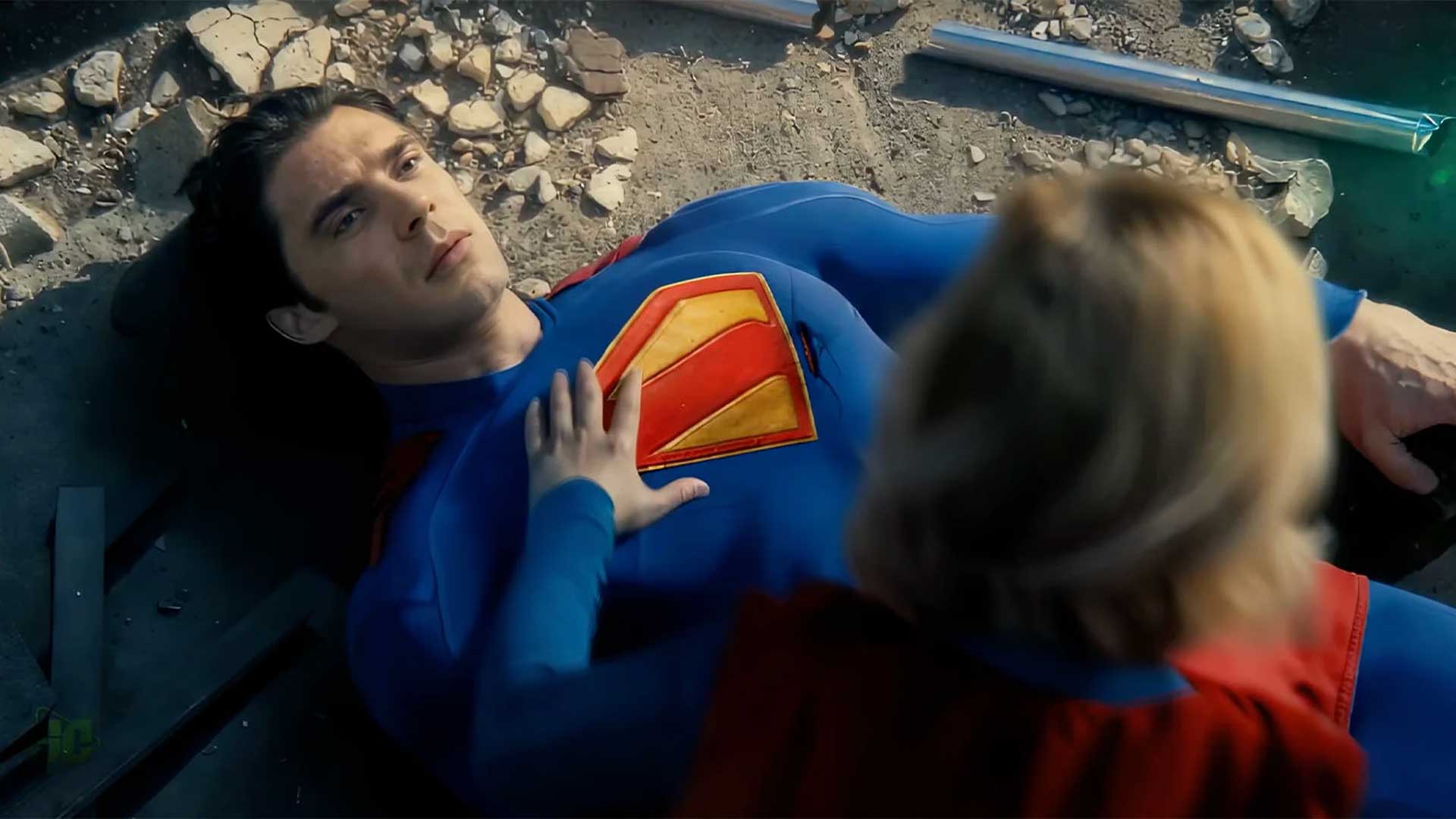
Early on, it was messy Photoshop with just enough polish to fool your coworker who still asks if Batman is Marvel. But then AI took over and things got weird really fast. Suddenly, we had Supergirl touching Superman’s chest (see above), Lex Luthor standing over Superman with kryptonite (see below), Deadpool fighting Mickey Mouse and the Xenomorph as a Disney Princess. The thirst traps got us all. And it was pure chaos.
The response to the takedown of their channels was interesting. One Reddit thread pulled in 43,000 upvotes. On X, Culture Crave’s post hit over 4 million views. People weren’t mad. They were cheering. The internet agreeing on something for once. It was a rare win for everyone.
Screen Culture (based in India) and KH Studio have been at this for years and years, turning into a business. The channels, who have more than 2 million subscribers and over a billion views, mashed official footage with generative AI touches and sold it as the real deal.
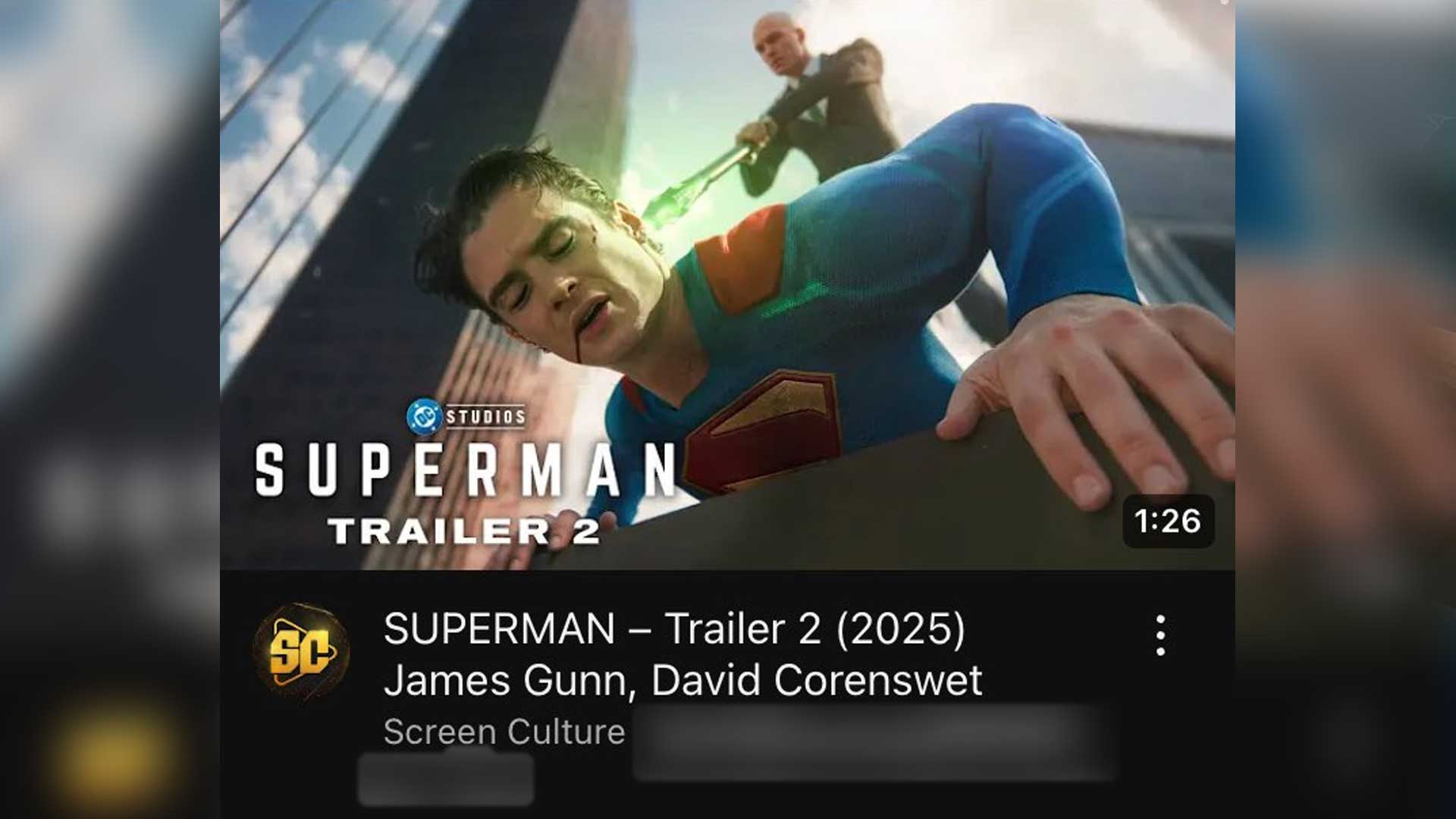
But here’s the part that’s surprising. Warner Bros. quietly claimed ad revenue from Screen Culture videos using AI to deepfake Superman and House of the Dragon trailers. And so did Sony and Paramount. Even though Warner Bros. sued Midjourney for deepfaking Superman, they were well aware of these fake movie trailer YouTube channels, and they did… nothing. Except rake in money from it, of course.
See, these channels didn’t die because of AI. No, they died on a technicality. Studios could have acted sooner, but didn’t. They let them continue for years.
When Deadline asked about these fake trailers earlier this year, all the big studios, including Warner Bros., Disney, Paramount, Sony, and others, didn’t respond. Even the Motion Picture Association stayed quiet.
Money doesn’t fully explain it, however. The cash was pocket change in terms of what the studios make on big films. Free marketing only goes so far when fake trailers drown out the real ones and annoy viewers who feel duped. If the first teaser for Superman got over 250 million views in the first 24 hours, just imagine how much they would have gotten if the AI slop was out of the way.
Yes, policing IP in the AI age is messy, and the theft is everywhere, but surely they would have put up a fight here.
Just recently, Disney, fresh off partnering with OpenAI, sent a cease-and-desist to Google. Google responded by pulling videos featuring Mickey Mouse and Deadpool. Meanwhile, channels like Teaser Universe still rack up millions with AI Avengers: Doomsday trailers dressed up as official drops.
Universal also pulled AI trailers earlier this year when fake Jurassic World: Rebirth clips convinced viewers Scarlett Johansson played a dinosaur hybrid. While it might have been more interesting than what we got, nobody enjoyed being lied to.
The celebration over Screen Culture and KH Studio says plenty about what audiences want and what they’re prepared to tolerate. Fans are tired of fake trailer farms clogging feeds and wasting time.
Also, this crackdown matters even more now, especially since YouTube has secured the rights to stream the Oscars starting in 2029. You can’t champion filmmakers one minute and boost fake movie trailers the next. It doesn’t work.
So, now that the fake movie trailers for Christopher Nolan’s The Odyssey is out of the way, you’ll be happy to know that the real thing is up on YouTube now. Hopefully you’ll have much better luck finding it.
RELATED: Christopher Nolan’s The Odyssey Trailer Reminds Us Why We Need Movie Theaters