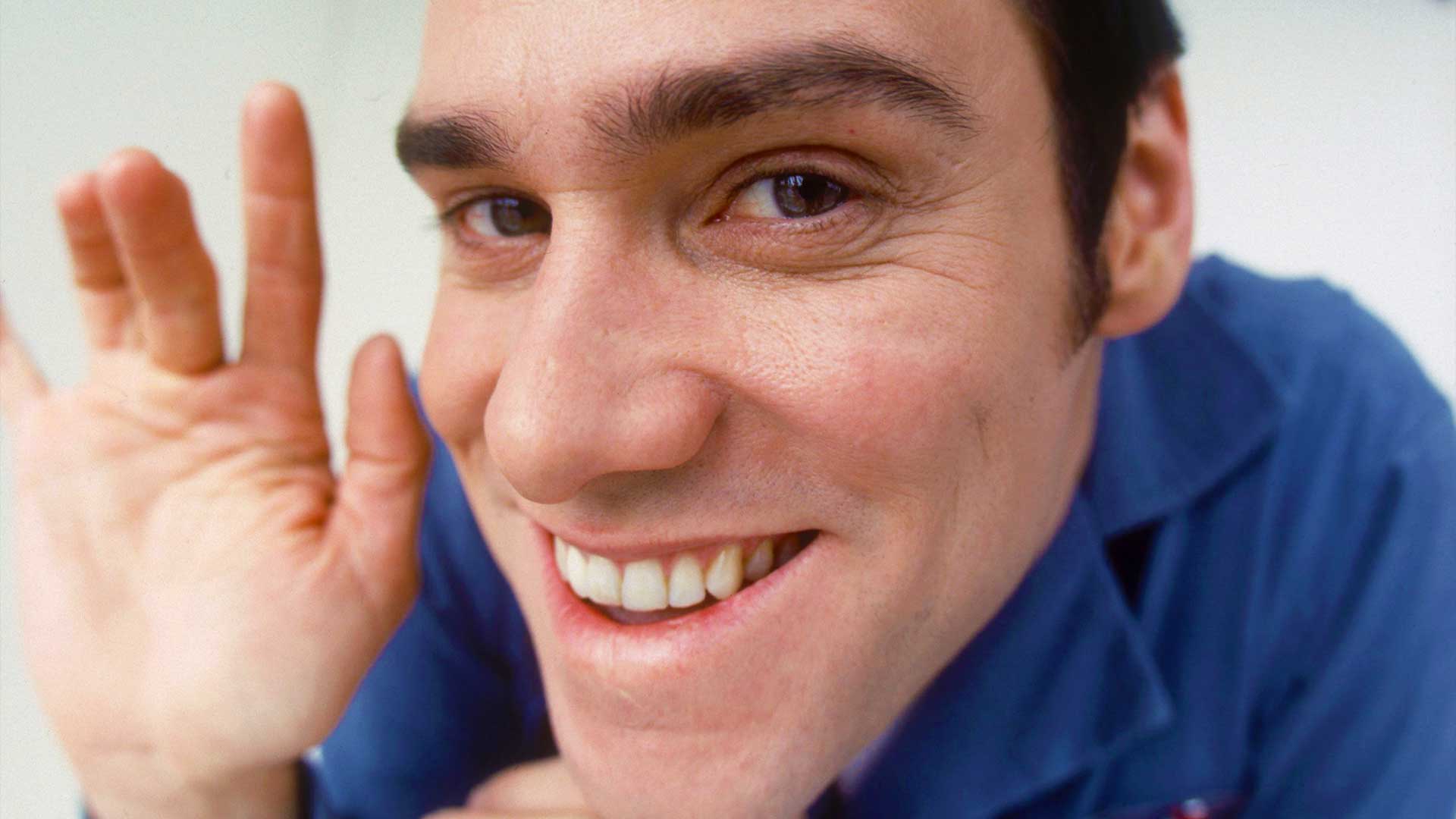


Jim Carrey may have been primarily known for his signature rubber-faced shtick and manic comedic energy. But he also took creative risks by stepping out of his comfort zone to showcase his dramatic range, resulting in acclaimed performances seen in The Truman Show, Man on the Moon, and Eternal Sunshine of the Spotless Mind.
But at the peak of his career during the mid-90s, particularly when he first hit a breakthrough playing the goofy, Hawaiian shirt-wearing titular detective in Ace Ventura: Pet Detective, fans and audiences were so accustomed to seeing him go for broke in physical comedies. The surprise hit of Ace Ventura: Pet Detective, where no one could have predicted it would become such a pop-culture phenomenon, led to more home runs for the then-newly minted superstar.
Jim Carrey’s next four movies – The Mask, Dumb and Dumber, Batman Forever, and Ace Ventura: When Nature Calls – all released in 1994 and 1995, turned into box-office gold. For a while there, it looked as if Carrey could do no wrong until he decided to venture into uncharted territory. The result? The Cable Guy.
How The Cable Guy Went From Box-Office Disappointment to Cult Classic
Released in June 1996 and positioned as one of the highly anticipated summer movies that year, Sony even went as far as offering Carrey $20 million – an unbelievably huge sum of a salary upfront for a single film, making him the first actor to secure such an amount at the time. The Cable Guy cost $47 million to make, and naturally, Sony expected it to be a gargantuan hit.
Despite opening at No. 1 during the first three days in the June 14–16 weekend with $19.8 million, unseating the previous weekend’s hit, The Rock, The Cable Guy could only muster an underwhelming $60.2 million at the US box office. The international grosses didn’t help much either, and by the end of its theatrical run, the movie garnered $102.8 million. Given the budget and Carrey’s record-breaking $20 million paycheck, it wasn’t the number that Sony hoped for.
Why Audiences Struggled With Jim Carrey’s Dark Side in The Cable Guy
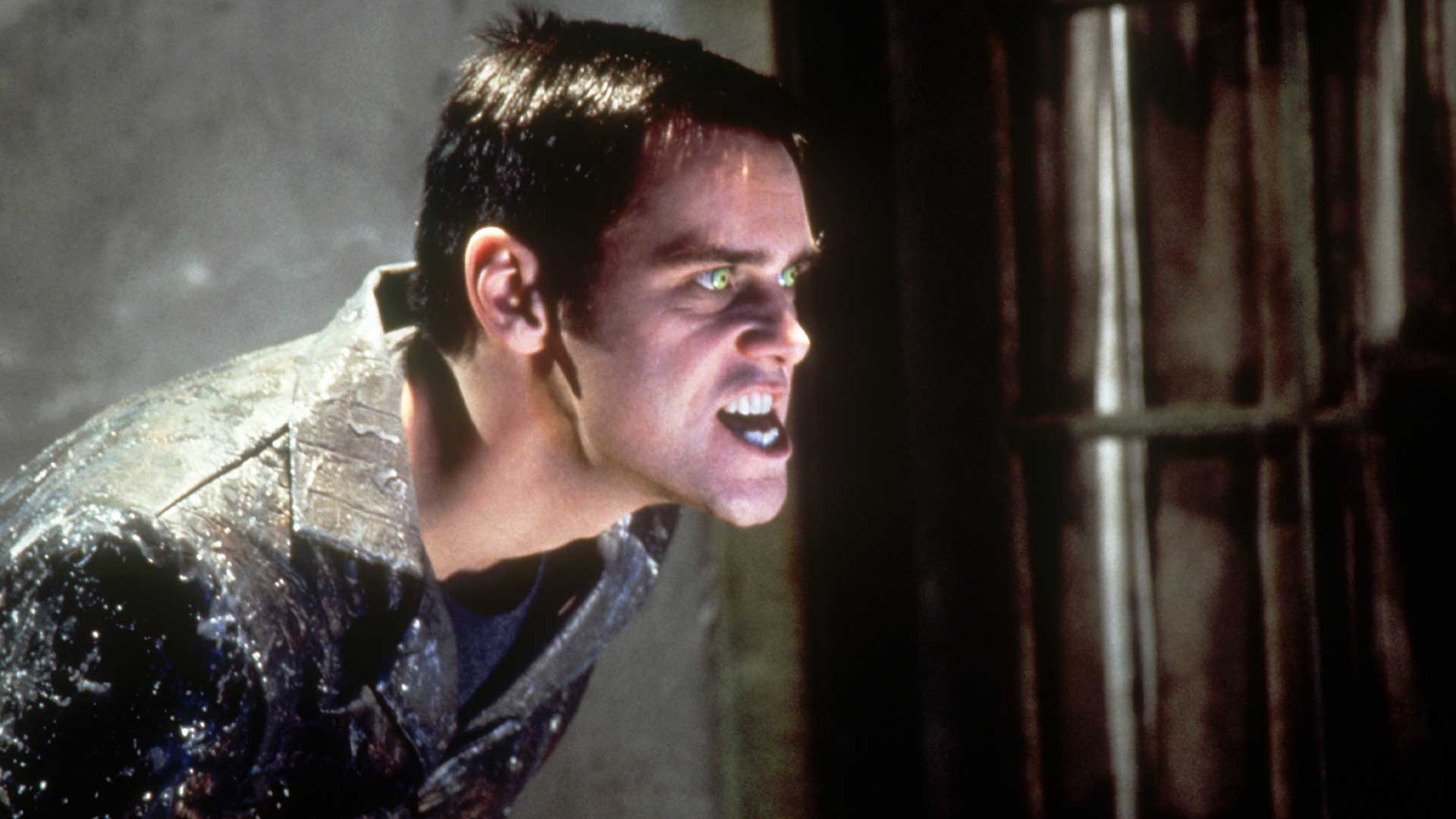
Now, looking back at The Cable Guy thirty years after its initial release, it is understandable why many audiences felt alienated by the movie’s darker tone.
Carrey plays Chip Douglas, a cable technician whose name isn’t even real, a man so starved for human connection that he latches onto Steven (Matthew Broderick) — a customer he’s decided is his new best friend. What starts as awkward generosity slowly reveals something far darker: Chip is a deeply disturbed individual with no genuine relationships outside the customers he serves. The reason isn’t hard to find. He had an unhappy childhood, raised largely by an absent single mother who substituted television for quality time — a detail that makes everything that follows feel tragically inevitable.
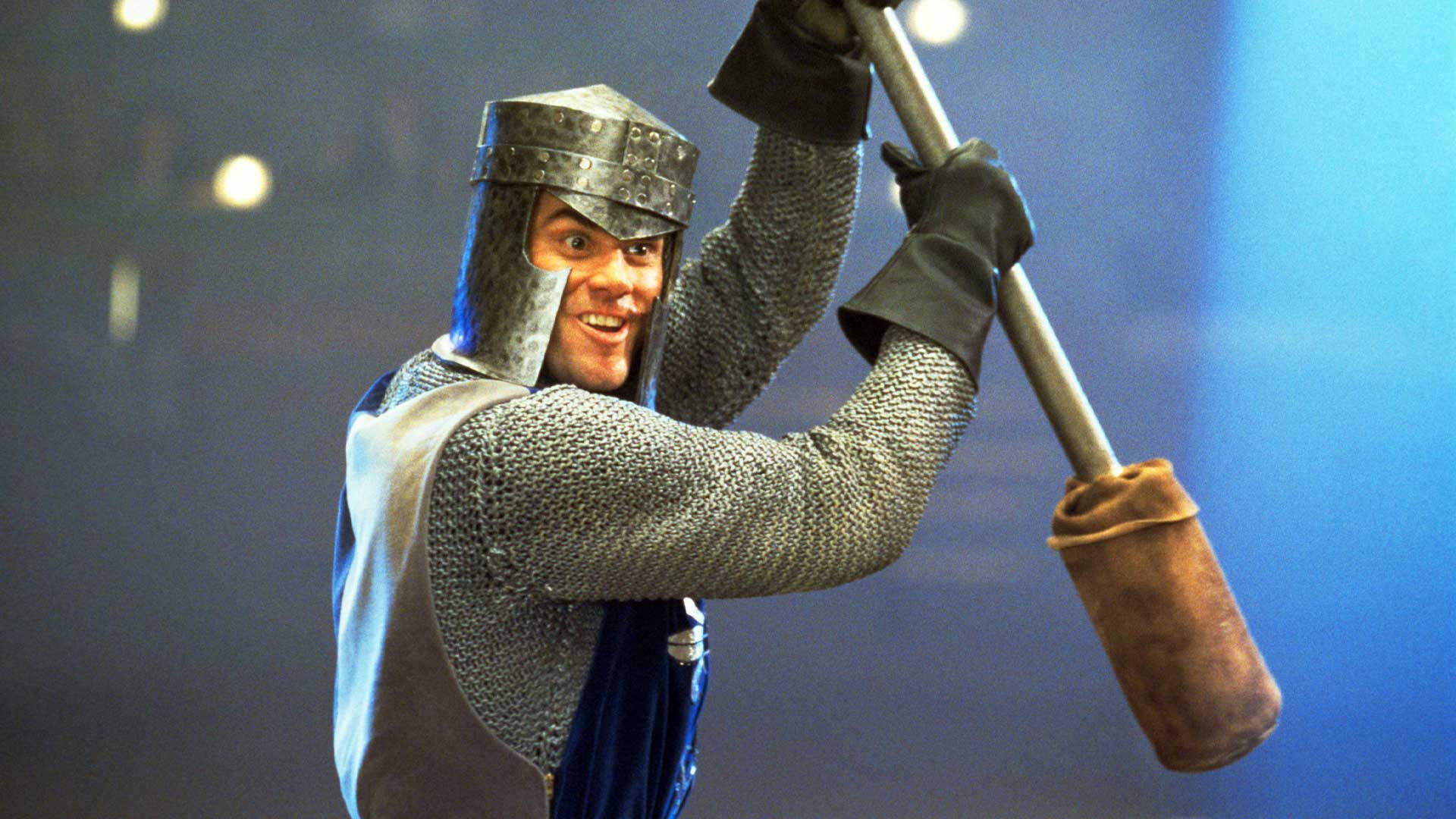
Chip’s lack of social and human interaction leads him to rely heavily on what he absorbed from television shows and movies. Steven’s friendliness toward Chip is transactional at best — gratitude for the cable hookup, nothing more — and Chip is the only one who doesn’t know it. This results in a series of awkward moments between the two of them, especially when Chip brings him to a medieval-themed dinner, complete with active participation in play-acting as knights “battling” against each other. And when Steven tries to get rid of him, Chip doesn’t take “no” for an answer. He turns hostile and manipulative, even gaslighting him at one point.
The Cable Guy Proved Jim Carrey Was More Than a Comedian
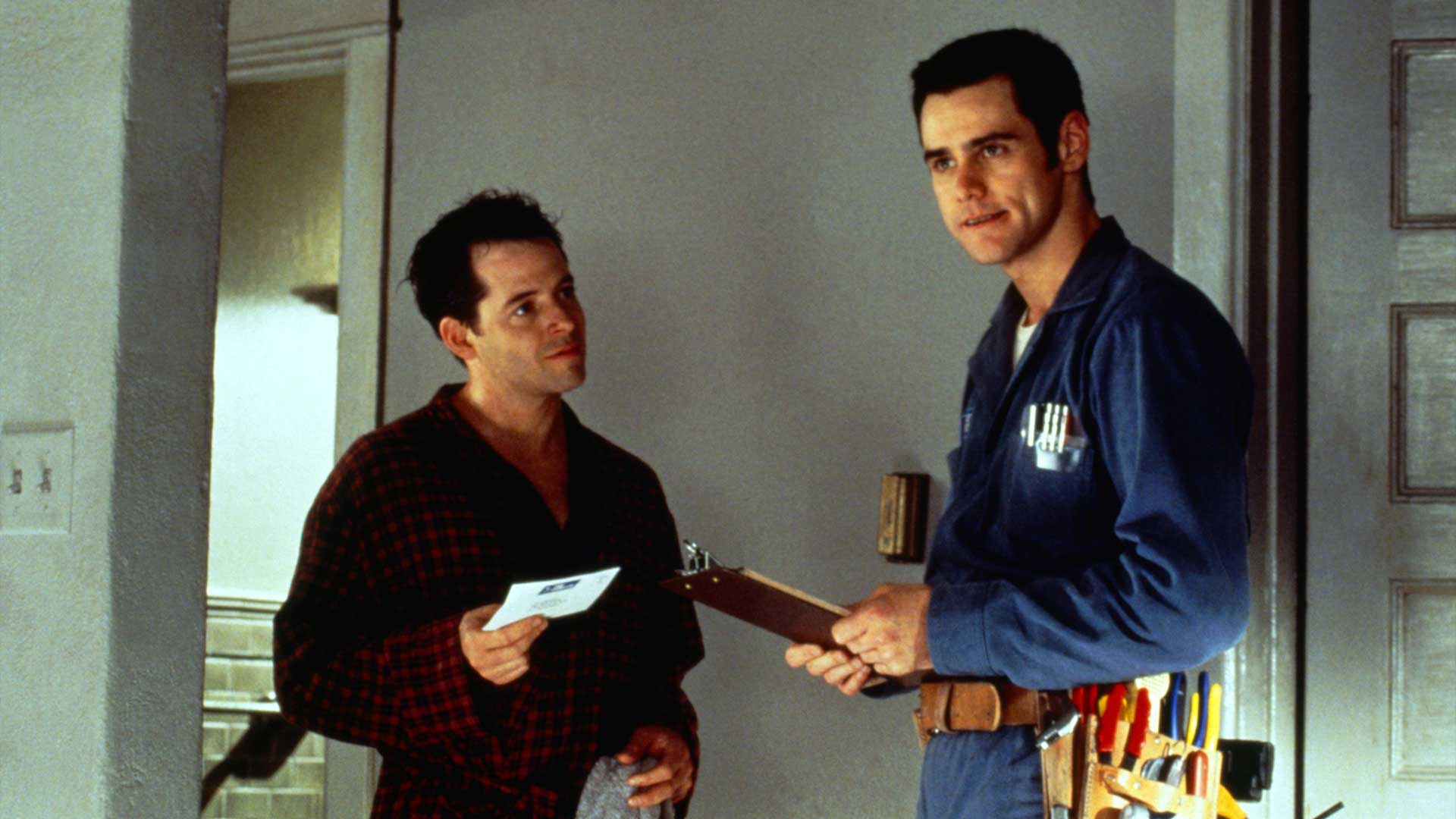
Although The Cable Guy deviates from the usual Jim Carrey movie, I still admire Carrey’s daring career move to push himself as an actor. He doesn’t completely abandon his rubber-faced expression in The Cable Guy, rather, he takes advantage of it to showcase his unpredictable nature, alternating from being friendly to becoming a menacing stalker. His showy mannerisms create a sharp contrast against Broderick’s mild-mannered, nice-guy turn, and their on-screen dynamic as two mismatched “friends” helps elevate the movie.
Ben Stiller pulls double duty here — directing the film while also appearing on screen as Sam and Stan Sweet, fictionalised murderous twins whose trial runs as a satirical parallel to the real-life Menendez brothers case. The Cable Guy marks his second time behind the camera following his 1994 Gen X classic Reality Bites, and here, he proves his versatility in helming a black comedy. He does a good job of subverting Carrey’s well-known image in favor of psychologically dark and relatable themes of loneliness, isolation and, above all, the then-prescient subject matter about how people and technology would become closely connected through the “information superhighway” as described by Carrey’s character at one point during the movie.
That theme has only grown more resonant with time. As producer Judd Apatow reflected in a 2026 oral history for IndieWire, Chip Douglas is essentially “the monster from the future” — a creature shaped entirely by television who can’t form real human bonds, and whose destructive neediness mirrors the social media age we now live in. “This thing that promises to bring us closer is actually going to make us try to kill each other,” Apatow said, “and that has come true.”
And Carrey was apparently willing to take the darkness even further. According to the same oral history, he fought hard for Chip to die at the end of the film — jumping onto the satellite dish needle. The studio vetoed it, opting instead for the classic thriller fake-out ending. It’s a small detail, but it tells you everything about how committed Carrey was to this character, and how much further he was willing to go than anyone around him.
Chris Farley Was Almost The Cable Guy — And Judd Apatow Almost Got the Writing Credit
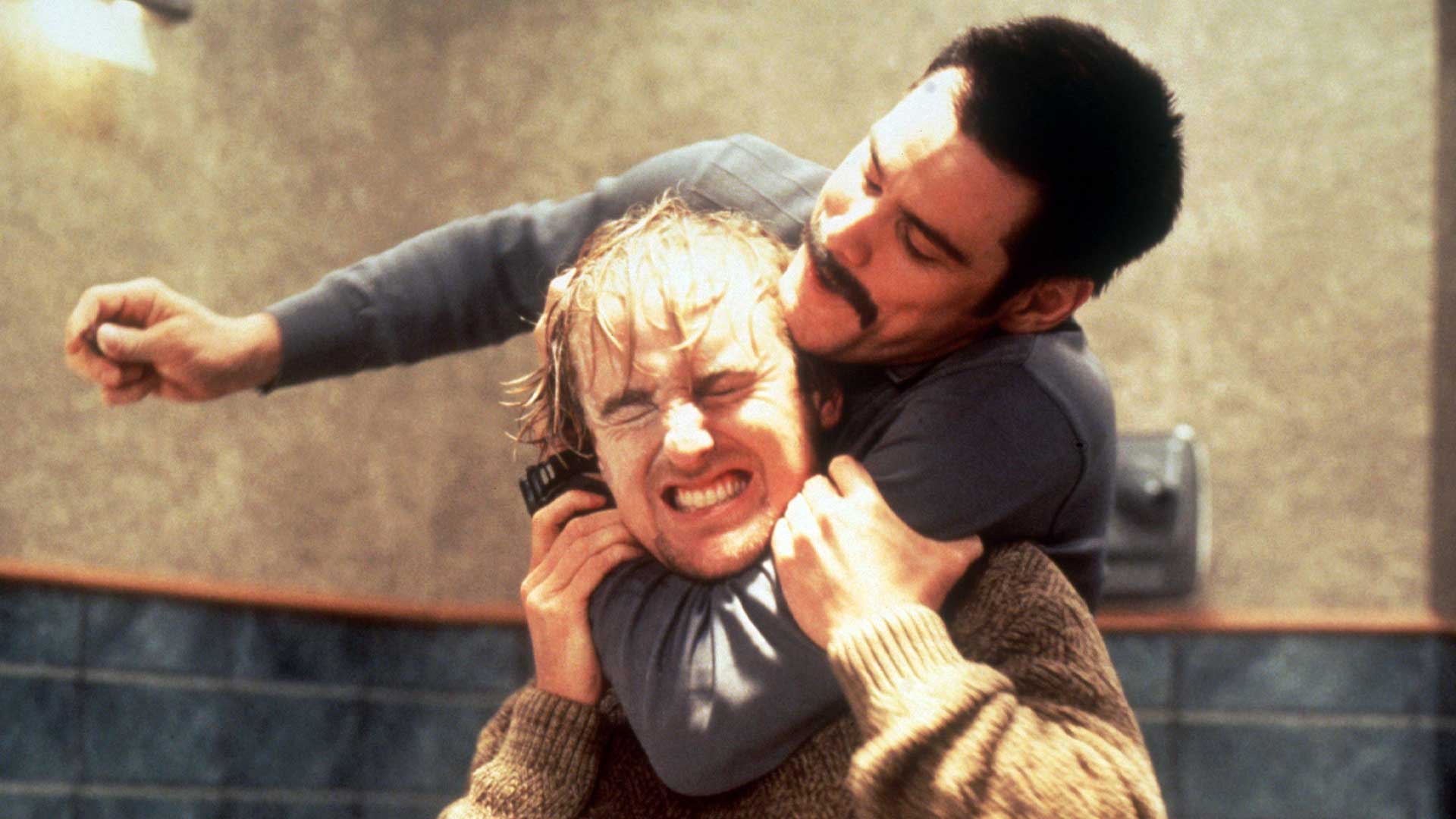
The script originated with Lou Holtz Jr., a Los Angeles prosecutor with no prior screenwriting credits, who got the idea after spotting a cable technician at his mother’s apartment building at an unusually late hour. The studio ended up buying his script for $750,000, even topping up $250,000 if the movie came to fruition, totalling $1 million.
When The Cable Guy was greenlit, Chris Farley was the first choice to play the lead, only to drop out due to scheduling conflicts. Carrey then took over, and at the time, co-producer Judd Apatow was in charge of polishing Holtz Jr.’s draft. But instead of getting a co-screenwriter credit, Apatow reportedly lost the Writers Guild arbitration, ending up with Holtz Jr. taking the official sole writing credit for the movie.
The unexpected flop of The Cable Guy back in 1996 may have marked a rare career misstep for Carrey, even though he did manage to bounce back quickly with the following year’s Liar Liar, which saw the comedian smartly return to what he does best. Years later, critics and audiences came around — The Cable Guy is now a cult classic.
The Cable Guy Returns In 2026
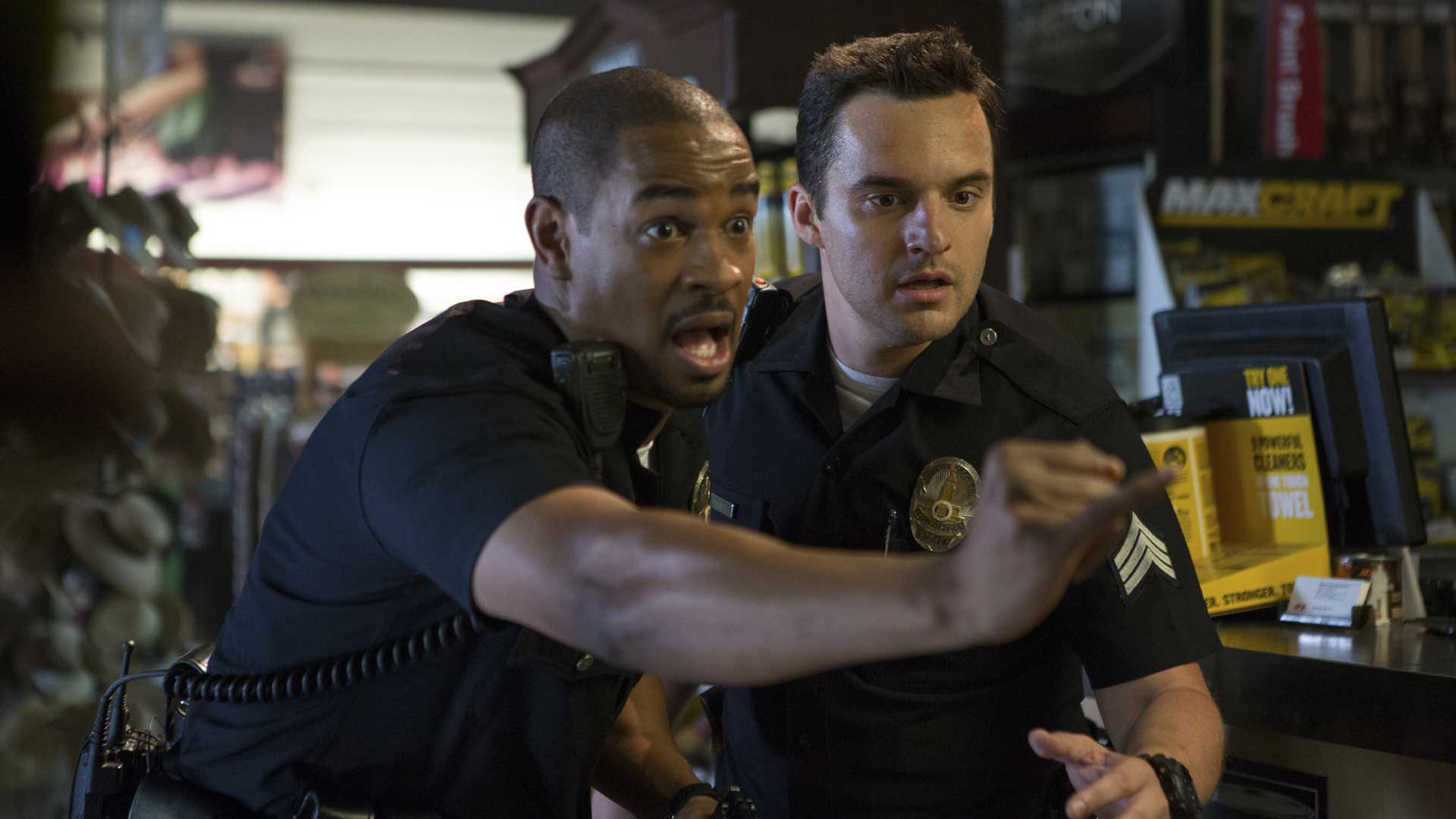
A Hulu comedy pilot inspired by the film is currently in development, with Jake Johnson and Damon Wayans Jr. attached to star, as confirmed by Variety. Sony Pictures Television is producing, closing the circle neatly back to the studio that released the original. In an era defined by doom-scrolling and epidemic loneliness, Chip Douglas no longer looks like a punchline. He looks like a mirror.