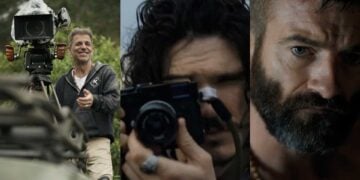


Hollywood has lost 74-year-old Chuck Russell, the visionary filmmaker and cult legend whose unique filmmaking style defined the 1980s and 90s cinematic landscape in his heyday. His sudden passing came as a shock, especially since he showed no sign of slowing down after recently returning to horror in the Witchboard remake in 2024. He even had not one but three films, including the AI-themed sci-fi thrillers Hyperia and b, and possession horror White House Demon, lined up in the pre-production phase.
Russell died Wednesday, July 22, at his home in the San Diego area, aged 74. His family confirmed the news to TMZ, which first reported the story, while his attorney confirmed his death to Variety; a cause of death has not yet been disclosed.
Jim Carrey, who starred as Stanley Ipkiss in The Mask, paid tribute to Russell in a statement, saying the director created “an ebullient, childlike atmosphere of wonder and camaraderie” on set. The actor called the film one of the defining creative moments of his career and thanked Russell directly, Hello! reports.
From Sweeping Soundstages to Roger Corman: Chuck Russell’s Early Hollywood Years
Looking back at his career, Russell’s earlier experience in writing and directing began with his one-act stage plays while at the University of Illinois in the early ‘70s. Following his graduation, he moved to Los Angeles and landed a job in Hollywood, beginning with bottom-of-the-line work such as sweeping soundstages and even fetching coffee. He had a chance to work for the legendary Roger Corman, from shooting second-unit footage in 1975’s Death Race 2000 to becoming a production assistant for 1976 action-comedy Cannonball.
He also handled triple duties – production supervisor, second assistant director, and appearing on-screen as a minor character credited as “Deputy” – in Bobbie Jo and the Outlaw, which was also released in the same year. By the 1980s, Russell stepped up to prominent roles from line producer (1980’s The Hearse) to executive producer (1981’s Hell Night and 1982’s The Seduction), and associate producer roles in Dreamscape and Body Rock (both released in 1984).
For Dreamscape, which starred then-young Dennis Quaid as a man with psychic ability, it marked the first time Russell got his hands in co-writing a feature-length screenplay, showcasing his flair for mixing sci-fi adventure with A Nightmare on Elm Street-like surreal horror.
A Nightmare on Elm Street 3 and The Blob: Russell’s Horror Breakthrough
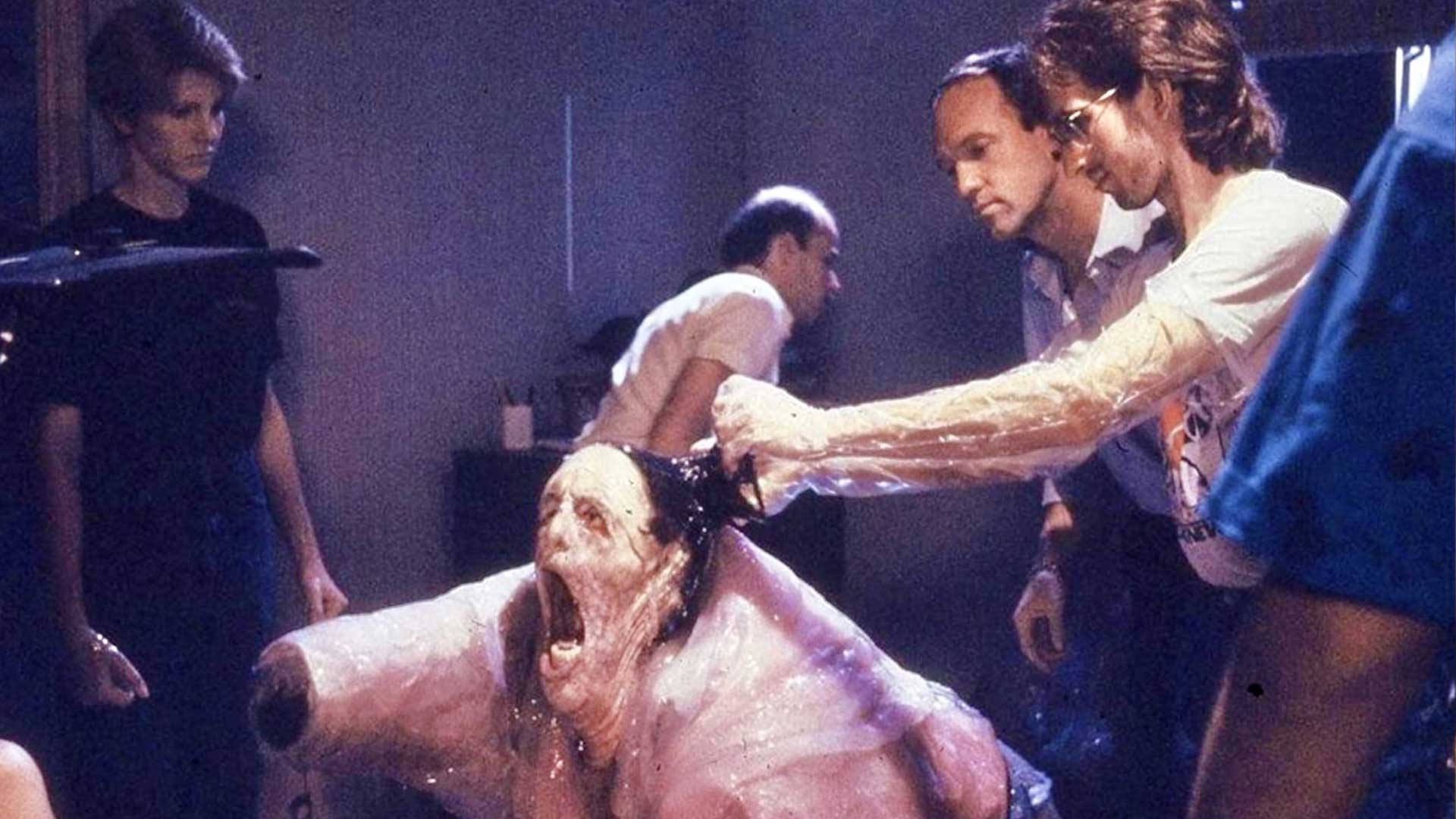
Chuck Russell’s creative input caught the eye of New Line Cinema, the studio behind the lucrative Nightmare on Elm Street film series, which entrusted its franchise to Russell for his feature directorial debut. That debut in question was A Nightmare on Elm Street 3: Dream Warriors, highly regarded as the best sequel in the franchise, thanks to Russell’s subversive know-how direction in blending dread-inducing horror with macabre comedy, imaginative set pieces (the giant, wretched snake-like Freddy Krueger attempting to swallow then-young Patricia Arquette’s Kristen Parker came to mind), and superpower-manifested dream logic. It proved to be a big hit, grossing over $44 million on a less than $5 million budget.
The following year, Russell took an ambitious route by flipping the campy 1958 original of Steve McQueen-starred The Blob into an uncompromisingly dark and visceral 1988 remake. Russell’s mean-spirited version was renowned for its incredible practical special effects for the shapeless, goo-like monster that terrorizes the small town.
The effects were painstakingly created using the nifty combination of methyl cellulose, a.k.a. Methocel (a food-grade and plant-based thickening agent), parachute silk, and stitched nylon. And to make the titular monster move like it’s alive, the special effects team incorporated pressurized air cannons, inflatable rubber bladders, and hidden puppetry tricks with reverse-motion cinematography to impressive results.
Shame that The Blob didn’t translate well with the audience at the time, taking in only $8.2 million against a $10 million budget, shutting down the chance of materializing the sequel hinted at the end of the movie. Part of the underwhelming box-office fiasco lies in the oversaturated horror-film market dominated by the likes of A Nightmare on Elm Street 4: The Dream Master and Friday the 13th Part VII: The New Blood.
Still, The Blob has since gained a cult following, and numerous attempts to revive the franchise with Rob Zombie and Simon West had tried and failed. It wasn’t until David Bruckner, who directed the updated Hellraiser remake in 2022, was attached to re-imagine The Blob as a modernized version that reflects contemporary real-world anxieties.
The Mask and Eraser: How Russell Became a 1990s Blockbuster Director
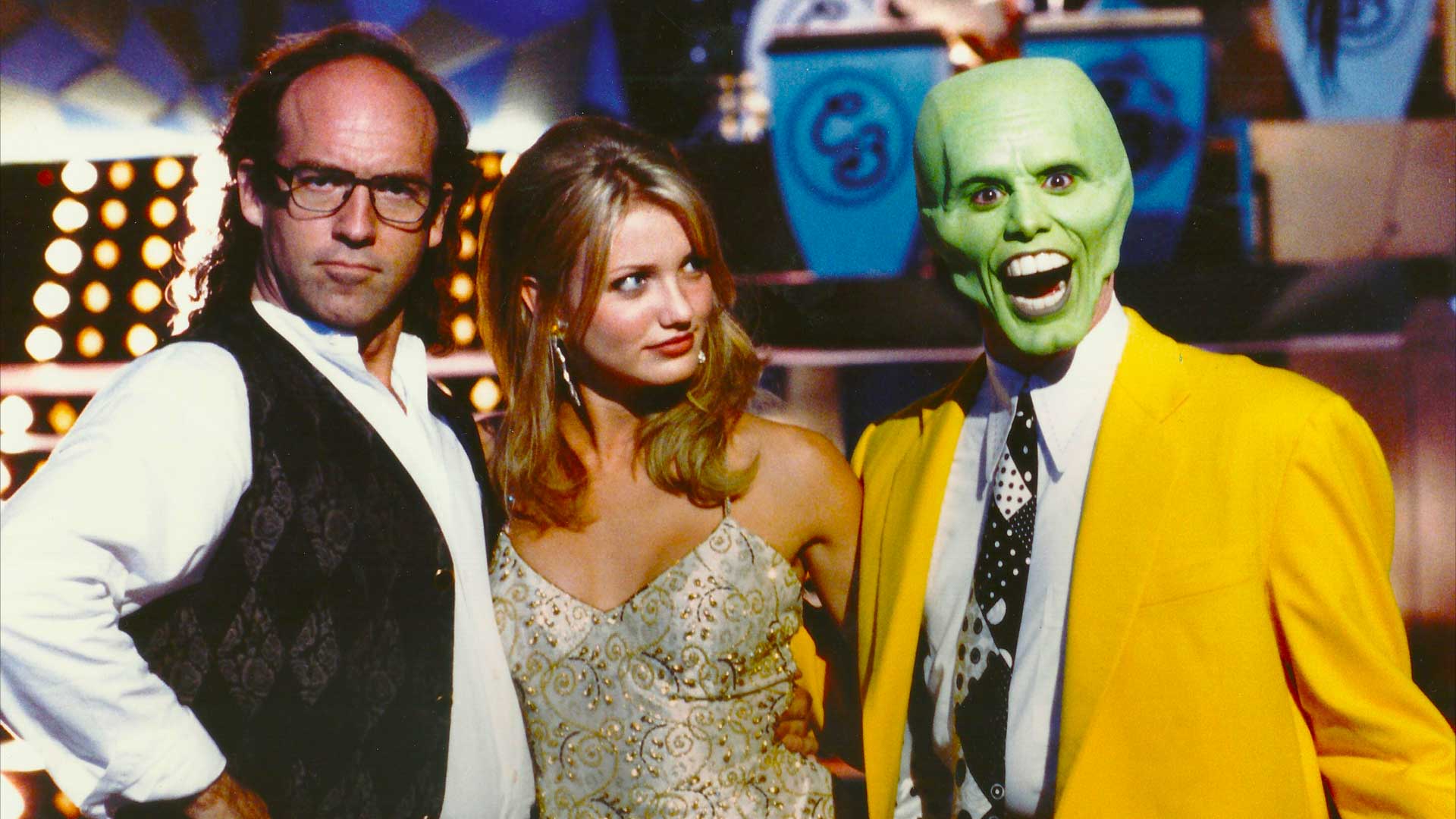
Chuck Russell took a hiatus before unexpectedly returning to big-time success when he directed The Mask in 1994. Interestingly, the titular Dark Horse comic series was originally an ultra-violent comedy horror, and at the time, New Line Cinema was keen to turn it into a horror franchise. Except that Russell had a radically different idea altogether, as he insisted on pivoting the source material into a full-blown, effects-laden, and slapstick-heavy comedy to capitalize on the then-rising comedic talent of Jim Carrey.
He even went as far as casting then-unknown model Cameron Diaz in a major supporting role. It was a risky gamble for a movie positioned in the crowded summer season, but Russell managed to turn The Mask into the box-office king of the rumba beat, bringing in an astounding $351.8 million on a $23 million budget. The film’s success has kept the door open for talk of a long-gestating sequel ever since.
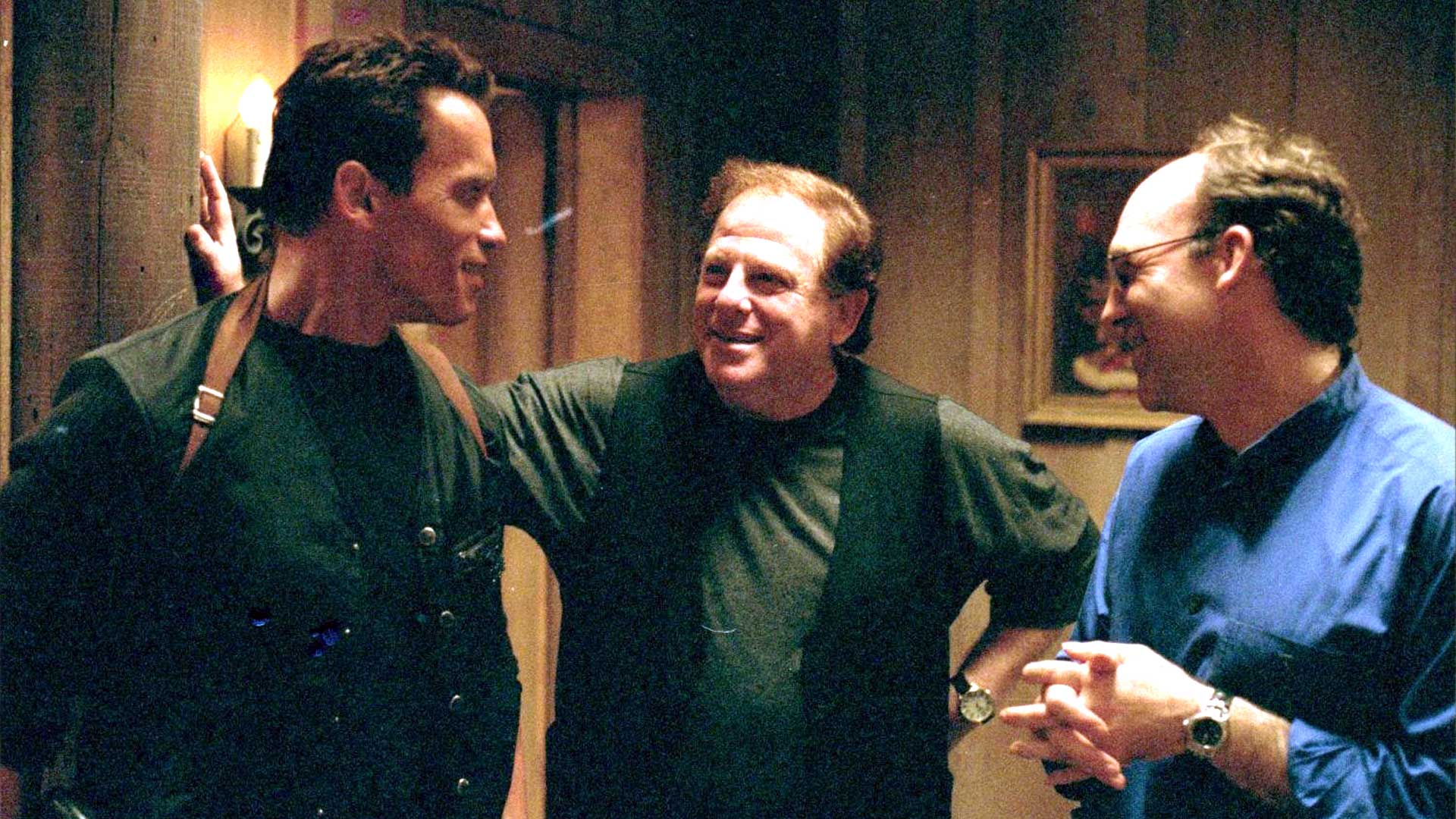
Two years later, Russell was given the green light by Warner Bros. to direct his most expensive movie ever made – a $100 million-budgeted Eraser starring Arnold Schwarzenegger, marking the director’s first foray into the action genre. The movie, which was released in the summer of 1996, became a box office hit. And the success wasn’t just about Schwarzenegger playing his usual larger-than-life action hero, who defied all odds.
Credits also went to Russell for blending Schwarzenegger’s brand of go-big-or-go-home action extravaganza with a futuristic twist by introducing an electromagnetic railgun as a state-of-the-art weapon of destruction. (Russell later revealed which iconic action sequence had to be scrapped from Eraser‘s final cut.)
From Bless the Child to The Scorpion King: Russell’s Up-and-Down 2000s
However, the 2000s onward marked the downfall of Russell’s once-fascinating career, starting with the generic Bless the Child in 2000, arriving late to the party when the religious-horror boom was already flooded with mostly hit-and-miss efforts since the late ‘90s, namely The Devil’s Advocate and The Ninth Gate.
Bless the Child may boast an engaging lead turn from Kim Basinger, but the tonal mishmash of family drama with police procedural and supernatural horror tropes was pretty much a mixed bag. And the most disappointing of all came from Russell’s overreliance on spotty-looking CGI (the rat-infested nightmare, for instance), a far cry from the director’s visual expertise in the past.
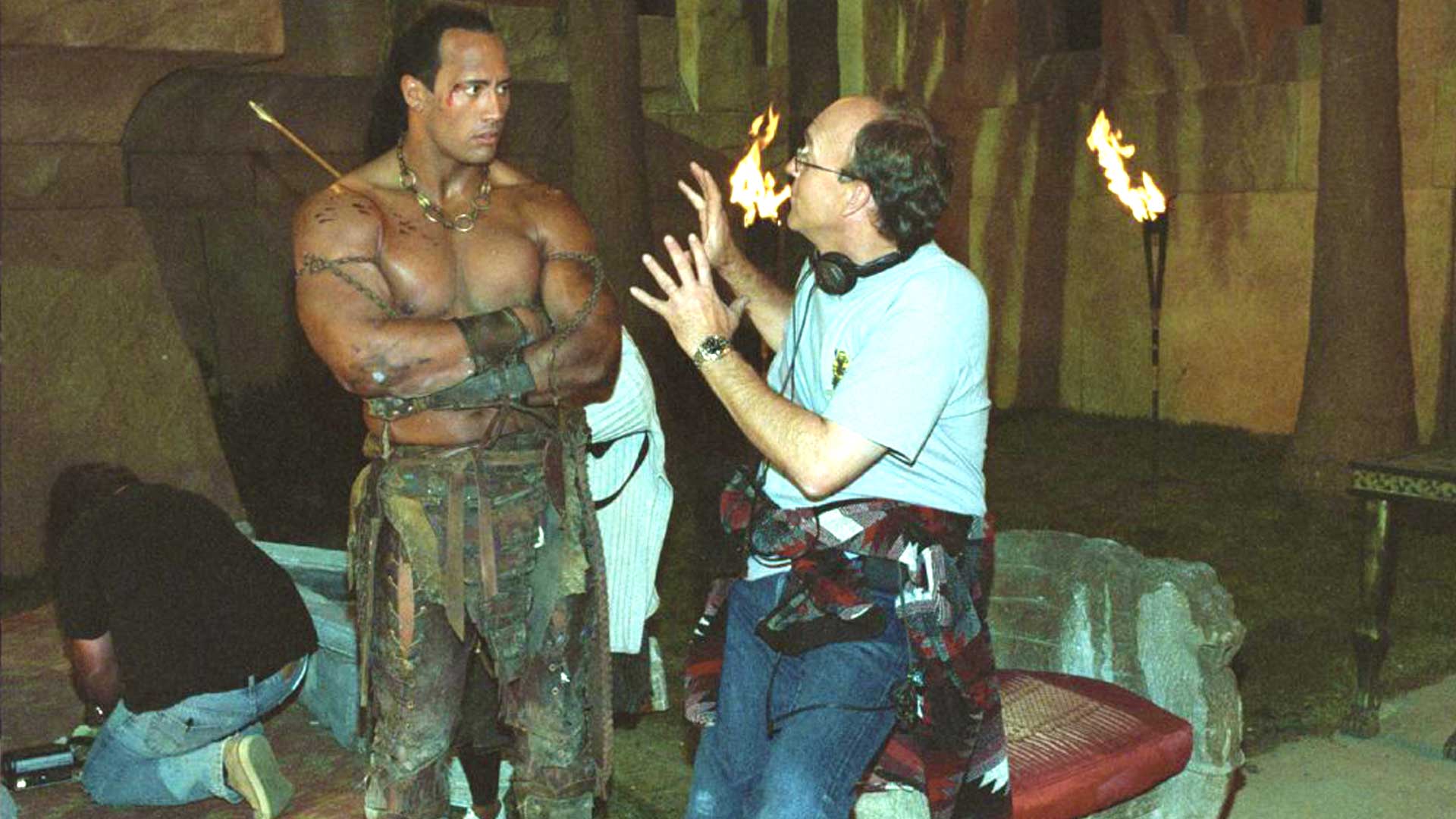
Russell did manage to make a brief box-office comeback in The Scorpion King in 2002, which famously launched WWE sensation Dwayne “The Rock” Johnson into an action-star icon playing the titular character. The movie, which served as both prequel and spin-off to the Mummy franchise, overcame the familiar sword-and-sandal genre and dated CGI with Johnson’s charismatic turn and an old-school, B-movie fun of an action-adventure cliffhanger serial. The Scorpion King was unfortunately the last time we got to see Russell in a big-budget or major Hollywood production. (The franchise’s roots in Johnson’s earlier role trace back to The Mummy Returns, whose CGI Scorpion King famously did not age well.)
By the time he returned to direct in 2016, he was stuck in low-budget VOD features, starting with the bottom-of-the-barrel I Am Wrath, followed six years later by Paradise City, both of which starred John Travolta. His late-career trajectory also saw Russell trying to tackle Bollywood cinema, albeit briefly in the Hindi-language action-adventure Junglee in 2019. Despite boasting elaborate martial arts choreography and relevant environmental themes about wildlife preservation, it failed to attract enough audience to check out the movie.
No doubt that Chuck Russell’s career has its fair share of ups and downs, and even with his later directorial work feeling like a pale shadow of his former self, it’s hard to deny his overall contribution to cinema throughout the decades.