
The 1980s were once a goldmine for the slasher genre – low investment, high return. And even more so with built-in audiences, such as A Nightmare on Elm Street franchise, which first slashed its way to box-office glory in Wes Craven’s iconic 1984 original. The subsequent four sequels released between 1985 and 1989 may have been inconsistent in their quality, but still turned a profit. This also included A Nightmare on Elm Street 5: The Dream Child, except for a glaring change in terms of profitability. It generated only $22.1 million in the US, a significant drop from A Nightmare on Elm Street 4: The Dream Master’s $49.4 million gross (Box Office Mojo).
Why Freddy’s Dead was billed as the franchise’s final chapter
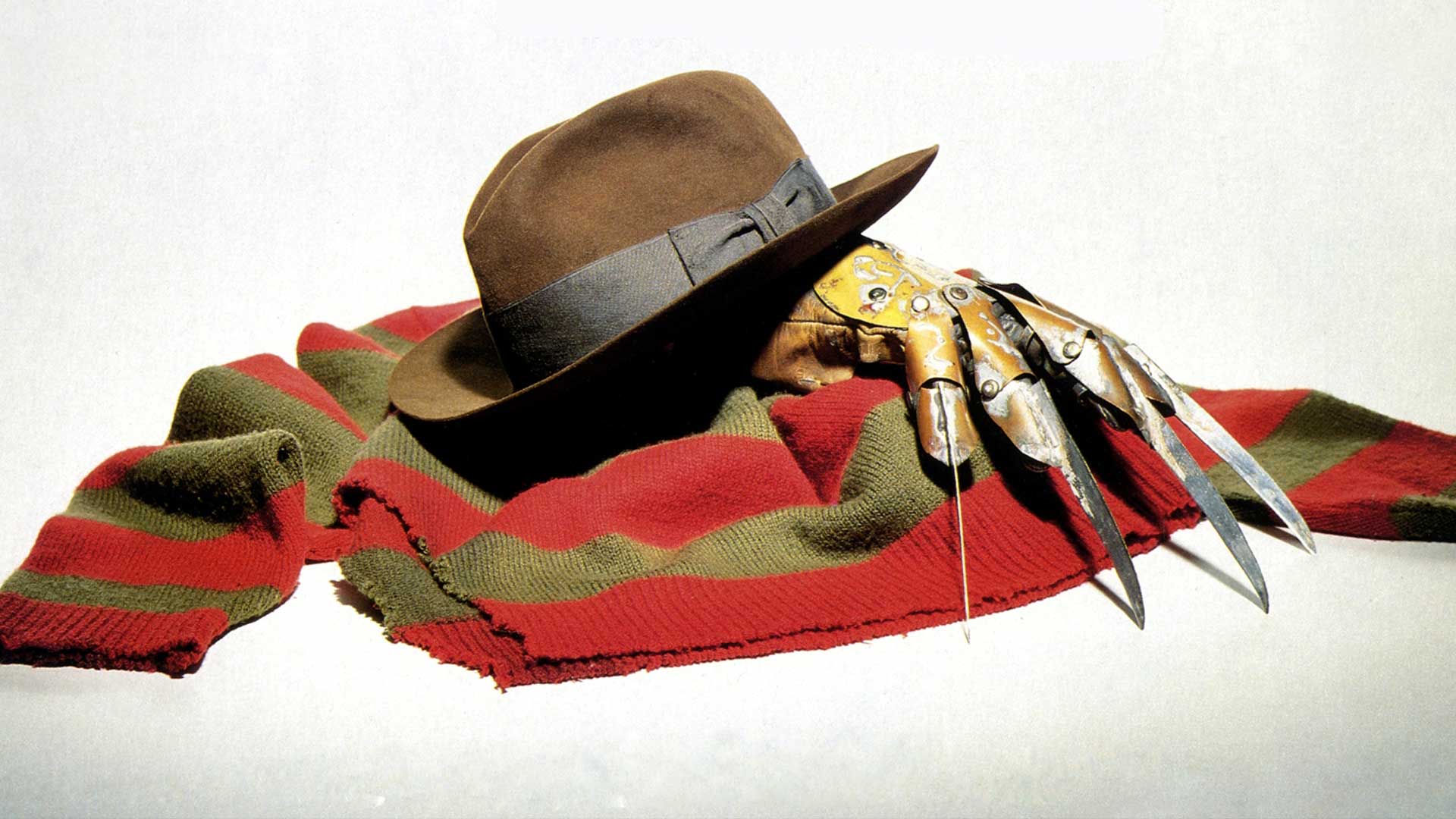
New Line Cinema realized the inevitable franchise fatigue had finally caught up with them, leading to studio head Robert Shaye making the ultimate decision to put an end to it. So, two years after the fifth film, they saved the best for last – as proudly claimed on the poster – with a promising title to attract both fans and audiences: Freddy’s Dead: The Final Nightmare (23% on Rotten Tomatoes).
The strategy worked, and despite getting slaughtered by critics, it didn’t deter the sixth and supposedly final Nightmare on Elm Street film from amassing a healthy $34.9 million at the box office (Wikipedia) on a reported budget between $9 and $11 million. Of course, just because there was the word “final” in the subtitle, that didn’t guarantee the end of the franchise once and for all.
Take Friday the 13th: The Final Chapter, for instance, once intended to be the final film in the franchise, only for Paramount to change its tune after the movie raked in an impressive $33 million on a $2.2 million budget (Wikipedia), and the studio continued the series further. The same also went for Freddy’s Dead: The Final Nightmare before Wes Craven himself resurrected the franchise by going refreshingly meta in 1994’s New Nightmare.
RELATED: 10 Must-Know Survival Tricks to Beat Freddy Krueger in Your Nightmare on Elm Street Dreams
Rachel Talalay’s directorial debut was a box-office hit, but a critical low point
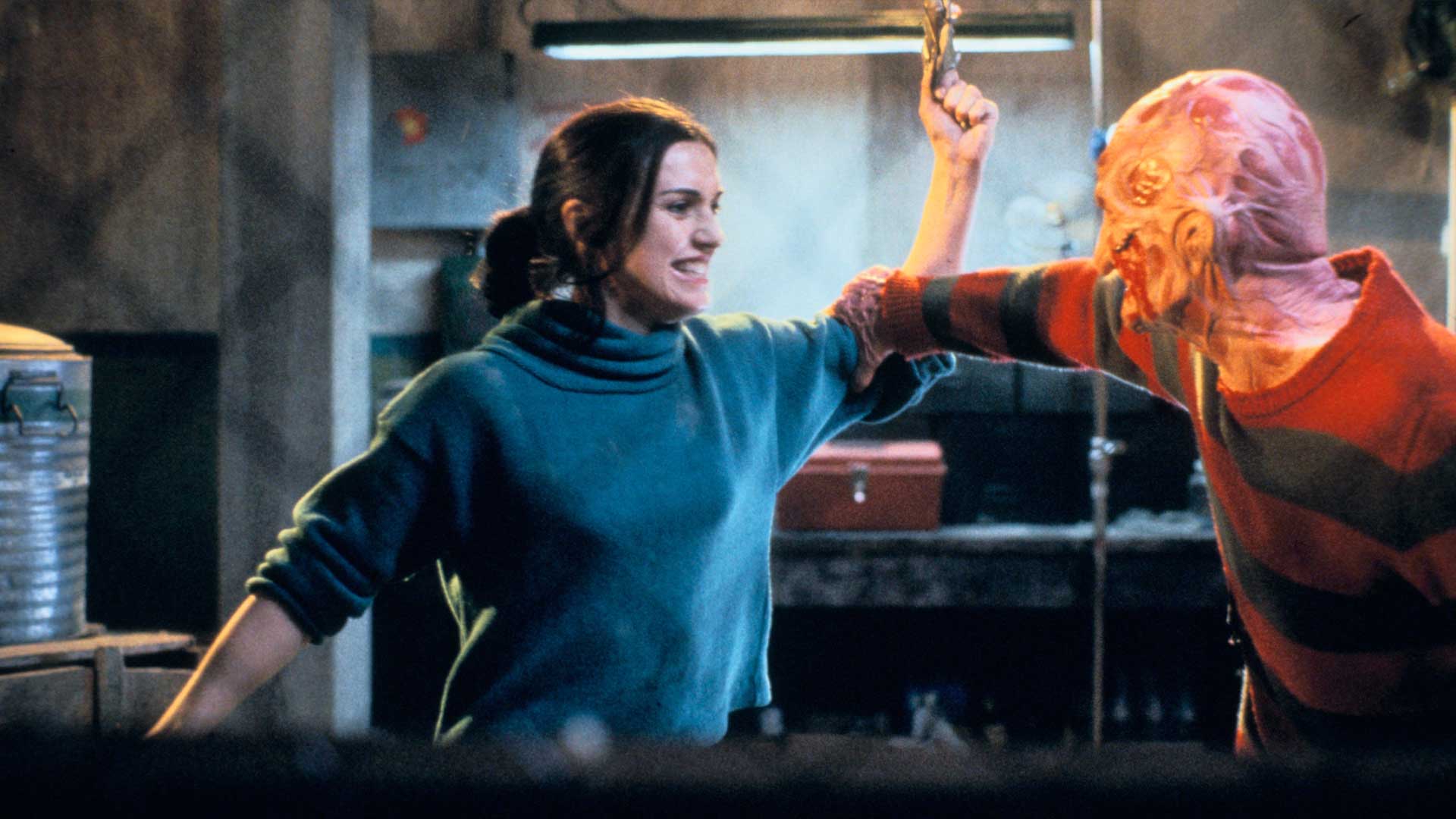
Now, looking back at this film 35 years later, Rachel Talalay’s feature-length debut was rightfully trashed by critics at the time. Among the problems lies Michael De Luca’s screenplay, whose Psycho-like bait-and-switch storytelling backfired rather than successfully pulling off an ingenious twist. The first half introduces John Doe (Shon Greenblatt), apparently “the only surviving teenager” left alive in Springwood, and yet to be killed by the notorious Freddy Krueger (Robert Englund). John suffers from amnesia, and he somehow has connected with Freddy, prompting him to go on a frantic search for the truth about his identity.
Imagine spending time trying to piece the puzzle together, just like the increasingly confused John Doe, only to turn out he’s a red herring after all. Then comes the narrative shift to focusing on Maggie Burroughs (Lisa Zane), a child psychologist serving as the true protagonist here. Too bad Maggie’s backstory involving her and Freddy is disappointingly shoehorned in simply to make it seem they have a biological connection.
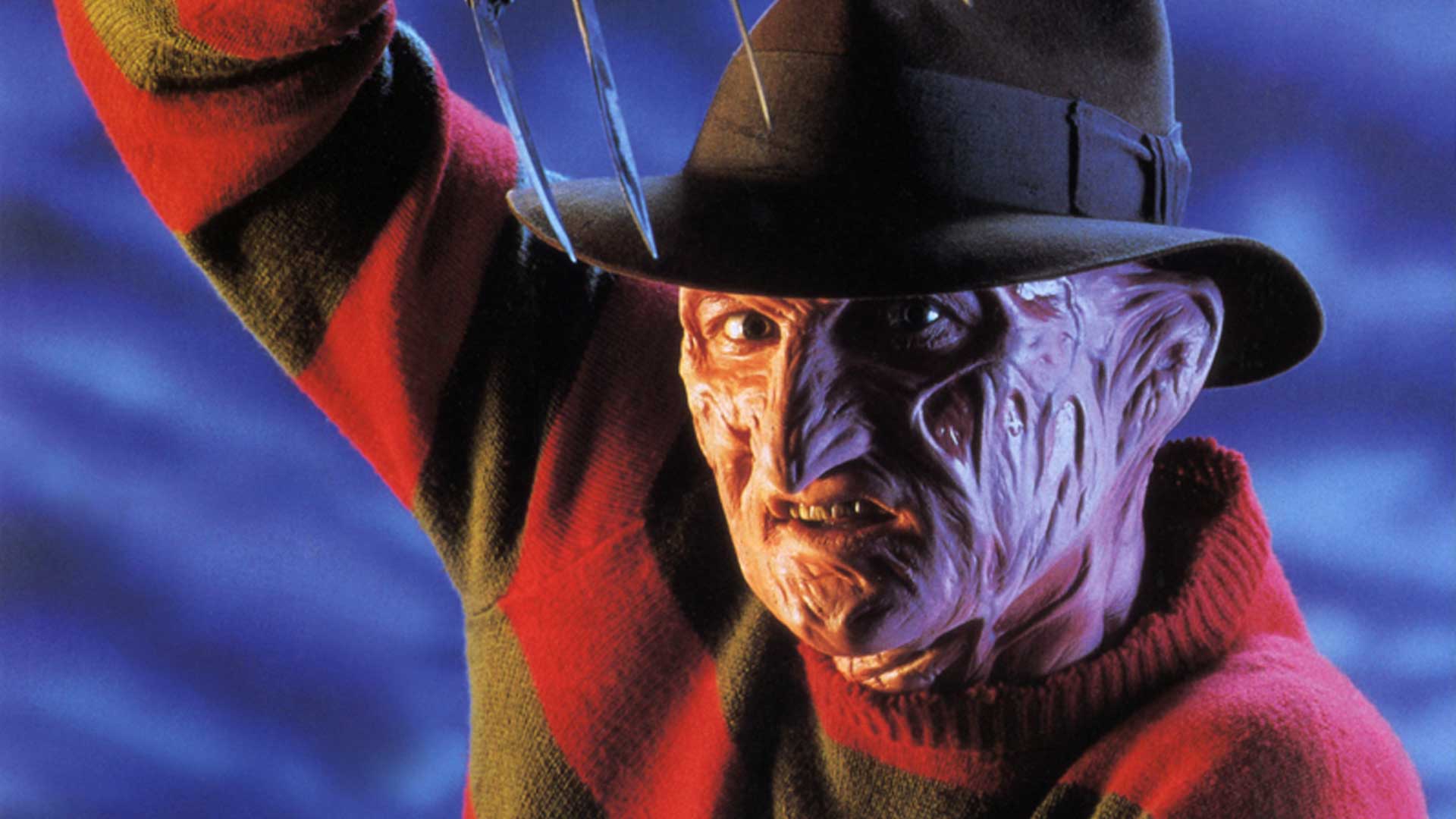
It doesn’t help either that the movie leans heavily on the jokey side of the slasher horror first seen in A Nightmare on Elm Street 3: Dream Warriors. But Englund’s otherwise signature portrayal of Freddy Krueger in this film is barely scary, more of a campy, cartoon-like character. The movie even goes so far as to include Freddy using a Nintendo Power Glove to control a teenager, played by Breckin Meyer, trapped inside an elaborate pixelated video game – easily one of the most awkwardly misplaced set pieces ever seen in A Nightmare on Elm Street franchise. Considering the title, Talalay’s direction comes across as pedestrian, lacking genuine stakes or dread. Her directorial career barely made an impact in feature films, with subsequent efforts such as Ghost in the Machine (1993) and Tank Girl (1995) both poorly received.
Peter Jackson’s unmade Nightmare on Elm Street script had more potential
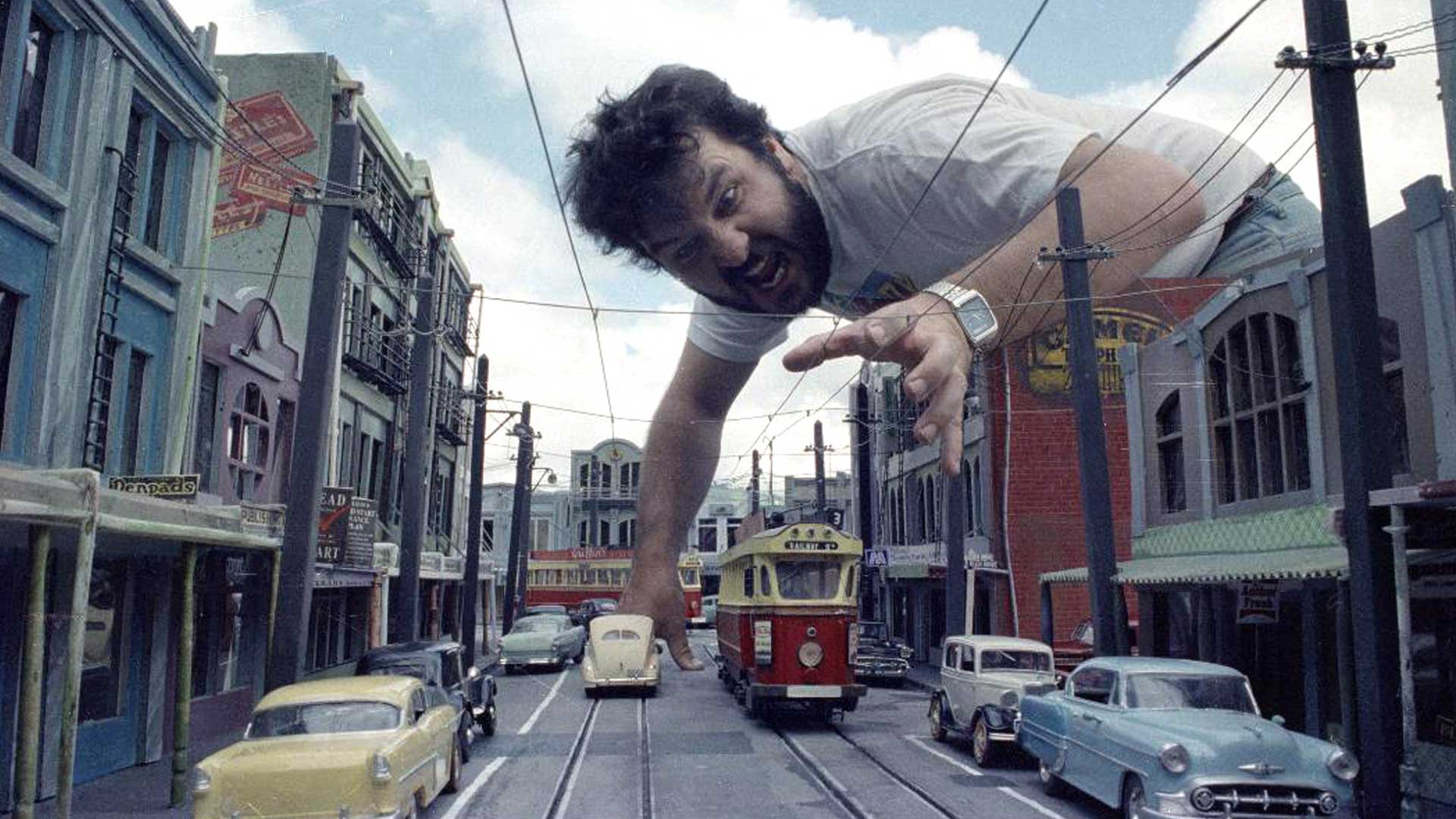
Interestingly, before what we got here in Freddy’s Dead: The Final Nightmare, things might be radically different, but potentially more intriguing in the hands of… Peter Jackson. He was an up-and-coming New Zealand filmmaker at the time, with Bad Taste and Meet the Feebles under his belt. His gonzo, indie horror style made him a bold but interesting choice to steer A Nightmare on Elm Street into a fresh direction, resulting in the first draft of a script titled A Nightmare on Elm Street 6: The Dream Lover (Wikipedia).
Jackson’s version saw Freddy no longer posing a threat to the teenagers. Instead, the teens turned the tables by deliberately taking sleeping pills to enter the dream world and beat him up just for fun. Then, things went sideways when a teenager got careless, causing Freddy to regain his power and begin his killing spree. However, New Line Cinema wasn’t keen on Jackson’s script and went for Talalay and De Luca’s version instead.
Despite failing to land the gig, that didn’t stop Jackson from bouncing back with Braindead, a.k.a. Dead Alive, and the true-crime Heavenly Creatures.
RELATED: There Are Now Two Competing Freddy Krueger Movies — And Only One Can Survive
Every Nightmare on Elm Street movie, ranked by domestic box office
| Rank | Film | Year | Domestic Box Office |
| 1 | Freddy vs. Jason | 2003 | $82,622,655 |
| 2 | A Nightmare on Elm Street (remake) | 2010 | $63,075,011 |
| 3 | A Nightmare on Elm Street 4: The Dream Master | 1988 | $49,369,899 |
| 4 | A Nightmare on Elm Street 3: Dream Warriors | 1987 | $44,793,222 |
| 5 | Freddy’s Dead: The Final Nightmare | 1991 | $34,872,033 |
| 6 | A Nightmare on Elm Street 2: Freddy’s Revenge | 1985 | $29,999,213 |
| 7 | A Nightmare on Elm Street | 1984 | $25,504,513 |
| 8 | A Nightmare on Elm Street 5: The Dream Child | 1989 | $22,168,359 |
| 9 | Wes Craven’s New Nightmare | 1994 | $18,090,181 |
Domestic lifetime grosses per Box Office Mojo.
Freddy’s Dead: The Final Nightmare is currently streaming on Max, and available free with ads on Tubi. It’s also available to rent or buy on Prime Video, Apple TV, and Fandango at Home.
Freddy's Dead: The Final Nightmare |
|---|
Dream-haunting Freddy Krueger returns once again to prowl the nightmares of Springwood's last surviving teenager, and of a woman whose personal connection to Krueger may mean his doom. |
 |
|---|
| Studio: New Line Cinema |
| Running Time: 89 minutes |
| Release Date: September 13, 1991 |
| Cast: Robert Englund, Lisa Zane, Shon Greenblatt, Lezlie Deane, Yaphet Kotto |
| Director: Rachel Talalay |
| Writers: Michael De Luca |
| Genre: Horror, Fantasy |
| Box Office: $34.9 million |