Netflix’s latest Friday release, The Last House, has been climbing the global charts over the weekend, but plenty of viewers have walked away from Louis Leterrier’s alien-invasion thriller, questioning whether it was actually written by a human. Threads user @rbyngmy shared a theory that The Last House might actually be a test case for Netflix to gauge whether audiences will accept AI-assisted filmmaking. And according to the response, many (1.1k likes and 139 comments) seem to believe it. It’s either written by AI, or it’s one of the worst-written scripts of the year.
Something Really Is Off About This Movie
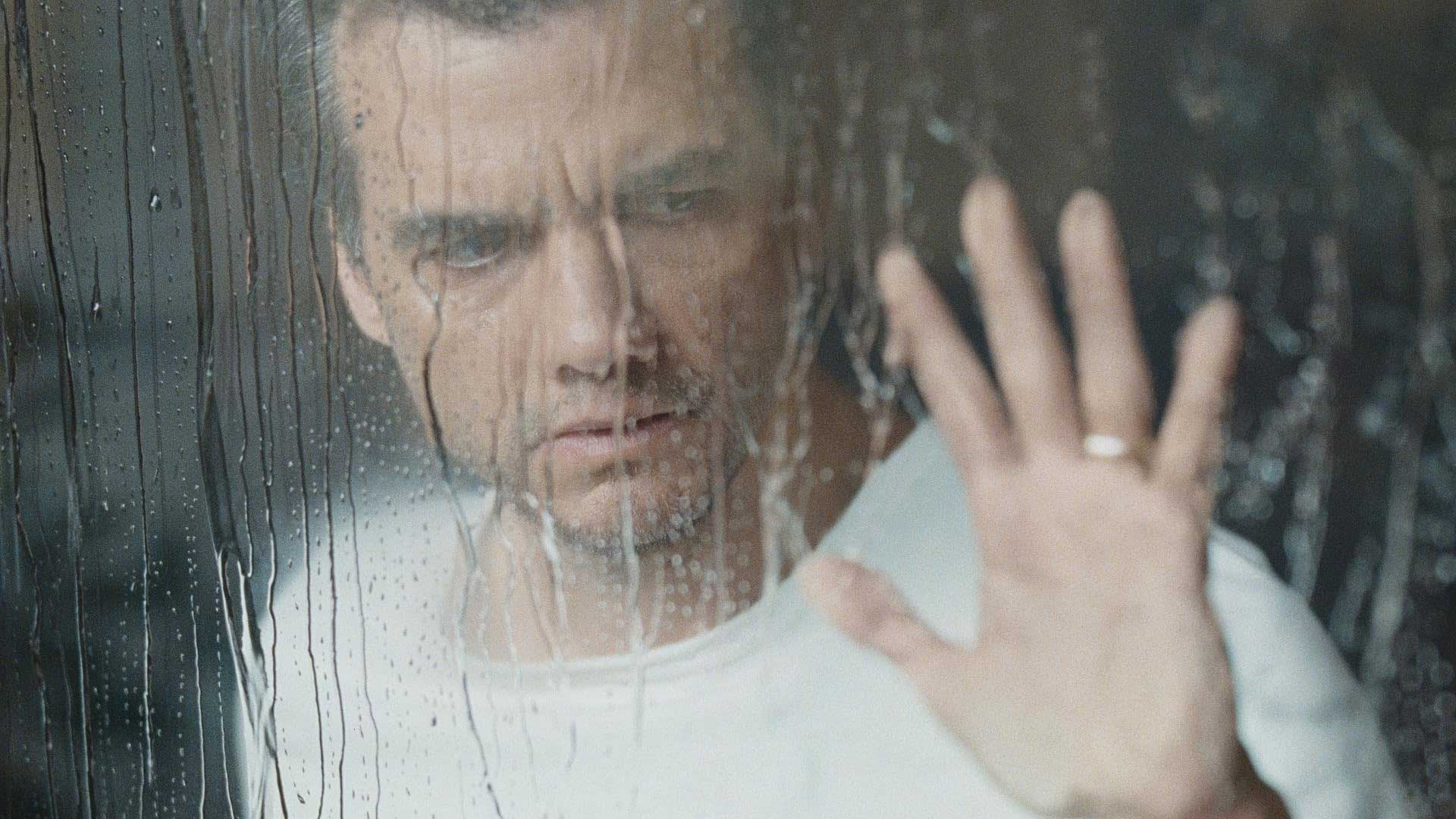
See, there’s something really off about the alien-invasion thriller. Yes, the dialogue feels unnatural. Yes, the editing seems a bit choppy. And, sure, some of the VFX seems questionable. But it’s the actual story that’s really the headscratcher.
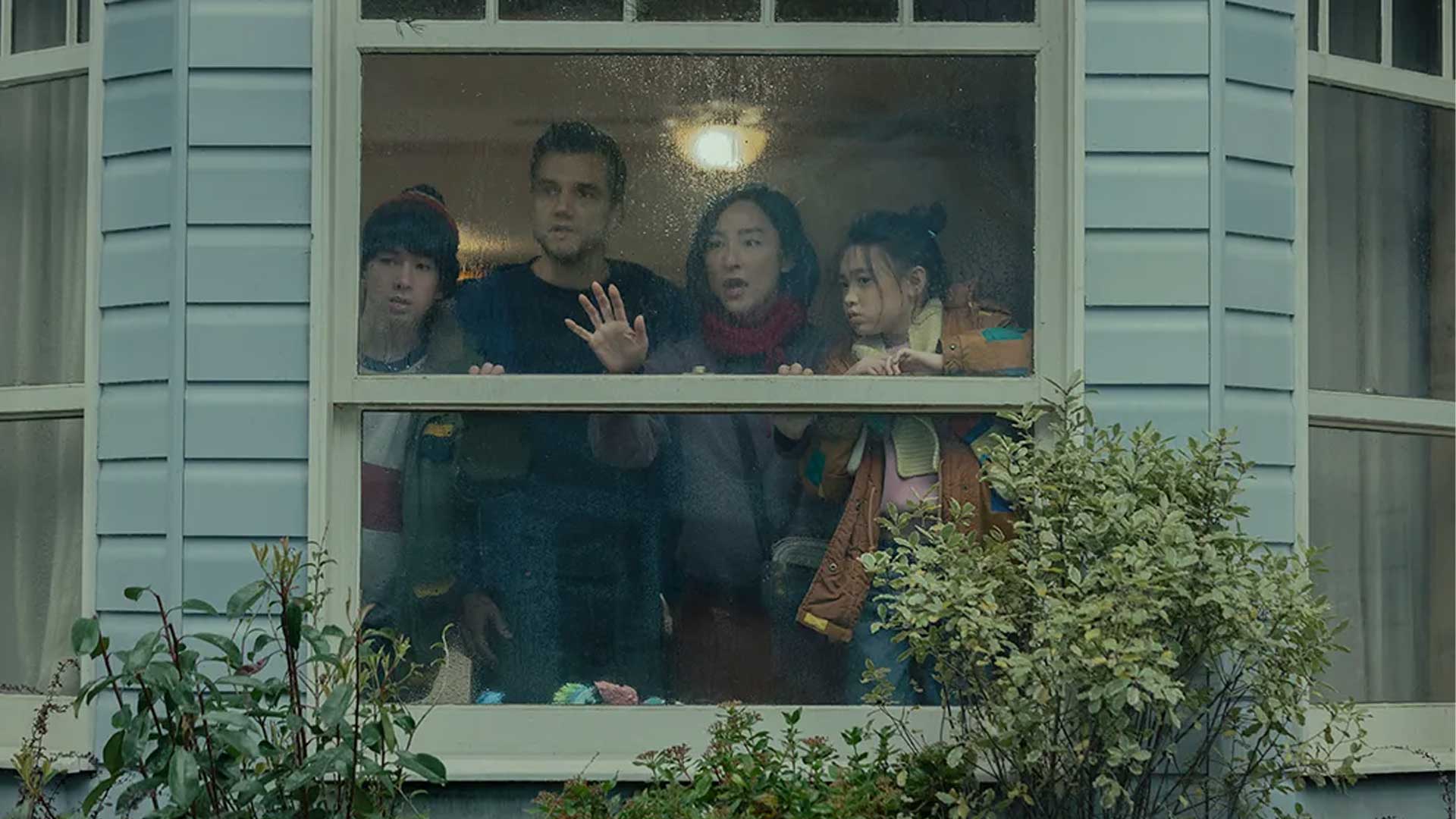
The story follows a family who is locked inside their suburban home when a strange storm sweeps in over their city. They can’t open their doors or break windows to get out. Something in the water keeps them stuck indoors. Why? We don’t really know, and we never really find out. All we know is that there are creatures outside hunting them down while they are locked indoors trying to stay alive. After two months, they begin to run out of food and turn to strange sources of food – like eating the family dog, whom they kill because he is suffering from a heart condition. They also find a way to capture small animals using a trap they throw out of their chimney into their yard. It’s strange. And if that’s not enough, the relationships between the family members are strange too. The dad goes from being a hero to being labelled crazy and back to being a hero again. The mom has a similar arc.
Critics and Audiences Are Noticing the Same Thing
You might not notice it at first. But once you’ve completed the film and you look back at it, it does go into strange places a lot. And for that reason, people seem to believe it was written by AI. And it’s not just one person; many people seem convinced. Scroll through reviews and social reactions to The Last House and a similar complaint keeps surfacing: that the film’s dialogue and plotting feel disconnected from how people actually talk and behave.
Screen Rant describes The Last House as “a mess with very few redeemable qualities” and “feels so much like something a person would’ve dreamed up during the haze of COVID-19 lockdowns and mistaken as profound”. High on Films mentions that the film’s grounded human survival story keeps getting undercut by its monster plot, which feels more like an afterthought. And while neither one of them points to AI, they all seem to agree that the film is strange. And audiences feel that way too, except they have the balls to call it out.
RELATED: Netflix’s Most-Watched Film Accused of Using AI
Netflix Has Already Confirmed Using AI — A Lot
And the accusations don’t come from nowhere. Just recently, Netflix’s co-CEO Ted Sarandos confirmed that the streaming service has been using generative AI across roughly 300 movie and TV titles in its library. He even framed the technology as a cost- and time-saver rather than a creative replacement. And audiences weren’t happy about that either. Many feel that studios and filmmakers should reveal whether or not AI was used to create a film or series.
RELATED: A Team of 15 Made the World’s First AI Feature Film in 14 Days for $500,000
But Not Every Bad Movie Is Secretly an AI Movie
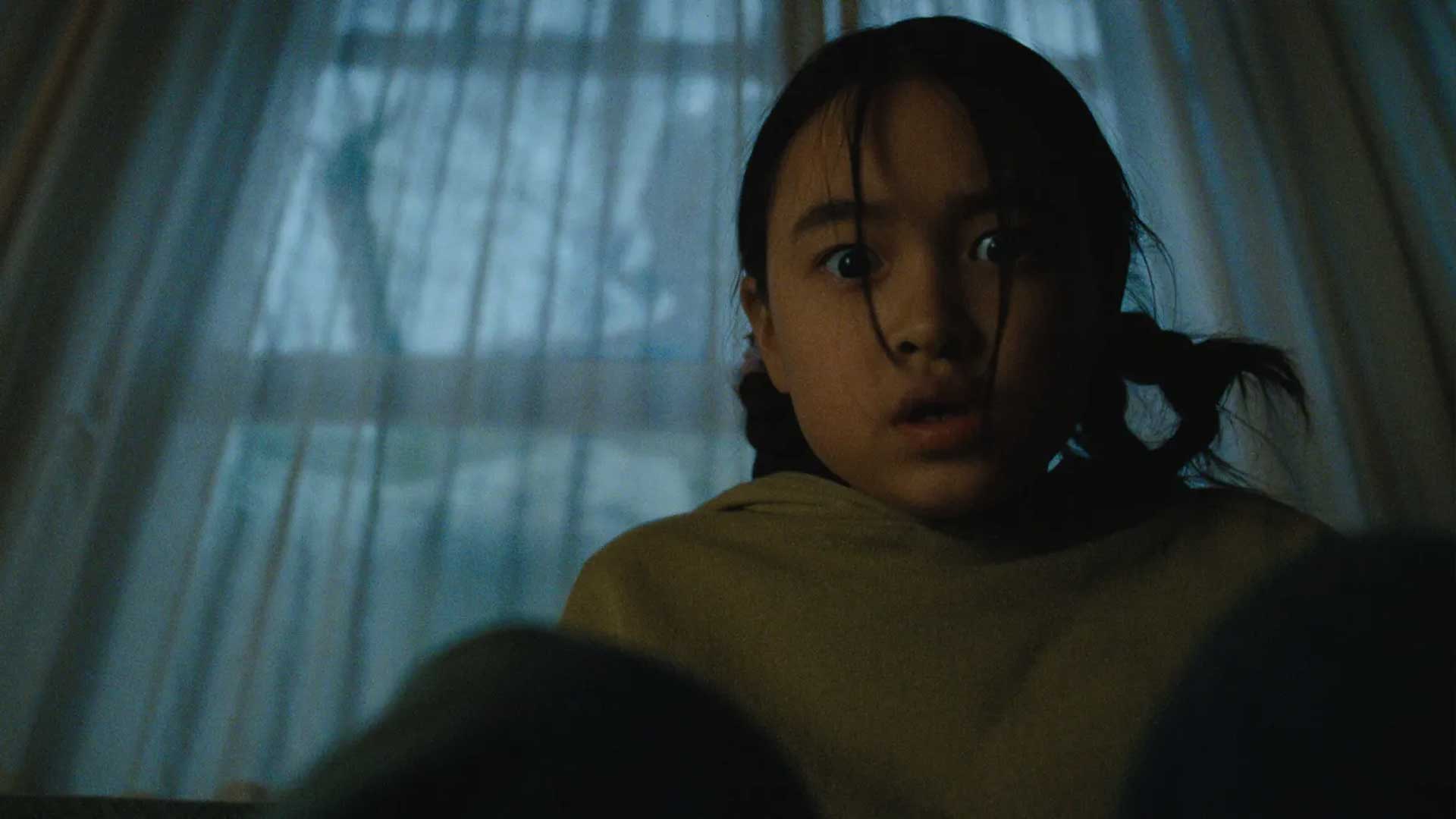
But it’s also worth being completely honest about the other side of this too: “AI” has also become the shorthand for “I didn’t like this much.” And it’s been used to describe everything from bad CGI to controversial stories to “stories I don’t quite believe to be true”. Of course, accusing any film of being written by AI is a serious claim, and, if we’re honest, right now there’s no actual evidence that The Last House‘s script (credited to Matthew Robinson, who also wrote the anti-AI satire Good Luck, Have Fun, Don’t Die) was actually generated or assisted by AI. Sometimes a bad movie is just a bad movie. Sometimes something is just plain average – which might actually be the case here. Human screenwriters leave plot holes all the time.
All of that said, it’s easy to see why everyone is taking issue with The Last House and why the theory is spreading. Once you get past the premise, the plotting genuinely is strange. If you’re willing to suspend your belief far enough, it’s a decent watch. But if you’re expecting a grounded film set in any sort of reality, well, that flies out the window as soon as the doors slam shut on the family of four.
Where to Watch: The Last House is streaming now, exclusively on Netflix.