

Years before Jonathan Demme turned one of Thomas Harris’s Hannibal Lecter novels into financial and critical successes, even bringing home multiple Oscar wins in The Silence of the Lambs, Michael Mann had already done a great job in Manhunter. It was adapted from the 1981 novel Red Dragon, which first introduced the infamous serial killer, but the big-screen adaptation changed its title for a reason that’s best described as… superstitious.
Apparently, executive producer Dino De Laurentiis insisted on a different title to avoid the word “dragon” in it, especially after his Year of the Dragon faltered at the box office. The title-change strategy made little difference, as Manhunter opened with little fanfare back in the late summer of 1986. The movie landed softly at No. 7 in the US box office, only managed to scrape a paltry $2.2 million, and barely recovered.
By the time it left theaters, Manhunter could only muster an unconvincing $8.6 million domestically and ultimately failed to recoup its $15 million budget. The movie’s box-office fiasco stemmed from its lackluster marketing, primarily because the distributor, De Laurentiis Entertainment Group (DEG), had already suffered a financial setback. It also didn’t help that changing Red Dragon to Manhunter alienated the core audience that mattered the most – the built-in fanbase who loved Thomas Harris’s work.
Besides, sticking to the original title could do the movie a lot of favors. This is especially true after the Anthony Hopkins-led Red Dragon in 2002 resulted in greater box-office success. It was a pity that Manhunter didn’t resonate with audiences back then, even though the movie has since been re-evaluated and gained a cult following.
The Opening Scene That Set the Template for Every Serial Killer Movie After It
Now, celebrating its 40th anniversary this month, Manhunter remains an underappreciated masterpiece of a deliberately paced police procedural and psychological thriller in which Mann establishes firm control over his direction. Right from the start, the opening sequence brings a stark contrast between dark and light, first filling the screen with a creepy POV shot of an unseen intruder illuminating the pitch-blackness with a flashlight.
The first-person camera perspective doubled as a voyeur, moving slowly above the stairs of a suburban home before entering the bedroom. The camera then stays still, with the flashlight beam directed at the sleeping woman on the bed, forcing her to wake up, and what happens next is left to the audience’s imagination before the screen cuts to black.
The nighttime intrusion then transitions to introduce FBI profiler Will Graham (William Petersen) on a bright, sunny day, complete with an establishing shot of the deep blue sky and the stillness of the white clouds. Mann and cinematographer Dante Spinotti frame the seemingly ocean-calm environment, but the sight of Graham sitting on a large piece of driftwood, gazing silently out at the open space – a recurring visual motif which has been prominent in the director’s work. He had already done it in Thief five years ago, and later in his other movies such as Heat and Miami Vice.
Graham is already a broken man when we first meet him, suffering from a prolonged psychological trauma that almost broke his sanity after capturing the notorious serial killer Hannibal Lecktor (Brian Cox). The latter’s last name isn’t a spelling mistake, and yet there was no reason given for the change in the first place. A script oversight, or perhaps the significant letter “K” sounds sharper and more disturbing than retaining the word “Lecter”?
Brian Cox’s Hannibal Was Spelled ‘Lecktor’ — And Why His Performance Still Outdoes the Sequel’s
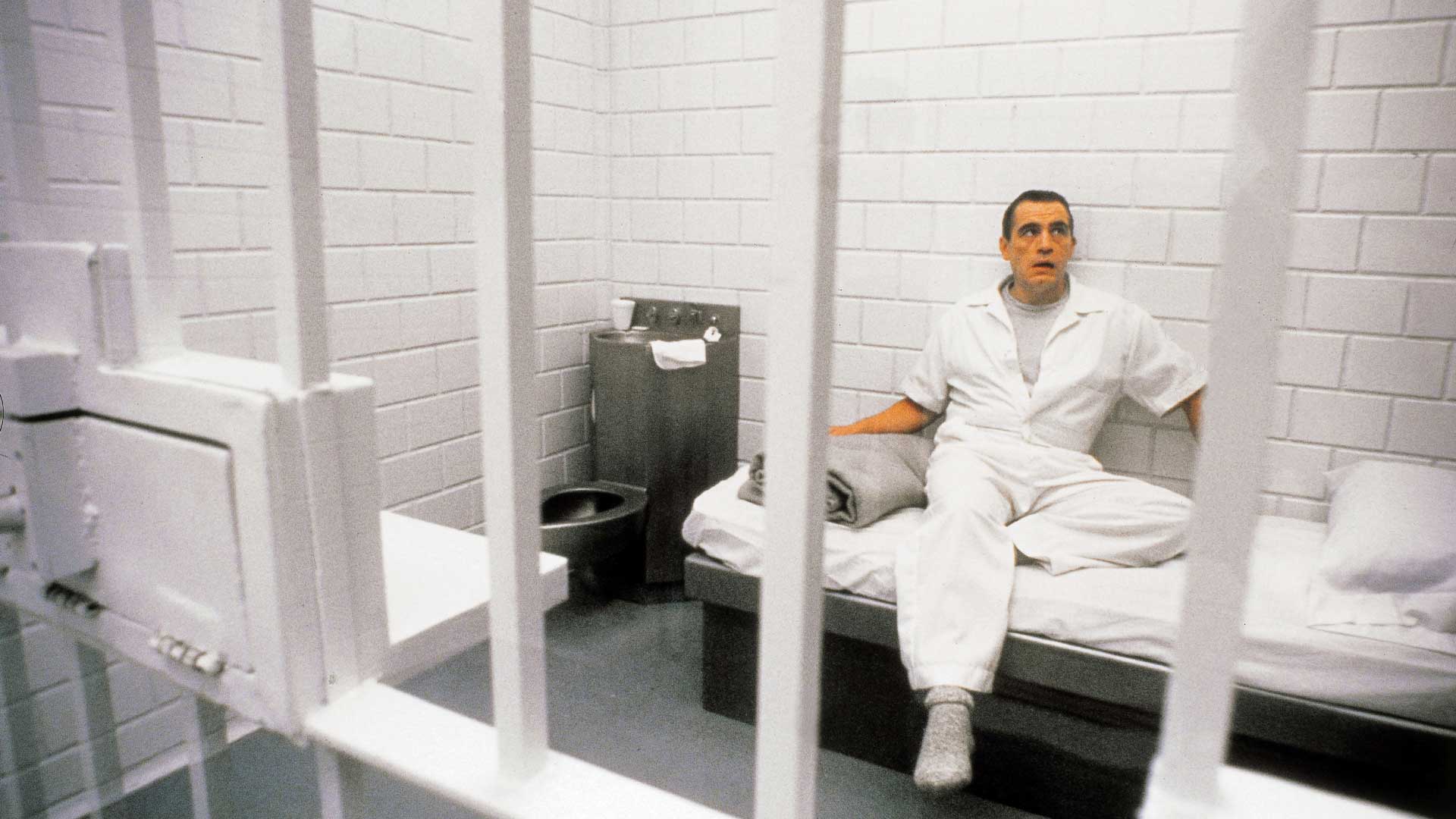
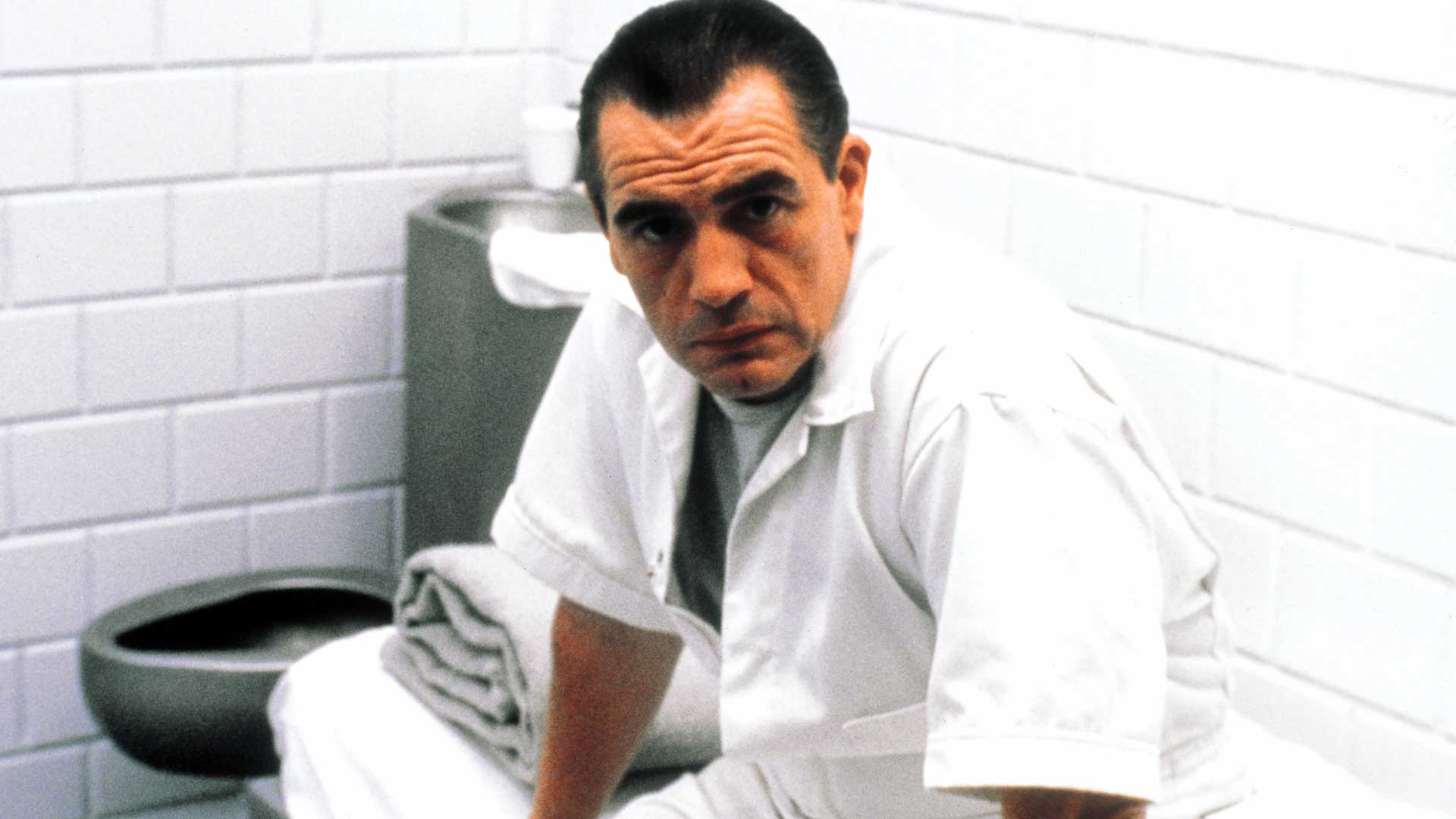
Whatever the reason is, there’s one thing for certain: Brian Cox’s portrayal of Hannibal Lecktor is one for the ages. His appearance may have been confined to a cell, but his understated presence brings a quietly chilling aura that he doesn’t have to act menacing to justify his psychopathic role. Mann doesn’t even show the flashback of how Lecktor murdered his victims, believing that the less-is-more approach projects scarier results than standard in-your-face gore and violence.
Instead, Lecktor’s unspeakable nature of his serial killing acts relies heavily on the power of suggestion and the fact that he drives even a top FBI profiler like Graham into severe trauma in the first place without addressing the details visually, already hinting at how terrifying he turns out to be. Cox’s best moment in the movie comes during his meeting with Graham, where the latter visits him for his professional opinion as an ex-psychiatrist regarding the elusive serial killer, a.k.a the Tooth Fairy (Tom Noonan).
Here, Mann made excellent use of the blindingly white surroundings of the cell and Lecktor’s all-white prison uniform to maximize the lingering sense of unease and hostility. Their meeting between the prison bars separating Lecktor and Graham is depicted more as a false illusion of safe space, as Mann zeroes in on the clinical tension, highlighting the psychological and intellectual mind games between these two characters.
Petersen and Noonan Beat Out Bigger Stars — Here’s Why Mann Chose Them Instead
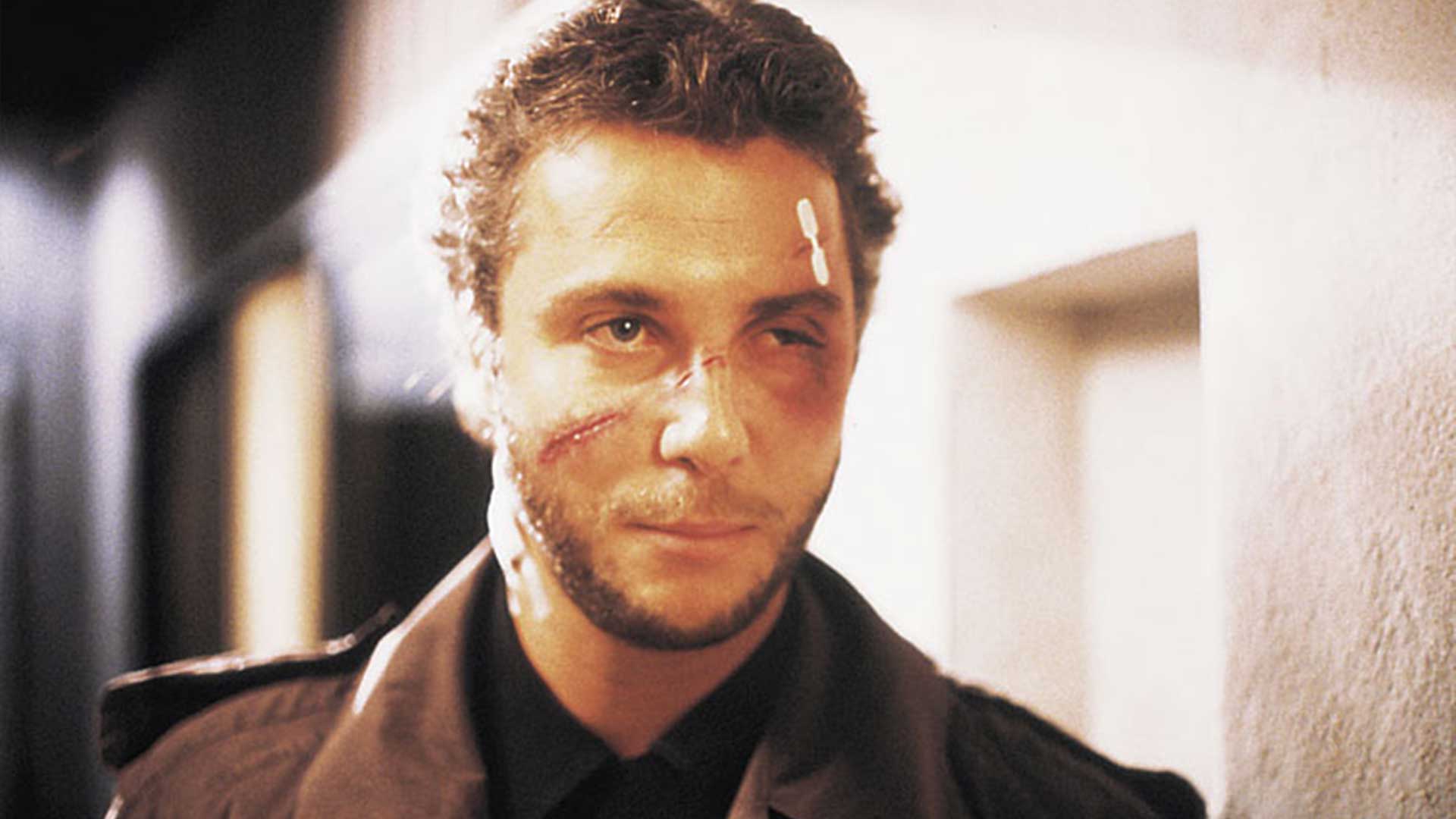
While Cox steals the show in Manhunter, credit also goes to Mann for bringing out the best in Tom Noonan’s antagonist turn as Francis Dollarhyde/The Tooth Fairy. The late actor, who died earlier this year at the age of 74, may have looked physically imposing at 6’5”, but he doesn’t use his height to dominate his presence. Instead, his Dollarhyde comes across as shy and awkward, with a soft-spoken personality, but beneath his vulnerable-looking exterior lies a deeply disturbed individual capable of committing remorseless violence.
Between Cox and Noonan, Petersen’s Will Graham marks one of his best film roles, other than his conflicted Secret Service agent performance in To Live and Die in L.A. the year before. His traumatized yet relentless anti-hero portrayal of an FBI profiler showcases his subtly expressive acting, and Petersen is undoubtedly the right man for the job. Besides, it was his performance in To Live and Die in L.A. that led Mann to ultimately choose him over other potential candidates, namely Nick Nolte and Mel Gibson.
The movie, which was recently released in selected US and international cinemas under the title Manhunter: The Final Cut, served as the ultimate version for Mann, who personally supervised the 4K restoration of his 1986 genre classic. Not only do fans and audiences get to enjoy better visual clarity, but also immersed in its remastered audio, along with several story changes and additional footage, one of which includes the epilogue where the bruised Graham visits the family supposedly targeted by the Tooth Fairy.
RELATED: Hannibal Returns to Netflix This July, But Bryan Fuller Says One Thing Still Stands in the Way
Manhunter is currently streaming on Netflix and Prime Video, but is also available free with ads on Tubi and Pluto TV. Manhunter: The Final Cut remains in select movie theaters.