
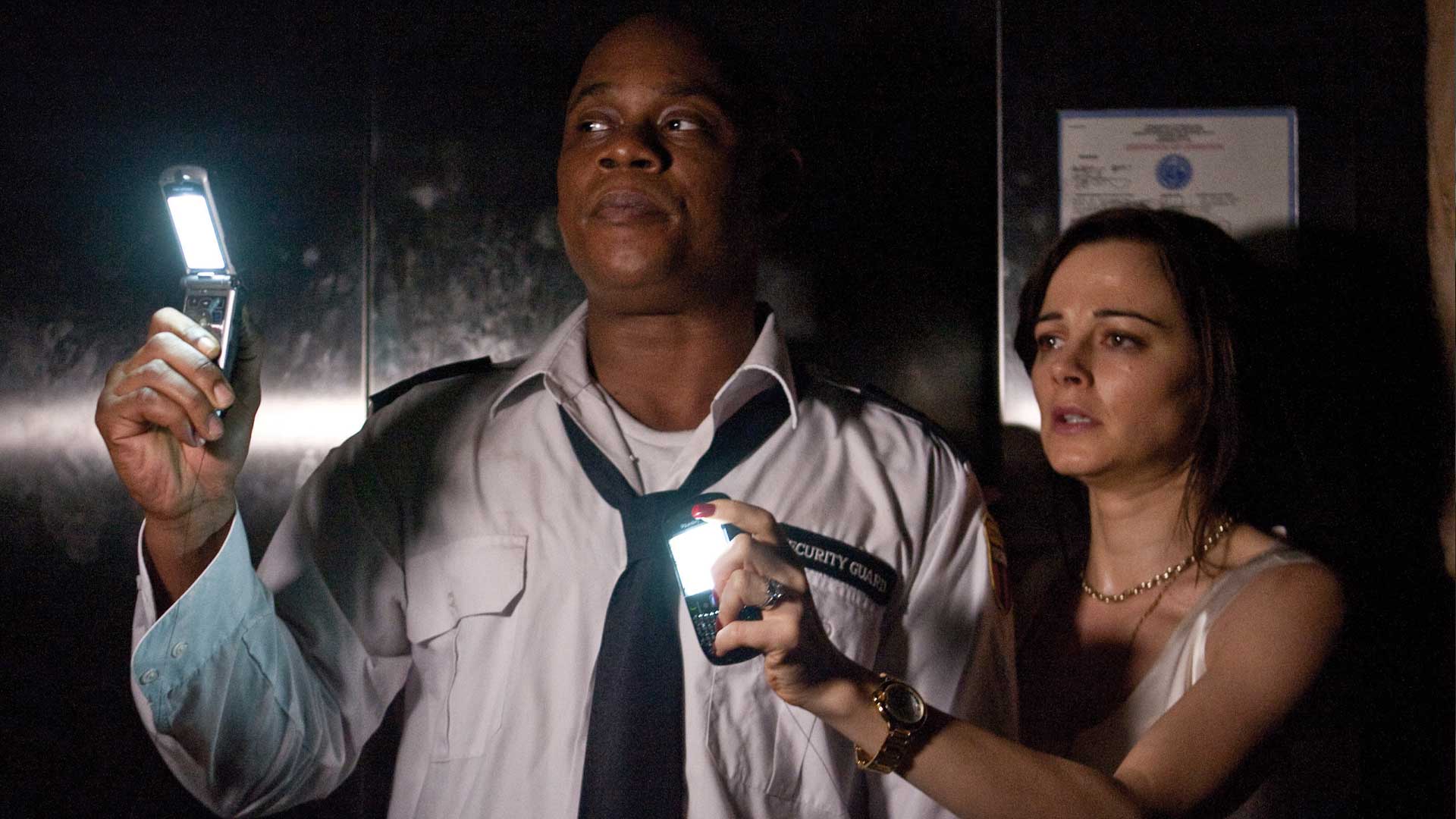


One of the most common misconceptions about Devil (2010) is that it is “just another M. Night Shyamalan flick.” It isn’t — and the story of what it was supposed to become makes the whole thing even more fascinating.
Written and produced by M. Night Shyamalan, Devil was a surprise horror hit that was supposed to be the first entry in a new series of standalone horror films. It was also, as it turned out, the last film completed by legendary cinematographer Tak Fujimoto before his retirement — a detail that adds a quiet, bittersweet note to an already underappreciated piece of work.
The Shyamalan Film He Didn’t Direct — and Why That Matters
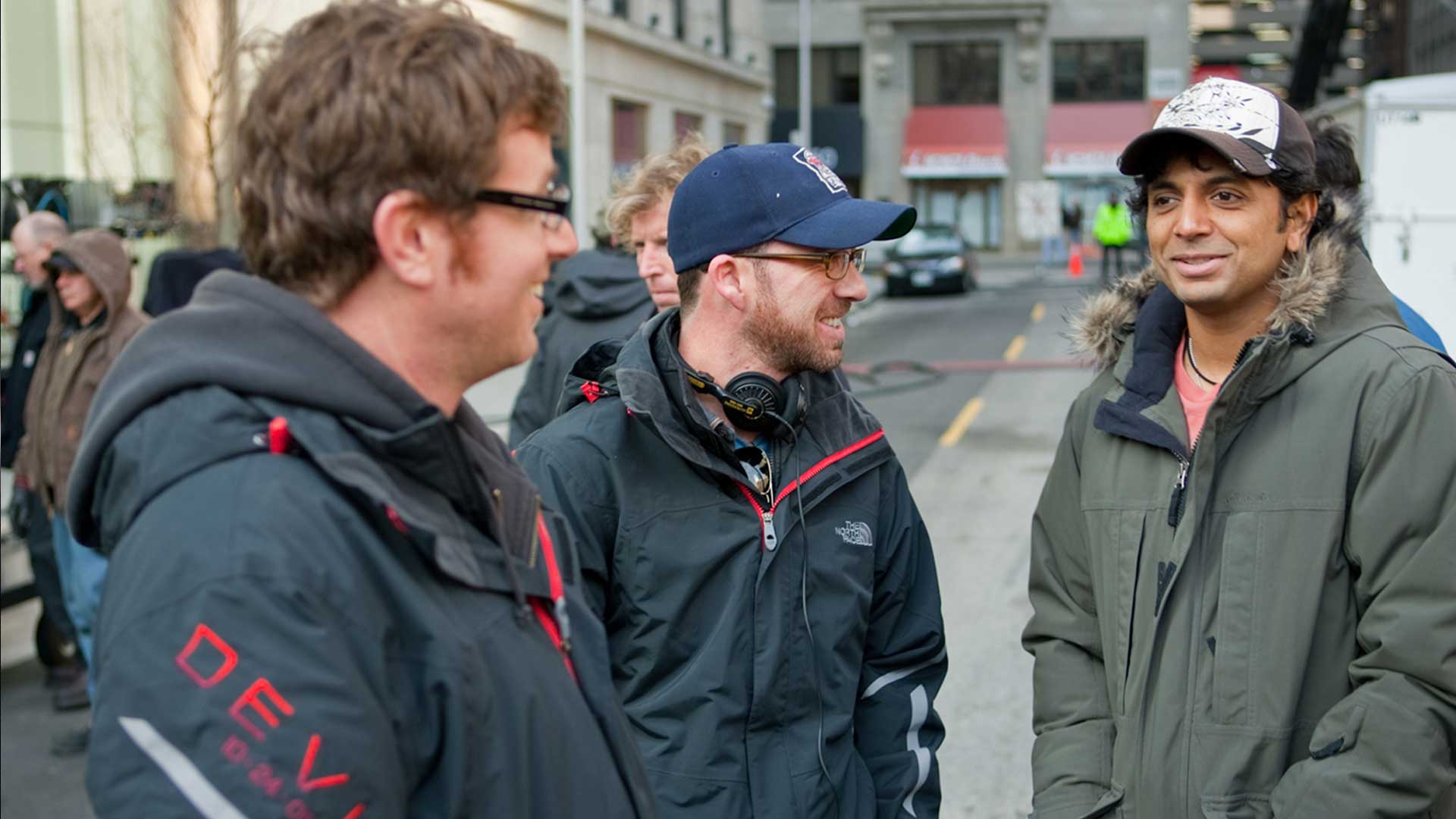
One of the most common misconceptions about Devil is that it is just another M. Night Shyamalan film, like The Village, Signs or The Sixth Sense. This time, however, the filmmaker wasn’t entirely responsible for the movie.
In a very unusual twist (a Shyamalanesque twist, if you will), Shyamalan didn’t direct Devil — that responsibility falls on John Erick Dowdle, who’s best known for his work on multiple horror films such as The Poughkeepsie Tapes and As Above, So Below. It seems like claustrophobia is a usual trademark of his, which makes him the ideal guy for a movie like Devil.
That said, some parts of Shyamalan’s script might have been lost in translation between him and Dowdle. After all, Shyamalan has always been well-known for the human drama at the centre of his surreal movies. His works tend to focus on the relationship between characters rather than the action itself. And when you think of Devil, with its multiple characters dealing with varying degrees of past trauma, one can’t help but notice that the movie lacks some of Shyamalan’s signature nuance.
The film’s story began in 2008 when Shyamalan announced that his next project would be the first in a new series that he called The Night Chronicles — an ambitious attempt to build a horror universe of connected standalone films, each one exploring the supernatural through a different lens. Unlike most of his previous films, The Night Chronicles 1: Devil would not be directed by him. That task befell the Dowdle brothers, who had previously proved themselves as some solid horror filmmakers with indie films like The Poughkeepsie Tapes.
A Masterclass in Tension and Folklore
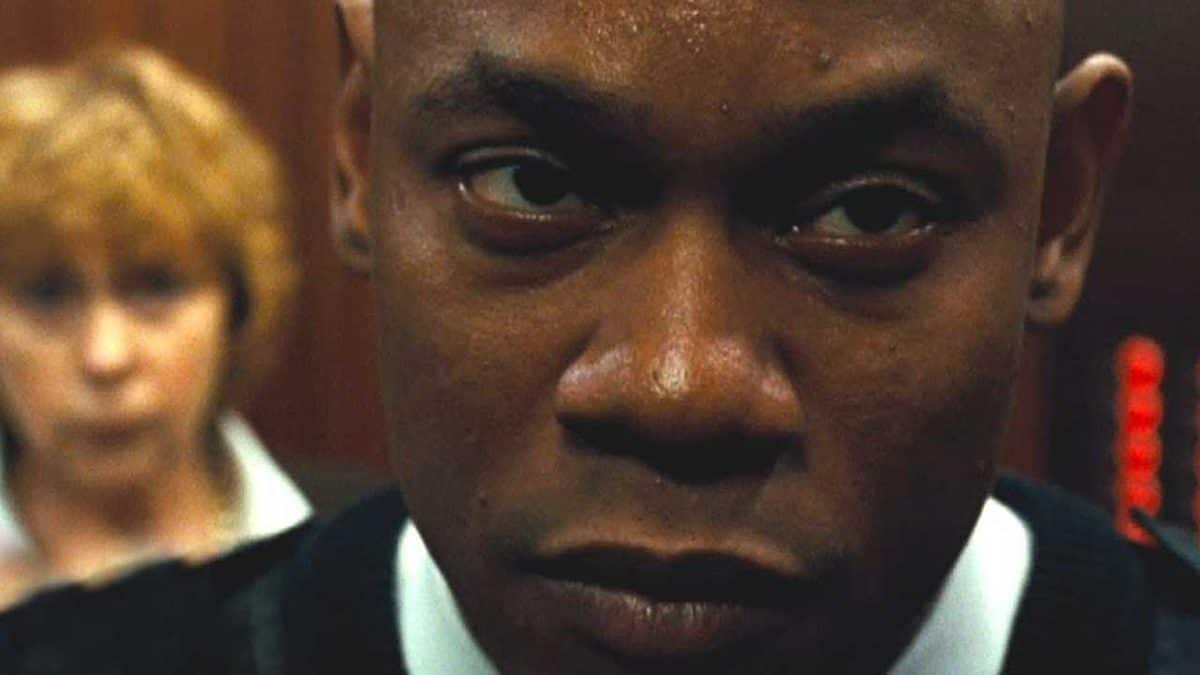
Where Dowdle’s talents come to shine — and decidedly elevate Shyamalan’s unsettling script — is the way he ramps up the tension. One of the most refreshing aspects of Devil is how the film doesn’t rely on jump scares to frighten the viewer. Devil is an unrelenting horror show of claustrophobia and uneasiness, utilizing every means possible to make us feel suffocated as we witness these five people trapped in the hells of their own minds.
The film draws directly from the folktale “The Devil’s Meeting,” in which the Devil roams the earth in human form torturing the living — a folktale the film itself references. It also shares unmistakable DNA with Agatha Christie’s 1939 novel And Then There Were None, where a group of people with guilty pasts are trapped in an isolated area and begin to die one by one. Shyamalan understood that the best horror doesn’t invent its fears; it excavates ones we already have.
Not only are these strangers trapped in an elevator with a diabolic presence, but they have also been trapped inside themselves for the longest time. At the end of the day, that’s just what makes Devil such a powerful horror film: in many ways, it’s about the psychological toll of being unable to break free from your darkest fears, a fear as common as the many representations of the “devil” in different cultures around the globe.
Sure, Devil also has its fair share of flaws. The ending also could be seen as one of the film’s shakiest aspects, depending on how invested you were in the main cast. But there’s an undeniable sense of charm that you can find in this flawed film that often gets ignored in favour of its faults.
Devil‘s small budget proved to be both a blessing and a challenge for Shyamalan and his team. While the reduced budget meant that the movie did astronomically well at the box office — earning back its entire production budget in its first weekend of release in the United States — it was also part of the reason why Devil‘s scope is as reduced as it is. However, this same sense of limitation and claustrophobia is part of the reason why the movie was so beloved in the first place, so we could say that Shyamalan came up on top at the end.
Is Devil M. Night Shyamalan’s best movie? Not by a long shot. However, it would also be disingenuous to say that it is his worst film. It’s an entertaining, short horror flick that hits the right notes when it matters, delivering some of Shyamalan’s best horror writing.
The Night Chronicles: The Horror Universe Hollywood Quietly Killed
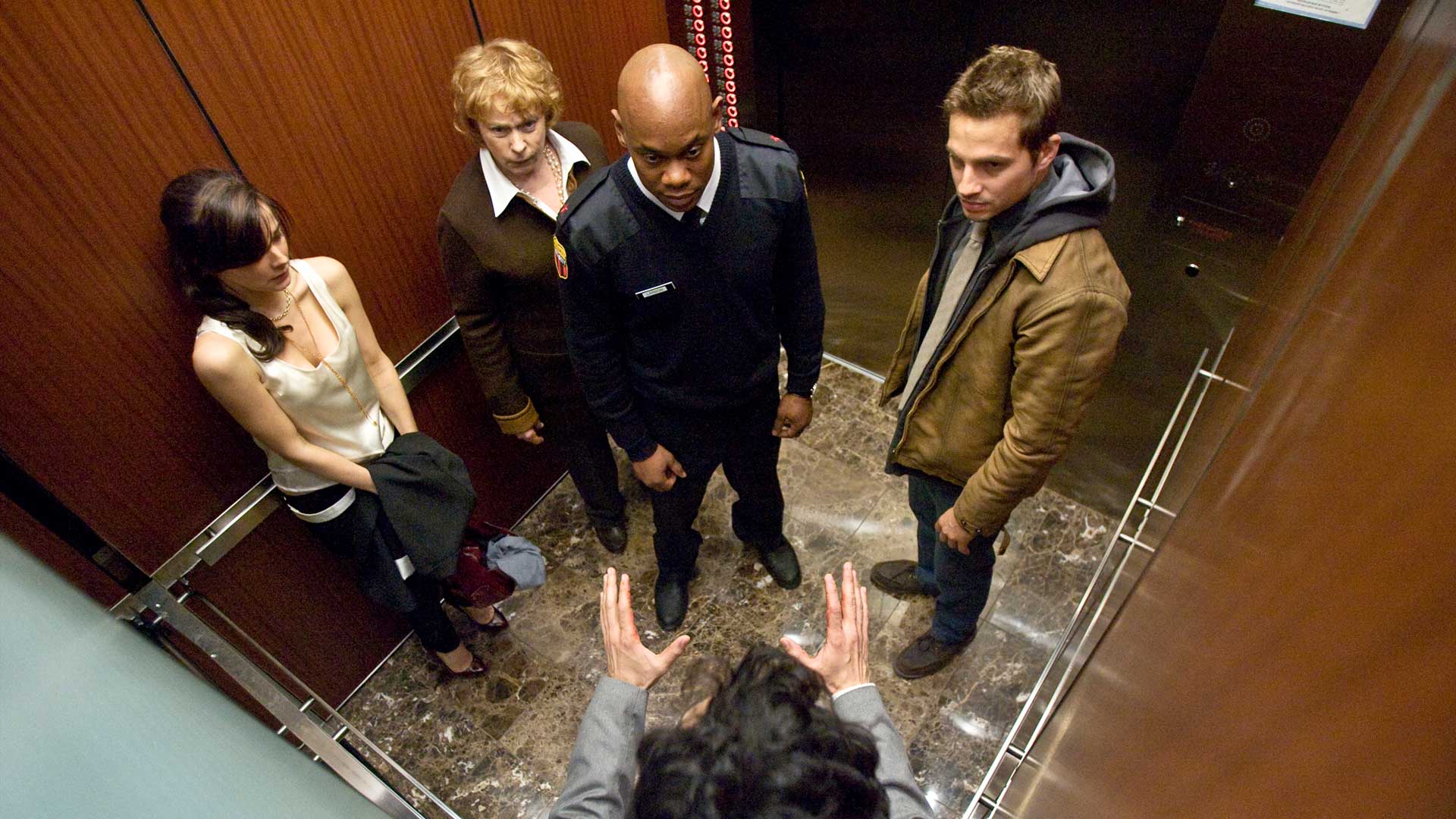
Even though the film did well at the box office, Devil never got the sequel it deserved — a sequel that was already planned. The Night Chronicles was conceived as a universe of standalone horror films, each helmed by a different director under Shyamalan’s creative supervision, exploring the idea that the supernatural is real and bleeds into everyday life. It was a genuinely original concept for studio horror at the time, and it died before it ever got going.
In June 2010, Shyamalan announced the second film in the series, initially titled 12 Strangers and later changed to Reincarnate — a story about a jury deliberating a case involving the supernatural, with Chris Sparling set to write the script and Daniel Stamm attached to direct. It was scrapped entirely. Shyamalan had also confirmed that the third installment was going to be built from his abandoned Unbreakable sequel — a story that eventually, years later, became Split.
As is the case with most Shyamalan movies, Devil was a controversial film for years after its release. While some fans praised its unique approach to storytelling and claustrophobic setting, some critics felt that this hellish elevator ride lacked some real depth. Whatever the case, one thing is clear: Devil needs a sequel — if not to continue the original’s plot, then at least to redeem some of its flaws.
Why Devil 2 Still Deserves to Happen
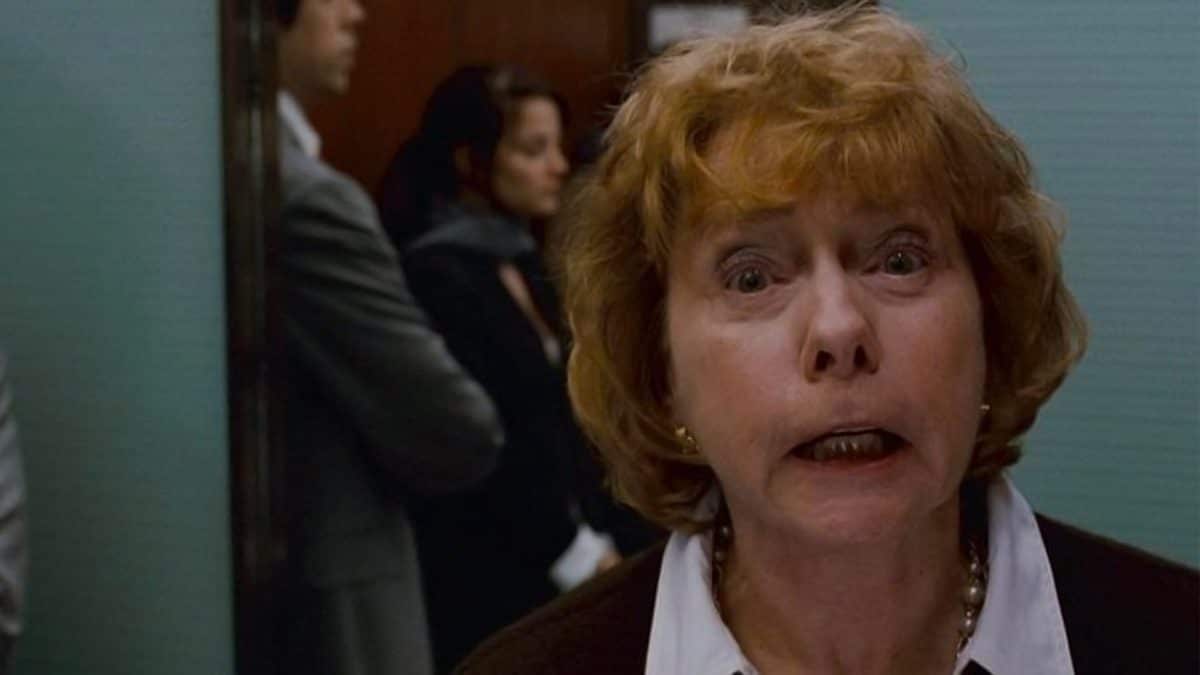
Following the same narrative structure as the first film, a sequel to Devil would perhaps suffer a bit in terms of how unique and original it could be — both qualities that have become cornerstones of Shyamalan’s filmmaking process. Still, seeing how he managed to turn Unbreakable into a trilogy almost two decades after the release of the first film, we should never say never when it comes to how Shyamalan approaches his potential sequels.
The concept with Devil‘s potential just can’t be ignored, especially when we consider that the film’s villain would be somewhat hard to keep down for good. We need a Devil 2.
What Shyamalan’s Next Film Tells Us About His Appetite for Risk
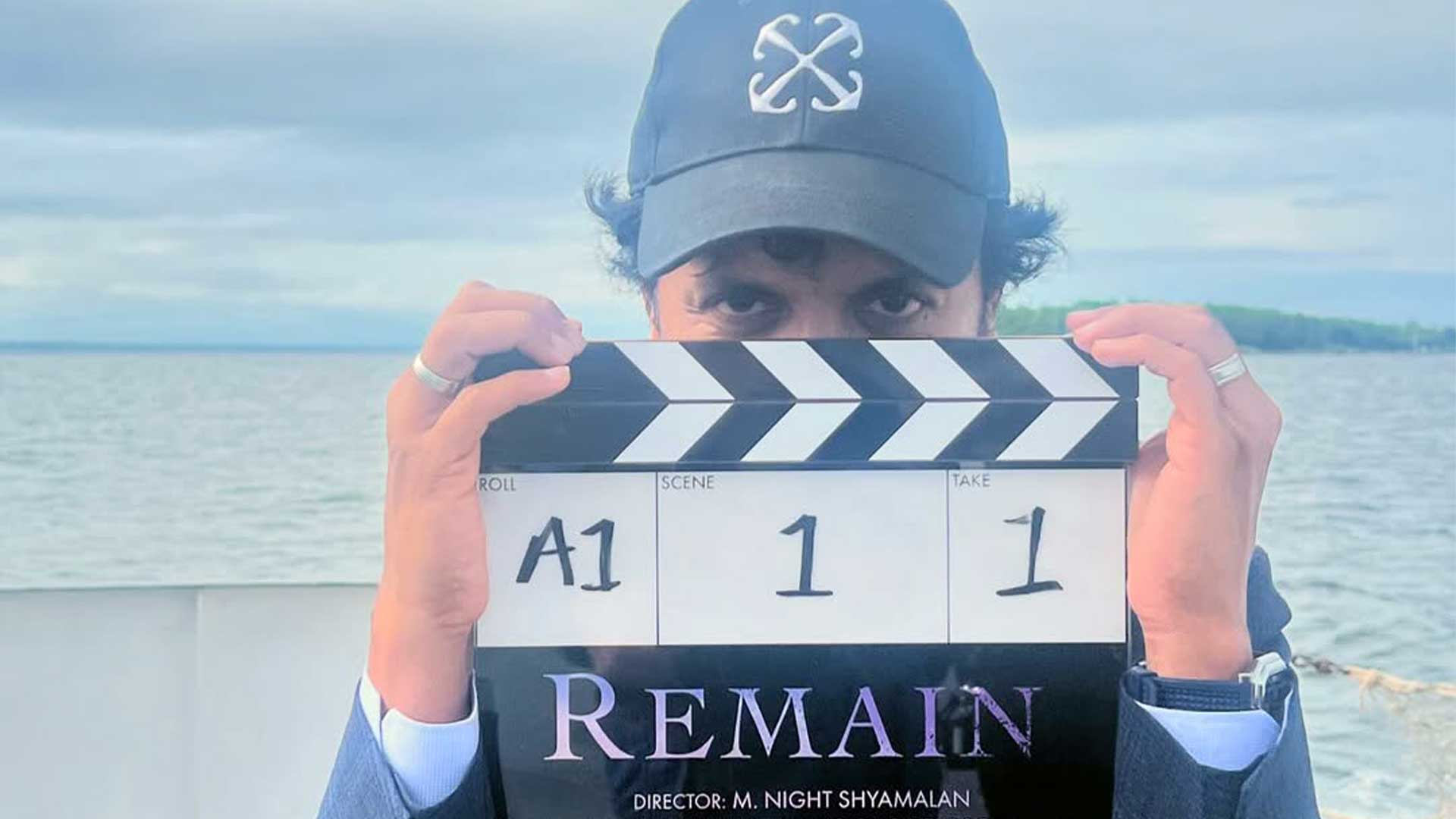
With his upcoming film Remain arriving on February 5, 2027, Shyamalan is showing no signs of retreating into familiar territory — which makes the case for revisiting Devil all the more compelling. Speaking during Warner Bros. Discovery’s upfront presentation in New York, he revealed that Remain is already his highest-testing film of his career, co-written with Nicholas Sparks and starring Jake Gyllenhaal and Phoebe Dynevor. The supernatural romantic thriller was originally set for October 2026 before being pushed to Valentine’s weekend.
A director willing to co-write a love story with the author of The Notebook is clearly a director comfortable swinging in any direction. That same fearlessness is exactly what a Devil 2 would require — and what made the original worth defending in the first place.
Let’s just hope that, somehow, The Night Chronicles get the second chance they deserve some time in the future. Fans would welcome a Devil 2 movie.