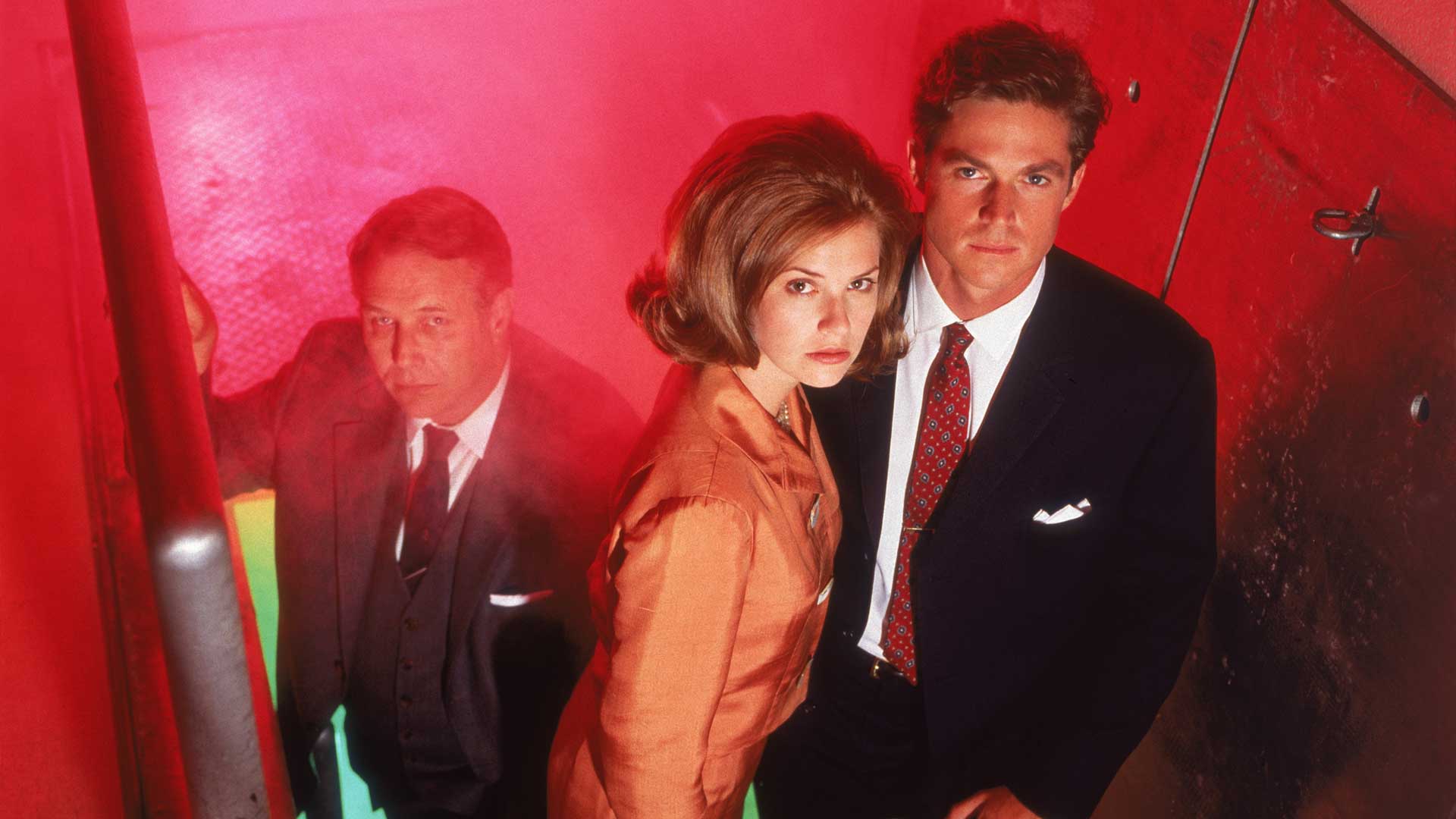


Back in the ’90s, The X-Files redefined the mainstream sci-fi culture seemingly overnight. Suddenly, conspiracies, shady government organizations, and alternate history became the focus of watercooler chats the world over. Fox was establishing its superiority in all things pop culture, so naturally every other network was on a quest to find its own version of The X-Files.
When it came time for NBC to find its own X-Files, they turned to Bryce Zabel. Unlike the legions of sci-fi writers and seasoned showrunners working in the biz, Zabel was a former investigative journalist at CNN. The son of a history teacher, Zabel envisioned a show that was less “monster of the week” and more “interconnected alternate history, with aliens.” The result was Dark Skies.
“History As We Know It Is a Lie” — Dark Skies’ Alternate-History Twist

As a history fan, Zabel turned Dark Skies into an alternate history episodic thriller. Unlike The X-Files and its contemporary (for the ’90s) setting, Dark Skies was set in the sixties. According to the show’s lore, the infamous 1947 Roswell UFO incident resulted in an alien race, the “Hive,” infiltrating the world’s governments and manipulating history.
Aided by co-creator and executive producer Brent V. Friedman, Zabel penned a story that would take five seasons to unfold. In the end, however, fans would only get one season. Despite the positive fan reception and ambitious storytelling structure, Dark Skies crashed and burned – and it wasn’t even close to Roswell when it happened.
RELATED: It’s 2026 — The Year Fringe Always Predicted. So Where Is the Revival?
Why Dark Skies Crashed After Just One Season
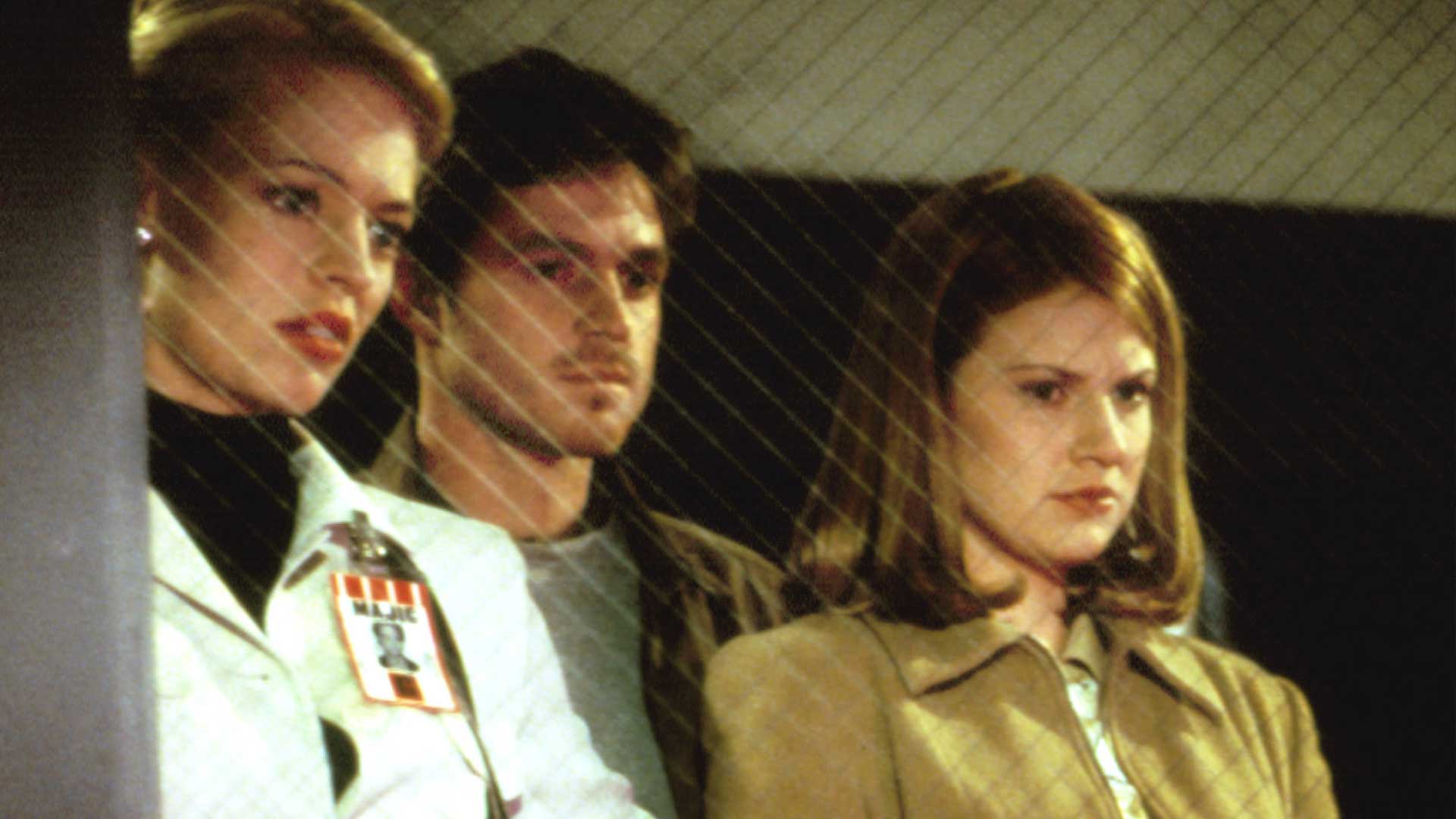
Ironically, the format Dark Skies avoided could have been The X-Files‘ secret for mainstream success. Episodic content was considerably easier to watch for occasional audiences than serialized dramas. Dark Skies relied on audiences never missing a single episode, and by ’90s standards – without access to streaming or even DVD box sets – that was a bit too demanding.
The show found its niche; it just couldn’t keep it engaged long enough for NBC to realize its potential. Thankfully, fans got to see some truly timeless episodes through Dark Skies‘ run, like the show’s legendary pilot. It also cemented Jeri Ryan as a sci-fi idol ahead of her iconic role as Seven of Nine on Star Trek: Voyager the following year, which eventually made her one of the most recognizable faces in sci-fi television.
While many shows that suffer from unexpected cancellations end up with unresolved cliffhangers or disappointing finales (looking at you, Space: Above and Beyond), Dark Skies managed to ameliorate this situation with a final episode that leaves the show with a nice – if open-ended – conclusion.
Dark Skies at 30: Where the Forgotten X-Files Rival Stands Today
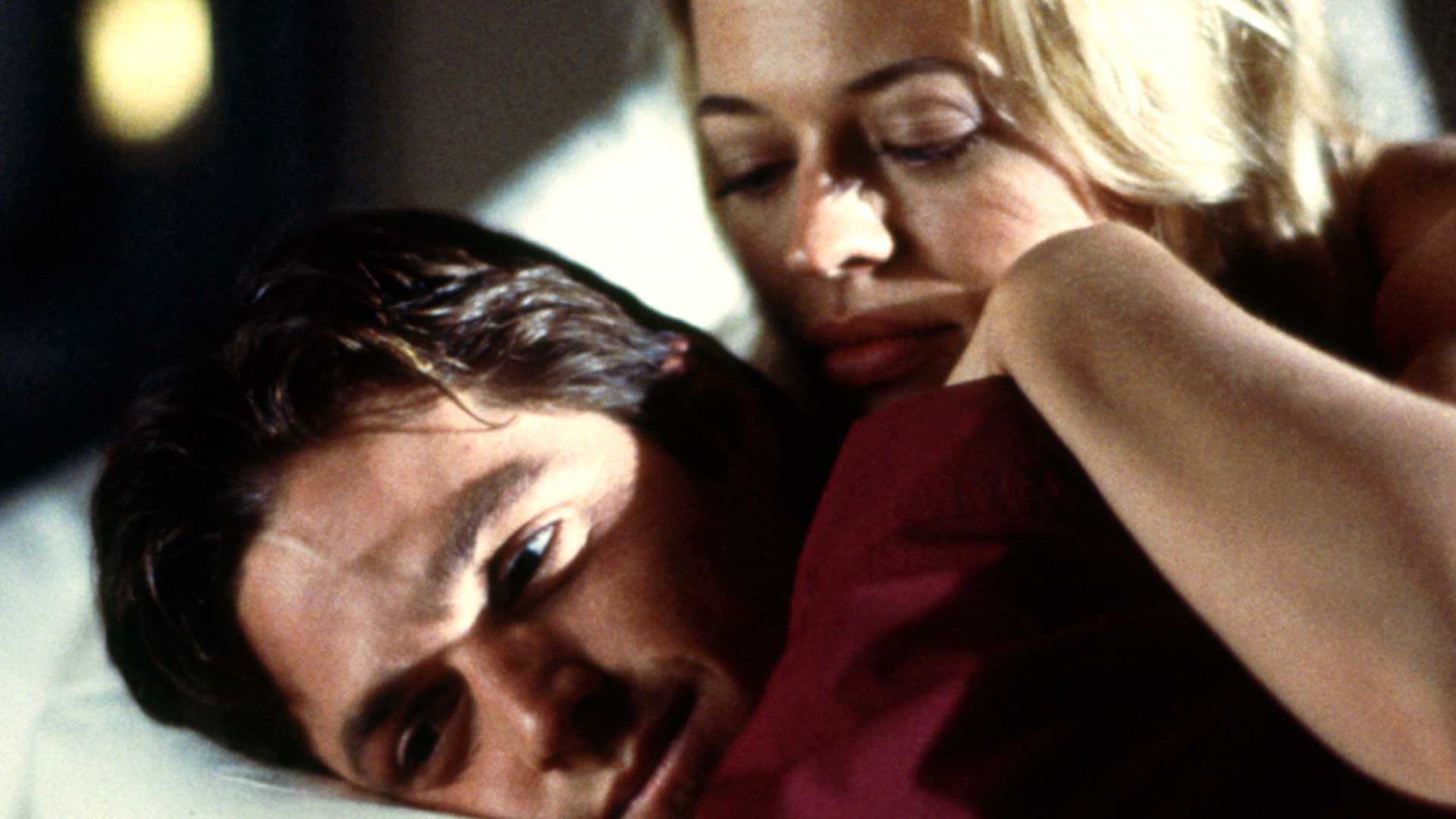
Most X-Files copycats end up forgotten, crushed under the juggernaut of Chris Carter’s sci-fi legend. Dark Skies isn’t like most copycats, however. Sure, the main formula and the most recognizable X-Files elements are all there, but it’s clear that Zabel and Friedman had a vision – an idea that could easily match or even surpass The X-Files if given enough time.
Dark Skies existed as a show that was ahead of its time in all the worst ways. NBC didn’t know what to do with a serialized sci-fi thriller, and audiences of the time enjoyed the same “monster of the week” stories that Dark Skies avoided. Years later, the series would finally receive the recognition it deserved, complete with an exclusive DVD box set that finally let fans watch the series as Zabel and Friedman intended. If you’re in the mood for a show that perfectly captures the ’90s’ fascination with conspiracies and UFO theories, definitely give Dark Skies a chance.
RELATED: Lexx: The Weirdest, Filthiest Star Trek Parody Ever Made Is Streaming Free
Currently, Dark Skies isn’t on any major streaming service. That means the only real way to watch it is by actually finding a Shout! Factory DVD box set secondhand.