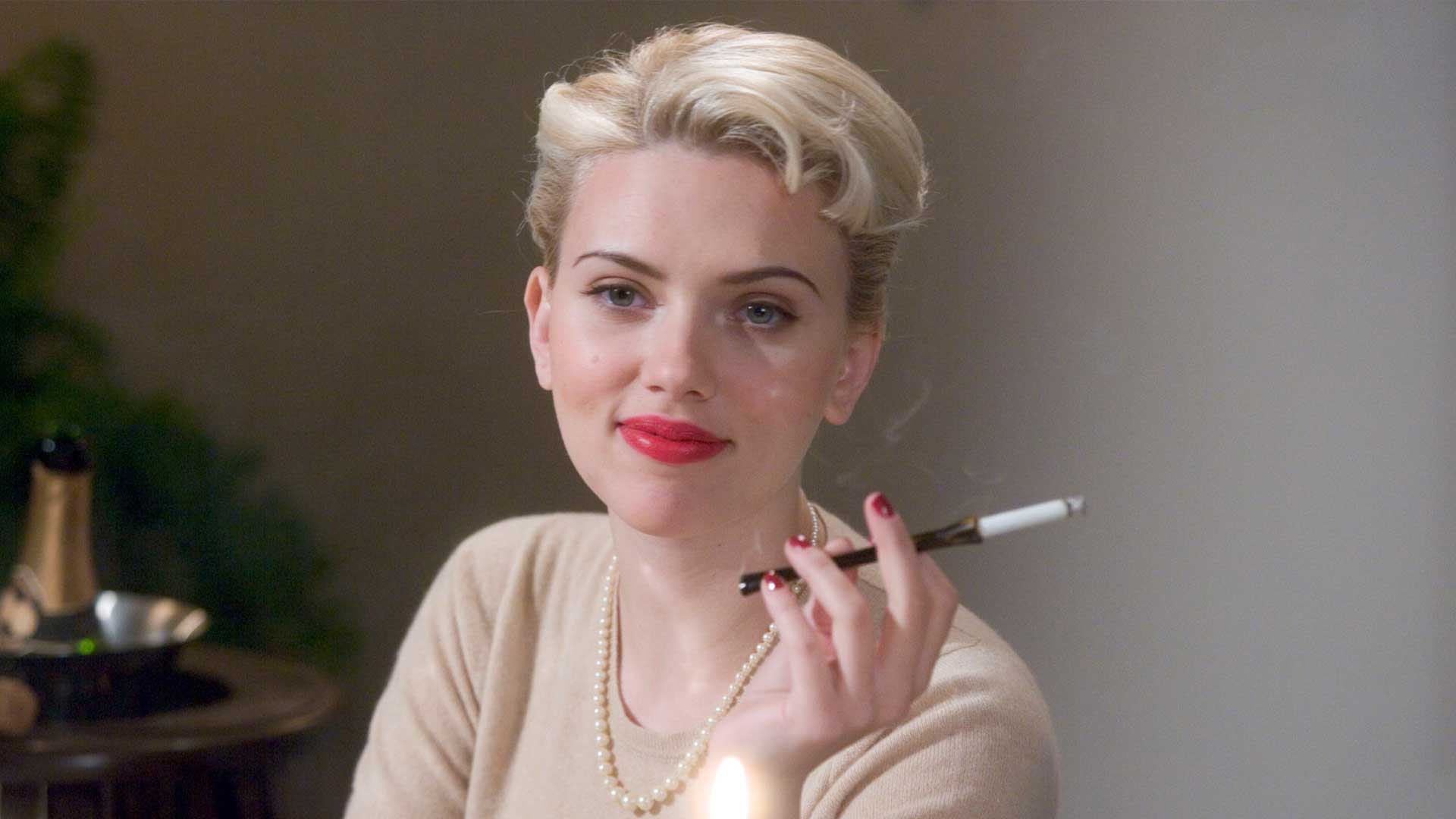


After Brian De Palma peaked with the biggest box-office hit of his career in Mission: Impossible in 1996, it somehow marked the beginning of the end for the once-acclaimed New Hollywood director. Sure, flashes of technical and creative brilliance appear in his Rashomon-like Snake Eyes (1998) and the pulpy Femme Fatale (2002), but De Palma’s post-Mission: Impossible work feels like a pale shadow of his former self.
RELATED: Mission: Impossible Turns 30 — and Its Origin Story Is Wilder Than Any of Its Stunts
This also includes The Black Dahlia, a 1940s-set noir mystery supposedly positioned as his big-time Hollywood comeback. Plus, De Palma’s experience with Hitchcockian thrillers made him the right man for the job, and adapting the movie from James Ellroy’s 1987 novel of the same name raises the anticipation, especially since the author’s book-to-film L.A. Confidential in 1997 became a critical and financial success. Universal figured they had a hit in the making, granted De Palma a $50 million budget, and enlisted a promising cast including two-time Oscar winner Hilary Swank.
Released in the fall of September 2006, The Black Dahlia debuted at No. 2 behind Dwayne Johnson-starred Gridiron Gang with $10 million, but it didn’t take long before the movie dropped out of the Top 10 by the fourth weekend and never recovered. And by the end of its theatrical run, The Black Dahlia could only generate a disappointing $49.3 million worldwide — a far cry from what the studio expected to be a spiritual successor to L.A. Confidential.
The movie did score a sole Oscar nomination for Vilmos Zsigmond in the Best Cinematography category, whose sepia-heavy lensing and deep shadows evoke the distinctly vintage feel and look of the 1940s noirish landscape. But the award went to Guillermo Navarro instead for his work on Pan’s Labyrinth.
James Ellroy loved Brian De Palma’s original three-hour cut — Universal didn’t
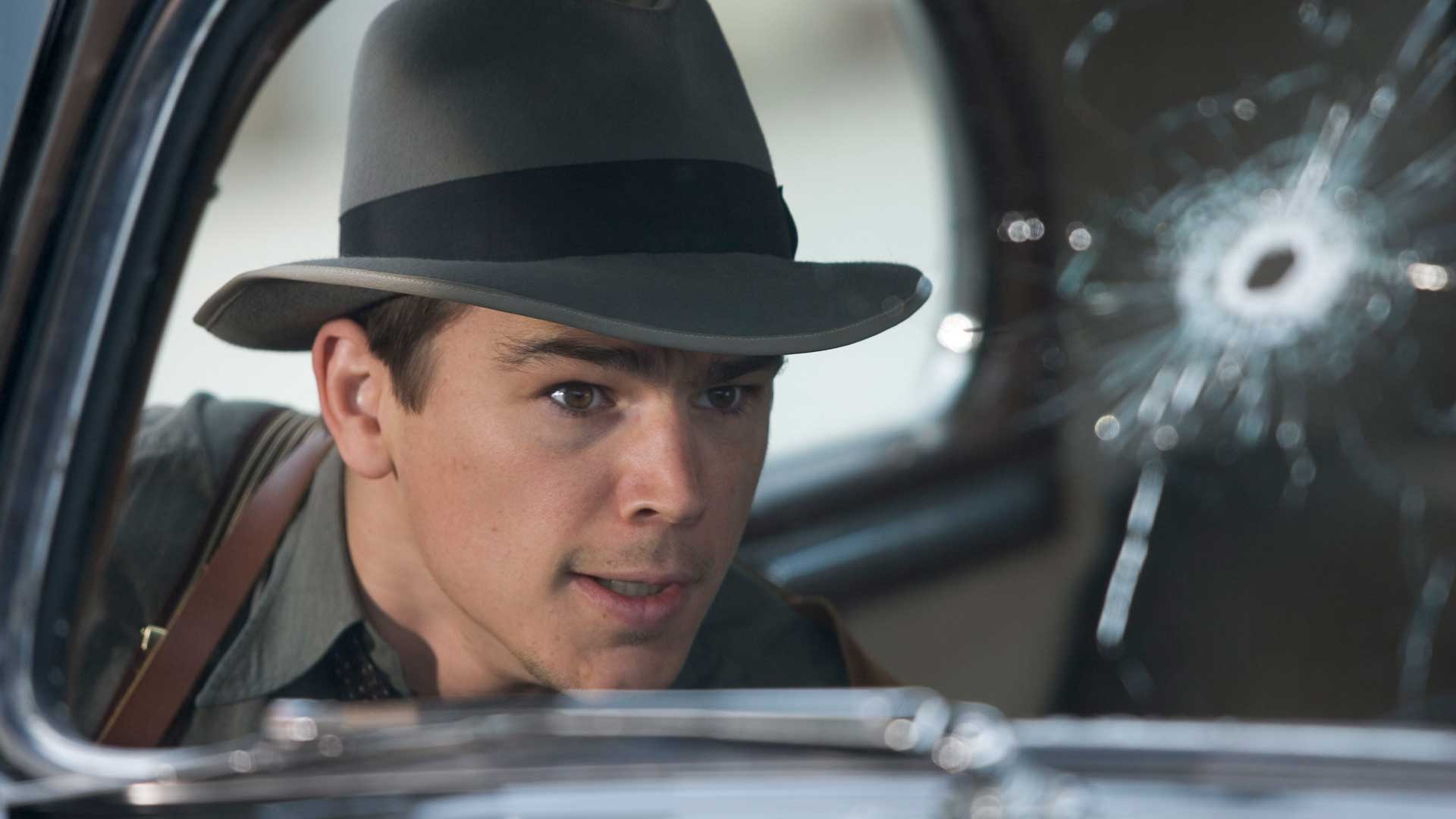
Interestingly, De Palma’s cut was originally clocked in at three hours, the version Ellroy himself reportedly gave his seal of approval to. Too bad Universal got cold feet over its massive length, forcing the movie to be severely trimmed to a manageable two-hour runtime, resulting in a story lacking coherence. This is especially true with its few disjointed plot points, such as one of the LAPD detectives in charge of the gruesome murder of Elizabeth Short (Mia Kirshner), Lee Blanchard (Aaron Eckhart), often seen heavily agitated and prone to a volatile personality. His aggression comes across as jarring in the theatrical version since we never get to see his traumatic backstory that unfortunately was lost in the cutting room.
The fact that The Black Dahlia bombed at the box office ruined any chance of De Palma’s initial three-hour cut being released. Had the studio retained the version as the director intended, we would have a faithful adaptation that did justice to Ellroy’s novel. This would have provided ample space for character development not only for Eckhart’s Lee Blanchard, but also for his partner, Bucky Bleichert (Josh Hartnett), whose narrative arc originally delved deeper into his psychological breakdown and deep-seated obsession with the case.
De Palma was left disillusioned by the studio interference, which ultimately led him to steer away from the Hollywood studio system in favor of independent filmmaking and collaborating with international co-productions. This includes Redacted, Passion, and Domino (2019). After seven quiet years, De Palma is reportedly making his comeback with Sweet Vengeance, a true-crime thriller that began shooting in Portugal this year — his first film since Domino.
Before De Palma, David Fincher wanted to turn The Black Dahlia into a five-hour miniseries
Still, did you know that De Palma wasn’t the initial pick to direct The Black Dahlia? That would be David Fincher, who turned out to be the studio’s choice to helm the film following his work in Se7en, The Game, and Fight Club. But instead of a feature-length version, Fincher insisted that The Black Dahlia be a five-hour television miniseries, allowing him to explore the story.
He even demanded an $80 million budget and an A-list cast, but Universal studio executives declined his proposal. His dream cast included Josh Hartnett to play Bucky Bleichert, a role the actor did land, and Mark Wahlberg as Lee Blanchard. Although the latter agreed to star, he was forced to depart the job over scheduling conflicts with The Italian Job remake at the time.
RELATED: 20 Actors Hollywood Tried to Make Happen (But We Just Didn’t Buy It)
Before Aaron Eckhart eventually got the part, a few other candidates, namely Michael Douglas and Gabriel Byrne, were considered for the role. Fincher also set his sights on ER‘s Julianna Margulies to play the movie’s femme fatale, Madeleine Linscott (a role that Swank would play instead), and Jennifer Connelly as the murdered Elizabeth Short. Fincher’s departure would be one of the potentially great what-if scenarios, similar to De Palma’s original three-hour cut if Universal had fulfilled his wish.
Where to watch: The Black Dahlia isn’t currently on a major subscription service. You can rent or buy it on Prime Video, Apple TV, and Fandango at Home. Check JustWatch for the latest streaming availability.
The Black Dahlia |
|---|
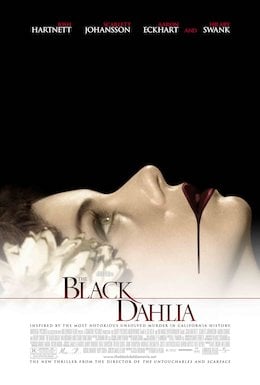
Two police detectives see their personal and professional lives fall apart in the wake of the "Black Dahlia" murder investigation. |
 |
|---|
| Studio: Universal Pictures (United States), Warner Bros. Pictures (Germany) |
| Running Time: 120 minutes |
| Release Date: September 15, 2006 |
| Cast: Josh Hartnett, Scarlett Johansson, Aaron Eckhart, Hilary Swank |
| Director: Brian De Palma |
| Writers: Josh Friedman (Based on The Black Dahlia by James Ellroy) |
| Genre: Crime, Thriller, Drama, Mystery |
| Box Office: $49.3 million |