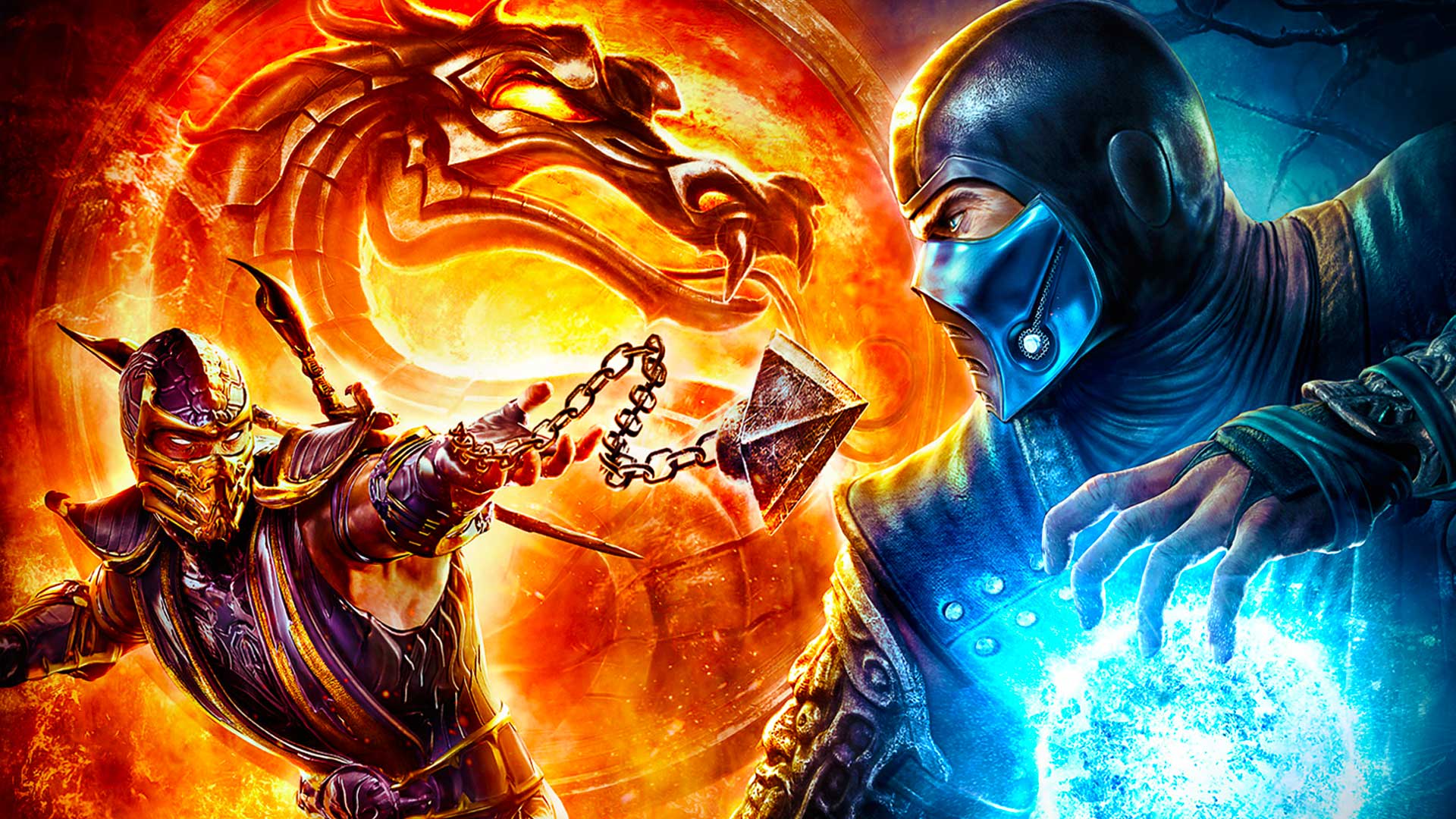


The year was 2009. Midway Games Chicago filed for bankruptcy, and Warner Bros. Interactive purchased the company and its gaming titles. For that period, NetherRealm Studios found itself in a difficult position. Firstly, they had to deal with new bosses, and secondly, they had to reinvent their flagship franchise after Mortal Kombat: Armageddon failed to be the knockout hit Midway probably hoped for. Their decision was to go back to the basics. Mortal Kombat (2011) was born. And, honestly, it might have saved the franchise.
With hype for the Mortal Kombat II movie at an all time high in 2026, it’s hard to imagine that there was a time when the franchise was losing its steam. After Mortal Kombat 1, 2 and 3 solidified the games place in fighter history, NetherRealm Studios began experimenting with 3D releases, starting with Mortal Kombat 4. And while it was a moderate success, it felt like a step down for the world’s best fighter. That streak continued with other 3D titles, like Mortal Kombat: Deadly Alliance, Mortal Kombat: Deception and Mortal Kombat: Armageddon.
Then, when titles like Mortal Kombat vs. DC Universe removed most of the gore, fans suddenly began to lose interest. Mortal Kombat was always a game built on horror elements that included shock and gore. Without it, it just felt like any other fighter franchise of the time.
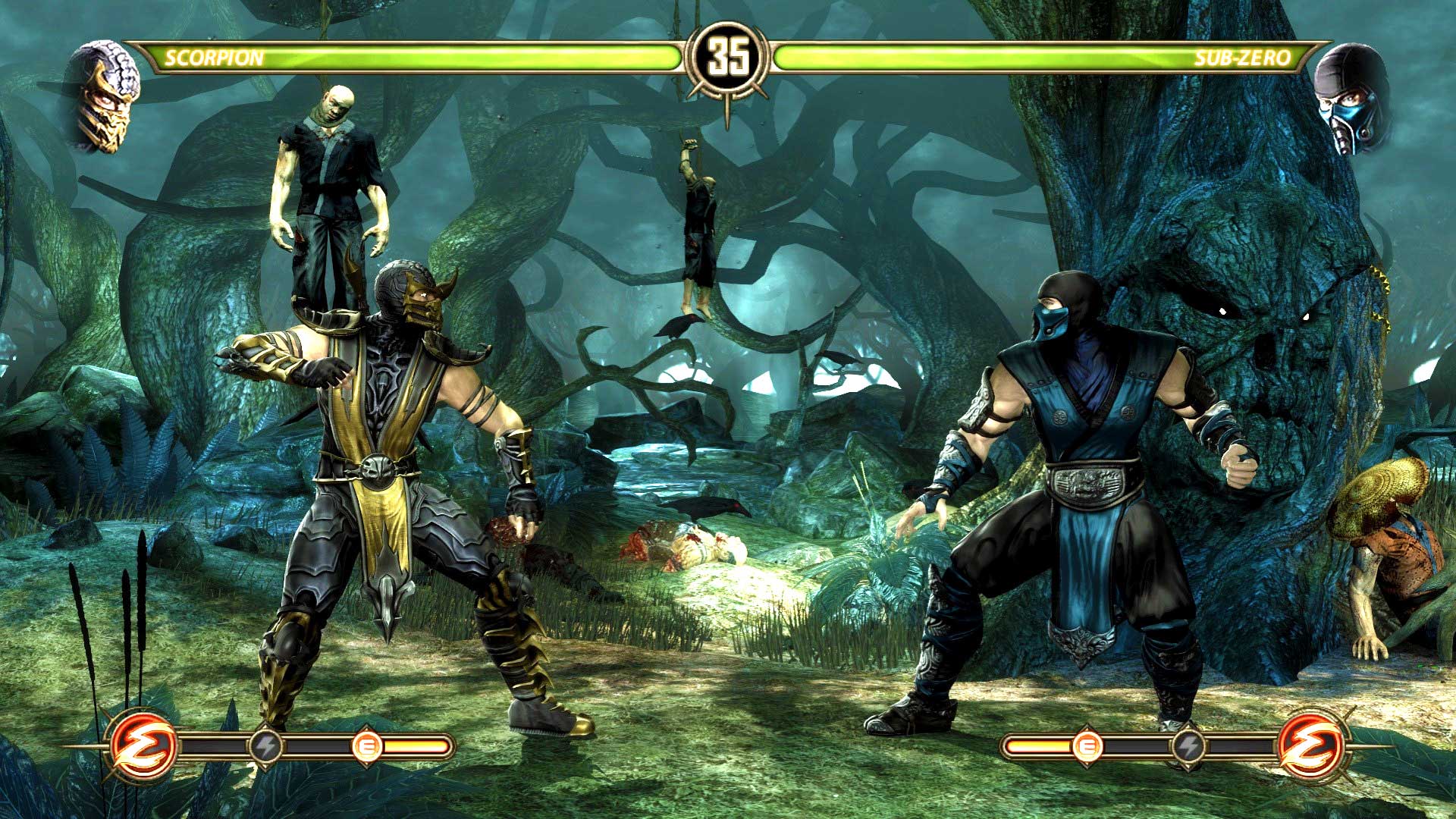
Thankfully, Ed Boon and his team decided to take the game back to its roots. And from the ashes of Midway Games, Mortal Kombat (2011) rose up and became one of the most important games released by the studio.
Firstly, they ditched those 3D graphics. It never worked. Mortal Kombat was never meant to be a Tekken copy, and in that format, it certainly did feel like it. So, they switched back to classic 2D fighting, and suddenly the game worked because it allowed the team to get creative within those limitations. We got gruesome fatalities back. We got those brutal X-ray moves that show bones cracking in slow-mo. And we got a smaller roster of MK characters that we could all get behind.
But, aside from the awesome new gameplay, it’s also the storyline that pulled fans back in. Mortal Kombat (2011), or MK9 as many called it at the time, also kind of rebooted the franchise by allowing players to return to the stories created in MK1, MK2 and MK3, the franchise’s best titles. The story began with the ending of Mortal Kombat: Armageddon, with Raiden facing Shao Kahn. Before he is killed, the God of Thunder sends a message back in time to his younger self: He must win the tournament. That warning rewrites all the events of the original tournament and the games that followed.
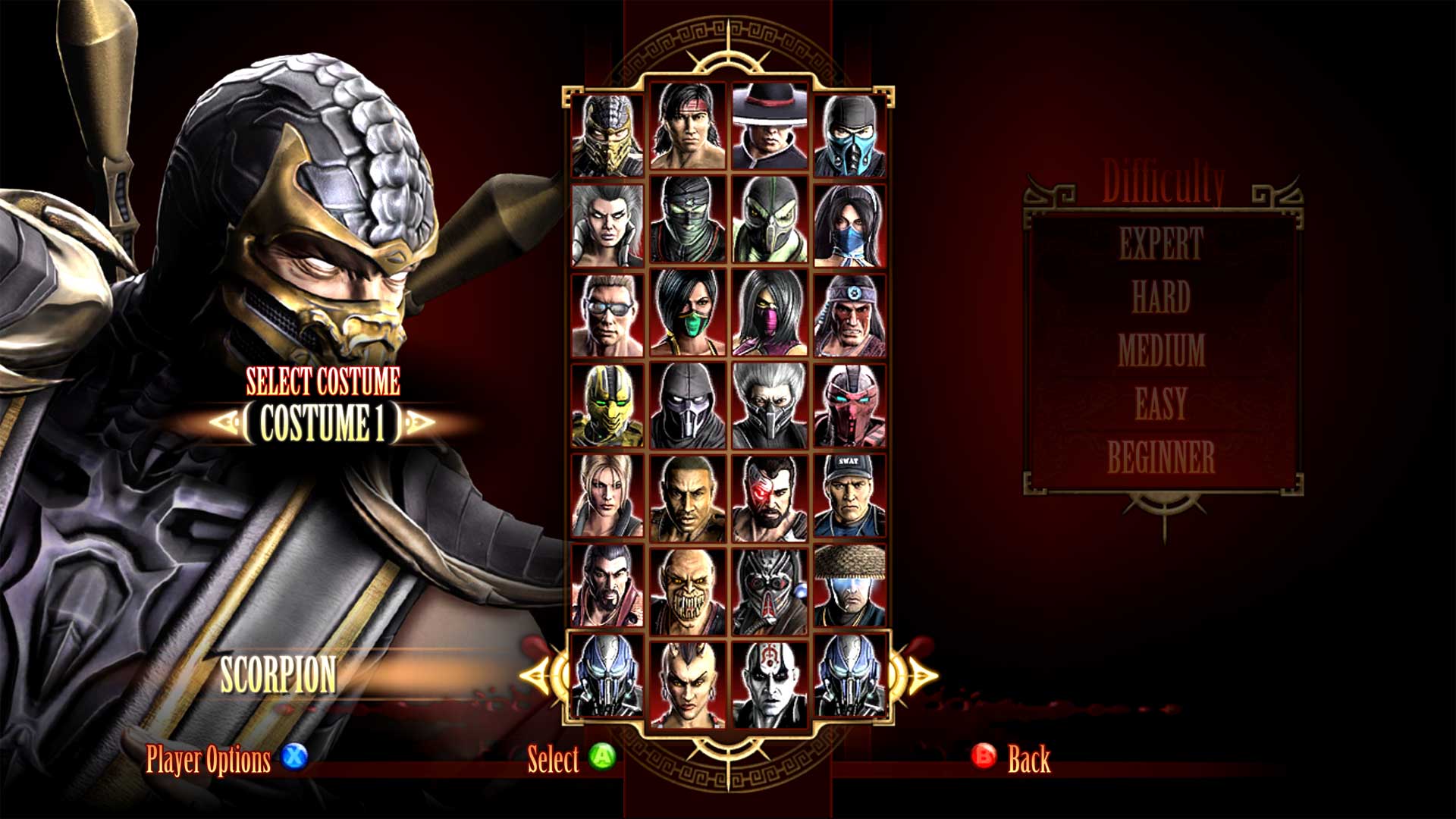
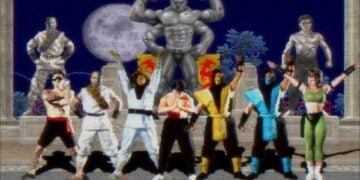
Mortal Kombat (2011) reintroduced gamers to fan favorites like Liu Kang, Johnny Cage, Sonya Blade, Scorpion, and Sub-Zero, many of them who were absent from previous titles. That said, the new title wasn’t afraid of killing off those heroes and villains either. There were plenty of surprises in the storyline that shook the franchise.
When you add all that to the game’s new challenges and fighting modes, including a 300-level Challenge Tower, tag team fights, the Krypt and online lobbies, Mortal Kombat (2011) was truly something special. And there’s no denying that the franchise could have been in a very different place without it.
Today, Mortal Kombat fever is everywhere and continues to rise. The Mortal Kombat II movie is on the way, and on the gaming side, 2023’s Mortal Kombat 1 continues to keep gamers busy. It’s funny how one single game, released on April 19, 2011 for PlayStation 3 and Xbox 360, managed to pull that off.
RELATED: Casper Van Dien Calls for Warner Bros. to Release Mortal Kombat: Legacy Season 3