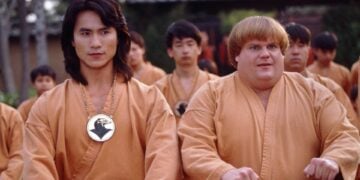


Remember all the hype around Mortal Kombat 2 and how it was positioned as the film that the 2021 movie was supposed to be? It doesn’t seem like the fans bought into the PR spin, judging by the box office performance.
As it stands, Mortal Kombat 2, which cost around $80 million, has made roughly $120 million worldwide, a figure that’s a few million short of the final total that Paul W. S. Anderson’s 1995 movie raked in. While it’s more than likely to surpass this number when it finishes its theatrical run, that’s without inflation (the adjusted total would be around $267 million nowadays). Oh, and lest we forget that Anderson’s film only cost $20 million to make, so the profit margin on that movie is through the roof.
To be blunt, Mortal Kombat 2‘s box office performance is a bomb, but it also symbolizes something more important that everybody’s realizing: the 1995 production is far superior to Simon McQuoid’s film in every way.
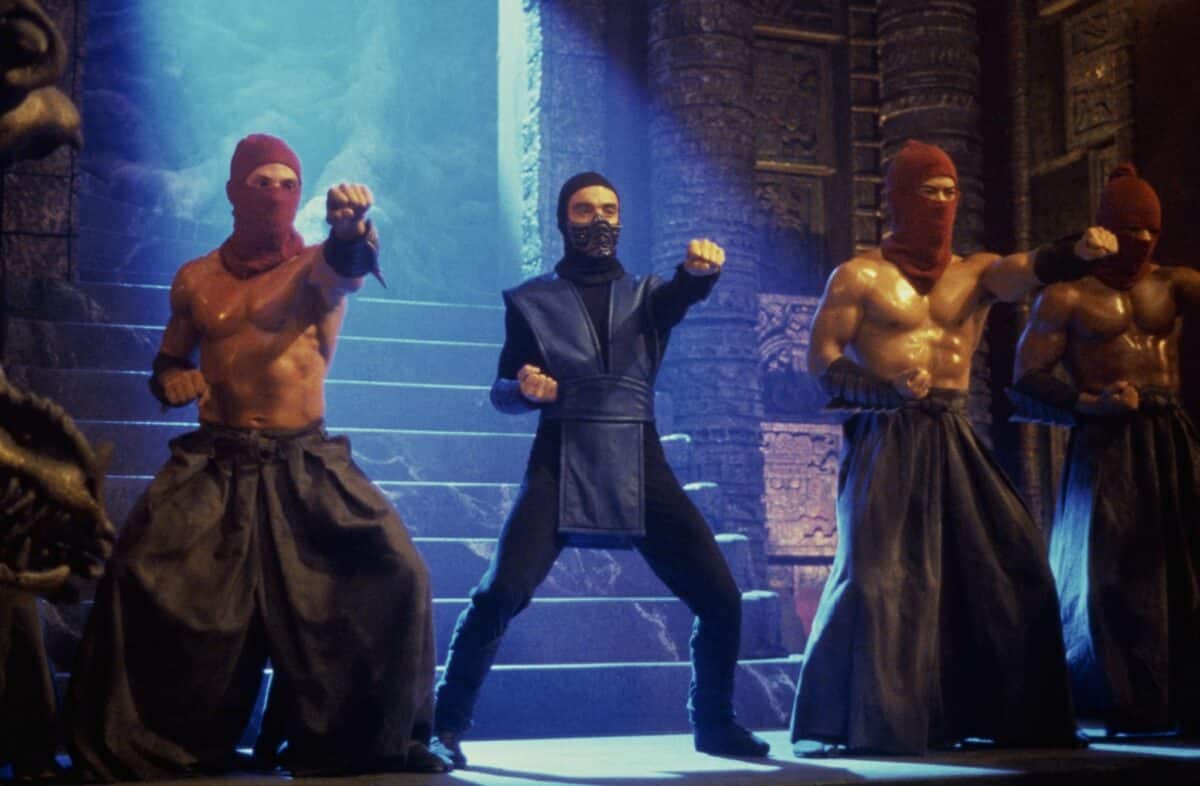
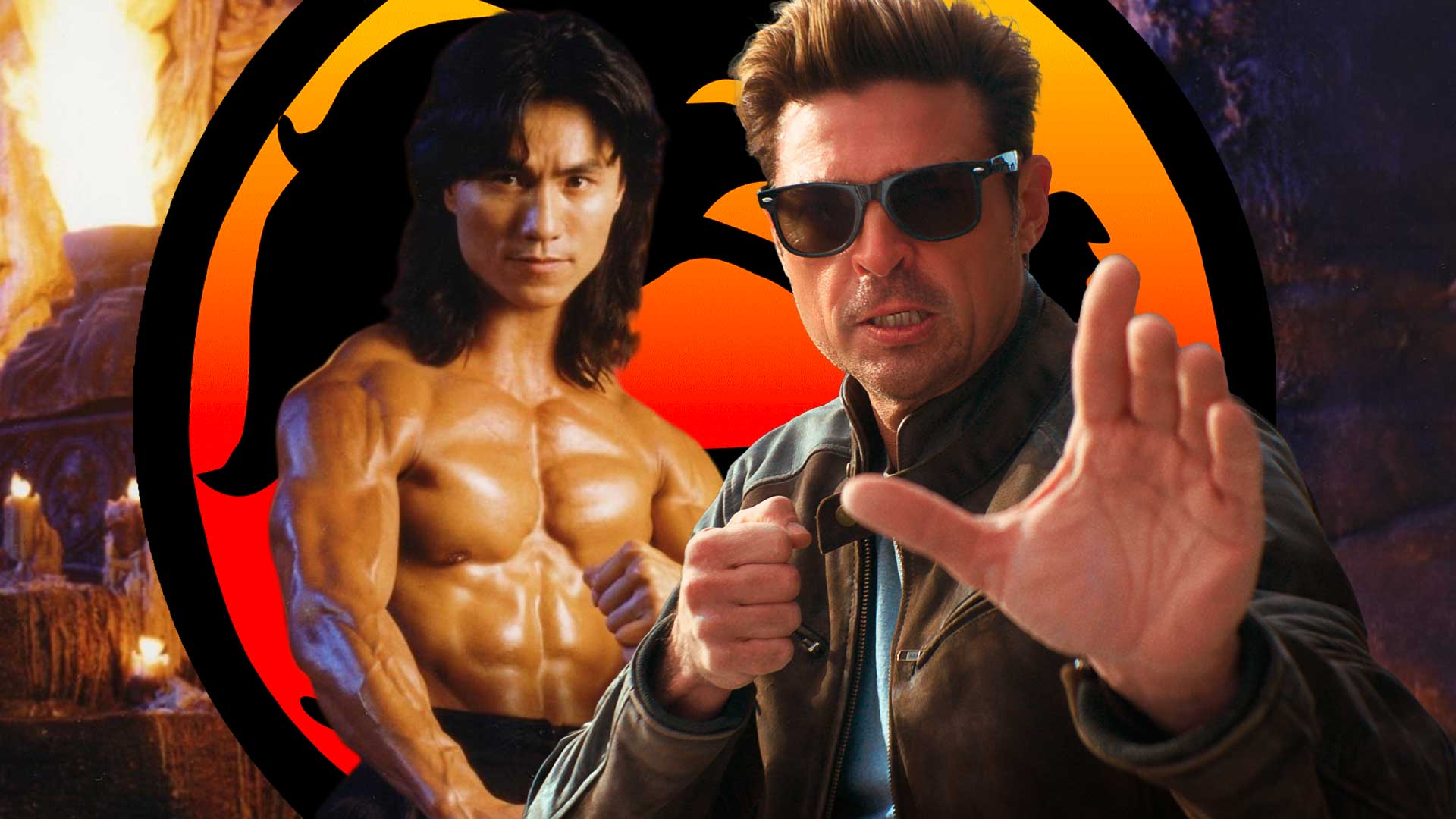
Looking back at Anderson’s movie, it’s easy to point out the outdated effects, especially for Reptile’s CGI and Goro’s practical movements. It’s no Terminator 2, that’s for sure, but Anderson understood the importance of substance far better than McQuoid and his team did. What he achieves in storytelling in one film is much greater than what the modern reboot achieves across two. He’s able to set up both the backstory of the various characters and the tournament, while still allowing the viewer significant time with the protagonists as the audience knows Liu Kang (Robin Shou), Johnny Cage (Linden Ashby), and Sonya Blade (Bridgette Wilson) better than their modern counterparts.
Comparing Mortal Kombat 2 to Mortal Kombat: Annihilation might be a bit excessive, but it commits many of that film’s sins on a lesser scale. The movie is stuffed with too many characters and too much lore to unpack. Consequently, the narrative arc for Karl Urban’s Johnny Cage isn’t given enough time to percolate. Also, if you pay close attention here, his story is literally a repeat of Cole Young’s (Lewis Tan) from the first movie, as they both need to find their confidence and inner-power. The only thing that’s different is that no one refers to it as the arcana in the sequel.
To give credit where credit is due, Mortal Kombat 2‘s fight scenes are an improvement over the 2021 film’s. Even so, they don’t touch the natural ebb and flow of the action from the ’95 flick. While there are legitimate martial artists in Mortal Kombat 2, it still feels Marvel-esque in its approach, relying more on tricks than talent. By contrast, Anderson’s movie chooses slobberknocking and Hong Kong action wirework over budget-burning special effects. Additionally, most of the action onscreen is performed by the actual performers who had to learn how to fight for their roles. Chris Casamassa, who plays Scorpion and is a decorated martial arts instructor in his own right, helped to train the actors, while Shou played a critical role in the fight choreography for some of the movie’s best scenes.
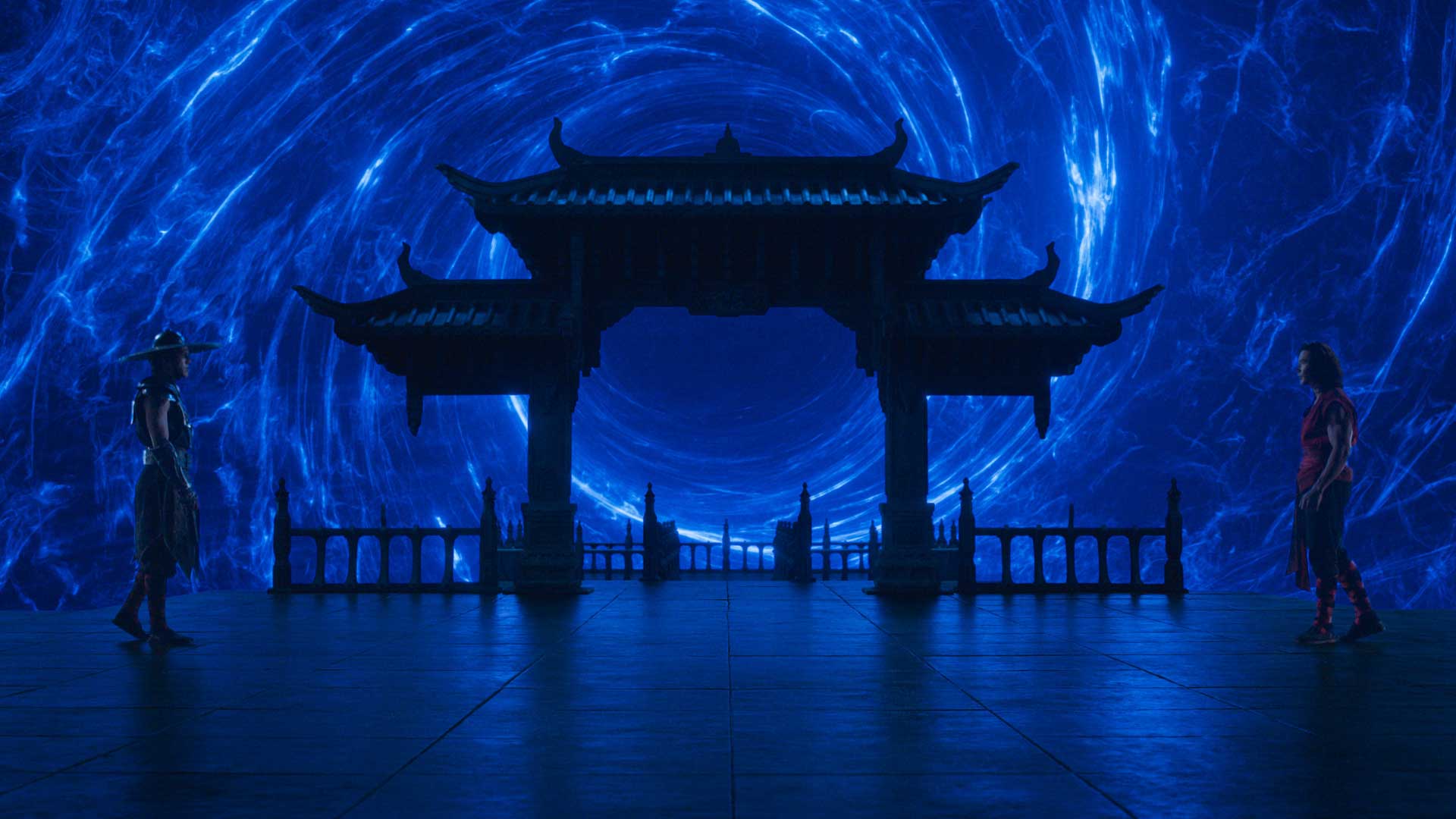
The Mortal Kombat 2 clash between Ludi Lin’s Liu Kang and Max Huang’s Kung Lao is sensational, but there are also so many cuts and pan outs in other major scenes that indicate a lack of authenticity across the board. Especially in the moments with Cage, since everybody knows that Urban didn’t perform most of his own fights and had two stunt doubles. This could have all been avoided had the filmmakers hired a legitimate martial arts actor like Scott Adkins for the part, but whatever. This isn’t a slight on Urban by the way; it’s an observation.
It’s too early to tell right now, but it’s looking highly unlikely that Mortal Kombat 2 will have the same legacy and impact as the ’95 film. Most people who watched the sequel have forgotten about it already, while the buzz around it seems to have died down entirely. It isn’t an awful film by any stretch of the imagination, but it’s symptomatic of Hollywood’s greatest problem: It believes flash and noise can overcompensate for everything else. It’s a timely reminder that just because a monkey bangs a drum loudly doesn’t make it Phil Collins.
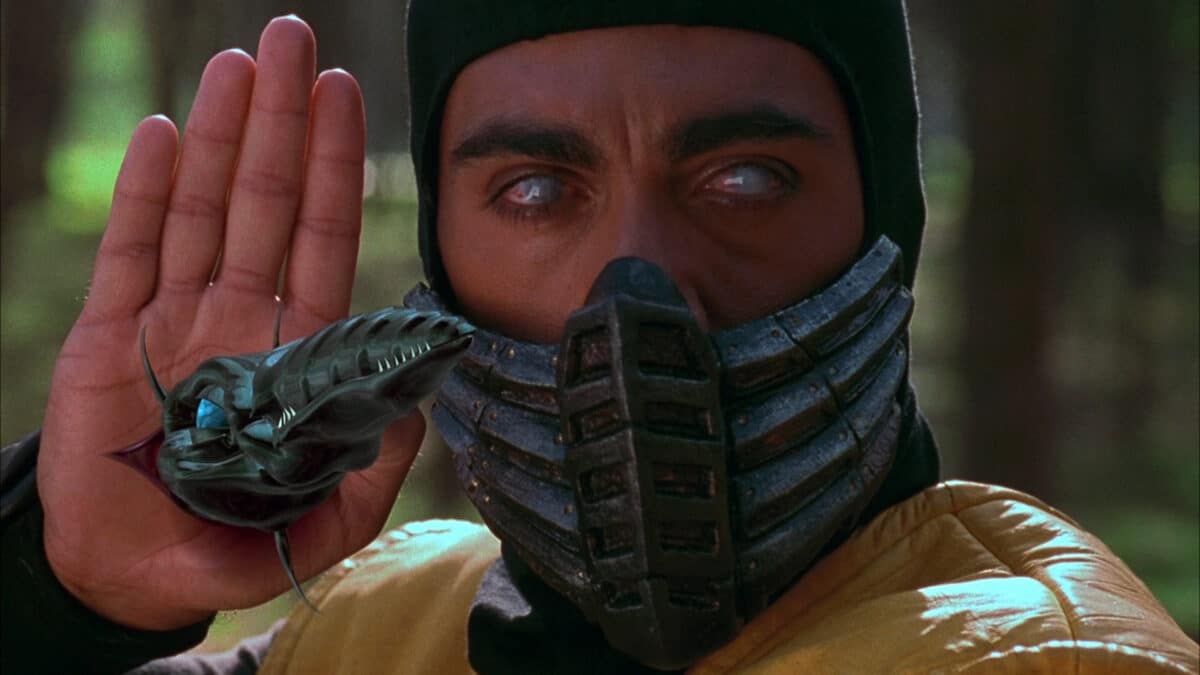
Sure, Paul W.S. Anderson didn’t create a perfect movie either. Yet those performances, those iterations of those characters, and that storyline resonate decades later. Think about the fact that it’s impossible to consider anybody else but the late great Cary-Hiroyuki Tagawa as Shang Tsung, or how a still image of the fight scene between Liu Kang and Reptile can draw emotion. That’s the power; that’s meaning. What we’ve received lately, especially in Mortal Kombat 2, is nothing more than high-budget cosplay. It’s a whisper in the wind that fades away and nobody remembers what it said.
RELATED: Mortal Kombat 2’s Only Real Casualty Is the One Character Fans Don’t Actually Care About