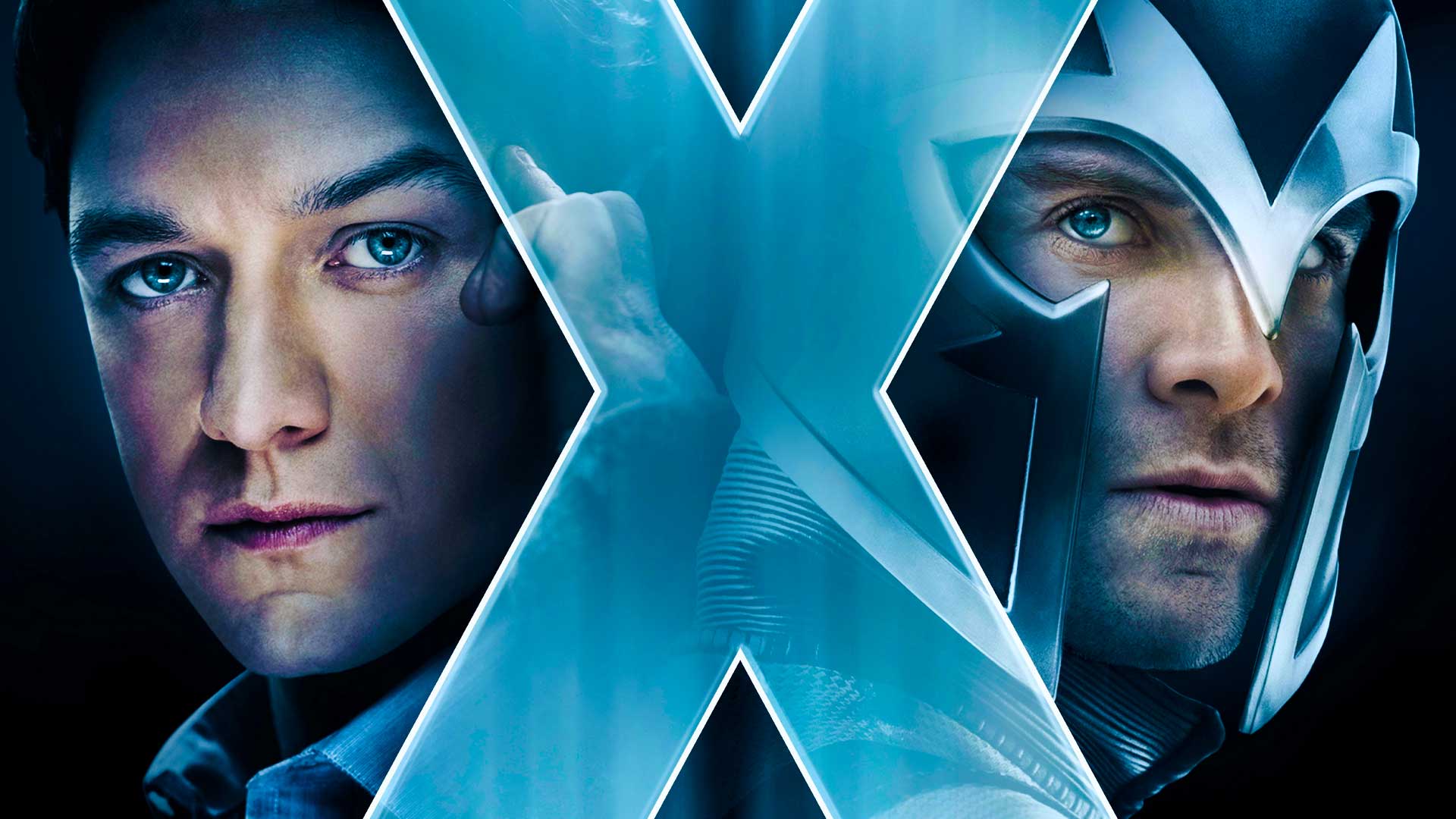


15 years ago, Matthew Vaughn took a broken franchise and turned it into something special. X-Men: First Class wasn’t just a course correction; it was a masterclass in how comic book cinema should work. While the rest of the genre was prioritising spectacle over substance, Vaughn did the opposite and put character and drama at the centre of the film. The result was two career-defining performances from James McAvoy and Michael Fassbender, whose portrayal of Charles Xavier and Erik Lehnsherr remains the most compelling in comic book movie history.
And yet, after all that, X-Men: First Class never fully got its flowers. Instead, it was overshadowed by franchise fatigue it didn’t create. On its 15th anniversary, it remains the best live-action X-Men film of all time. Heck, it’s one of the best superhero movies ever. Period.
How Fox Broke the X-Men Franchise Before Vaughn Fixed It
Before X-Men: First Class debuted in the prime summer movie season on June 3, 2011, the franchise was already a mess. After the back-to-back success of the first two X-Men directed by Bryan Singer in the early 2000s, the X-Men movie series began to crack big-time, beginning with the ill-fated X-Men: The Last Stand in 2006 – a financially successful but critically reviled third chapter suffered from Fox’s own self-inflicted rushed production, and the mistake for hiring Brett Ratner to replace Singer after the latter exited the project for Warner Bros.’ Superman Returns.
The damage continued to expand with Fox’s attempt to make a spin-off, resulting in another mess in the form of X-Men Origins: Wolverine. A victim of troubled production hell, the movie was notoriously plagued by the studio’s interference, hacking whatever director Gavin Hood had originally envisioned with a patched-up job – the hastily told origin of Wolverine/Weapon X storyline, spotty CGI, and the misguided introduction of Ryan Reynolds’s Wade Wilson/Deadpool.
How Matthew Vaughn Saved the X-Men Franchise With One Film
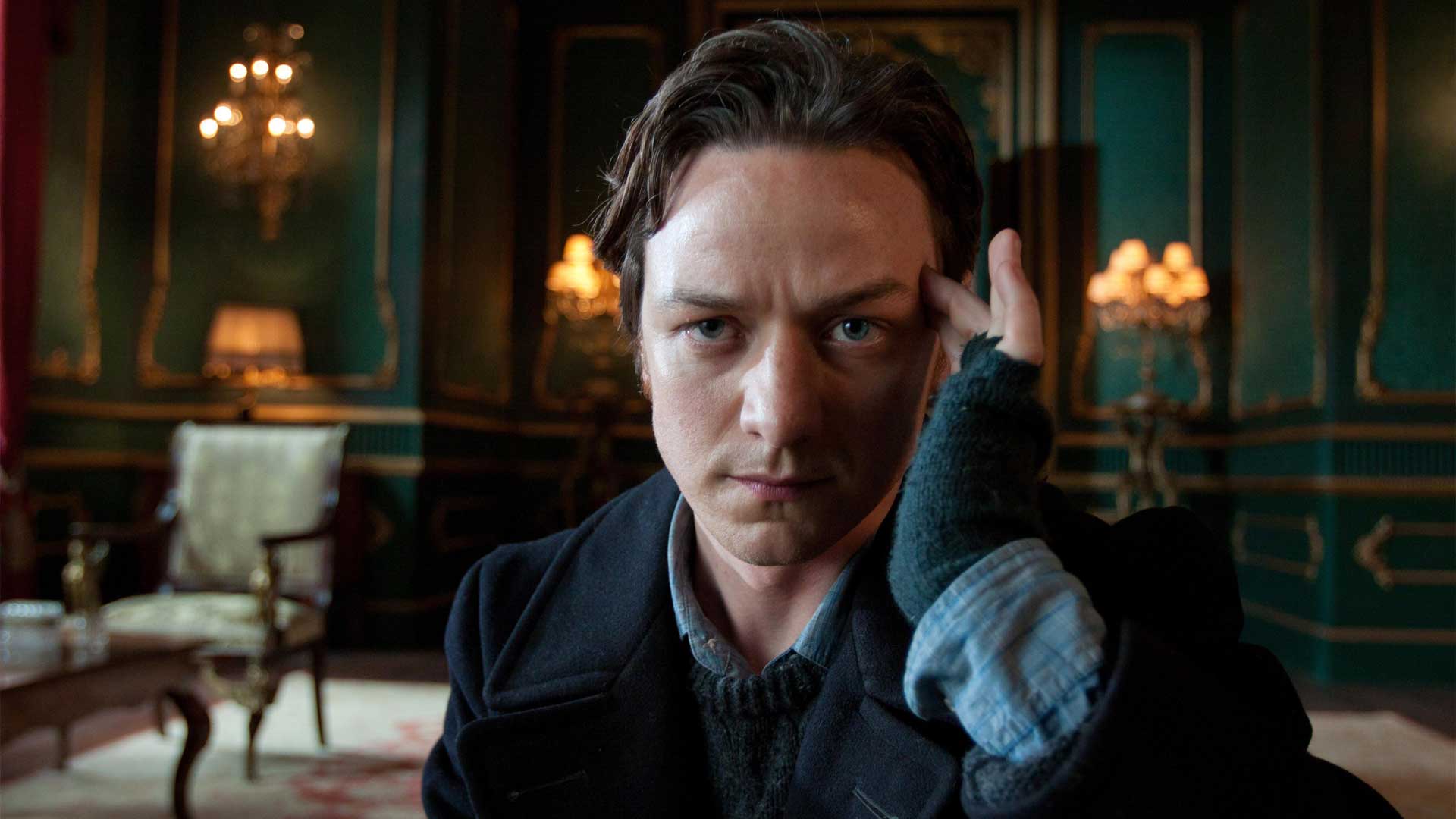
It would take two years after the critical and financial debacle of X-Men Origins: Wolverine to set the course right for the X-Men franchise, thanks to the involvement of Matthew Vaughn. He made his directorial debut with Layer Cake (2004) before proving he could handle the superhero genre with Kick-Ass. Then came X-Men: First Class, marking Vaughn’s most ambitious project to date. Instead of continuing the franchise forward with a sequel, he went down the prequel path, allowing him to start fresh.
He brilliantly used Singer’s first X-Men movie as a launchpad, specifically the iconic opening scene, by meticulously recreating it shot for shot during the gritty 1944-set Auschwitz concentration camp in Poland, where the angry young Erik is being forcefully separated from his parents by Nazi soldiers, resulting in him inadvertently deforming the metal gates with his mind.
From here, the story – credited to Vaughn, who also co-wrote with Ashley Edward Miller, Zack Stentz, and Jane Goldman – establishes the contrasting foundation that shapes Erik (Bill Milner) and Charles Xavier (Laurence Belcher) on separate occasions. We see the already-traumatized Erik witnessing the death of his mother, which drives him deeper into a state of rage and vengeance. He carries that same sentiment into adulthood (now played by Fassbender), as the story jumps nearly two decades ahead with his single-minded mission to track down a mutant ex-Nazi scientist, Sebastian Shaw (Kevin Bacon). We learn that Erik is more of a cynical mutant with a pessimistic worldview, unlike Charles’s sheer optimism since childhood. He shows more empathy by comparison, like how he first met the 10-year-old blue-skinned shapeshifter Raven (Morgan Lily), treating her like his own sister.
Why Fassbender and McAvoy’s Chemistry Is the Heart of X-Men: First Class
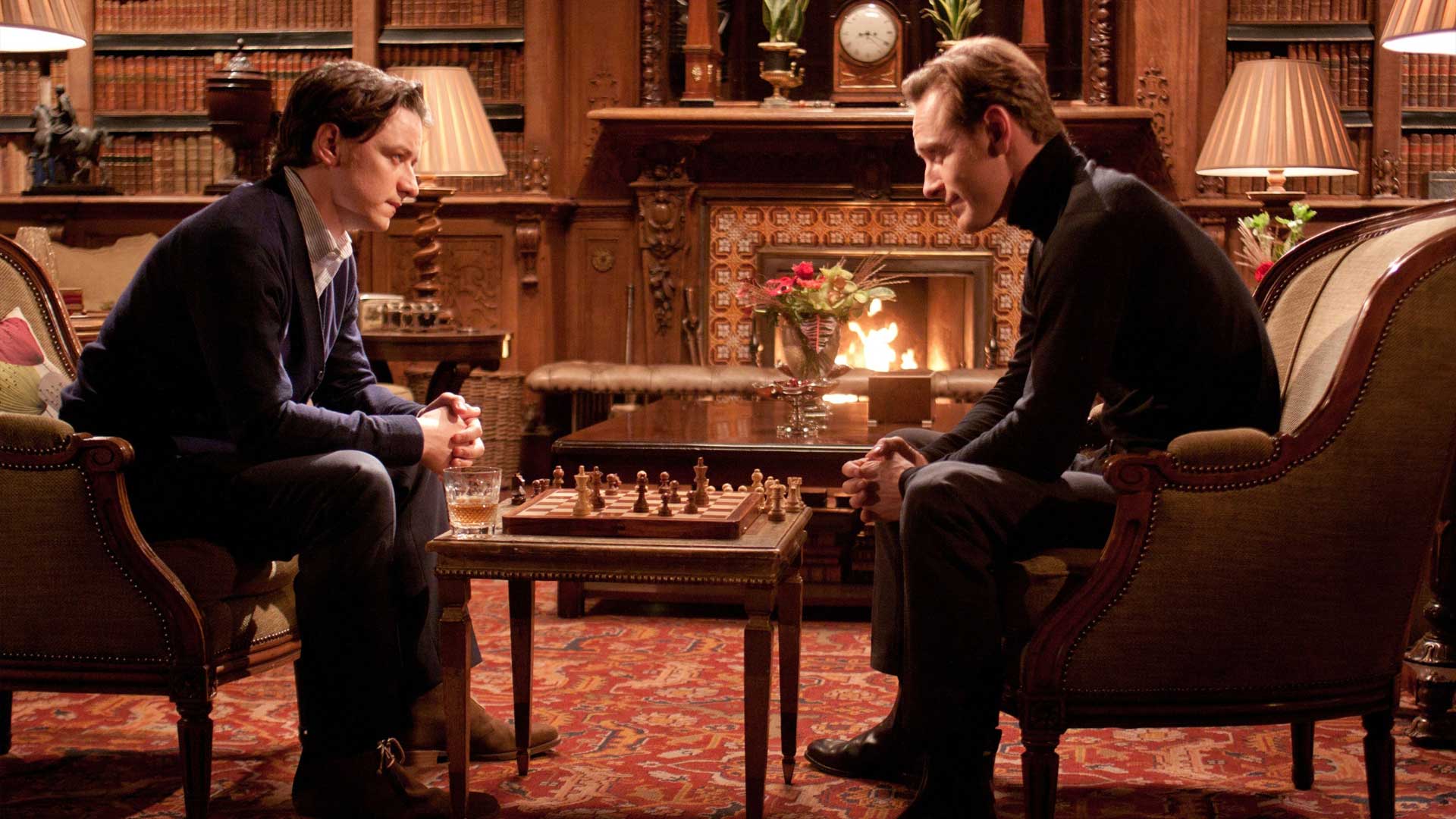
The enduring quality of X-Men: First Class isn’t the special effects or the action set pieces, but rather the way Vaughn prioritizes human (mutant) drama above all else. Besides, no amount of large-scale or onslaught of CGI matters if the story and characters are shortchanged in favor of spectacle. Which is why the on-screen dynamic between Charles Xavier and Erik Lehnsherr adds gravitas to the movie. And it helps with the pitch-perfect casting of James McAvoy and Michael Fassbender playing the younger versions, two significant characters already made famous by Patrick Stewart and Ian McKellen in the first three X-Men movies.
Here, the story delves into their subsequent friendship bond, where the two initially share the same common goal of protecting their mutantkind. But what elevates the stakes is their emotional and dramatic conflicts, notably how Charles’s idealism and Erik’s cynicism cause friction to the point of no return.
Despite their differences, Vaughn still manages to slip in the positive angles surrounding their dynamic, particularly a scene where Charles’s telepathic power helps to unlock Erik’s beautiful childhood memory within his trauma-fueled mind at one point, allowing him to focus on controlling his magnetism to move the radar dish. It was a single, most poignant moment — a rare instance of Erik’s vulnerability beyond his rage-heavy emotions that proves he isn’t an outright monster, to begin with.
Why X-Men: First Class Underperformed at the Box Office Despite Being a Masterpiece
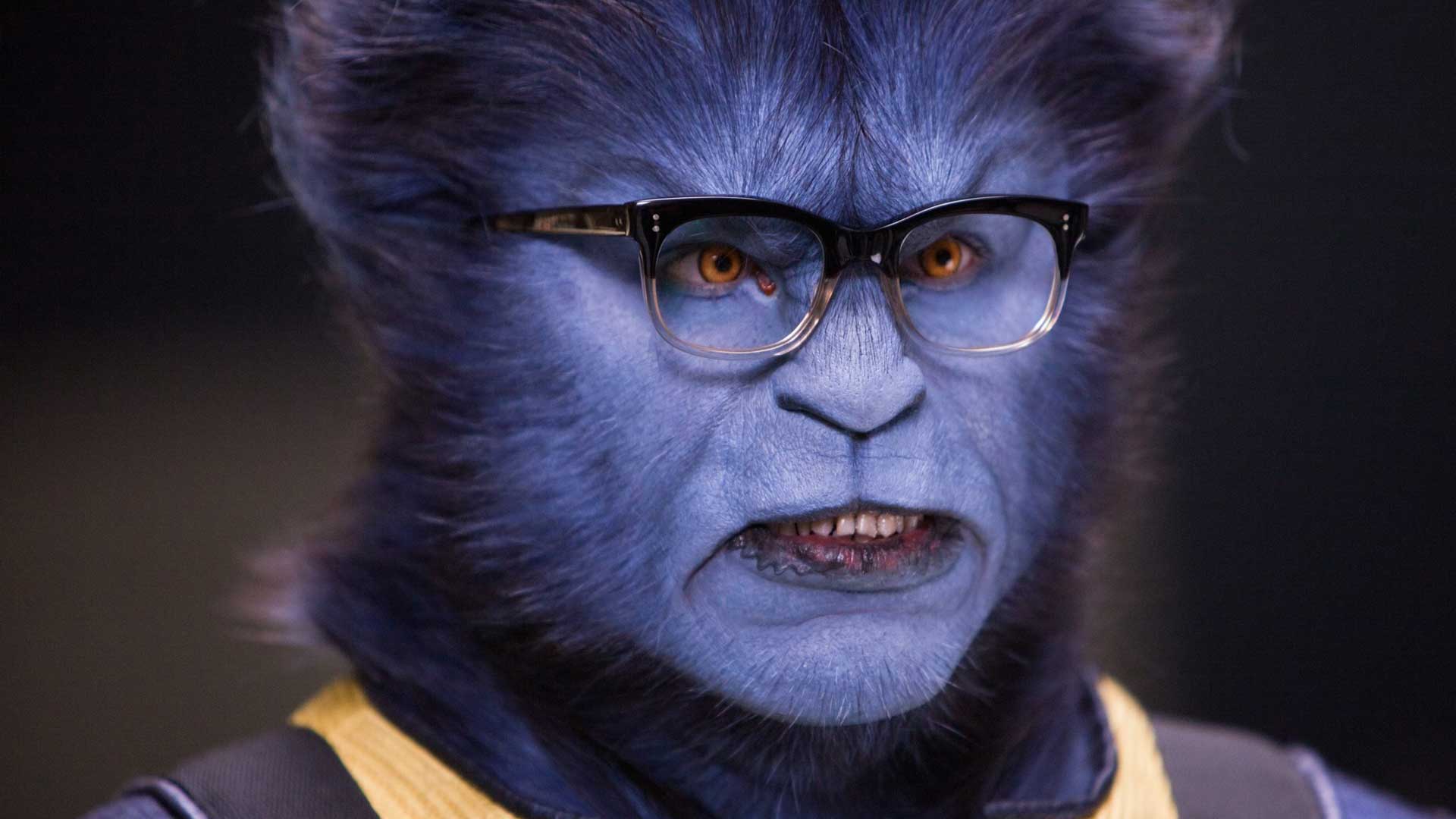
Critic and audience reviews were generally favorable for X-Men: First Class. And yet, the movie still underperformed, grossing only $353 million on a reported $160 million budget. Looking at the mainline X-Men movies at the time, X-Men: First Class’s total international grosses paled in comparison to X2: X-Men United’s $407.7 million and X-Men: The Last Stand’s $460 million, even though it easily eclipsed way beyond the first 2000 movie’s $296.3 million.
A few factors that hindered X-Men: First Class from scoring greater financial heights lie in the franchise fatigue. This was especially true with the way X-Men: The Last Stand and X-Men Origins: Wolverine turned out at the end of the day, ruining not only fan but audience goodwill. The movie also noticeably lacked the much-needed box-office draw, unlike the first X-Men movies, which had Hugh Jackman’s iconic Wolverine character help to fill the seats. He did show up in X-Men: First Class, albeit in a very brief but memorable cameo during one of the scenes where Charles and Erik are on a quest to recruit mutants.
How X-Men: Days of Future Past Stole X-Men: First Class’s Thunder
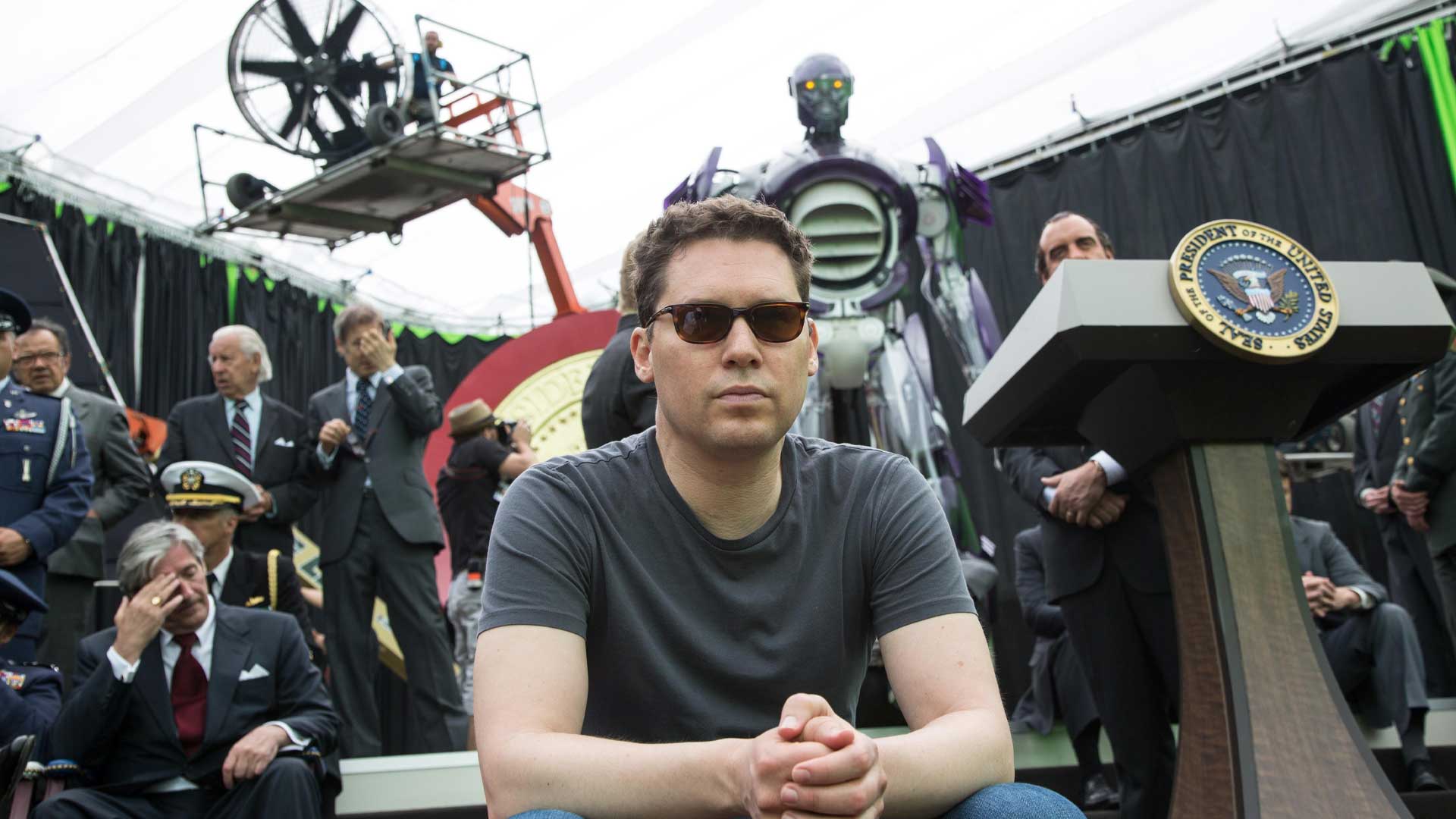
The surprisingly underwhelming box-office result of X-Men: First Class was disheartening, despite the movie being highly regarded. Then, in 2014, Bryan Singer was back in the X-Men franchise, cleverly merging the two generations – the original trilogy cast and the younger ones from X-Men: First Class – in an epic, crossover event of X-Men: Days of Future Past. Not to mention the ingenious use of a time-travel concept to wipe the bitter aftertaste of X-Men: The Last Stand, bringing in a story that’s higher in stakes and stronger in both character and story developments. X-Men: Days of Future Past proved to be a bigger success, raking in a whopping $746 million.
Still, if it wasn’t for Vaughn spearheading X-Men: First Class, there wouldn’t be a solid foundation for taking X-Men: Days of Future Past to the next level. The younger cast even continued to take center stage in two more movies, including X-Men: Apocalypse (2016) and Dark Phoenix (2019), despite the hit-and-miss qualities.