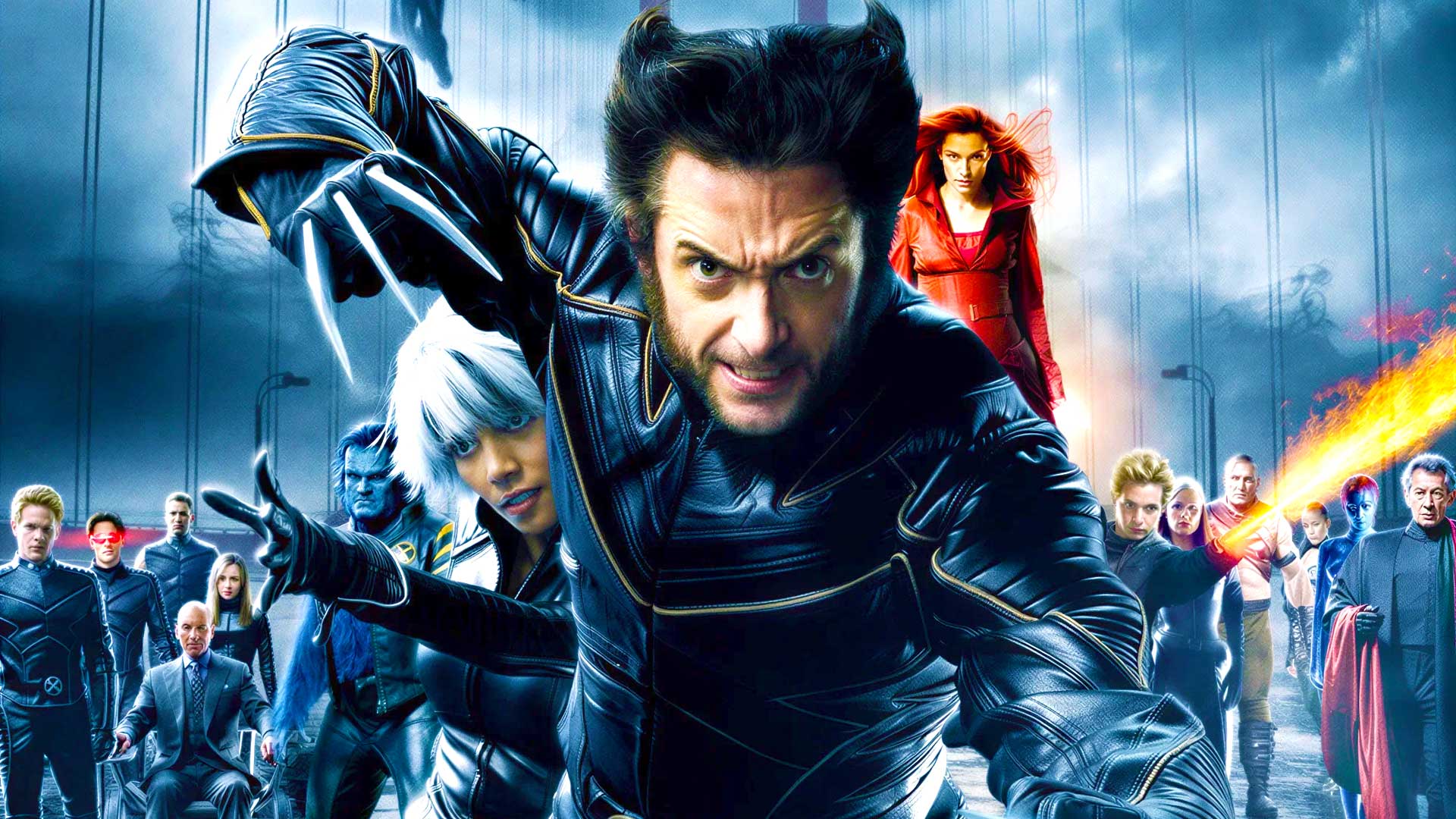


Twenty years on, X-Men: The Last Stand stands as one of Hollywood’s starkest lessons in what happens when studio pressure overrides creative vision. It didn’t just fail — it nearly took one of the most beloved franchises in comic book history down with it.
How Bryan Singer’s Departure From X-Men 3 Set the Disaster in Motion
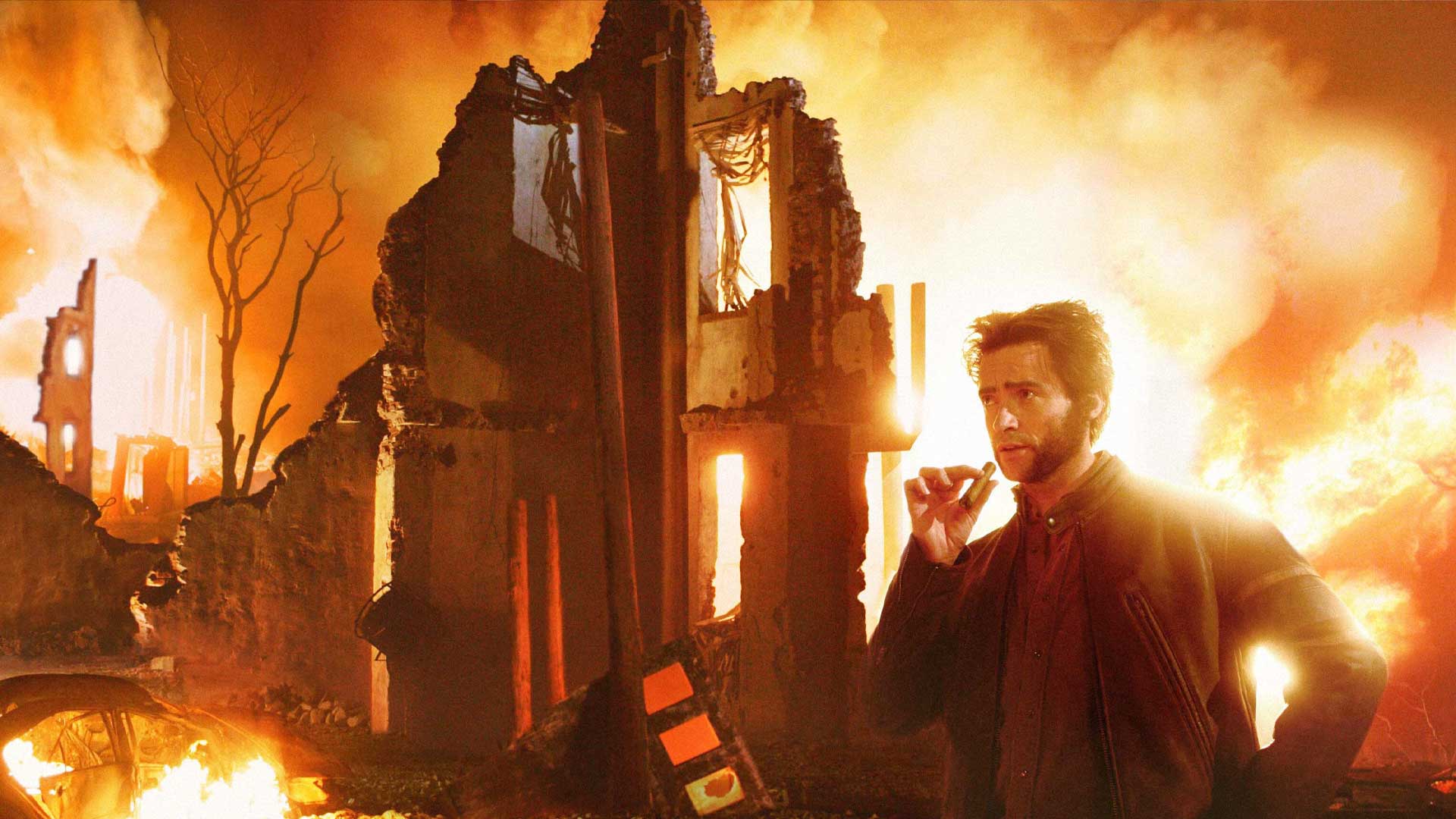
In an ideal world, Bryan Singer completing the original X-Men trilogy would have been a dream come true. He helped define the franchise in his first two movies, X-Men (2000) and X2: X-Men United (2003), by effectively combining superhero tropes with character-driven storytelling and thought-provoking themes of prejudice against marginalized groups. Singer was originally set to return for X-Men 3, where his intended vision would focus on The Dark Phoenix Saga, widely recognized as one of the most acclaimed story arcs ever told, not only in X-Men comics but also in comic book history.
But things didn’t work out as planned. Singer chose to drop out of the third X-Men movie in favor of directing Superman Returns for Warner Bros. His abrupt exit caused Fox executives to scramble for a replacement, especially given that the studio had already locked in a prime summer 2006 release date. Singer even took his screenwriters, Dan Harris and Michael Dougherty, and James Marsden with him for Superman Returns, leaving the X-Men 3 project in a mess.
Fox then approached several directors, including Joss Whedon, Zack Snyder, and Matthew Vaughn, to take over the third movie. Vaughn was actually close to directing the third X-Men movie, even spending months in pre-production and in charge of casting a few major roles. But the studio’s insistence on rushing to meet the release date ultimately ended with Vaughn walking away from the film.
Then came Brett Ratner, frankly, an unlikely director to helm X-Men 3. Not to mention, a last-minute replacement, who only had eight weeks before the cameras officially started rolling. And yet, he didn’t mind the rushed schedule, even confident that he could deliver X-Men 3, which was subsequently titled X-Men: The Last Stand, in time. And so, he did, but at the expense of ruining the once-thriving X-Men franchise.
Why X-Men: The Last Stand Still Made $460 Million — And What It Got Right
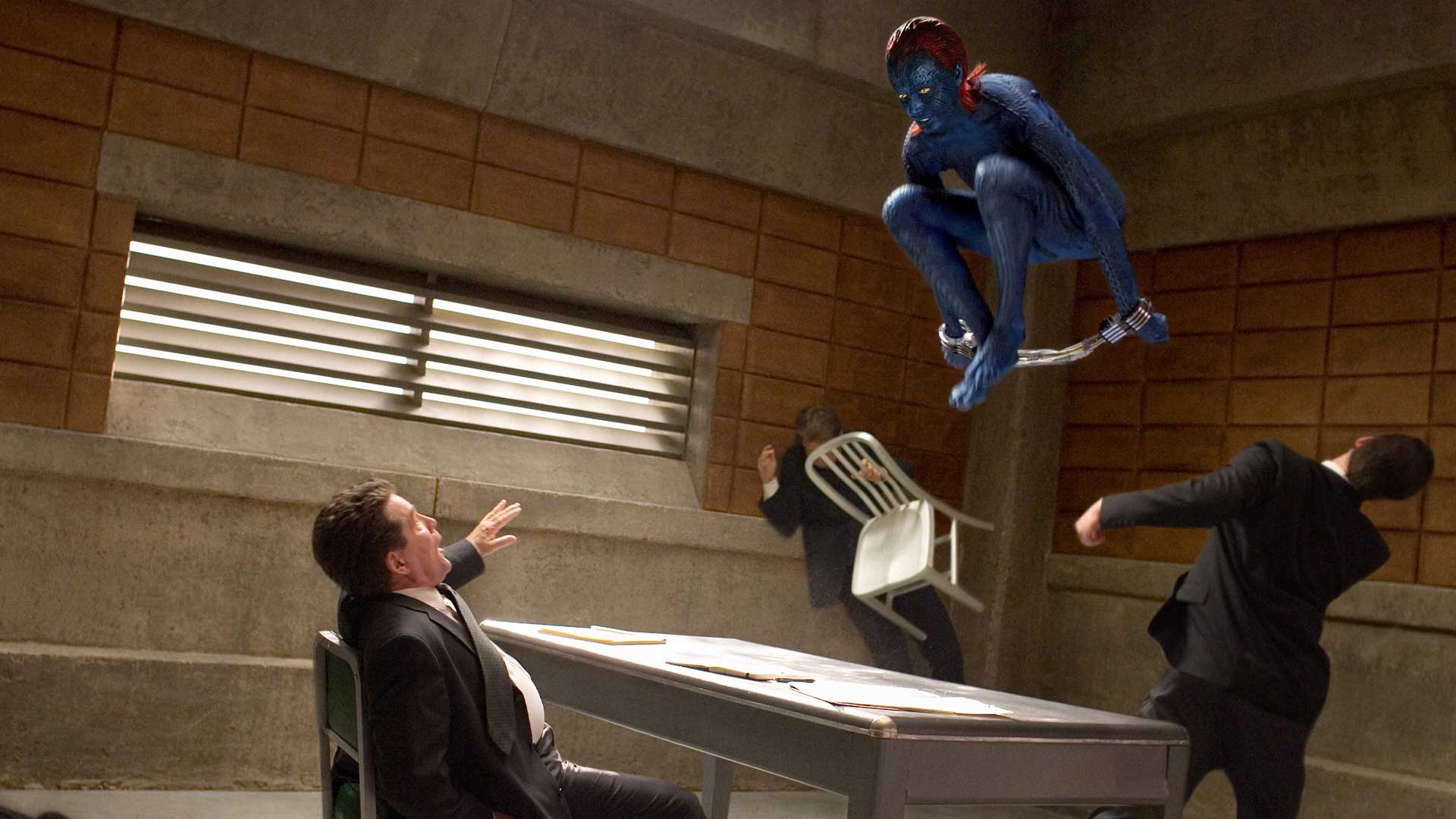
Looking back at the movie, the fact that X-Men: The Last Stand still made money from shattering a then-record-breaking Memorial Day box-office weekend at $122.8 million, to scoring a franchise-high global haul in the trilogy at $460 million, stemmed from the goodwill previously built up by the success of the first two movies. And of course, the massive hype surrounding the heavily-promoted Dark Phoenix storyline had fans and audiences looking forward to seeing how X-Men: The Last Stand would wrap up the trilogy.
Sure, the movie does have its moments – the pitch-perfect casting of Kelsey Grammer playing the intellectual Beast under heavy prosthetic make-up, and the iconic sequence of Magneto (Ian McKellen) uses his power to re-position the Golden Gate Bridge to Alcatraz Island – proves that Ratner manages to get a few things right.
The Dark Phoenix Saga Deserved Better Than 104 Minutes
But they aren’t enough to offset most of the shortcomings, beginning with the hastily put-together Dark Phoenix Saga, addressing Jean Grey’s (Famke Janssen) path to darkness and the Gifted storyline from Joss Whedon’s Astonishing X-Men comic series revolving around the biological mutant cure. Combining the two important story arcs and expecting them to be good within an unbelievably shorter-than-expected 104 minutes was crazy. With insufficient room for these stories to breathe, it was like watching a two-part saga crammed into a single movie.
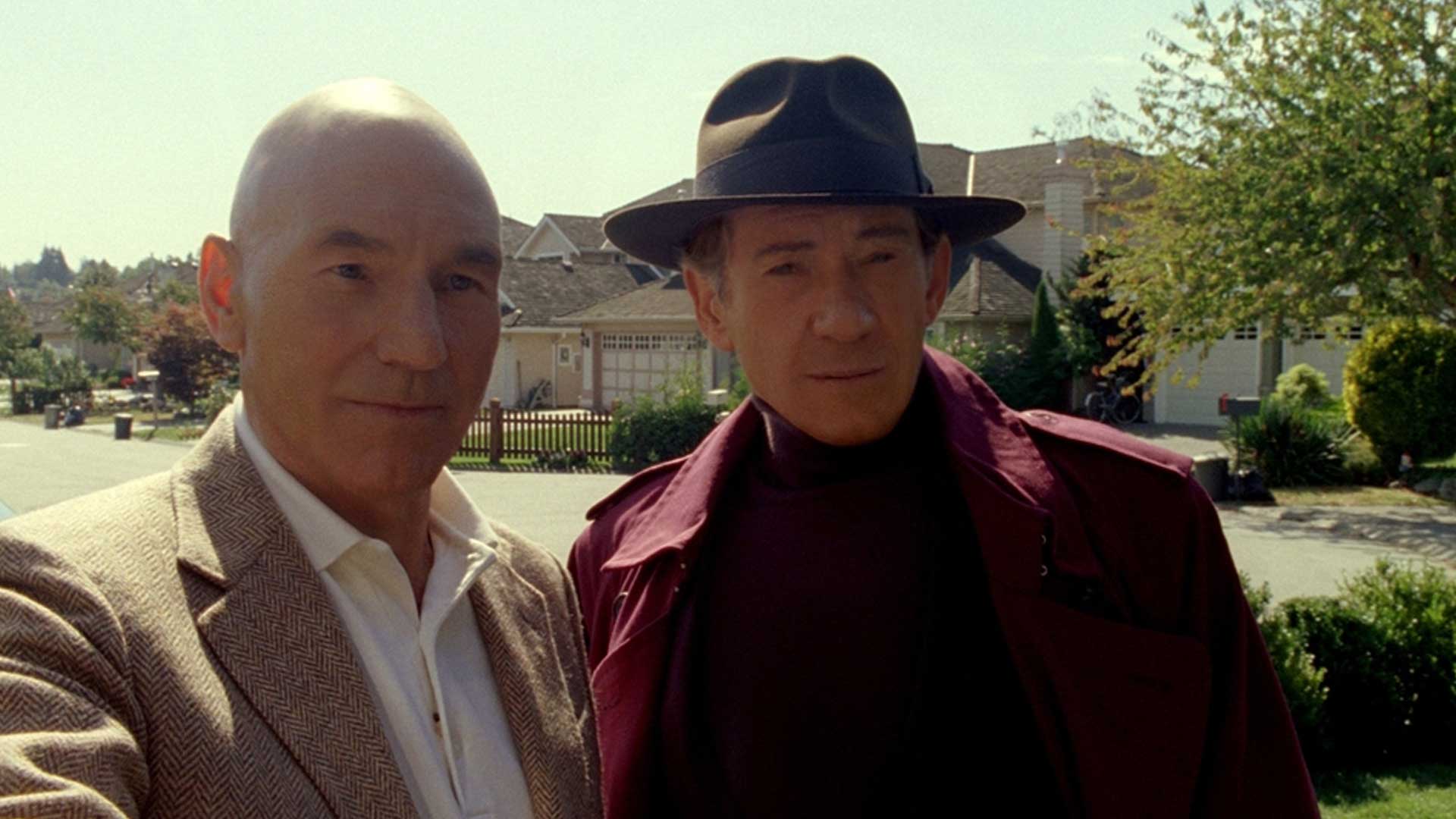
I still remember how jarring the de-aging effect of Patrick Stewart’s Professor X and Ian McKellen’s Magneto visiting the younger Jean Grey (Haley Ramm) at her parents’ house during the opening flashback was. It may have been groundbreaking in special effects technology, but it just didn’t look good.
Killing Cyclops, Professor X, and Mystique: The Character Deaths That Angered Fans
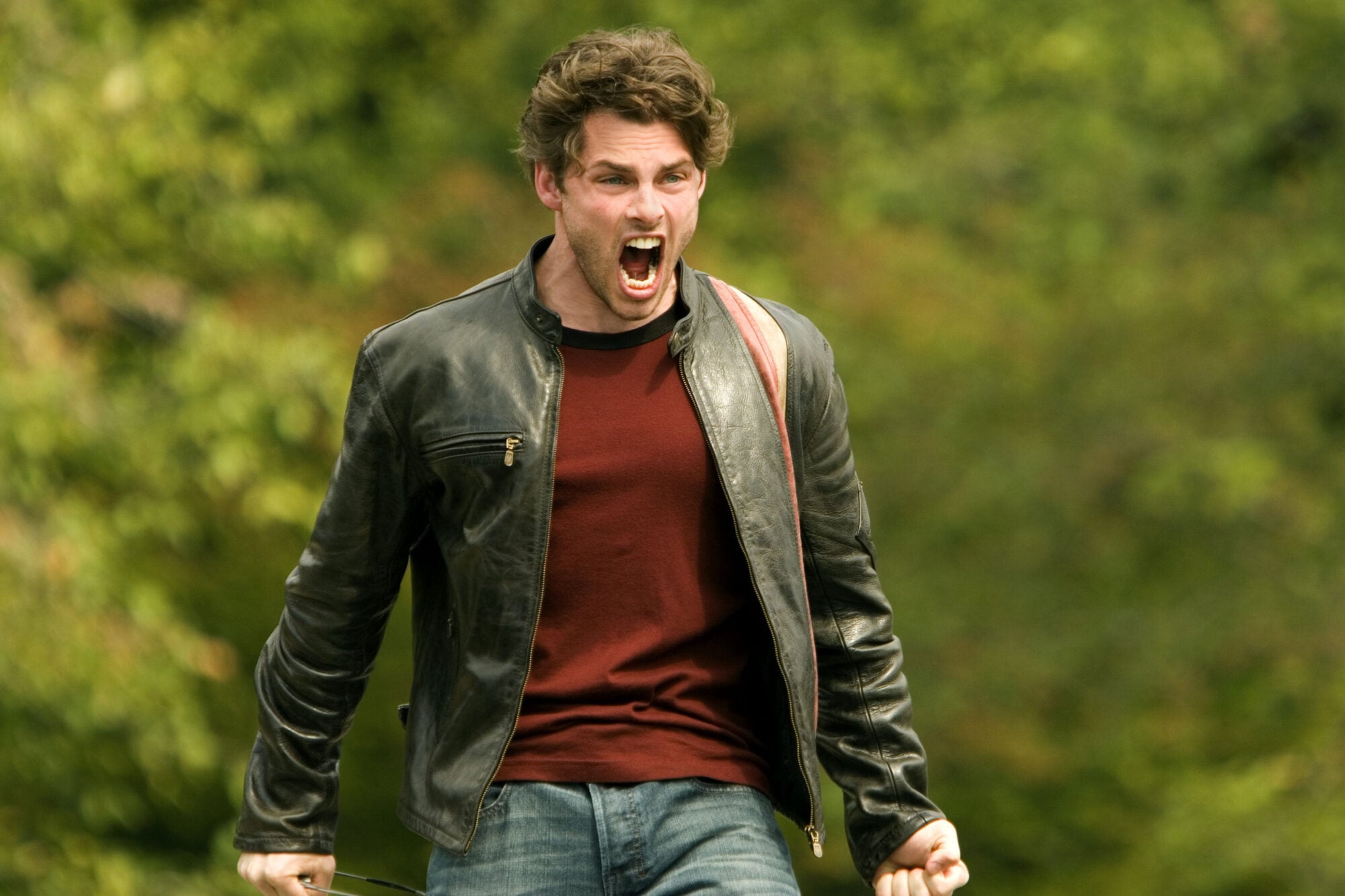
The movie also notoriously angered Marvel fans with the way major characters are abruptly killed. For instance, Marsden’s Cyclops, who only appeared for around five minutes of screen time, ended up dead entirely off-screen. His role ultimately mirrored the actor’s scheduling conflicts with his commitment to play Richard White in Superman Returns.
As if Cyclops’s precipitous death isn’t insulting enough, Ratner attempts to raise the stakes further by justifying the meaning of The Last Stand in the title, including writing off Rebecca Romijn’s Mystique midway after she is immediately abandoned by Magneto following her loss of mutant powers. Then, there’s the shocking death of Professor X, who is disintegrated when facing the out-of-control Jean Grey. It was a controversial decision that leaned more into a cheap shock value rather than a narrative necessity.
Jackman’s commitment to Wolverine may have been one of the lifesavers of X-Men: The Last Stand. But the emotional arc between his love for Jean Grey would have been stronger if Cyclops weren’t killed off so early. By retaining the initial love triangle between these characters, built upon the first two movies, we could be seeing a better resolution of a well-earned finale than what we got here.
Wasted Characters and an Anticlimactic Finale on Alcatraz Island
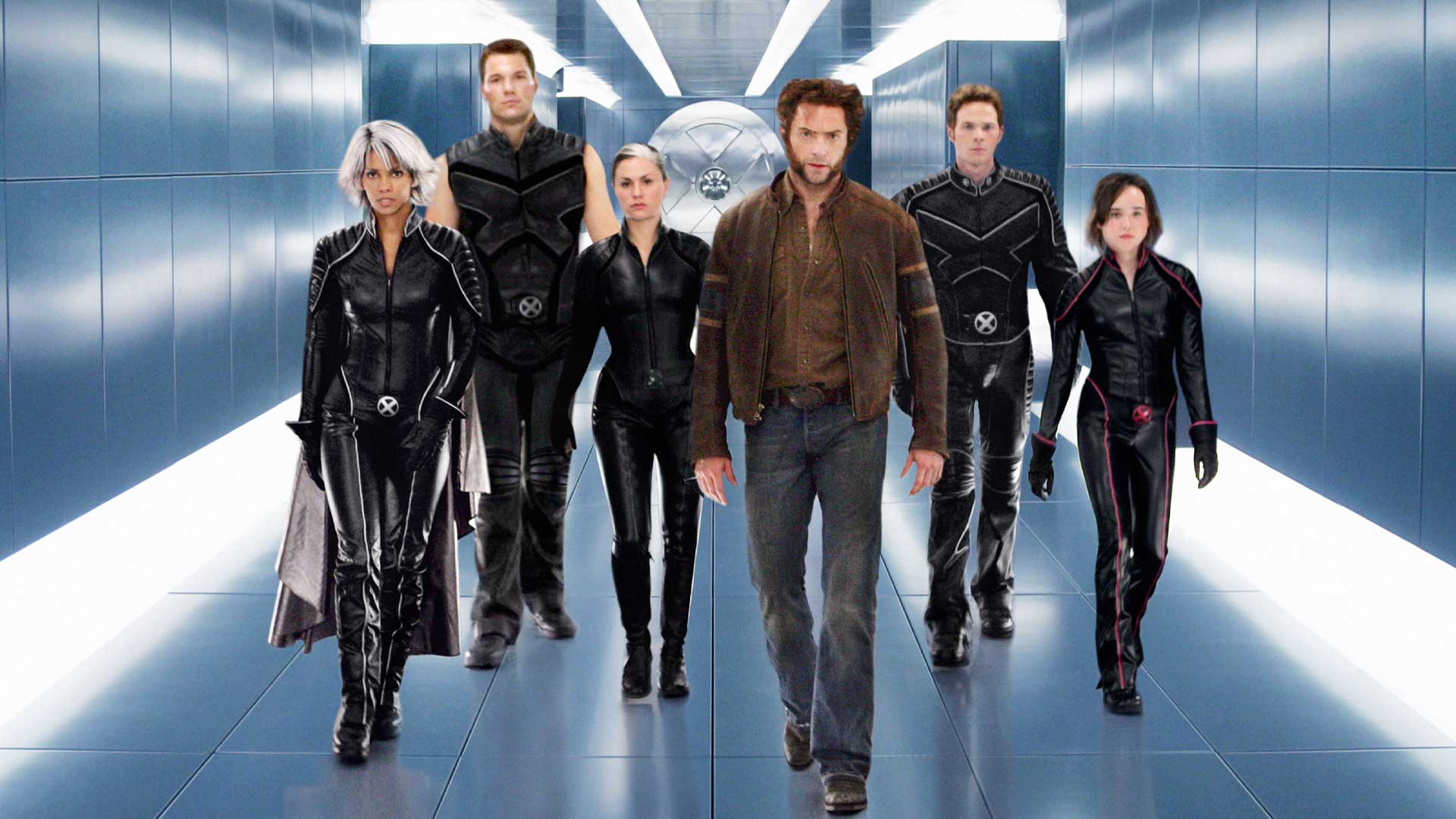
It’s equally unforgivable that the introduction of Juggernaut, played by Vinnie Jones, is reduced to unintentional comic relief with a campy, yet juvenile one-liner. And Angel (Ben Foster), who looked as if he was the driving force behind the emotional and dramatic weight of the mutant cure storyline, became nothing more than a glorified extra.
X-Men: The Last Stand finally culminates in an all-out war between the X-Men team and Magneto and his Brotherhood of Mutants on Alcatraz Island. But instead of a thrilling confrontation, the stakes feel surprisingly anticlimactic. And it doesn’t help that Jean Grey spends most of her time looking passive amidst the chaos. By the time Wolverine dares to face her wrath, it’s all a little too late.
How X-Men: The Last Stand Poisoned the Franchise — And Whether It Ever Recovered
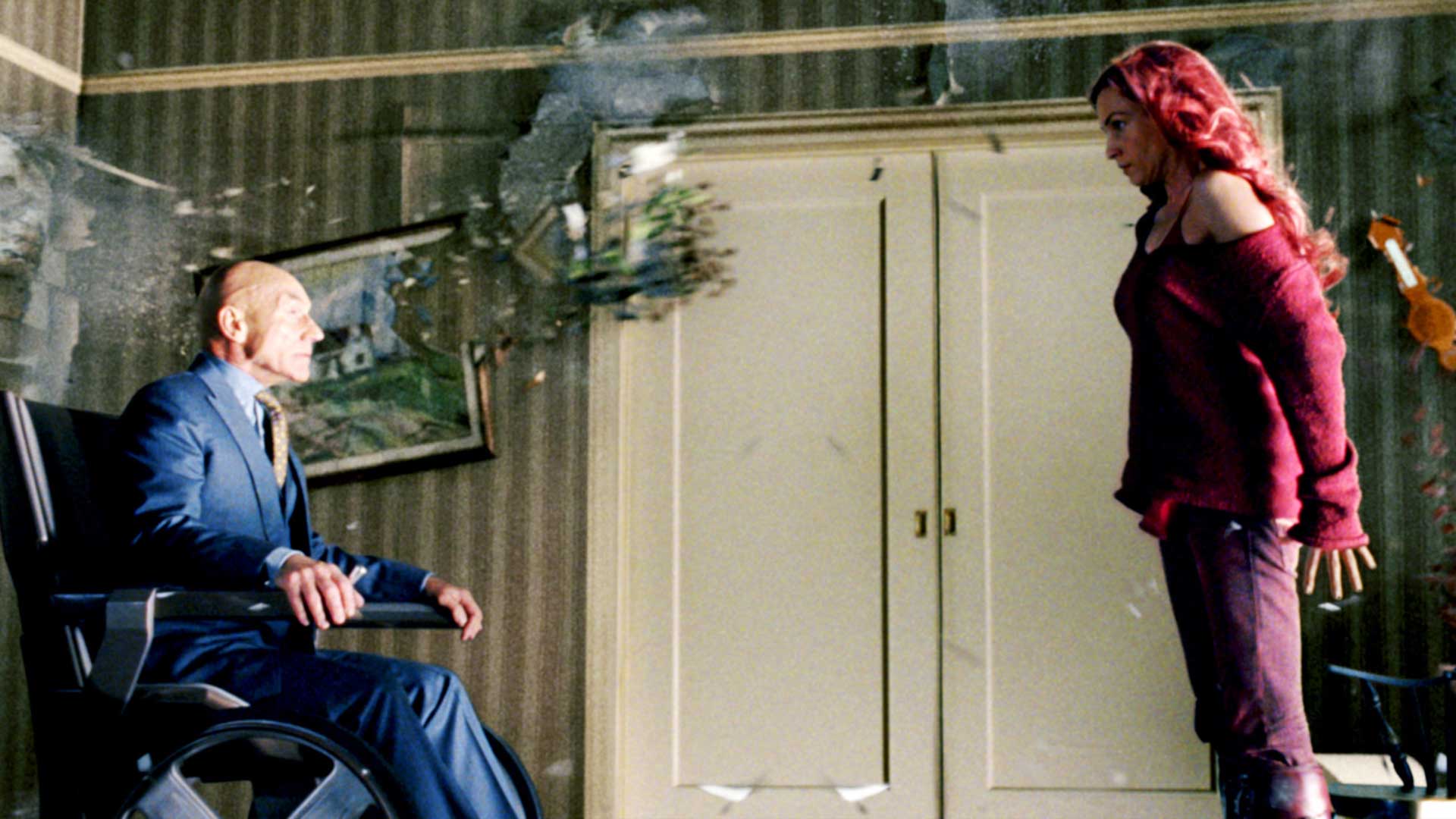
X-Men: The Last Stand is no doubt a step backward in the X-Men trilogy, and throughout the 20 years since its initial release, Ratner’s franchise-killing third movie remains a prime example of what not to do to such a famous IP.
That the Dark Phoenix Saga had to wait another 13 years for a second attempt — and still failed with Dark Phoenix in 2019 — is perhaps the most damning legacy of all. X-Men: The Last Stand didn’t just mishandle one of the greatest stories in comics; it proved that getting it wrong has consequences that echo for decades.
RELATED: 10 Years Ago, Critics Buried X-Men: Apocalypse. They Were Wrong