

Living in the city where subway tunnels become the everyday commute for people who rely on public transport by train echoes a sense of real-world familiarity, making the setting all the more palpable when the filmmakers use it as a major horror trope. The thought of a threat, regardless of human or otherwise, stalking unsuspecting human victims, is the stuff of nightmares. Dark tunnels, empty trains, and a maze of subway corridors with seemingly no exit available turn these settings into claustrophobic spaces of dread. From Death Line to the recent Exit 8, here are the best subway horrors worth checking out.
DEATH LINE a.k.a RAW MEAT (1972)
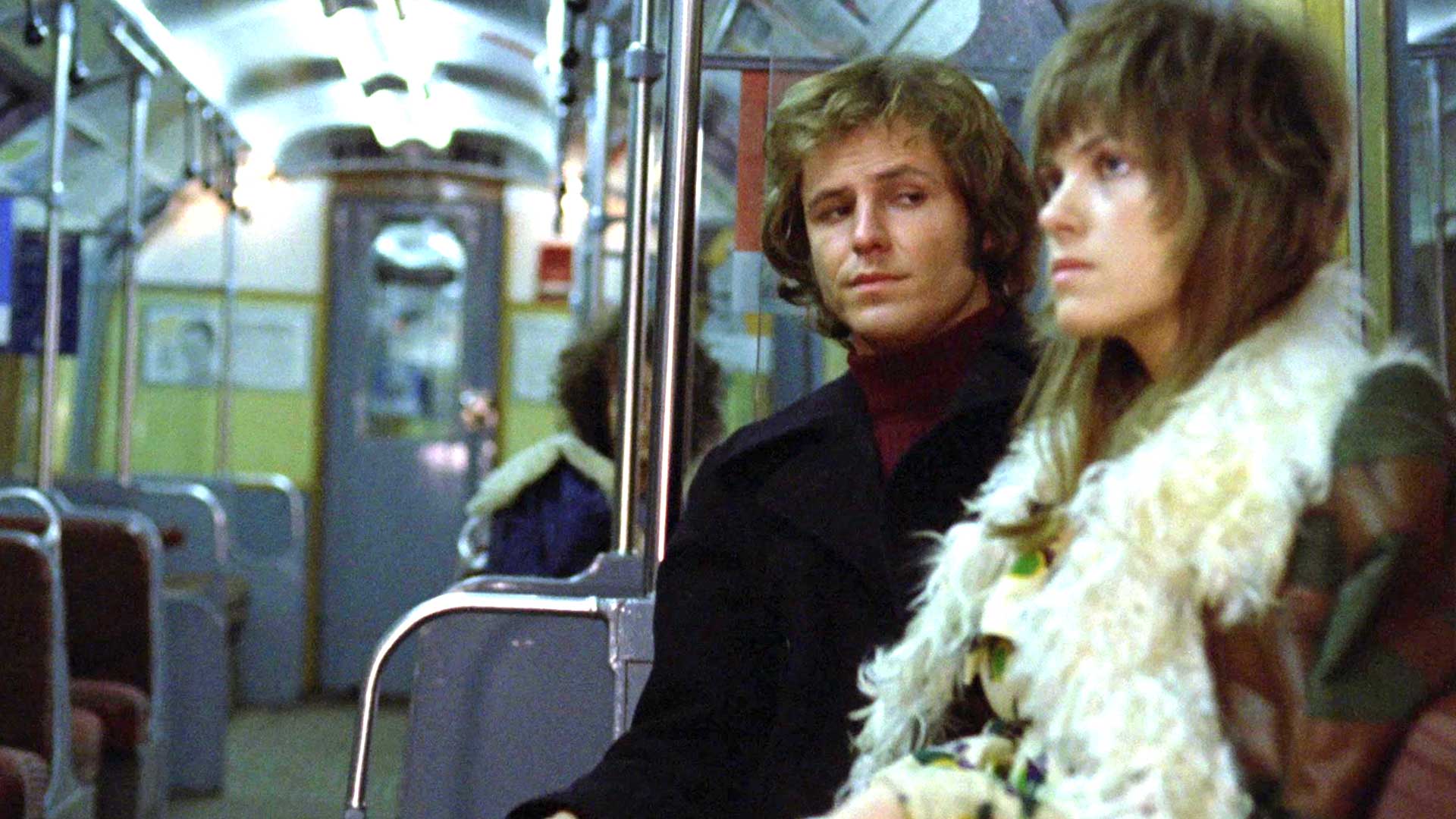
Years before Gary Sherman made Wanted: Dead or Alive and Poltergeist III in the ‘80s, his directorial debut explored the seedy underbelly of the London Underground in Death Line (alternatively titled Raw Meat in the stateside). The story begins intriguingly with the young couple, Patricia Wilson (Sharon Gurney) and Alex Campbell (David Ladd), discovers a man fainted on the stairwell. After trying to get help from a nearby police officer, the man, who turns out to be an OBE, has mysteriously disappeared without a trace.
More than just a missing-person case, the story soon delves into something sinister lurking within the tunnels. Given that the movie was made in the early ‘70s, Sherman takes his time to build up the tension while incorporating deadpan humor, which may seem tonally awkward. This is particularly true with the introduction of Inspector Calhoun (pre-Halloween franchise mainstay Donald Pleasence), whose somewhat aloof personality contrasts well with the atmospheric dread of the movie.
MIMIC (1997)
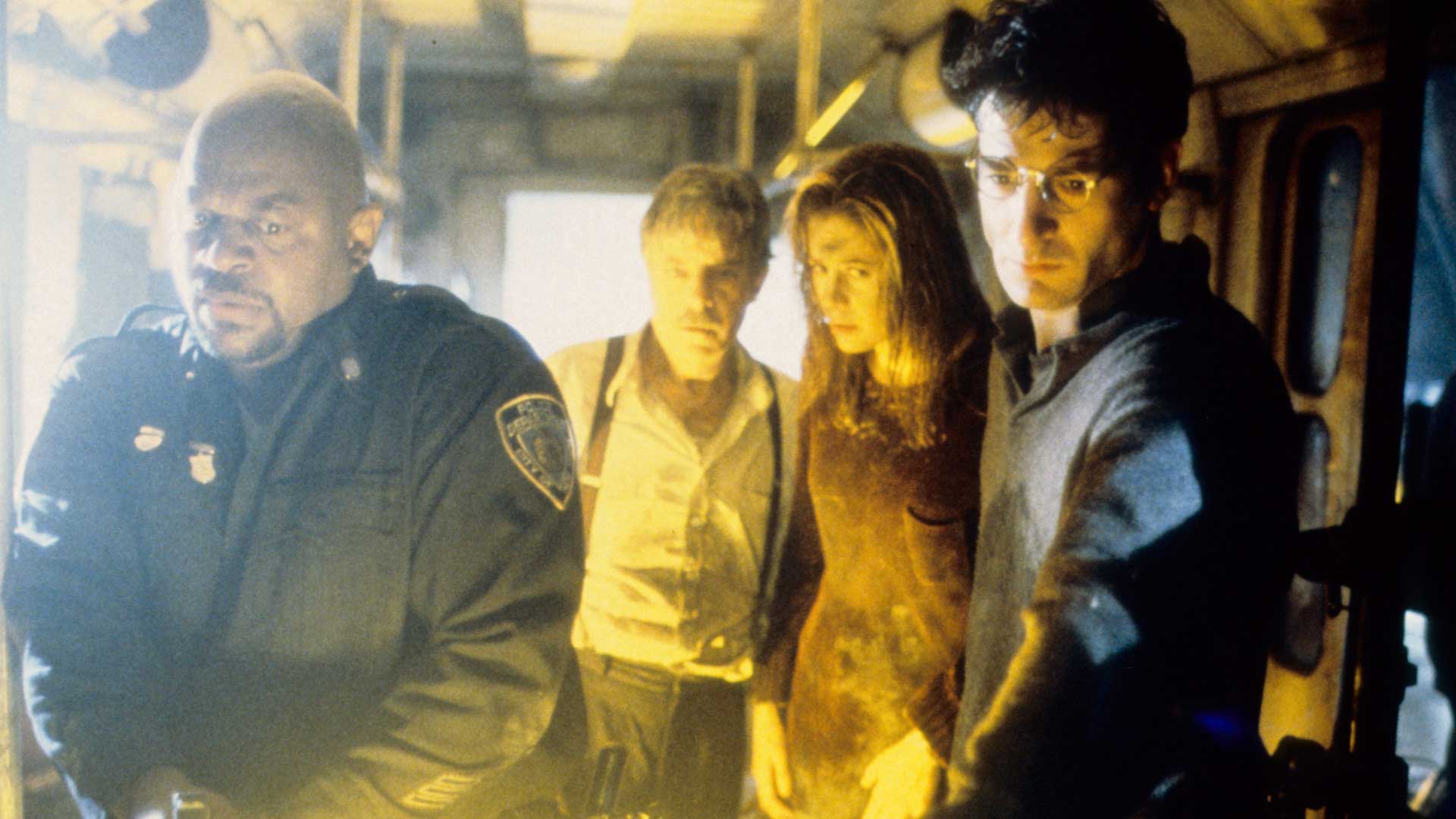
Mimic marks the English-language debut of director Gullermo del Toro, five years after he got his start in his acclaimed 1992 cult classic Cronos. His crossover to Hollywood may have been plagued with creative differences and other behind-the-scenes woes, but Del Toro’s genre know-how direction still shines through the darkness.
The story’s main premise, surrounding the genetically engineered insects initially created to eliminate the disease-carrying roach infestation, only for the insects to subsequently evolve into human predators, effectively blends a dark don’t-mess-with-the-Mother-Nature morality play with a grisly sci-fi horror hybrid. Del Toro made good use of the New York underground tunnels to elevate the gloomy, yet oppressive atmosphere within all the dark corners. The creature design of the increasingly mutated insects may have been hampered by inconsistent CGI, but still good enough for a troubled production.
In 2011, Del Toro managed to get his wish for a director’s cut on the Blu-ray release, which was closer to his vision. The result feels more like a quintessential Del Toro movie, leaning heavily into a moodier and darker tone with more coherent touches on the character motivations.
CREEP (2004)
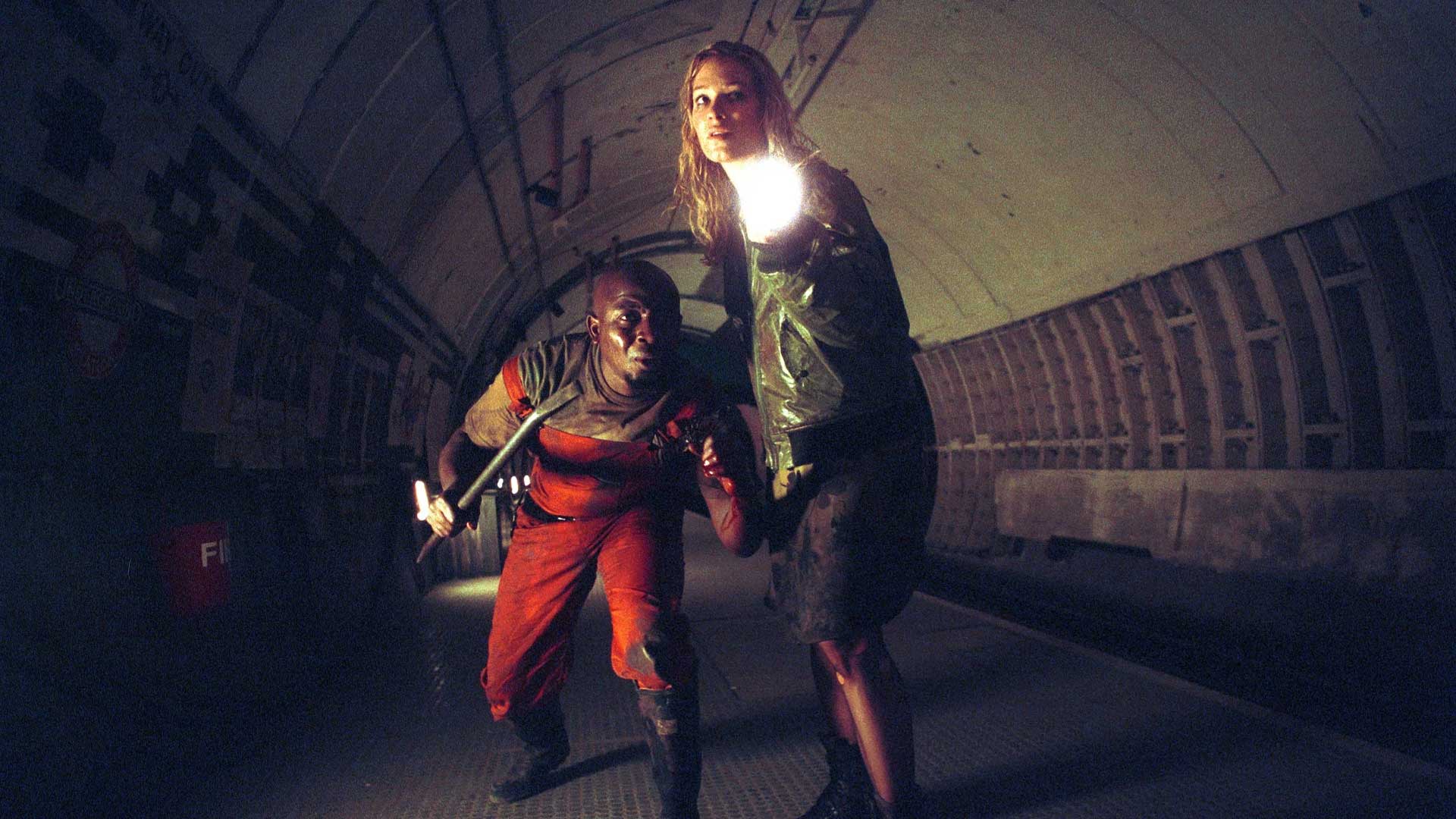
Not to be confused with the 2014 movie of the same name, Creep marks the feature film debut of writer-director Christopher Smith, who would go on to establish himself as a genre stalwart in the horror genre from Severance to Triangle, and Consecration. The story is simple but effective: a lean 85 minutes of relentless underground nightmare after an unfortunate young woman named Kate (Franka Potente) is stuck in the London Underground. Desperately trying to find her way out, trapped in the subway is the least of her problems after she discovers a malevolent killer is lurking somewhere in the dark.
Smith uses the darkness of the subway tunnels to his advantage, combining the dread-inducing tension and fear of the unknown. The latter is especially true with the mysterious killer, played by Sean Harris, whose appearance is reminiscent of a grotesque, humanoid figure. Creep equally benefits from economical storytelling to keep the pace taut with enough grisly violence and gore to satisfy the genre fans.
END OF THE LINE (2007)
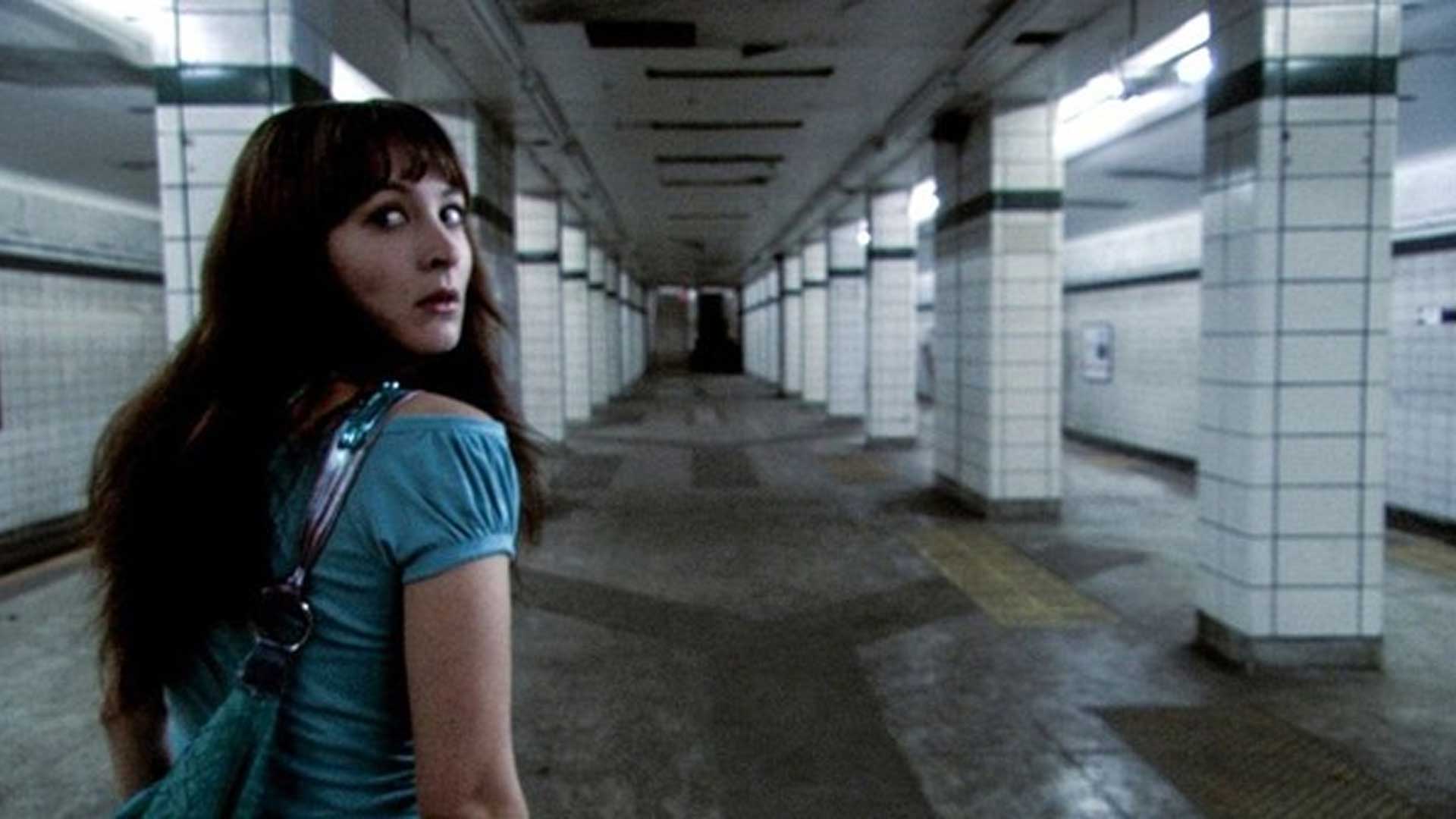
A murderous religious cult on a holy mission to save humanity by killing people, specifically non-believers. And to spice up the premise, Canadian writer-director Maurice Devereaux confines the mass killing to the subway train and tunnels. One of the passengers is Karen (Ilona Elkin), an off-duty nurse on her way late at night, only to find herself trapped and being stalked by the cultists.
Made on a low budget, Devereaux goes straight for the jugular with plenty of effective jump scares and gore effects, while retaining its ominous dread and paranoia throughout the movie. He also made good use of the subway spaces to heighten the claustrophobic tension through his increasingly pessimistic storytelling, underscoring whether the religious cult’s mission, which concerns Judgment Day, is real or simply a delusion.
THE MIDNIGHT MEAT TRAIN (2008)
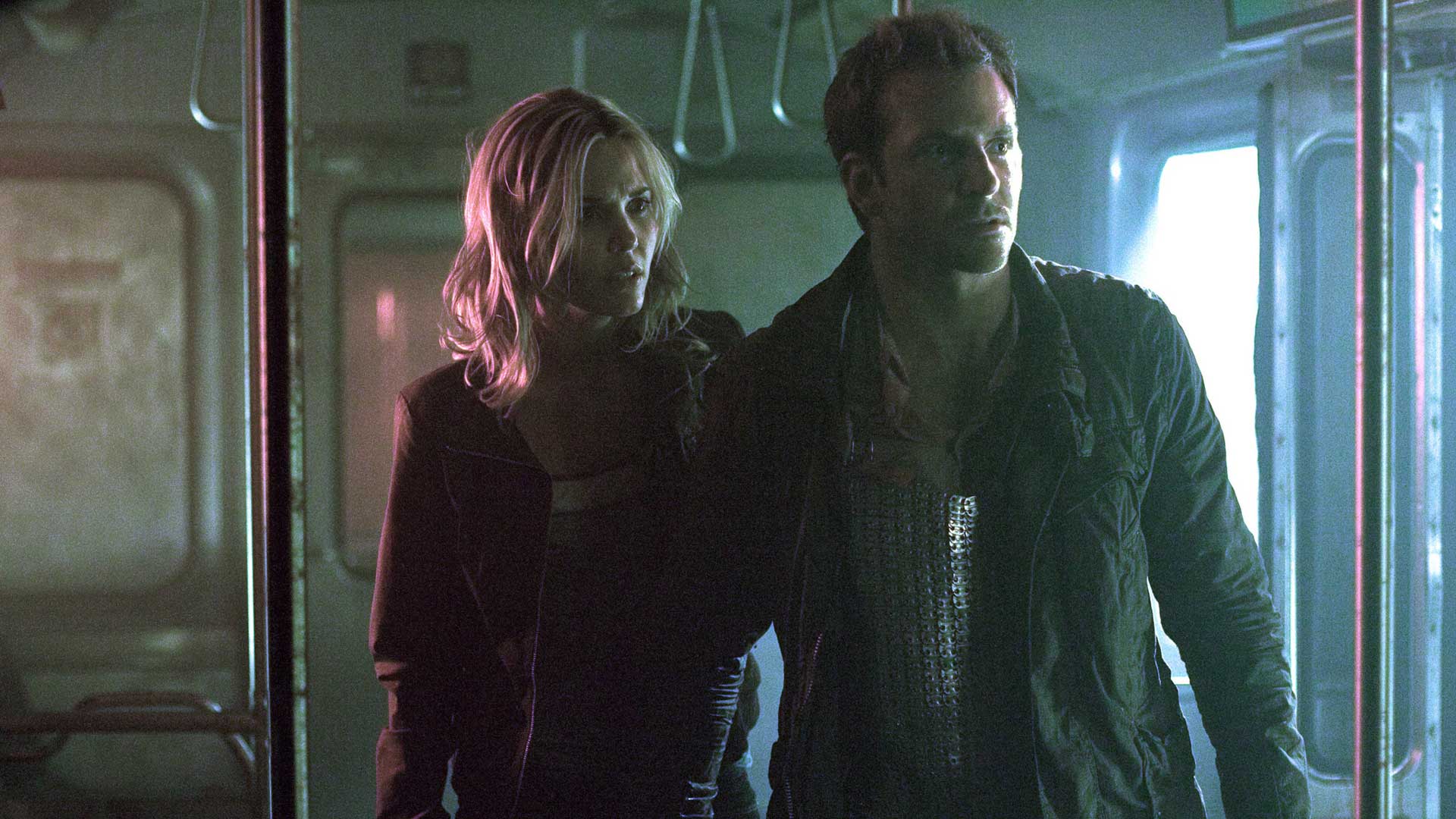
Best known for his work in Versus and Godzilla: Final Wars, Ryuhei Kitamura’s English-language debut, he embraces the unapologetically gritty horror style that doesn’t shy away from extreme gore and graphic violence. Adapted from Clive Barker’s 1984 short story of the same name, The Midnight Meat Train follows an aspiring city photographer, Leon Kaufman (Bradley Cooper, years before his career expanded into auteur filmmaking), who’s been desperately looking for a big break. He finally finds his opportunity by capturing risky photos of what’s lurking in the subway late at night, particularly his interest in a suspected killer (Vinnie Jones), who butchers people aboard the train.
The overreliance on CG blood may have been a turn-off, but Kitamura still deserves praise for his no-holds-barred direction. Jonathan Sela’s atmospheric cinematography highlights the blue color palette to evoke a sense of clinical detachment surrounding the late-night subway train and its dark tunnels. This makes the violence feel deliberately cold and unsettling, while the predominantly mute Vinnie Jones looks physically imposing as the remorseless killer.
STAG NIGHT (2008)
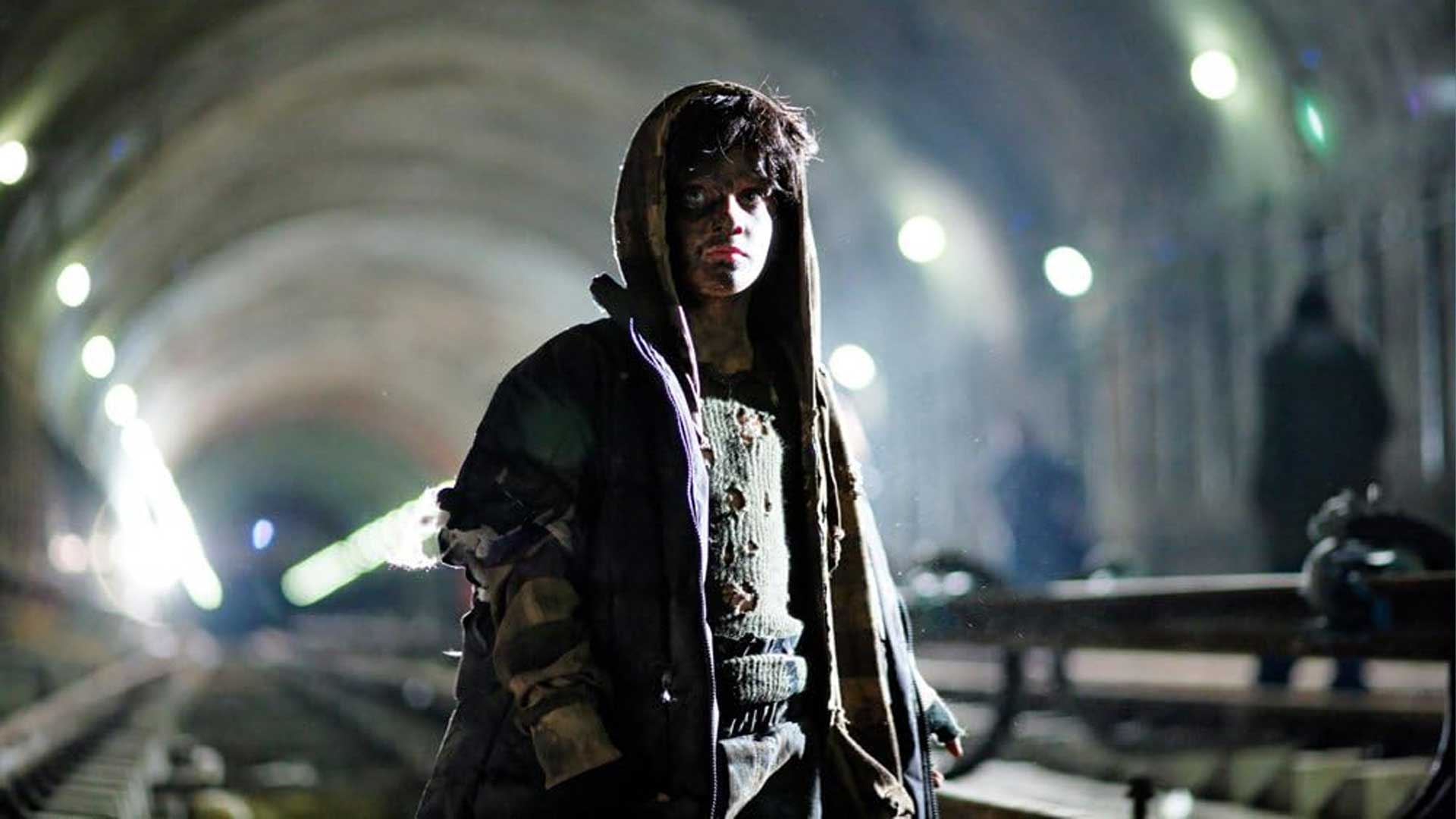
Flightplan co-writer Peter A. Dowling’s directorial debut takes the familiar trapped-in-the-subway-tunnel premise and turns his Stag Night into a tense, horror ride. Dowling’s penchant for utilizing shaky camerawork tends to distract a lot, but it’s hard to deny his ambitious approach to making his movie as visceral as possible.
The story follows a group of friends (among them played by Kip Pardue, Breckin Meyer, and Scott Adkins) celebrating a bachelor party before their late-night subway ride turns into an unexpected nightmare. Stuck in the abandoned tunnels with no way out, they soon find themselves becoming prey for the vicious cannibalistic creatures.
If you can look past the jittery camera, Dowling’s no-nonsense direction hits hard when it comes to a sense of hopelessness and despair amidst the violent-drenched atmosphere, putting these playful young men in deep peril, where survival seems like a dead end. The tunnels are depicted as a predatory hunting ground for the creatures, whose starkly animalistic nature makes them terrifying. Interestingly, despite the casting of Scott Adkins, Stag Night marks one of the few movies that doesn’t showcase his usual martial arts moves.
THE TUNNEL (2011)
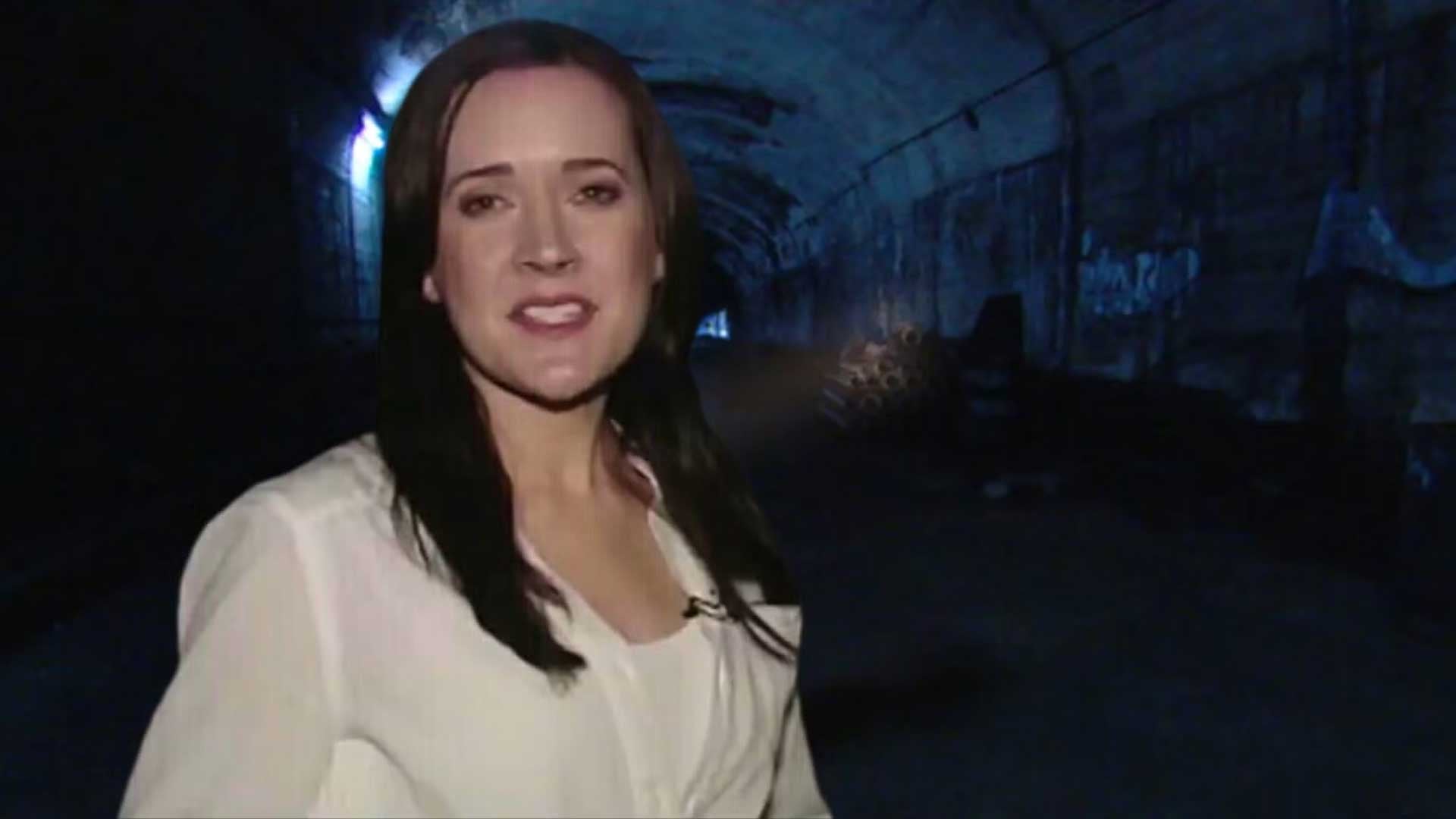
Director Carlo Ledesma combines found-footage horror with a faux-documentary style in The Tunnel, marking the Filipino-Australian filmmaker’s feature-length debut. The story alternates between the talking-head interviews and the footage of what happens in the abandoned subway tunnels beneath the city of Sydney. The movie’s languid stretch in the earlier scenes might come across as too slow for those with short attention spans.
But Ledesma’s deliberate direction manages to creep up on you once the story follows a small group of news crew led by Natasha Warner (Bel Deliá), entering the tunnel to investigate the suspicious government cover-up over the water extraction issue. By embracing the primal fear of the unknown, the seemingly endless tunnel system echoes a sense of claustrophobia and foreboding dread. The found-footage horror is heavily shot in a handheld style, giving a you-are-there vibe as we follow the news crew exploring the tunnels, anticipating if there’s something dangerous creeping in within the dark and dim environment.
EXIT 8 (2025)
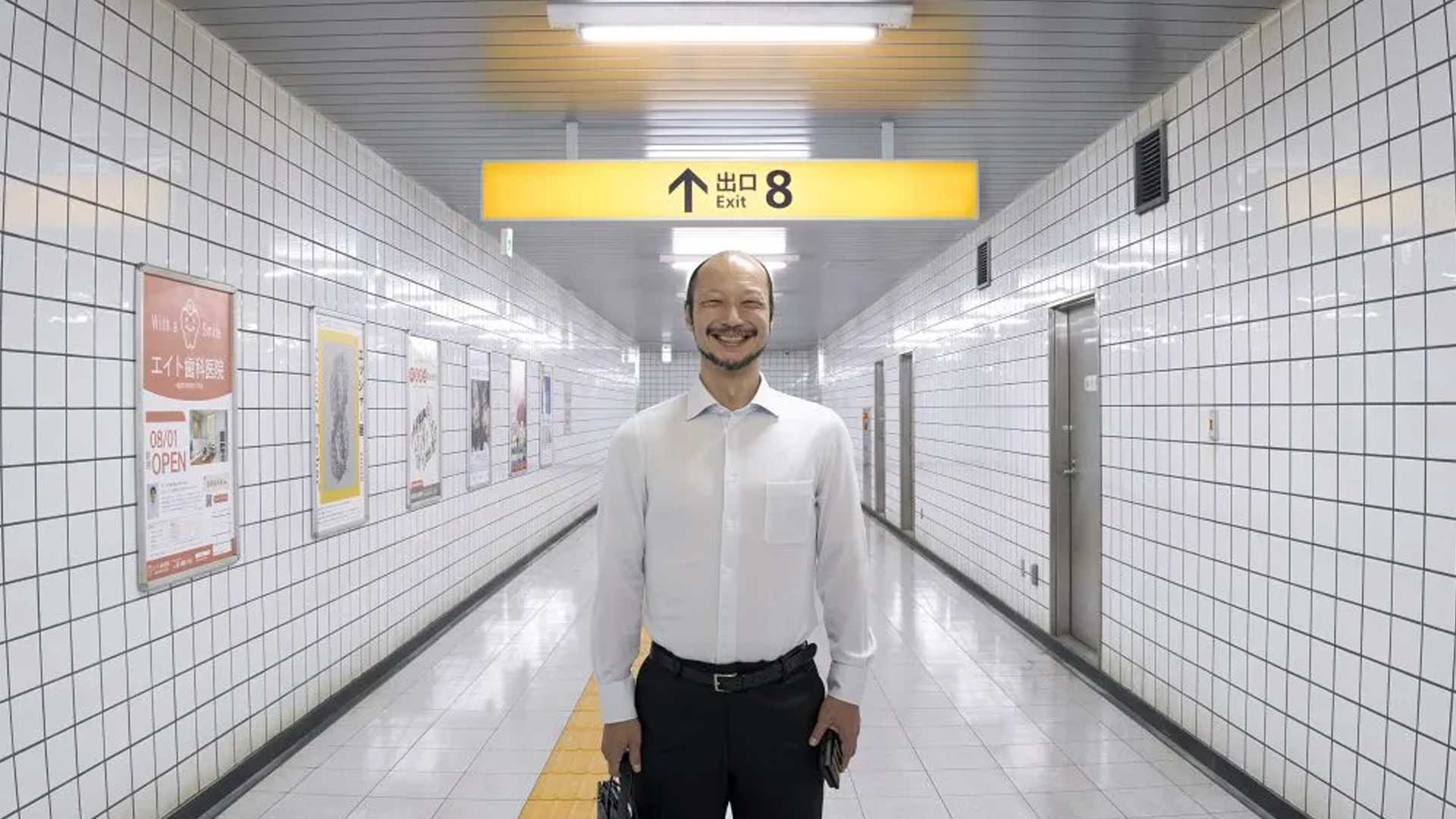
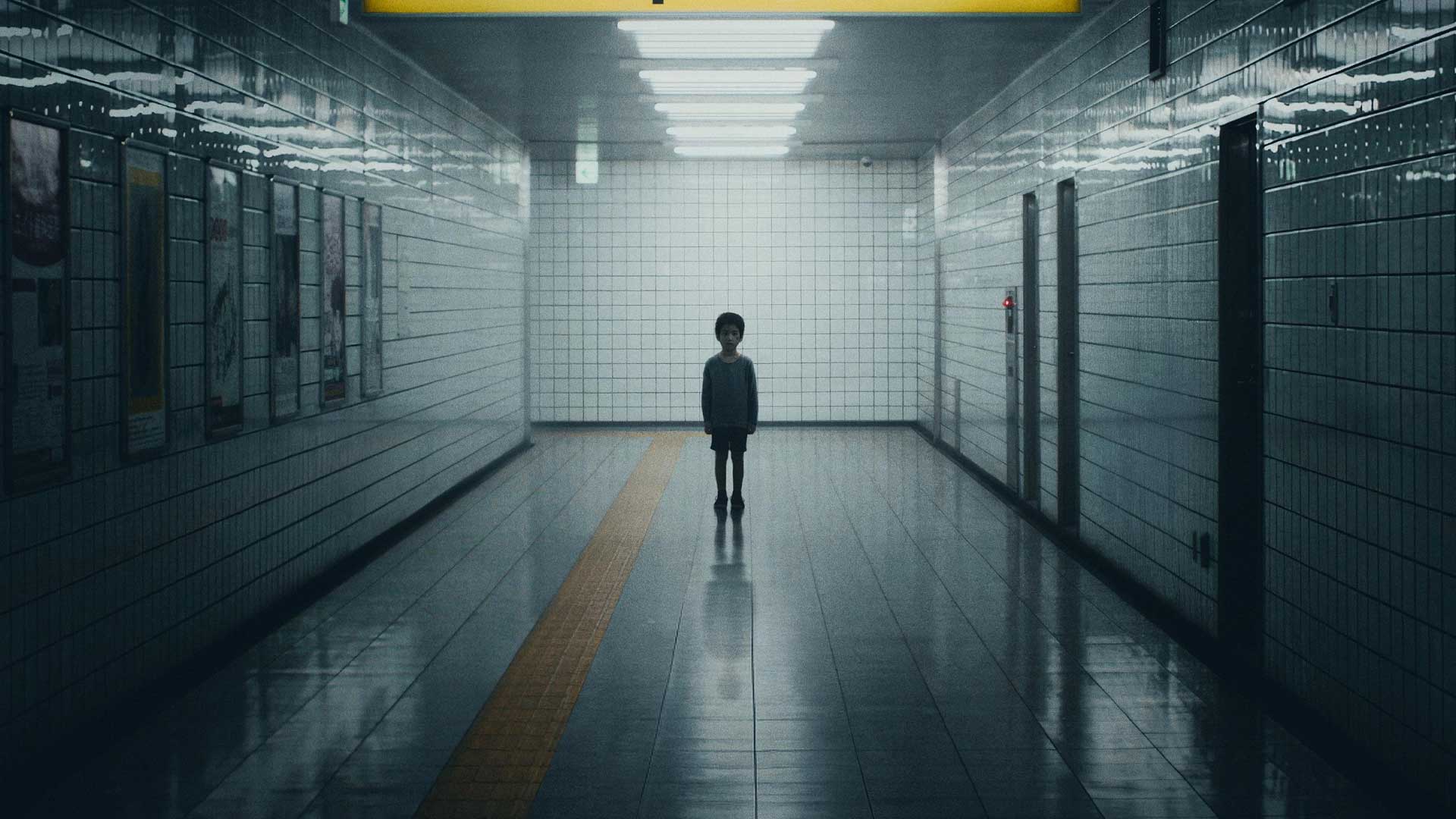
Based on Kotake Create’s 2023 indie 3D walking simulator game of the same name, director and co-writer Genki Kawamura opens with an eight-minute POV stretch of an asthmatic young man (Kazunari Ninomiya) from witnessing a scolding incident aboard the crowded subway train to receiving a call from his ex-girlfriend, and finally, finding himself walking in a seemingly endless loop. The loop in question refers to the quiet subway corridor with no entrance or even an exit in sight. And the only person in sight is the same middle-aged man in formal wear walking past him, over and over again.
Kawamura navigates Exit 8 by breaking the story into three chapters, each of which is morphed into an interconnected puzzle-box structure. He favors slow-burning psychological dread over jump scares-heavy tropes with lots of long takes. He also incorporates elements of surreal imagery, which, at one point, takes a cue from one of the famous scenes in The Shining. Exit 8 was a hit in Japan last year before the international rollout expanded to several countries, including the stateside release in April this year under Neon distribution.
AN AMERICAN WEREWOLF IN LONDON & POSSESSION (1981)
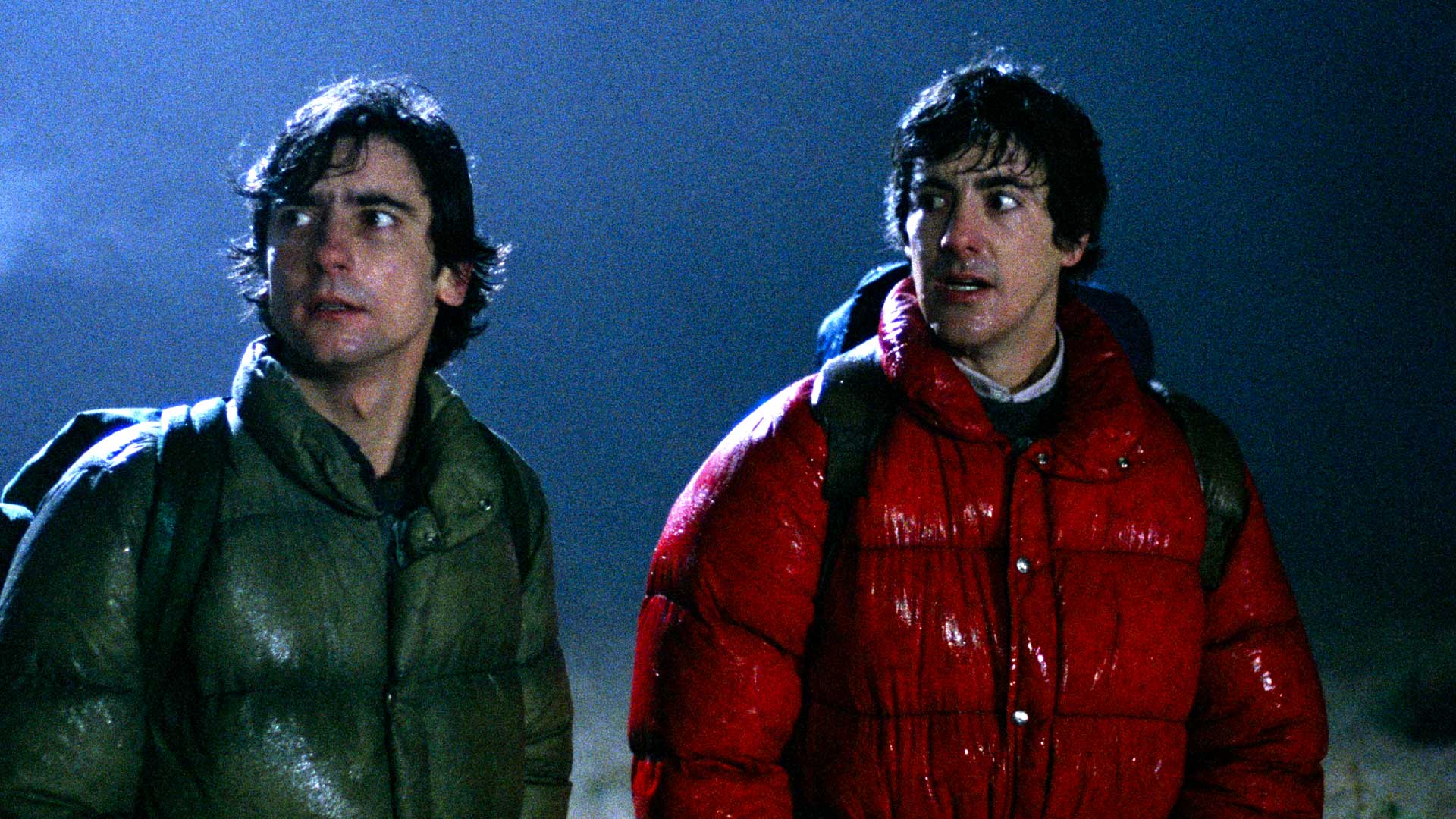
The two horror movies may have been disqualified as subway horror movies, but they incorporate their respective significant subway set pieces that are impossible to ignore altogether. Beginning with John Landis’ seminal werewolf classic, An American Werewolf in London, the movie marks a prime example of how a dark comedy and lycanthropic horror seamlessly blend together that’s both funny and terrifying. At one point, there’s a scene set in the London Underground, focusing on a man alone late at night after disembarking the train. What started as a suspicious noise turns into a heart-stopping chase, resulting in the man attempting to run away as fast as possible. Landis’ camera prowls on this particular sequence with a brief but effective mix of POV angle of the werewolf, making it feel more intimidating as a suggestively unseen stalker.
Contrasting the oppressive chase of An American Werewolf in London is Andrzej Żuławski’s deeply psychological dread of Possession, one of which revolves around Anna (Isabelle Adjani) suffering from a gradual physical and emotional breakdown while making her way through the quiet and wet subway passage. Żuławski fully utilizes the vast emptiness of the subway setting as if Anna is stuck in the realm of darkness beyond reality, escalating from her erratic movement to completely losing control of her body as she loudly gasps and screams. Like a woman completely possessed, the scene is deliberately painful and unsettling to watch.