
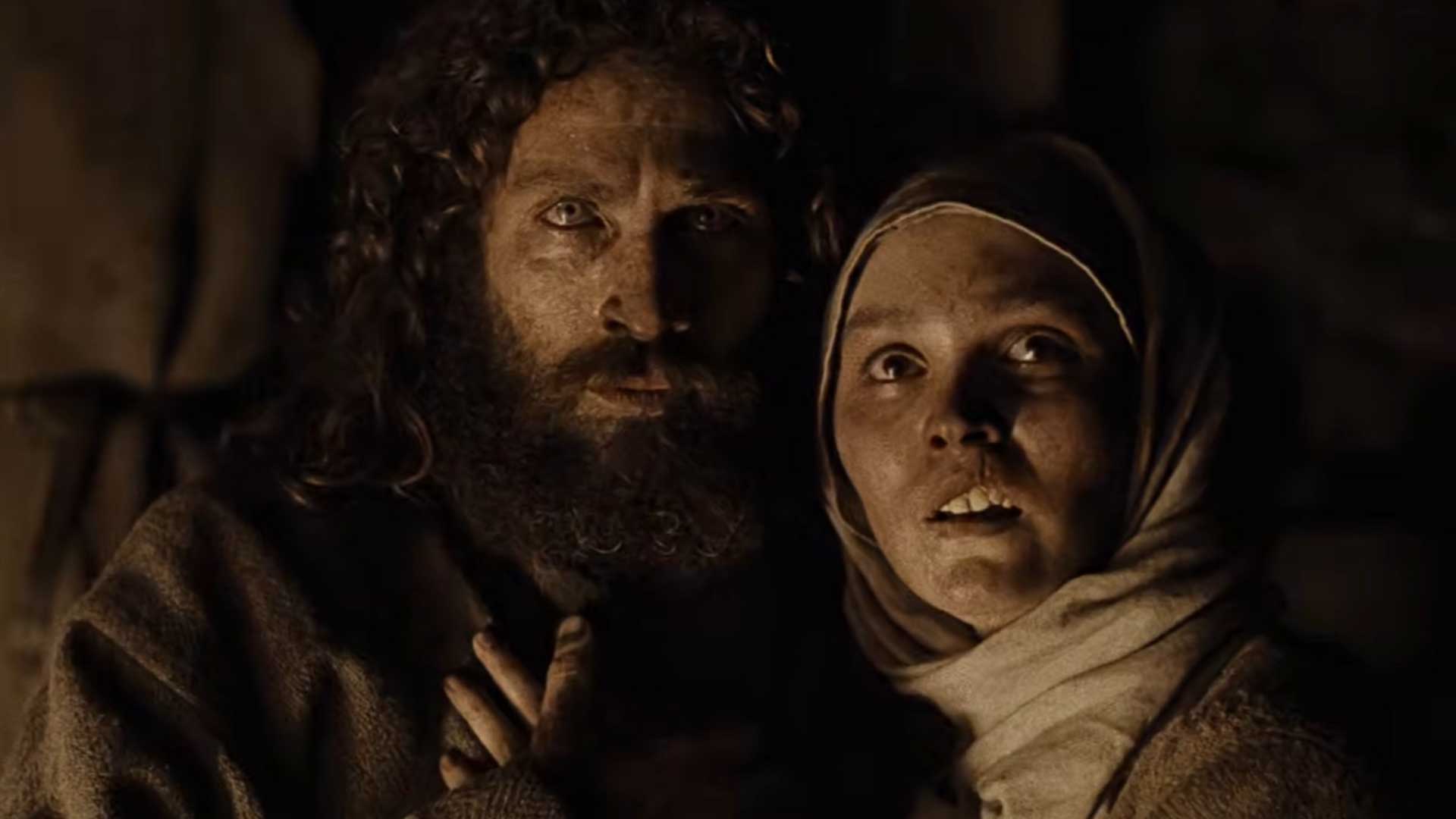


Update: The first trailer for Werwulf has arrived — and Focus Features timed its release to tonight’s full moon. Watch it below.
Speaking with Esquire, Robert Eggers revealed that Werwulf’s dialogue is written completely in Middle English and was developed with the help of two Oxford professors. But the weirdest reveal was that none of the characters in the film actually have names, except, of course, the dog.
If you’ve watched The Witch or The Lighthouse, you’ll be well aware of Eggers’ style by now – which is time accurate and shot with weird lenses and aspect ratios. Werwulf fits neatly into his body of work. It’s set in 13th-century Britain and stars Aaron Taylor-Johnson as a man haunted by transformation. It’s also shot completely on 35mm in Super 35 at a boxy 1.37:1 aspect ratio. Eggers developed a unique grain structure that incorporates black-and-white film texture onto colour stock.
He’s also described the screenplay as the darkest thing he’s ever written – which is pretty scary stuff when you consider just how dark The Witch was.
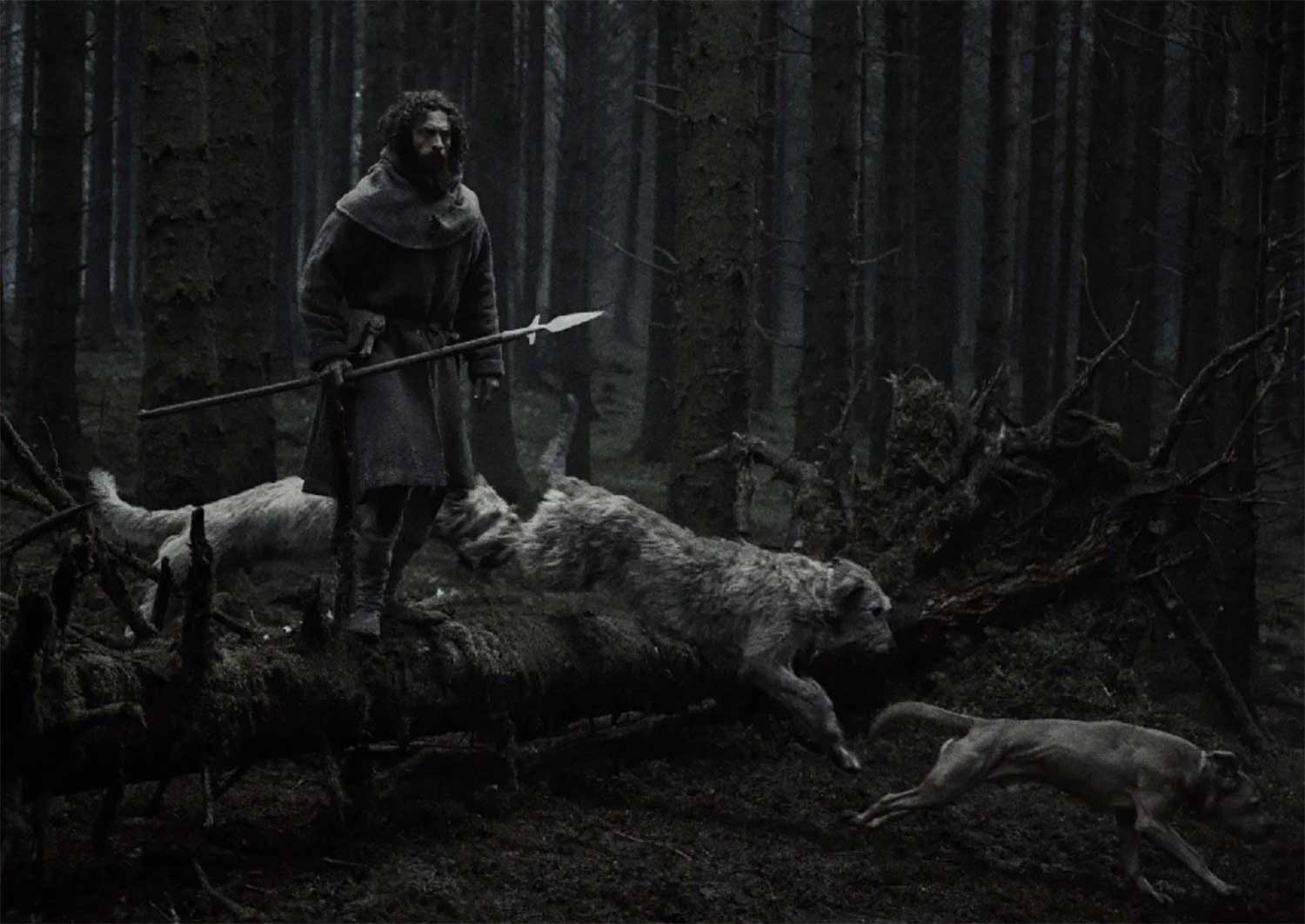
Werwulf, which also stars some of Eggers’ favorite actors like Willem Dafoe, Lily-Rose Depp, Ralph Ineson, and Bodhi Rae Breathnach, arrives December 25, 2026 (another Christmas release), via Focus Features.
None of this news is really surprising. It’s just Eggers being Eggers — which is to say, it’s unlike anything else coming to cinemas in 2026.
Every Generation Gets One Kubrick. Here’s Why Eggers Is Ours
We’ve heard it countless times before – “So-and-so is definitely the next Stanley Kubrick.” It’s an argument film fans love to use to compare their favourite auteurs to one of the greatest minds in the filmmaking industry. And who wouldn’t want to be the next Stanley Kubrick? He directed timeless classics that are still revered by film buffs and filmmakers everywhere.
A filmmaker like Kubrick appears once every generation. Some might say that Quentin Tarantino took that mantle in the ’90s and that Christopher Nolan redefined cinema in the early 2010s. But who’s the next Kubrick now that cinema has seen a drastic shift towards more franchise-based feature films?
For all his achievements, Kubrick isn’t exactly the type of filmmaker you think of when recalling the most memorable horror films. Sure, he directed The Shining, but his take on the Stephen King story is more of a psychological thriller than an overtly spooky affair (something that enrages King to this day.) However, if we look at contemporary filmmakers, horror hound Robert Eggers seems destined to become the Stanley Kubrick of his generation — and for good reason.
Robert Eggers Didn’t Just Change Horror — He Made It Legitimate
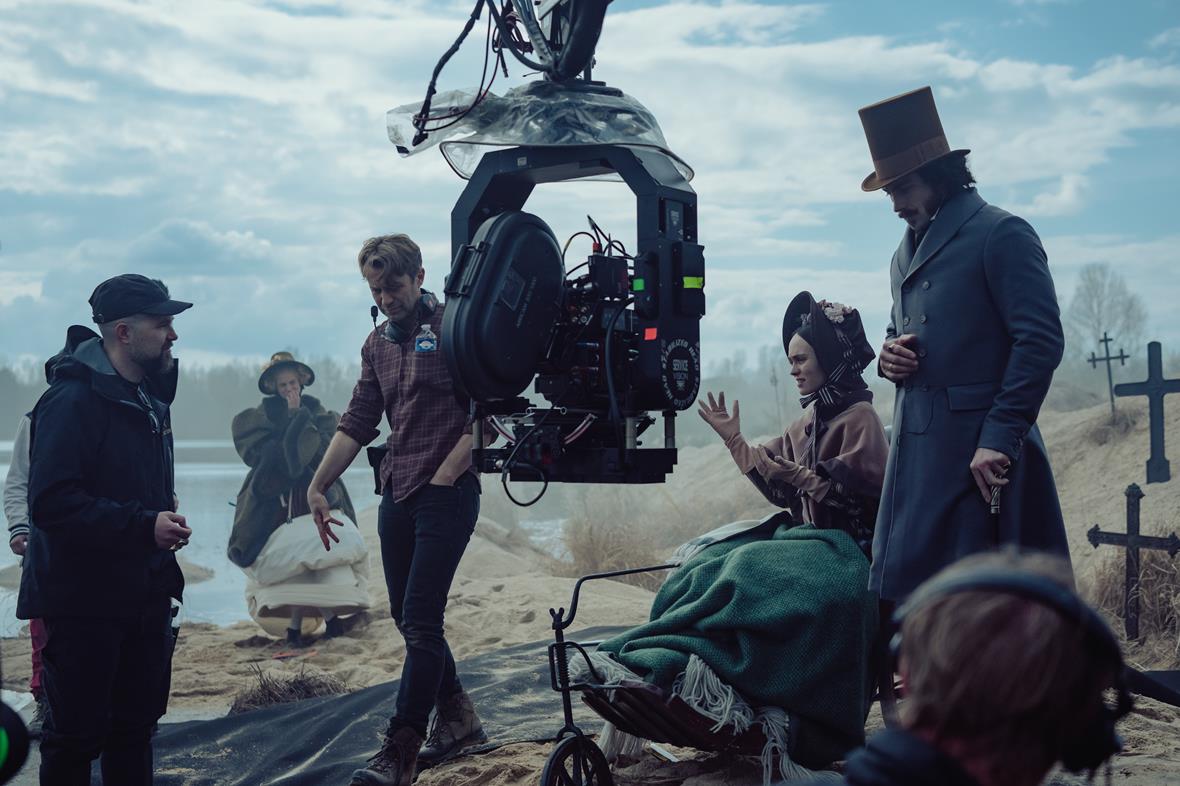
When Eggers burst onto the scene with The Witch, horror cinema was going through a radical transformation. After a decade of spooky found footage films and “haunted house” style shenanigans, horror filmmakers changed their approach to scariness by focusing on slow-burn stories and the power of psychological traumas to tell scarier horror stories.
Modern classics like The Babadook suddenly became all the rage among horror hounds, making something like The Witch irresistible to fans looking for something unlike anything they had seen before. Eggers’ movies were a far cry from the predictable jumpscares of the Paranormal Activity era, that’s for sure.
Seemingly overnight, every horror filmmaker wanted to be the next Robert Eggers – an honour that the director would continue to uphold as he got better with each new film. Where Kubrick used horror for psychological terror in The Shining, Eggers used it as the foundation for something more ambitious: a complete reimagining of what the genre could be. The Witch is to Eggers what Fear and Desire was to Kubrick.
No Two Eggers Films Are Alike. Kubrick Was the Same Way
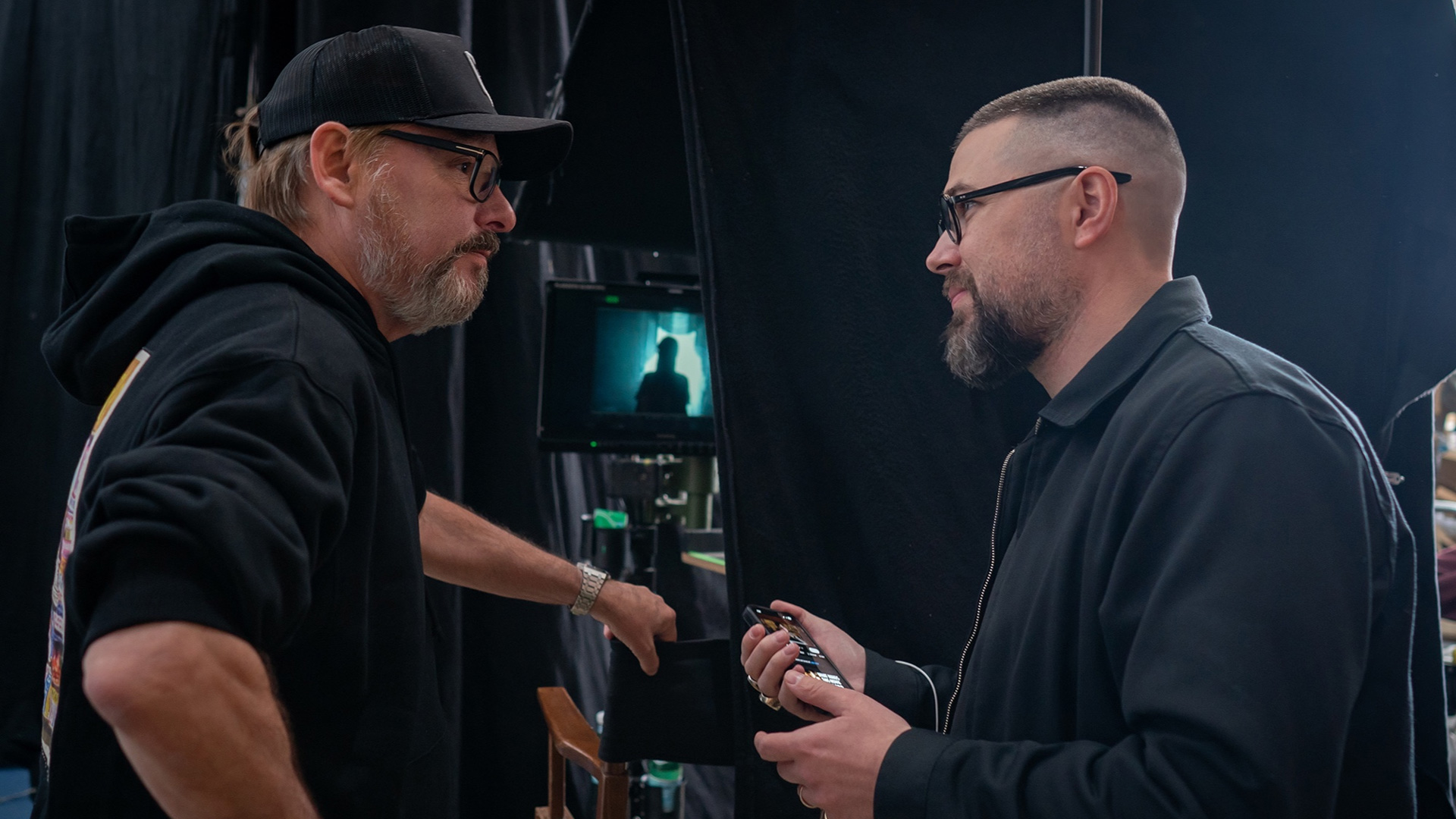
Most filmmakers would find a niche or a style that fits their working process and stick to it ad infinitum. Something that makes Eggers an oddity among his peers is that you never know what he might be planning for his next movie. Not every filmmaker jumps straight from a claustrophobic psychological horror like The Lighthouse to a historical epic like The Northman like it’s nothing. That’s something only someone like Eggers could do.
Even among his contemporaries like Ari Aster, Eggers’ fine eye for detail makes him a standout visionary in modern cinema. Where Aster excels at emotional devastation and surreal imagery, Eggers approaches each project with an almost academic obsession for historical accuracy and period-specific authenticity.
The parallels with Kubrick become sharpest here. Match The Lighthouse against 2001: A Space Odyssey — both films trap their protagonists in a hostile environment and use confinement to excavate something primal about the male psyche. Match The Northman against Barry Lyndon — both are painstakingly researched period epics that sacrifice commercial appeal for historical immersion. And match Nosferatu against The Shining — both films take a well-known horror property and transform it into a meditation on obsession, desire, and the darkness that lives inside the people we love.
Now comes Werwulf. Set in 13th-century England, spelled the Old English way, starring Aaron Taylor-Johnson, Willem Dafoe, and Lily-Rose Depp, with period-accurate dialogue translated and annotated from the source material. Kubrick once insisted on shooting Barry Lyndon entirely by candlelight. Eggers is spelling his film’s title the way a medieval scribe would have. The obsession is the same. Only the century changes.
It’s the same passion we saw in Kubrick’s work, only here it works to elevate horror films into works of art.
In an Industry Built on Franchises, Eggers Is the Last True Auteur
In an industry that puts profit over artistry, filmmakers like Eggers are becoming increasingly rare. I think it’s no exaggeration to say that he might be one of the finest auteurs in the industry today – especially after we saw what Francis Ford Coppola did with Megalopolis.
Horror used to be the “cheap” genre. Aspiring filmmakers flocked to the genre as it was easy to make and always guaranteed to turn a profit. But Eggers showed us that horror could transcend these commercial constraints and become a legitimate form of artistic expression. Through his meticulous craftsmanship and unflinching commitment to authenticity, he transformed primal human fears into haunting meditations on the human condition.
Kubrick never repeated himself either. From Spartacus to Dr. Strangelove to A Clockwork Orange to Full Metal Jacket, each film was a genre unto itself. Eggers is building the same kind of filmography. He hasn’t made a franchise film. He hasn’t made a sequel. Every project is a risk, and every risk has paid off.
We’ve been waiting for the next Kubrick for decades. He’s been making films since 2015. He’s arriving at Christmas. Again.