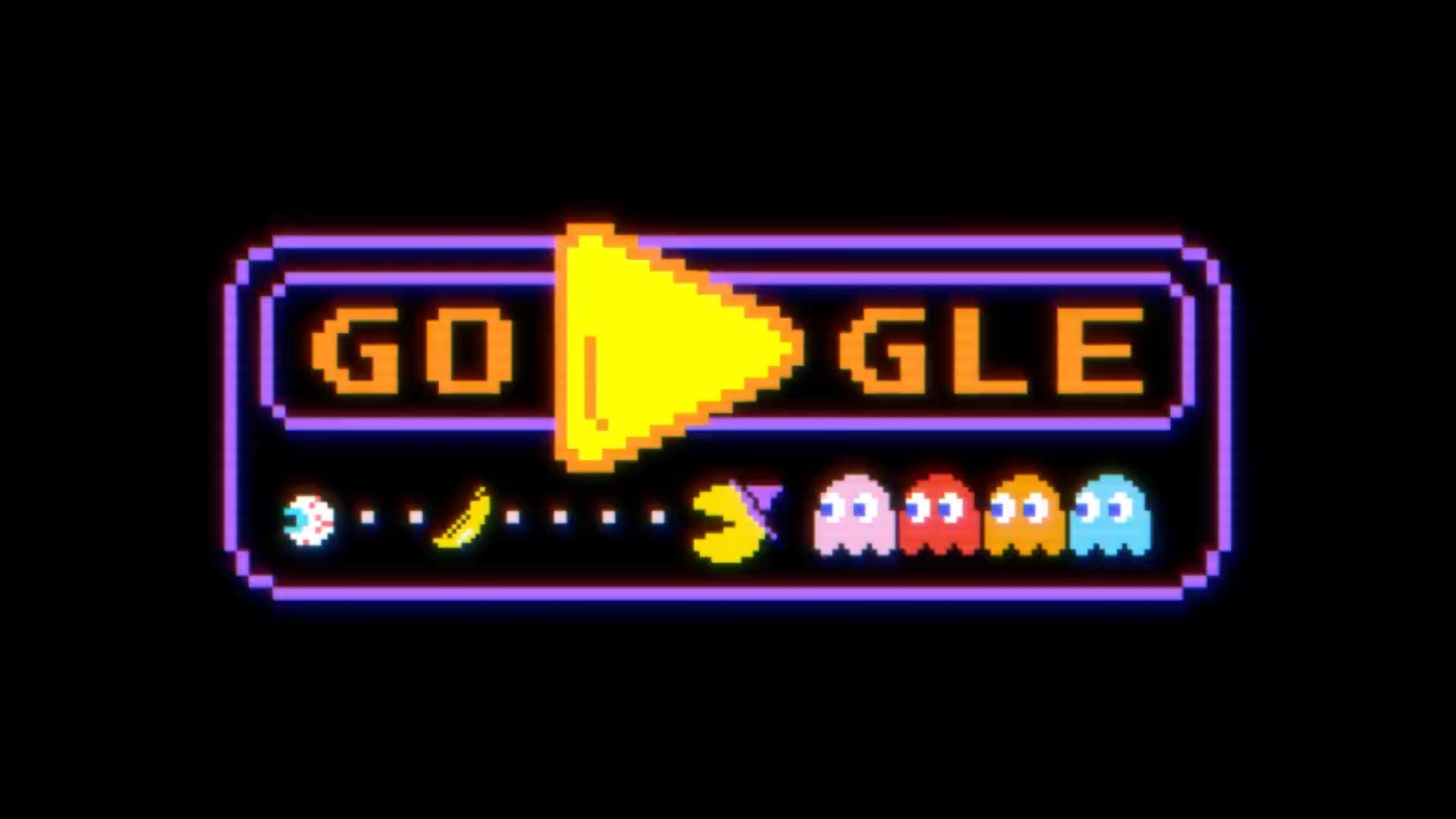


Play the classic Pac-Man game and relive your childhood memories with Google’s interactive playable Easter egg version — still free, still addictive, and still one of the best things hidden in a search bar.
As one of the most instantly recognisable games ever released, Pac-Man (Pac-Man’s name was originally Puck Man in Japan but had to be changed for distribution purposes) is a true testament to the impact video games can make on a generation of players. As an ode to the iconic arcade game, the Pac-Man Google Doodle was brought to life in 2010, celebrating its success since its original release in the early 1980s, becoming the world’s leading game of that year.
Bandai Namco Entertainment America Inc. also remastered the game for new consoles. So the world can continue to enjoy the classic arcade game all these years later.
The History of Pac-Man
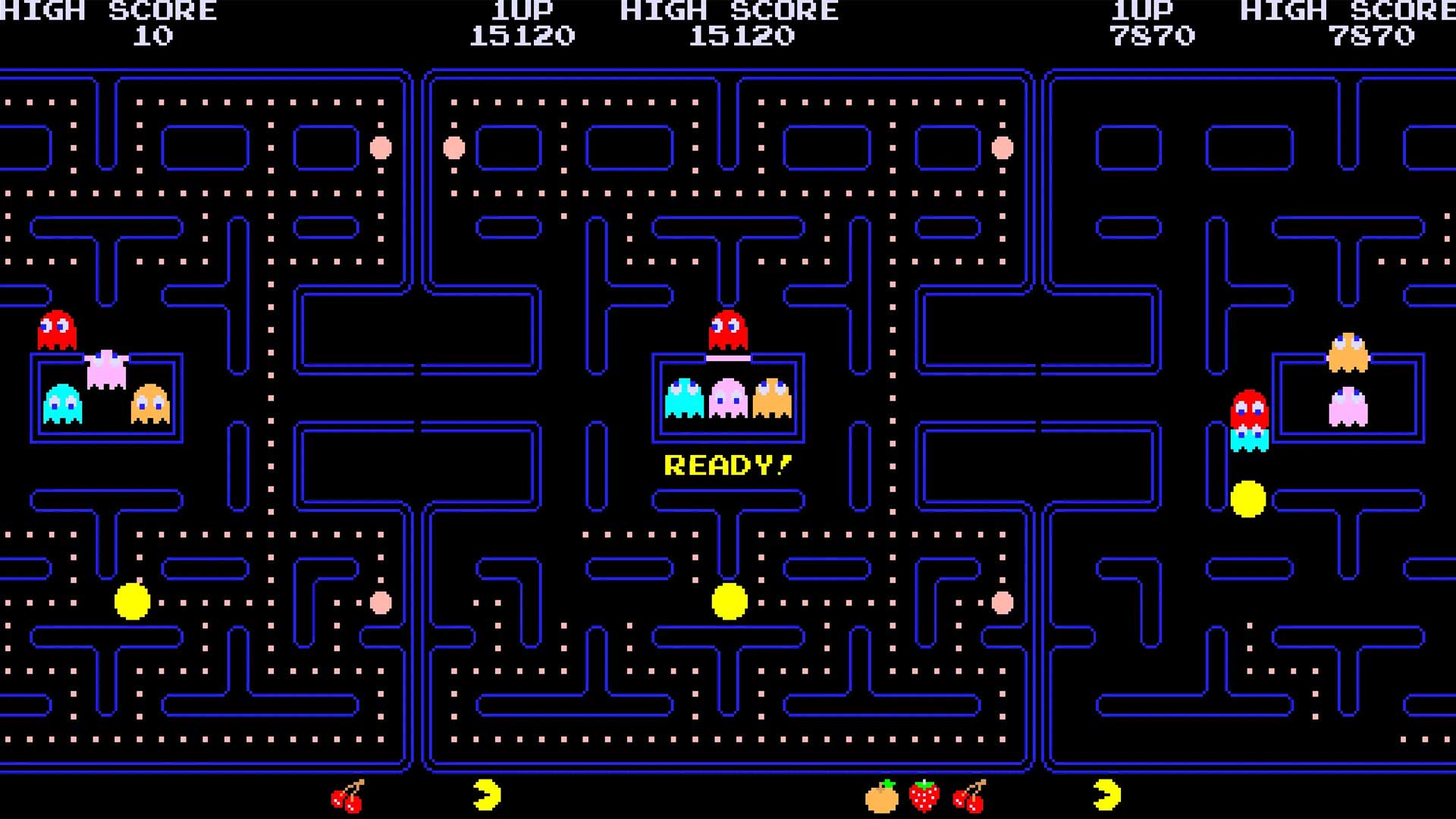
For a game that follows a yellow ball eating and running away from ghosts, it has sure made its mark with gamers. The pop culture icon was created by a young video game designer named Toru Iwatani, a visionary well before his time.
According to him, when he first began drafting the title, “arcades were filled with violent video games that had you killing aliens.” Toru Iwatani was already in the industry at this time, working for Namco. He further described the arcades as gloomy places where only boys wanted to hang out. Therefore, he set out to fight that stereotype by creating a game that women and couples could also enjoy, and for beginners in general.
And he did just that. Pac-Man was the first video game that brought women into the arcade to play at the cabinet (the arcade machine), because it was something that they felt comfortable playing in an environment that was dominated by pinball machines and boys. Little did Iwatani know that he would be making video game history.
Who Created Pac-Man and Why
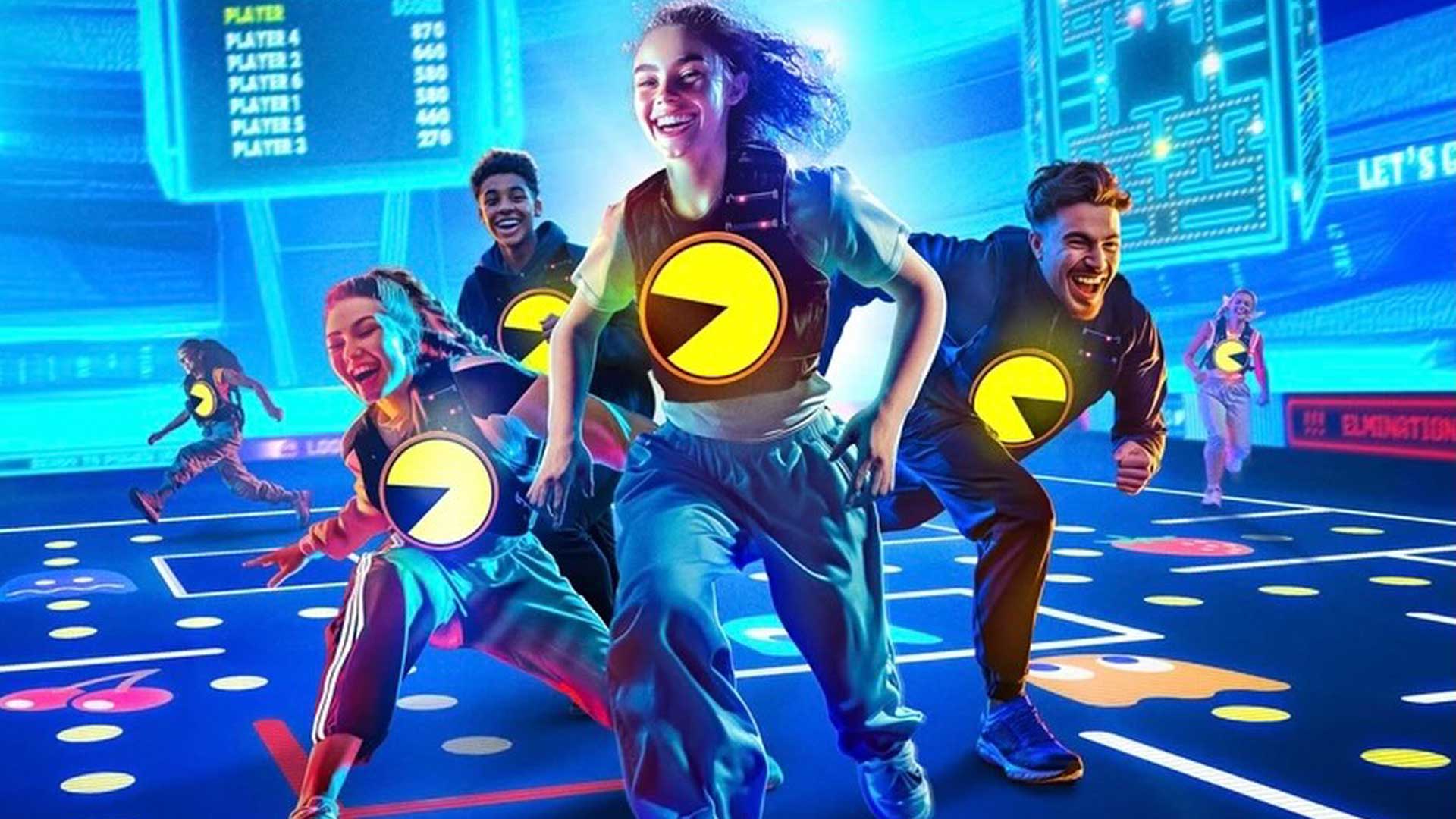
As for the design of our main character, well, Iwatani claims that staring at a Pizza inspired the iconic shape we’ve got. The pizza was missing two slices, and this resembled a mouth to Iwatani, so he decided to create “Pakkuman”, a character that is an onomatopoeic reference to the Japanese term “paku-paku taberu”. The term is usually used to describe the sound made by your mouth when it is opened widely and closed in quick succession, which became the iconic “paku paku” noise that we hear today in this perfect game.
It’s a brilliant way to come up with a character, and that type of inspiration still holds up today, really speaking to the innovative design and fun of Pac-Man. Rather than making our little pizza-slice boy fight off some menacing alien invaders or terrifying creatures from deep below, Pac-Man is really just running away from four ghosts. While this doesn’t sound like an intimidating adversary, the gameplay still invokes a real fear of getting caught off guard and losing a life to one of these guys.
Pac-Man’s signature move is his wide mouth. With this as his only weapon in the arsenal, players need to strategically chew their way to victory and Iwatani designed the game in such a way that Pac-Man could chomp away at pills, fruits and power pellets, sometimes known as a power pill.
In North America, the classic game was released by Midway Manufacturing (Midway Games) as part of its licensing agreement with Namco America in the United States. It went on to become a global phenomenon and one of the most successful classic arcade games and video games of all time. The original Pac-Man went on to become a cultural icon that changed the gaming industry forever — spawning a board game and card game, comics, Saturday morning cartoons, TV shows, online games, stationery, lunch boxes and more. Even the game’s sound effects has revolutionised pop culture.
Midway also went on to create later games like Ms. Pac-Man, a hit that also took the pop culture world by storm, and only feeding into the Pac-Man fever that surrounded the arcade classic. Since then, there have been cries from the community to bring Ms. Pac-Man back, and it looks like the next anniversary doodle could do just that.
The release of Ms. Pac-Man caused a bit of an uproar with Namco as the distribution went against their terms of service, but it seems they have sorted things out. Midway also produced Super Pac-Man. While still keeping the same iconic Pac-Man character, almost everything else in the game was changed, including new modes. In this version, players had to eat keys that opened doors to where their ‘fruit’ was, the basic ‘coins’ that had to advance to the next level where the fruit is worth extra points. While Pac-Man was the first character in the Pac-Man world, they went on to include others like Professor Pac-Man, Baby Pac-Man and other playable characters.
With each anniversary, they seem to be adding to the game, adding difficulty modes, tournament mode, themed events, new mazes (of course, keeping the original mazes), exclusive skins, weekly maze challenges, Story mode, Pac-Man battle royale, adventure mode, classic 8-bit arcade mode and so much more. You can access these and many more in the Pac-Man Museum+ created by Bandai Namco to showcase all of the great games that they have developed in Pac-Man’s image since the late 1970s.
How Pac-Man Works
Like most computer games in the 80s, Pac-Man was primarily made for the arcade, so the game was played with a joystick or keyboard arrows on PC. The goal of the game is to move Pac-Man’s character around the screen to consume the 240 dots (coins). To achieve this goal, players need to make inputs to change the direction of Pac-Man who is perpetually in motion. Oh, and of course, to try and get the high score.
The four ghosts (who have their own names by the way) are Blinky (red), Pinky (pink), Inky (light blue), and Clyde (Orange). While you may be familiar with the ghosts as AI that simply chase you, you might be surprised to find out that each of these four have their own attack strategies.
Each of the ghosts will always be in one of three modes: Chase, Scatter or Frightened. Yes, you read that right, frightened. But that info will really feel like bait in the heat of the moment because you can never instantly tell what strategy a ghost is using.
Still, according to some Pac-Man enthusiasts, these are some traits of each ghost.
The Four Ghosts and Their Strategies
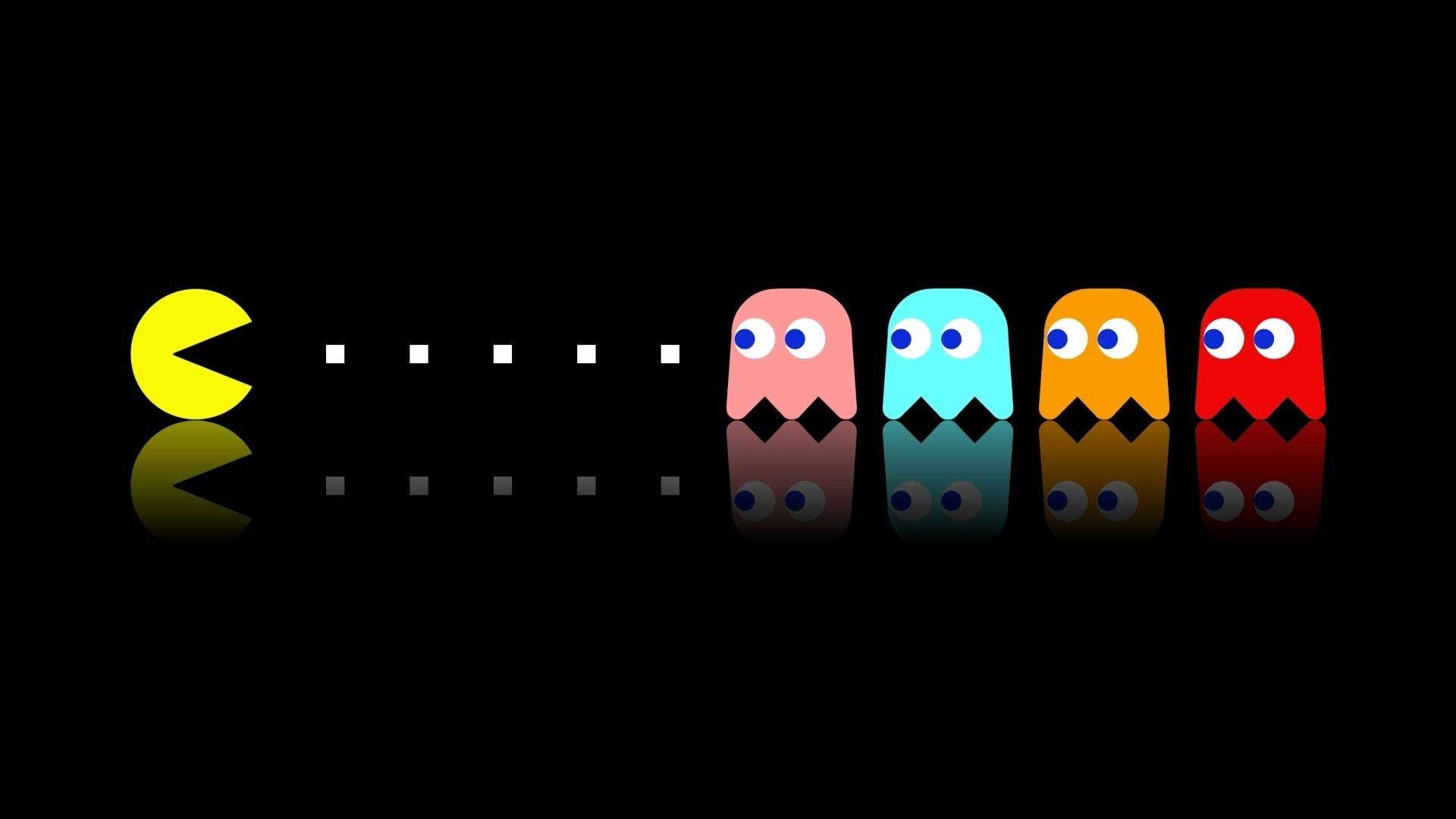
Blinky (red): Also nicknamed Shadow, he favours trailing behind Pac-Man, but his strategy changes to cruising at Pac-Man’s speed and even faster once you’ve eaten a lot of dots.
Pinky (pink): She follows Pac-Man’s direction but doesn’t directly follow Pac-Man himself. Instead, she will manoeuvre around the closest walls in order to catch you off guard and take him out.
Inky (light blue): Inky might perhaps be the most dangerous of all the ghosts because he is a wildcard. His strategy is a mixture of every other ghost, so he can be extremely dangerous.
Clyde (orange): Clyde has the nickname ‘pokey’ thanks to his strategy of leaving the box and heading to Pac-Man but changing directions shortly after for a “scatter” phase. He is particularly dangerous in the lower left part of the maze.
The Impact of Pac-Man on Gaming
The Pac-Man game can be attributed as an inspiration behind the use of Power-Ups in video games and how they motivate players to think strategically. We can also attribute the popularity of cutscenes to the iconic game, as they never really existed until this game came along. Most importantly, Pac-Man introduced game designers to the real importance of the main character and how they can create a staple in gaming.
William James Mitchell Jr., known to his friends as Billy Mitchell, was the first person / Pac-Man fan to claim a perfect score of 3,333,360 points (the highest score possible) on the Pac-Man video game.
How To Play Pac-Man on Google Right Now
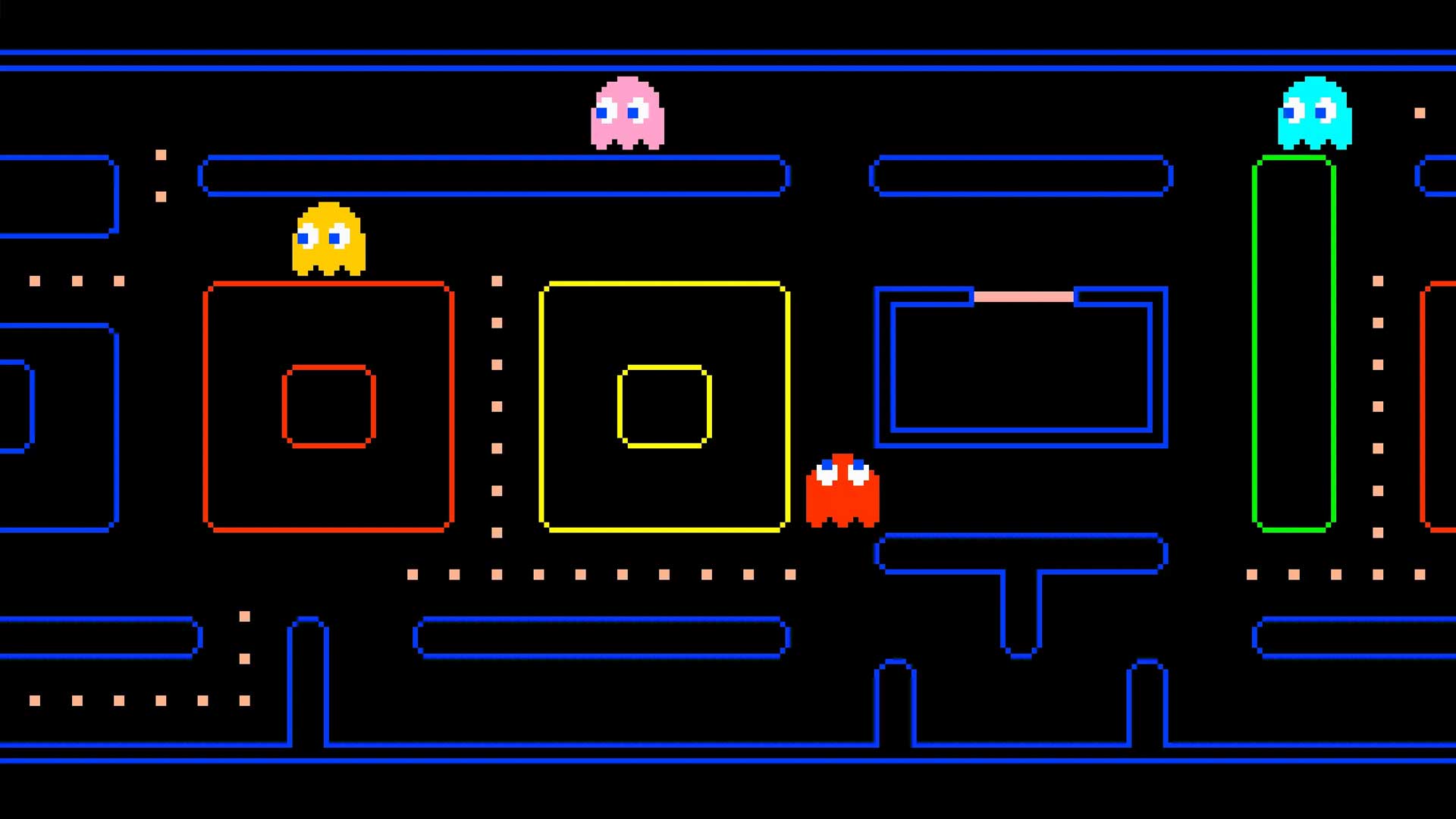
One of the more interesting Easter eggs to have come out of the Google Doodle feature has to be their addition of the full Pac-Man game.
Today, all you really need to do is open your Google Chrome Browser and type in “Pacman” from your search bar to get a view of the Google Doodle (in other words, Google Pac-Man). Following this, simply click on the button that says “I’m Feeling Lucky”, sometimes depicted as an insert coin or simply “Play” and you’ll be presented with a new game at a beginner level that was never present in the original game. This level is a way for Google to show off its hard work in creating the doodle. If you wait long enough, the game will just start up on its own, and players can move Pac-Man with the arrow keys.
It looks like they have been adding to the retro arcade game, making it possible to access a multiplayer mode that allows for two players. To access this, you go to Pacman online and click two times. The second player will be able to move their own Pac-Man with the WASD keys, while the first plays as normal with the arrow keys.
On Mobile, the steps are pretty much the same — you will need to open Chrome on your phone and type in the search bar “Pacman” and here you will also be presented with the “PAC-MAN Doodle” right at the top of your search results. Tap Play to begin enjoying the first level. Mobile users control Pac-Man simply using swipe gestures. The benefit of the Google Browser version of Pac-Man is that it is still free today.
Namco Limited’s PAC-MAN video games (including the original Pac-Man game) are now accessible or available for download on all major gaming consoles and platforms, including the PlayStation 5, Xbox Series X, as well as the PC (STEAM), Nintendo Switch, Apple iOS devices (via the App Store), and Android devices (via Google Play Store).
RELATED: You Can Now Step Inside Pac-Man in This Real-Life Gaming Experience