




There’s no doubt that nostalgia has been a huge part of Hollywood’s strategy in recent years. Films like Beetlejuice Beetlejuice, Twisters, Bad Boys: Ride or Die, and even the recent Masters of the Universe prove that. But not everyone is happy about it. Luca Guadagnino, the director behind 2024’s Challengers, has a thing or two to say about, even classifying Steven Spielberg’s upcoming sci-fi film Disclosure Day in the same category. And that’s not a compliment.
Speaking at Il Foglio’s Innovation Festival, Guadagnino said that Spielberg’s 2026 movie was simply a product of an industry running on borrowed memory rather than original ideas. “Disclosure Day is part of the economy of nostalgia,” he said. “The whole imagination is built up on nostalgia and therefore how to move inside ourselves the entrails of what we think we’ve lost, and find it again.”
And you can sort of see where he’s coming from. Spielberg has a history of making sci-fi alien films like Close Encounters of the Third Kind, War of the Worlds, and, of course, E.T. the Extra-Terrestrial. Still, I’m not sure that it’s fair to classify a film with an original screenplay from David Koepp and Spielberg himself as nostalgia. Yes, he’s done alien movies before, but does that mean he can’t do any more?
Guadagnino, a director whose recent work, which includes Challengers, Bones and All, and Queer, is almost entirely set in the present day, doesn’t make films set in the past. So when he looks at Spielberg returning to alien-encounter territory he first explored with Close Encounters of the Third Kind in 1977 and E.T. in 1982, he sees a pattern. Why else is Spielberg returning to the subject in 2026?
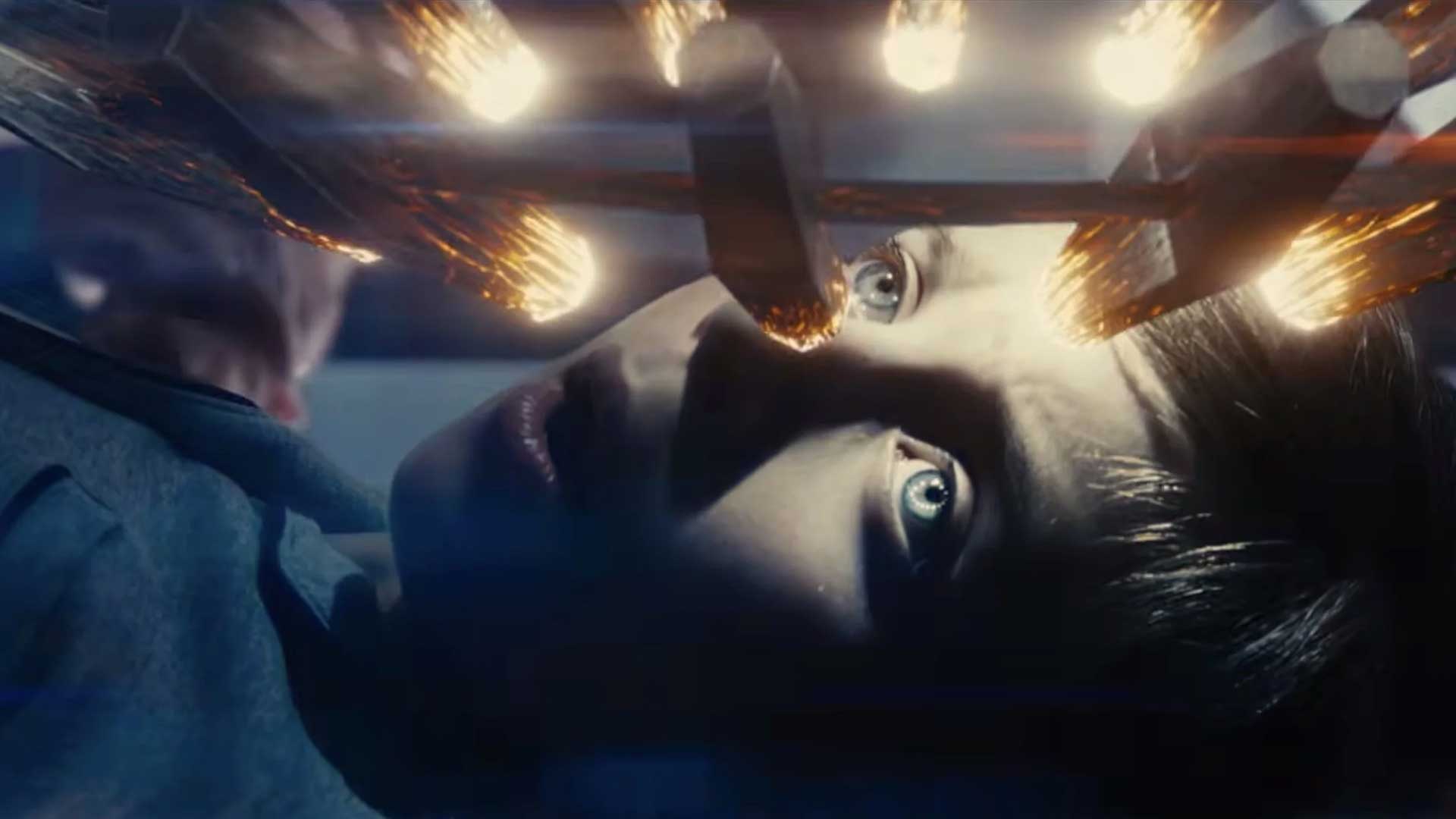
Well, there are actually plenty of reasons he should. Firstly, there’s the ongoing Presidential unsealing of the UFO files beginning in May 2026. Secondly, Spielberg seems to have actual knowledge about aliens and the questions around them. Thirdly, with the updated technology (VFX, etc), he could go deeper without the budget restraints. And lastly, nobody else is making big blockbuster alien films right now.
But Guadagnino didn’t stop with his complaints about Disclosure Day. He made a similar call about Top Gun: Maverick, which grossed over $1.5 billion worldwide in 2022 and earned six Oscar nominations, including Best Picture. Guadagnino watched it during production on Challengers and walked away unimpressed. “I remember when I was making Challengers, I went to see Top Gun: Maverick in a packed theater. It was huge for thousands of people, and it was a very bad movie. But at the same time people were screaming, throwing popcorn, they were very happy because the economy of nostalgia right seems to be the only commodity that can be dominated by all types of markets.”
But maybe that last line reveals the real problem here. It’s not that Guadagnino actually thinks nostalgia-driven films are artistically worthless. It’s that he sees nostalgia as the dominant commercial currency in modern Hollywood right now. His argument is that audiences loved Top Gun: Maverick not because it was good but because it made them feel something they recognised from before.
Well, that is both true and false. Top Gun: Maverick did do that, but I’d argue that it was also just a really good movie that came along at the right time.
But yes, Hollywood has definitely leaned on legacy IP so heavily that it’s become the default rather than the exception. We’ve had requels, reboots, and legacy sequels in rotation over the years. It’s become a safety net.
But sometimes the net breaks. Just look at 2026’s Masters of the Universe, which opened to just $54.3 million worldwide against a reported $200 million budget. The nostalgia was there. It was laid on thick. But the crowd didn’t show up. And the very same thing happened with Mortal Kombat II.
So Guadagnino’s theory isn’t completely untrue. The question is whether Disclosure Day fits that label. According to early reviews, however, it doesn’t.
Disclosure Day is actually Spielberg’s 37th feature. And while nobody wouldn’t been mad at him for making Close Encounters of the Third Kind 2. He didn’t. It’s a completely original work – which he wrote on his iPad, by the way.
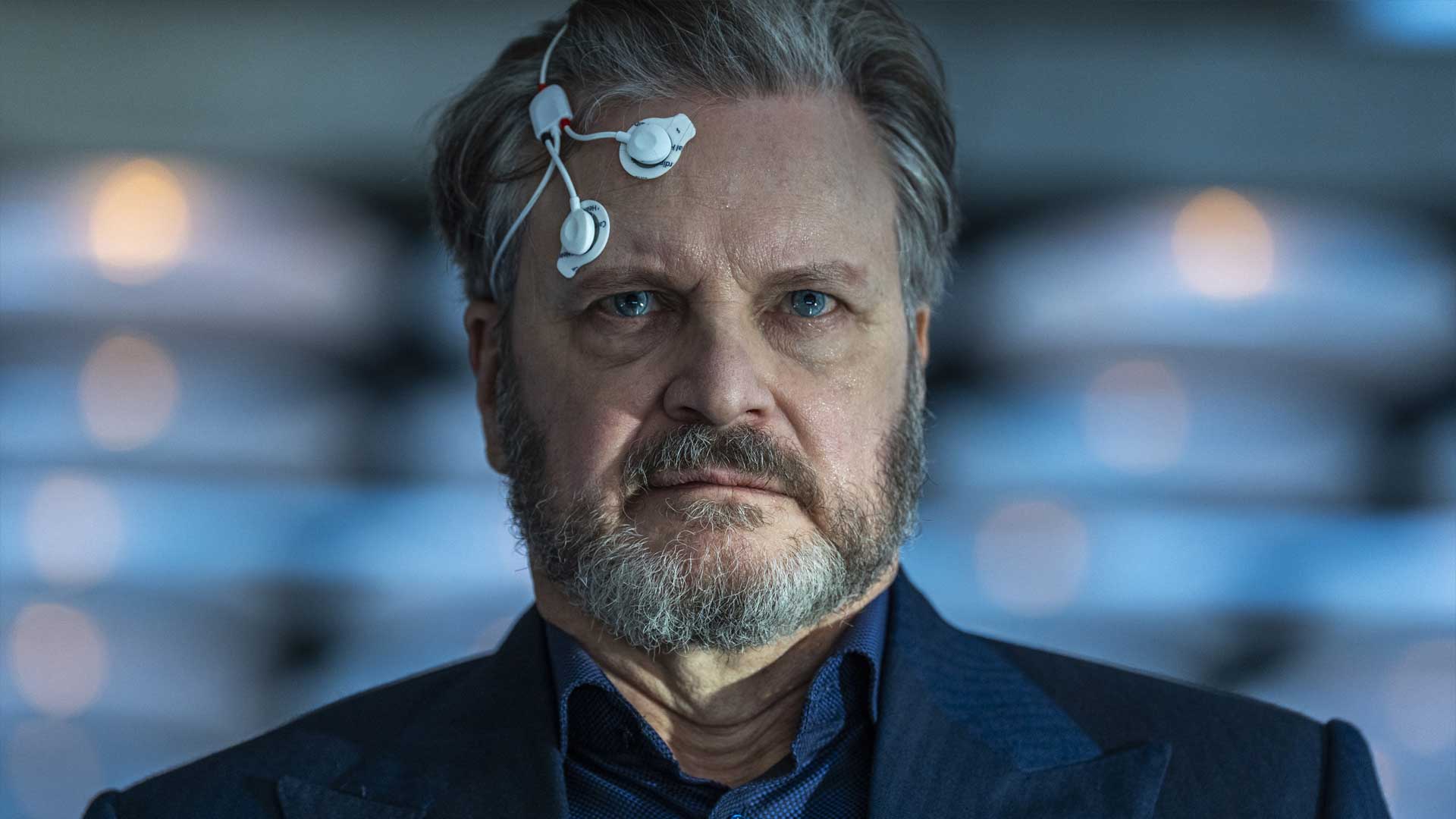
Emily Blunt stars as a Kansas City TV meteorologist who is overcome by a mysterious extraterrestrial force while taping a live weather segment. Josh O’Connor plays an alien-life believer determined to get the truth out to the world. Colin Firth, Eve Hewson, Colman Domingo, Wyatt Russell, and Henry Lloyd-Hughes round out the cast. No, that doesn’t sound like Close Encounters of the Third Kind 2.
Critics who attended press screenings in late May 2026 did not sound like people who’d just watched a nostalgia exercise either. Gizmodo’s Germain Lussier called it “a dense roller coaster ride blending chase film, love story, and mystery” and described it as “Spielberg’s best film in 20 years, filled with all the magic that makes his films so special, plus an all-time character and performance by Emily Blunt.” Collider’s Editor-in-Chief Steven Weintraub wrote that Spielberg had “delivered another towering home run” and urged people to go in knowing as little as possible.
Other reviews have pointed out that Disclosure Day isn’t really about aliens at all. The extraterrestrial elements just function as a backdrop for Spielberg’s long-standing preoccupation with human connection across difference and circumstance. Which is, when you think about it, exactly what E.T., Empire of the Sun, and Schindler’s List were about, too.
Guadagnino might be right that Disclosure Day does reach back into something familiar. Whether that makes it a nostalgia product or a director returning to themes he genuinely hasn’t finished exploring is a harder call.
Disclosure Day opens June 12, 2026.