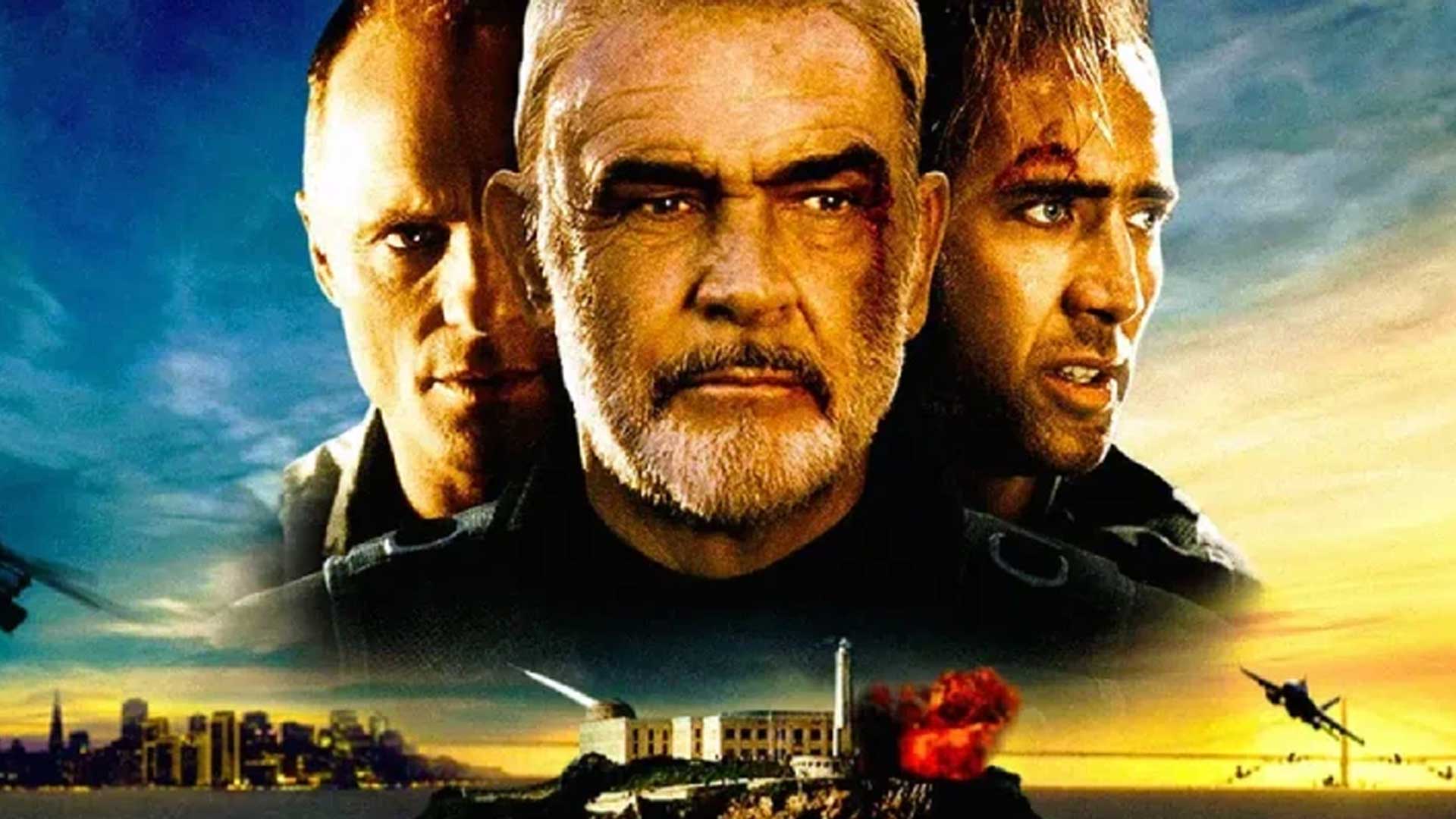


Every Michael Bay film you have ever watched was built on the foundation of The Rock. Released in 1996 on Alcatraz, with Nicolas Cage running from explosions in a Ferrari, it contains every trademark Bay would go on to repeat for the next three decades – only here, for the only time, every single one of them works. Thirty years on, nothing he made after it has come close, and nothing suggests that’s about to change.
Where The Bayhem Began
Mention the name Michael Bay; his direction is synonymous with his excess of cinematic mayhem, or better known as “Bayhem” – a portmanteau blending the director’s surname and the word mayhem. A term that describes his high-octane directing style, covering from rapid-fire editing to high-contrast cinematography, 360-degree camera pans, and a whole lot of explosions and pyrotechnics. It works well in some of his mainstream Hollywood blockbusters, such as the first two Bad Boys movies, Armageddon, and Transformers.
But his excess also resulted in overwhelmingly bloated messes like 6 Underground and the hyper-sensory assault of Transformers: The Last Knight. Bay’s filmography may have been a mixed bag, but his ’90s era was at his peak, in his most coherent form, with three consecutive creative and financial successes: Bad Boys, The Rock, and Armageddon.
Die Hard in Alcatraz – And That’s a Compliment
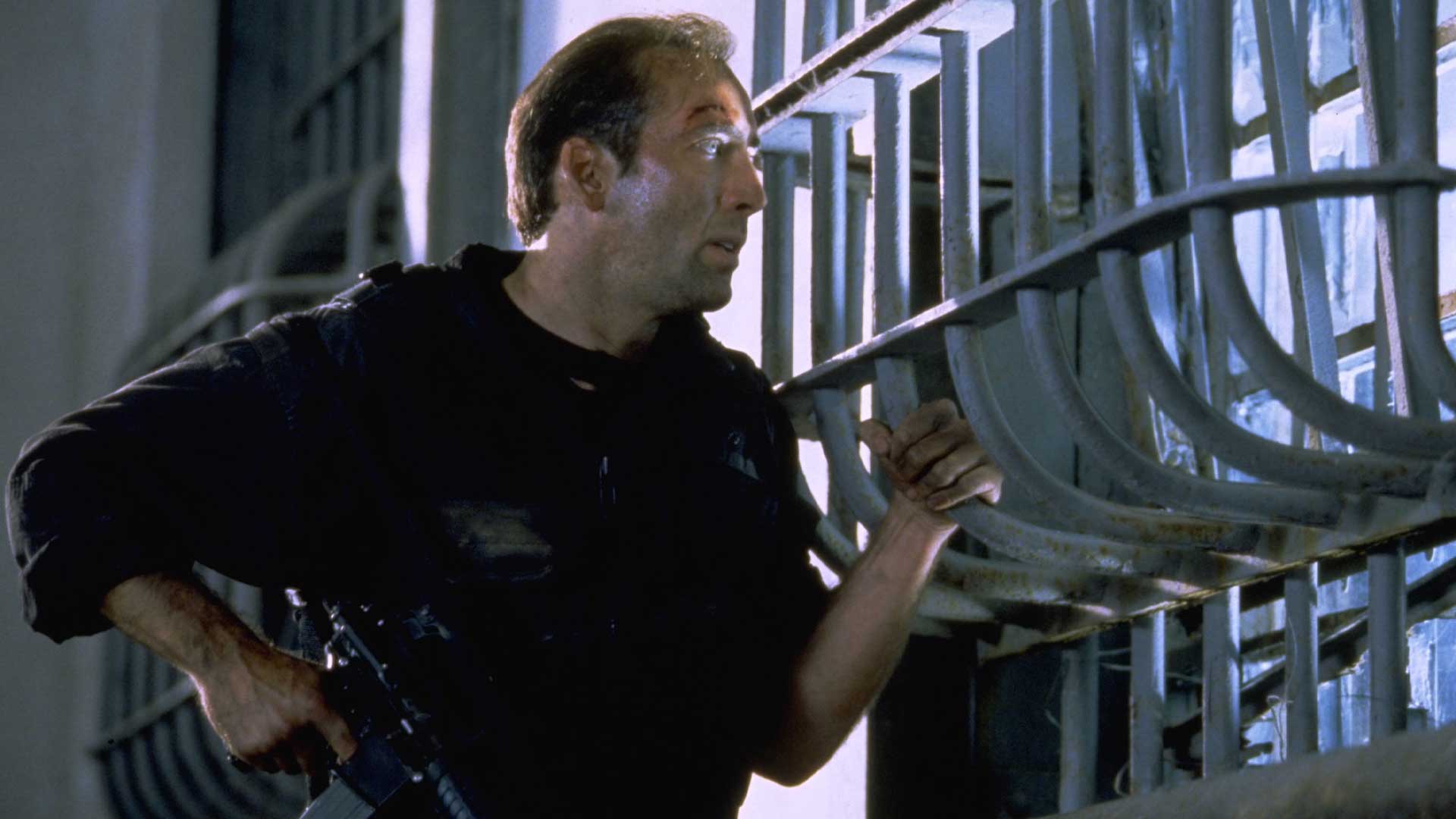
The Rock marked the first time Bay was given a blockbuster budget – $75 million, to be exact – a far cry from the lowly $19-23 million previously spent on his 1995 breakthrough, Bad Boys. With more production money at his disposal, the budget allowed him to stretch his directorial flair, meaning he got to blow more stuff up and offered plenty of firepower. The story may have been another Die Hard-like situation, a popular action-movie template at the time made famous by John McTiernan’s Die Hard back in 1988. The template typically involves a protagonist (or more) trapped in a confined setting (it could be a building or an airport) while taking down heavily armed terrorists or mercenaries.
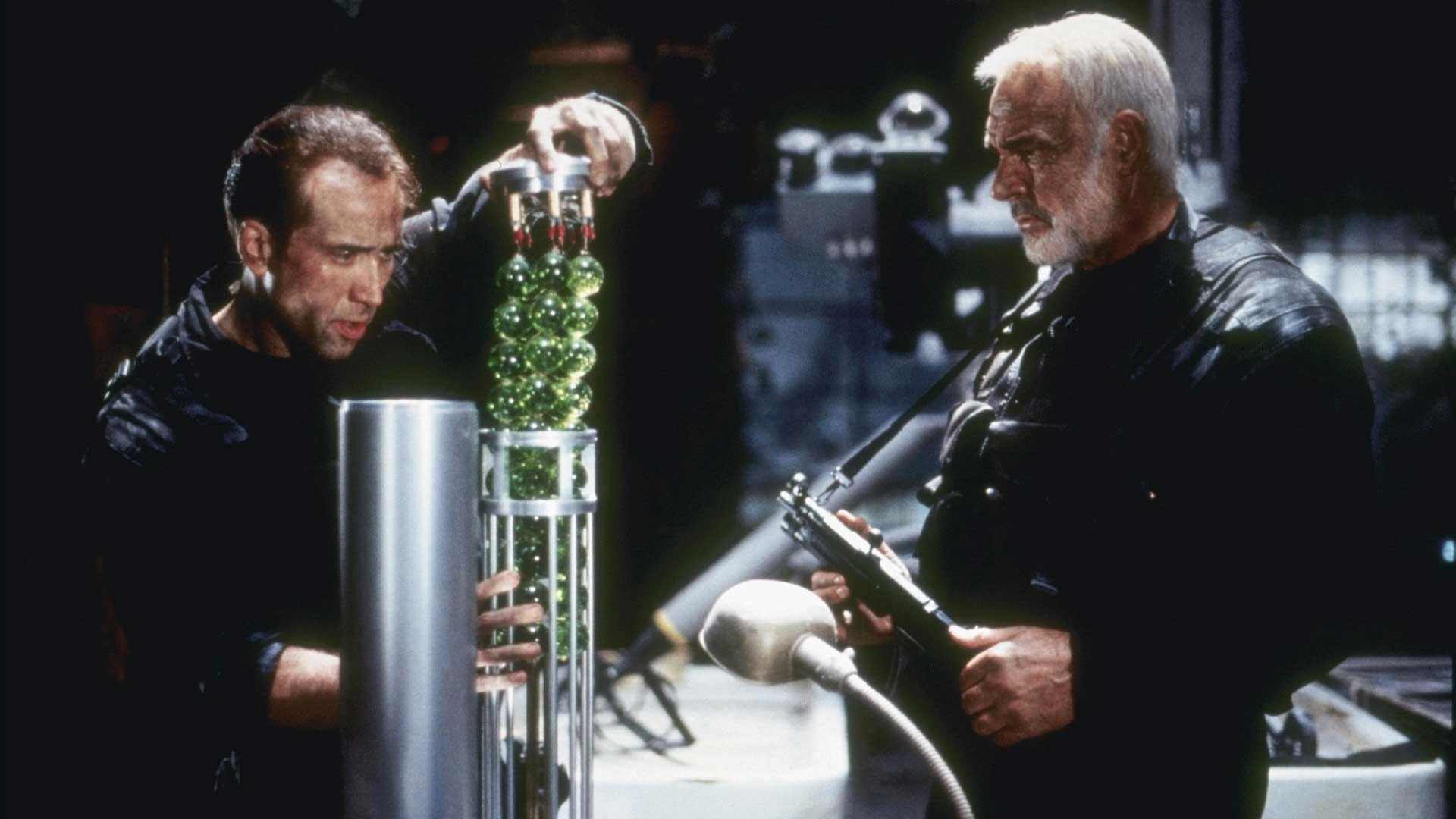
And in the case of The Rock, it’s Die Hard in Alcatraz, which follows chemical weapons expert Dr. Stanley Goodspeed (Nicolas Cage) and retired SAS captain John Patrick Mason (Sean Connery) on a mission to sneak into the fortified island prison being held under siege by a group of rogue Marines, led by Brigadier General Frank Hummel (Ed Harris). The latter has 81 hostages, threatening the US government to pay $100 million or he would order his Marines to launch the rockets equipped with poisonous VX gas towards San Francisco.
Interestingly, despite the Die Hard in Alcatraz plot, it only occurs in the second half. This may come across as a tedious setback to get to the story proper, especially if it falls into the hands of a lesser director. But thankfully, the first half of The Rock is cohesively spent establishing both sides of the characters (Stanley and John, along with Frank’s motive), while incorporating elements of a military thriller, a heist film, and even buddy-movie tropes.
Nobody Wanted Nicolas Cage. Nobody Was Right.
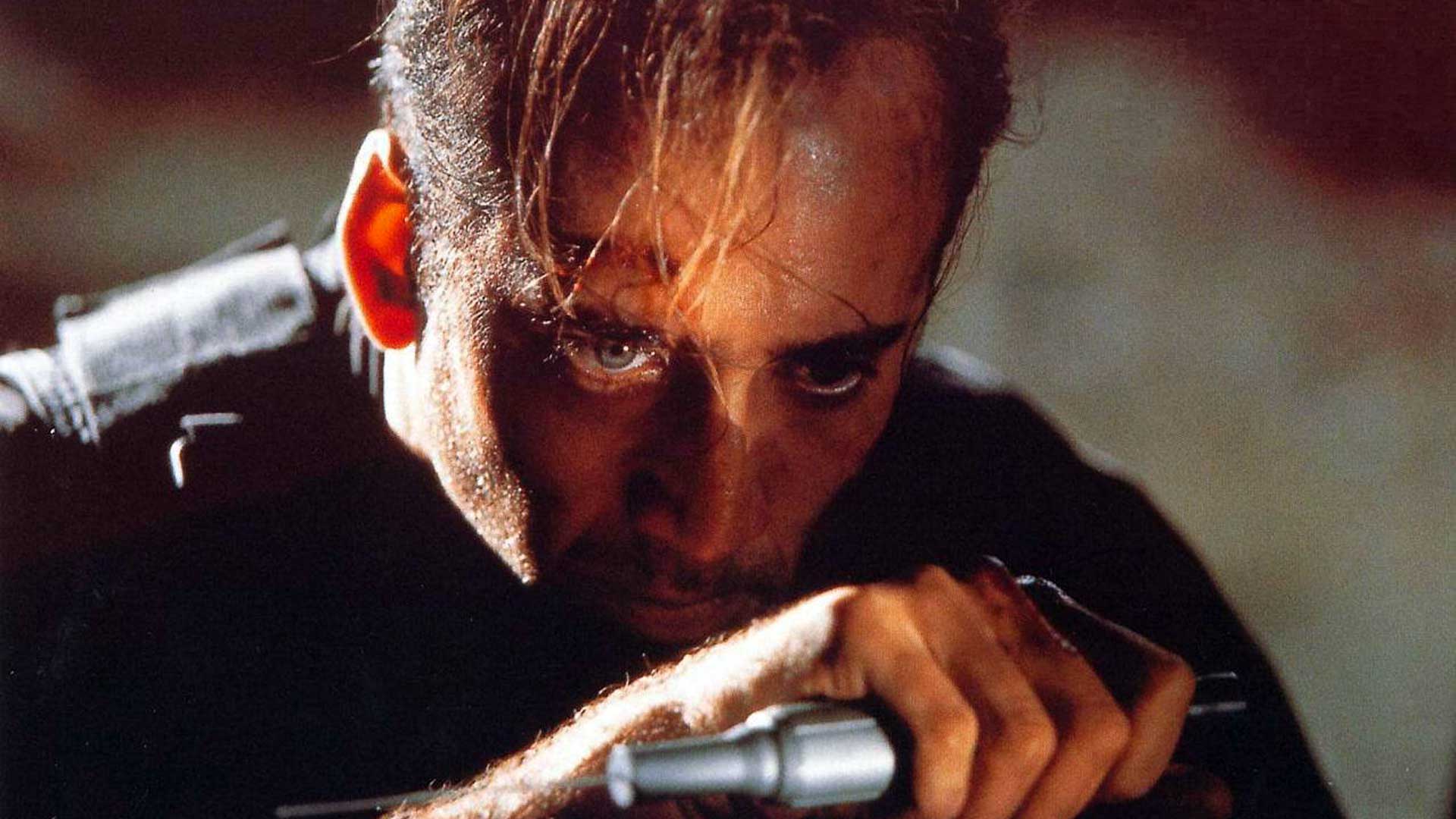
Now, speaking of the buddy-movie tropes, this is where The Rock equally shines. Looking back at the movie, it’s hard to visualize the idea of Nicolas Cage headlining an action movie, especially given his prior filmography leaning more into either quirky or dramatic roles, as seen in the likes of Raising Arizona and Red Rock West. And yet, it works since Cage has that everyman appearance rather than a conventionally masculine action star.
Besides, his character is more of a neurotic and nerdy expert in chemical weapons, working in a more controlled environment within the confines of an FBI laboratory. He has no field experience and particularly hates guns and violence. This makes him a perfect foil to the more experienced and world-weary combat veteran, played by Sean Connery.
The former Bond actor may have been 64 years old at the time, but he still exudes the effortless charm and no-nonsense personality, easily one of his great late-career performances. The mismatched on-screen dynamic between Cage’s intellectual Stanley and Connery’s unflappable John allows them to play off each other well. Their buddy-movie chemistry is part of what makes The Rock such a memorable cinematic experience.
It may sound like the perfect casting, but Cage was surprisingly not the first choice to play the role. The studio – Hollywood Pictures – apparently preferred Arnold Schwarzenegger, given his bankable action-star status at the peak of his career. Having him on board seemed like a sure thing to boost the movie’s box-office potential, but I’m glad he ultimately turned down the chance. When Schwarzenegger was first given an 85-page but still-incomplete early draft with handwritten notes, he wasn’t convinced, leading to the eventual casting of Nicolas Cage.
The Villain Who’s Hard to Argue With
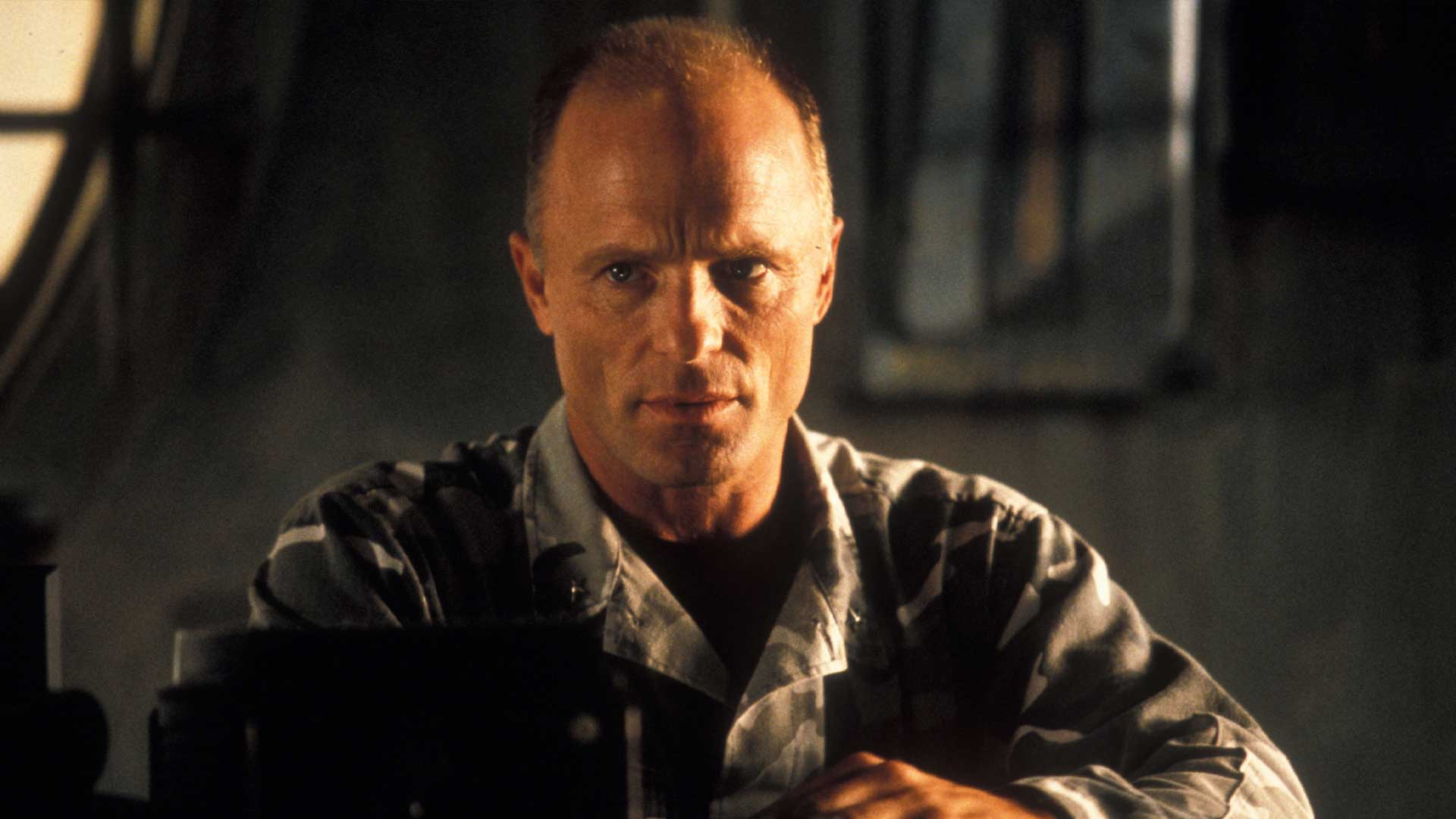
Sometimes, a good action movie relies heavily on the charm and dynamic of the protagonist(s). But The Rock is blessed with both, and that includes the brilliant casting of great character actor Ed Harris. Far from a one-dimensional villain solely motivated by power or monetary greed, Harris’s General Hummel character is more of an angry and grieving, highly decorated war hero who feels a sense of injustice from the US government choosing to brush aside the deceased Marines with no proper military funeral and even no fair compensation to the families, despite the soldiers’ dedication in fulfilling top-secret black-op missions.
Such a betrayal leads him to turn rogue against the government, driving Hummel and the Marines who sided with him to retaliate through a lethal gas threat. Most action movies hand you a bad guy who wants money, power, or world domination, and ask you not to think too hard about it. Hummel is different. You don’t agree with him, but you understand him completely – and that’s a harder thing to pull off than it sounds. Thanos had a similar quality on a galactic scale, but Hummel is grounded in something far more believable: institutional betrayal.
His sympathetic antagonist turn helps to elevate both dramatic and emotional conflicts in the movie. Harris plays it with restraint, which makes it land harder – the character never tips into scenery-chewing, staying measured and almost bureaucratic, which is scarier than any amount of shouting. Harris’s subtle performance is equally backed by solid support, namely David Morse as Major Tom Baxter and Tony Todd as Captain Darrow.
The Car Chase Alone Is Worth the Price of Admission
As proven in Bad Boys, Bay knows his way around adrenaline-fuelled action set pieces. And with a bigger budget poured into The Rock, he took 1990s action filmmaking to the next level by maximizing the use of strategically placed cameras to make us feel like we are part of the experience. This is why the action evokes a visceral sense of chaotic mayhem, even prioritizing handheld shooting to his advantage.
The unforgettable car chase through the streets of San Francisco is thrillingly executed with a mix of shaky-cam aesthetics and hyperkinetic editing, making the high-speed pursuit all the more palpable. Shaky cam style tends to get a bad rap in later action movies, resulting in motion sickness and breaking away the audience’s immersion from appreciating the staging or choreography. Ironically, this is what happened to some of Bay’s later movies, with Transformers: The Last Knight being a prime example of how jittery camerawork on top of aspect ratio changes ruined what could have been a spectacular IMAX experience.
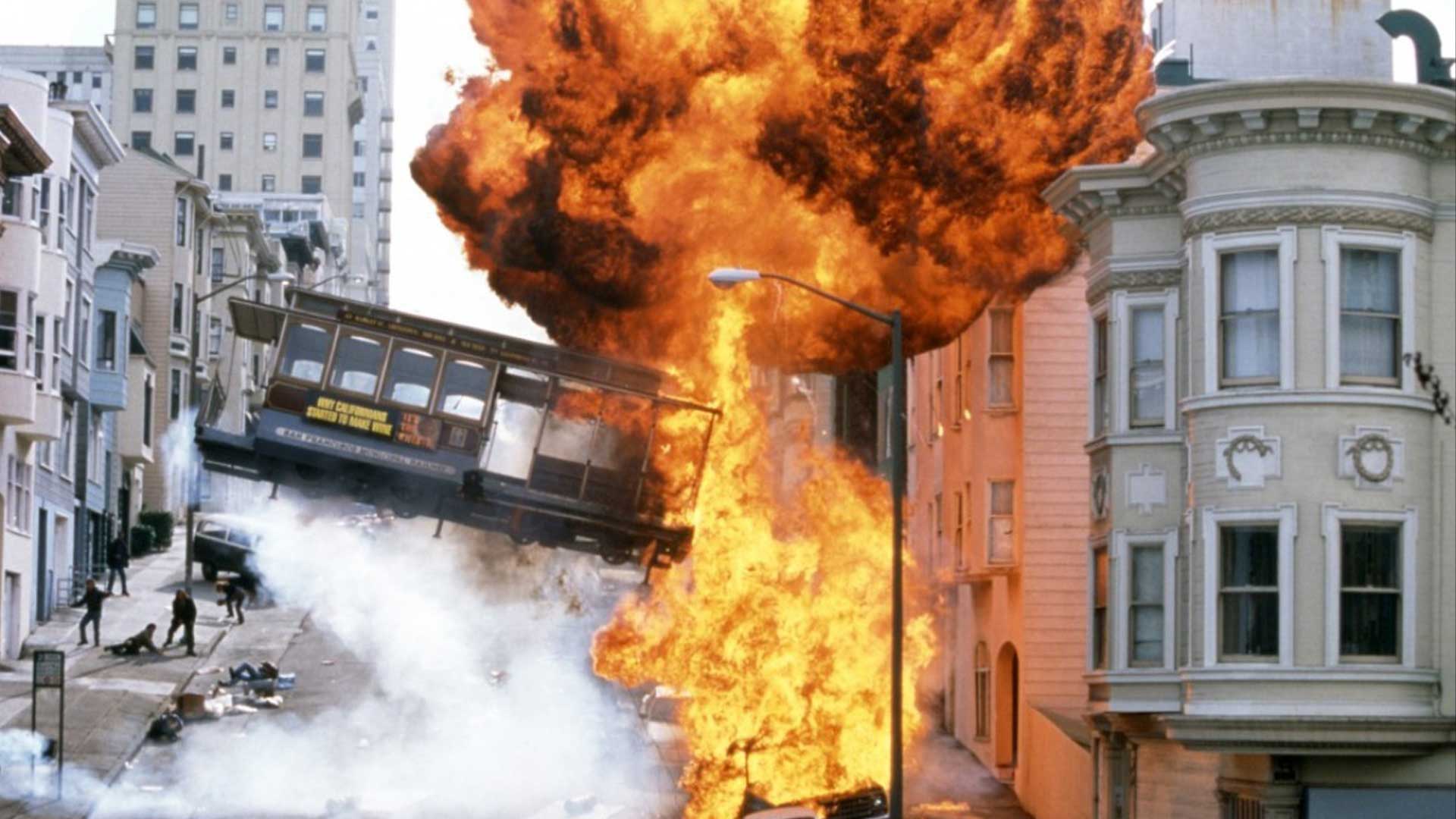
Going back to the car chase, the pursuit is amplified by Nick Glennie-Smith and Hans Zimmer’s propulsive score before it culminates in an overturned city tram ramming through the Ferrari F355 Spider. It was the best action set piece in The Rock, but also turned out to be a logistical nightmare for Bay and his crew to execute, with the director lamenting it as the “biggest clusterf****” of his filming career.
The James Bond Theory That Won’t Die
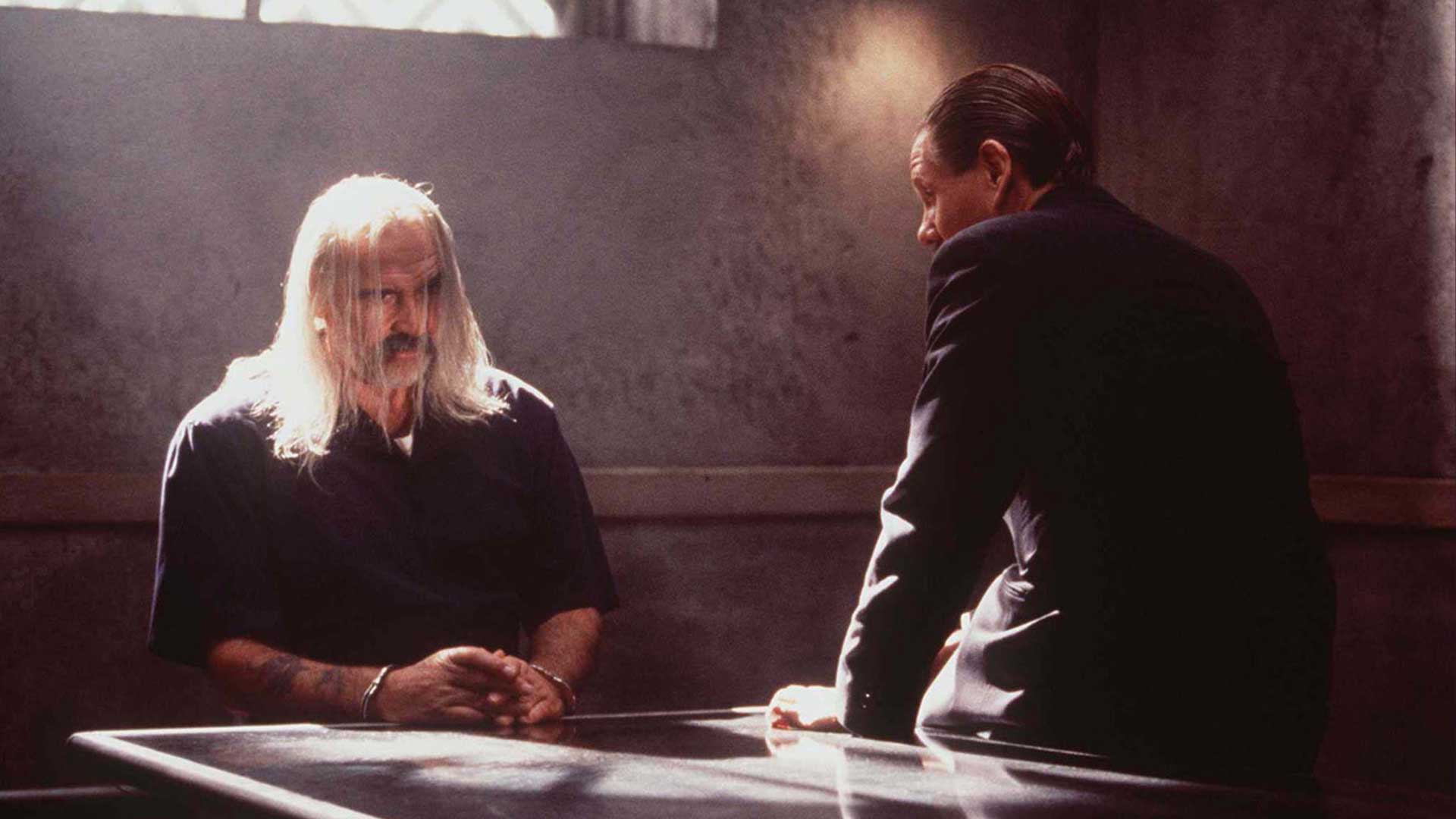
Connery plays a character known only as John Patrick Mason – a former British SAS operative, no traceable identity, imprisoned without trial for 30 years, who escapes captivity at will and seems to know things he has no business knowing. The fan theory is that Mason is James Bond, retired and buried by the British government after learning too many secrets. Bay set up Mason’s backstory to align almost precisely with Connery’s Bond timeline. There are lines of dialogue in the film that don’t actively discourage the reading.
The more likely explanation is that Bay was making a love letter to spy cinema and used Connery as the obvious vessel for it. But he did the job so well that the theory has survived 30 years and shows no signs of dying. It’s the kind of thing that makes a rewatch feel like forensics.
The Box Office Was as Solid as a Rock
The Rock did great business at the US box office alone, securing $25 million during the first three days, even beating Brian De Palma’s Mission: Impossible off the No. 1 spot at the time. Bay’s second movie went on to earn over $335 million worldwide, a massive box-office accomplishment for the director. Nicolas Cage’s career rejuvenation unexpectedly made him an overnight sensation as a new action star, and the following year, he would star in Con Air and Face/Off.
The Rock turned 30 this year, and it has aged better than almost anything Bay touched after it. That’s either a tribute to how good the film is, or a comment on everything that followed. Probably both.