

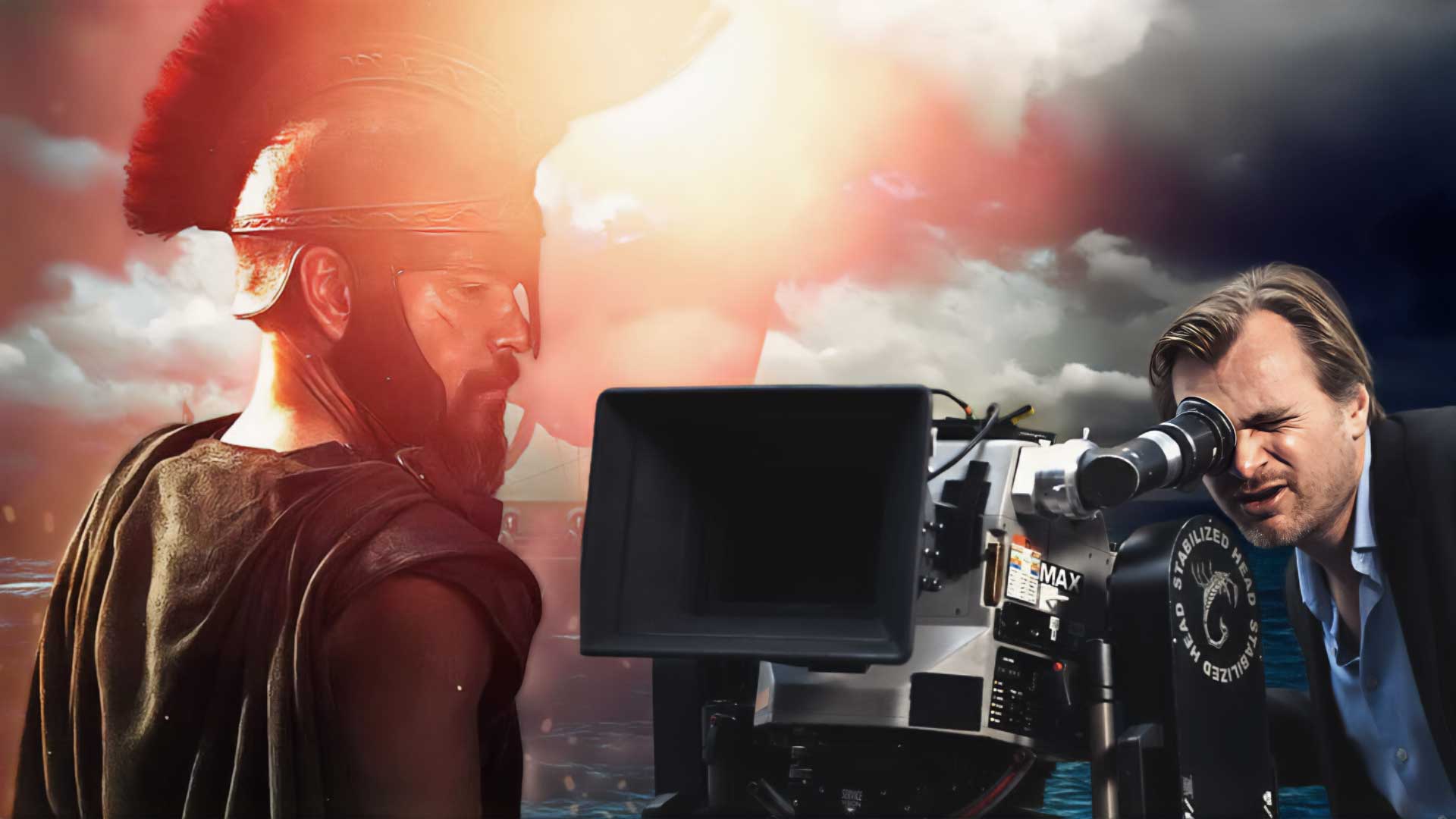


Do you have a problem understanding or hearing dialogue in movies? You’re not the only one. Directors like Christopher Nolan have made a career out of films where the action is deafening and the dialogue is barely audible — and the problem has spread far beyond any one filmmaker. Nolan has even acknowledged it, claiming he’s finally found a fix, and that his upcoming epic The Odyssey will be the proof. But why is movie dialogue so hard to hear and understand — and what can you actually do about it?
Why Sound Is Half the Movie
One of our favourite directors, David Lynch, famously said, “Films are 50 per cent visual and 50 percent sound. Sometimes sound even overplays the visual.” For most people, this might not be something they’ve necessarily thought about, but Lynch’s statement perfectly captures the power of sound in movies and television shows.
Visuals are there to captivate our sight, but sound is the secret weapon or the filmmaking superpower that pulls us into the story and shapes our emotional response. For example, when you’re watching a horror movie, a perfectly timed creak or even the quiet rustle of leaves can send shivers down your spine, while a soaring, large orchestral piece in a drama can leave you ‘in your feels’ (yes, in tears).
Sound effects can add layers of realism, taking something from plain to grand and epic. So, returning to our original problem, it can be extremely disappointing to connect with a beautiful story and yet find yourself annoyed by bad sound or ill-balanced sound. According to what David Lynch said, you’re essentially being robbed of 50 percent of your enjoyment.
Why Is Movie Dialogue So Hard to Hear?
In recent years, an issue has been plaguing all manner of films, regardless of their production budget: unintelligible dialogue in movies.
Now, when we say “unintelligible”, we don’t mean to say that dialogue has become so complex that it’s hard for normal audiences to get the gist of the movie they’re watching; we’re talking about the undecipherable sound mixing that’s been making us all turn on the subtitles for a while.
Why has this phenomenon become so widespread in recent years? Logic would tell us that, as technology improves, it should be reasonable to expect a higher audio quality from every movie that hits the theatres — especially when it comes to dialogue. Is it because movies are becoming more bombastic with their action sequences? Or are the actors and directors at fault here? The answer is a bit more complicated than that.
How Cinema Lost Its Voice: A Brief History
In the first days of sound films, or “talkies” as they were known back then, audio was one of the most prominent features a movie could possess. Sound in the films of the mid-30s and early 40s was as pronounced as 3D was for the film industry in the early 2010s.
Most of the actors of that era began their careers working in theatrical productions – a tradition that’s becoming rarer and rarer in today’s generation of streaming and on-demand video services. Theatre actors usually spoke with a louder voice: a remnant of the times when their dialogues needed to be heard by people sitting in the back row of the theatre.
Contemporary actors don’t necessarily possess any form of theatre training. There’s also been a rise in the popularity of an acting style known as “mumbling,” where actors usually speak their lines in a low, almost slurred sort of way.
Looking at this, we could blame the actors for most of the issues with dialogue in modern cinema, but the directors are also to blame for this trend – and no director is more guilty of the crimes of unintelligible audio in movies than Christopher Nolan.
Christopher Nolan, Bad Sound, and The Odyssey’s IMAX Fix
When audiences came out of the theatre after watching Tenet, most people were confused by what they had just seen. Not because of Nolan’s complex time-bending shenanigans but because it was almost impossible to understand what any of the characters were saying.
Directors like Christopher Nolan pride themselves on being old-school filmmakers: they use a minimal amount of CGI effects and make everything as it was done in the golden days of cinema. For critics and other filmmakers, these directors have an air of refinement that distances them from the dozens of mainstream filmmakers who work in commercial hits like the films from the MCU.
However, for us, the audience, the result is a movie that, while it might look great, usually lacks a certain quality in some areas. In the case of Tenet and Interstellar, the result was visually breathtaking films that broke apart the moment you tried to understand what the main characters were talking about.
Nolan insists the sound was always intentional. In Tom Shone’s book The Nolan Variations, he even called his mixing choices “radical” and said he was surprised by how “conservative” audiences can be about audio. Easy to say when you already know every line written on the page. Nolan recalled getting calls from other filmmakers whispering the same feedback fans shouted: the dialogue was “inaudible.” His response was that the volume wasn’t the problem. “It was kind of the whole enchilada of how we had chosen to mix it.”
He blamed loud IMAX cameras, too. Recording quiet performances next to a mechanical beast isn’t ideal. But he never budged on ADR, the process where actors rerecord lines to improve clarity. He prefers the raw production audio. That’s admirable. But it’s also the reason we’ve all spent years lip-reading John David Washington in Tenet.
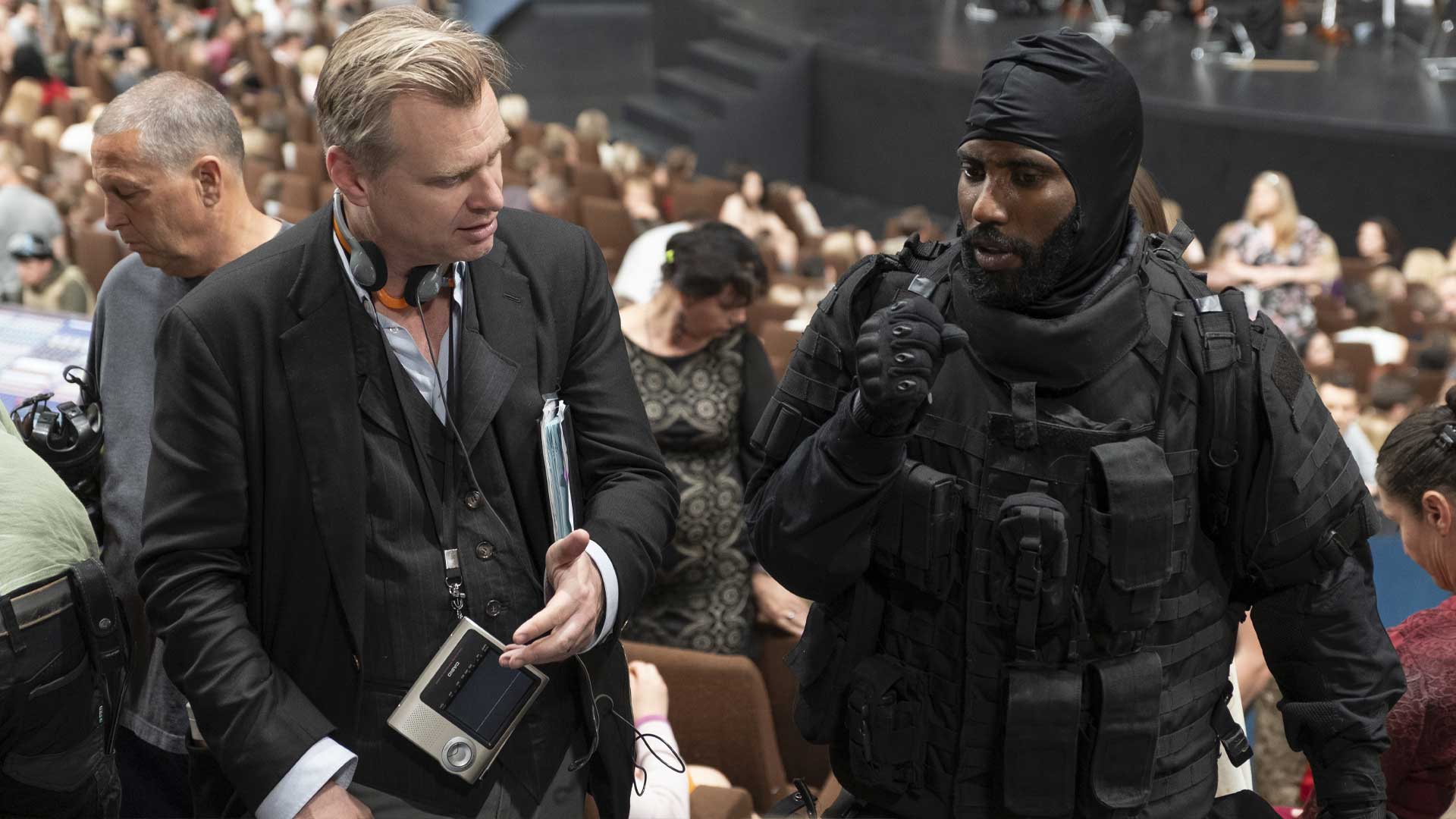
This brings us to The Odyssey, Nolan’s next cinematic swing, due July 17, 2026. For this epic, Nolan is using the first IMAX camera system quiet enough to capture actual whispering at close range. A new camera “blimp” reduces noise by 30 percent. Carbon-fibre bodies. LCD viewfinders. The works. “You can be shooting a foot from [an actor’s] face while they’re whispering and get usable sound,” he told Empire Magazine. He called the results “electrifying.” If that translates into hearing full sentences in a Nolan film, count us in.
It’s Not Just Nolan — It’s How Movies Are Mixed
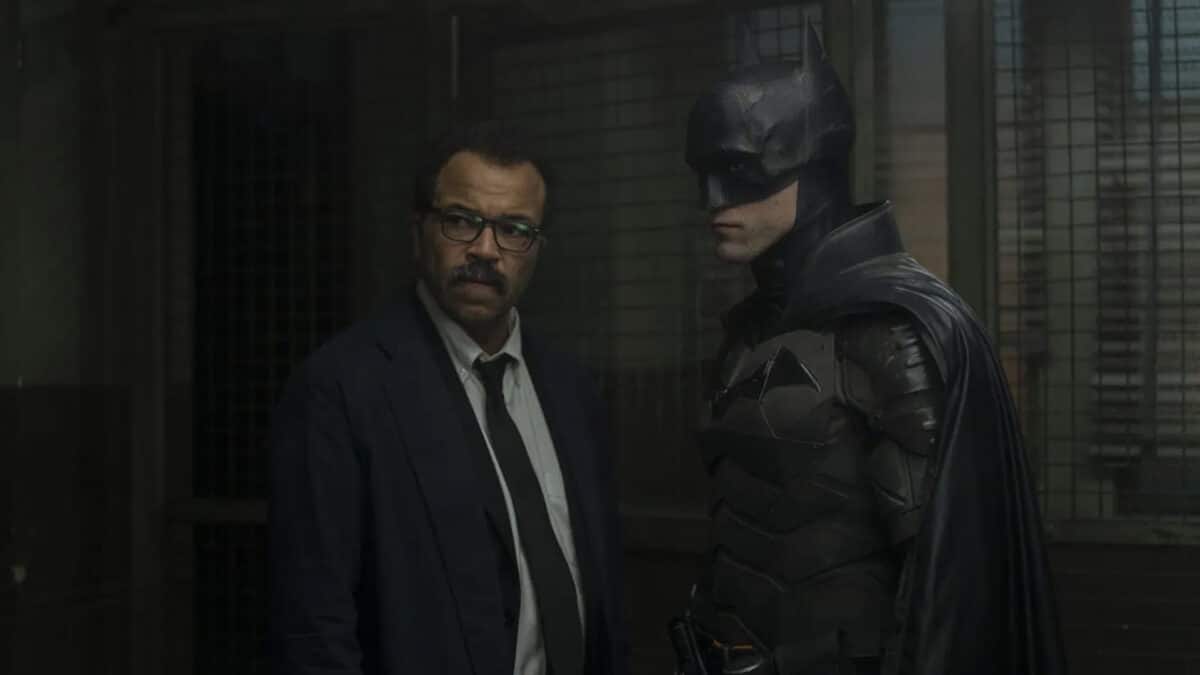
Another issue with sound in modern movies is that it simply doesn’t get the recognition it deserves. It’s a common belief that only the loudest films win the Oscar for Best Sound, and that’s why so many war movies earn the coveted statuette.
You may be able to relate to this strange phenomenon that is occurring more and more lately: constantly having to clutch your remote control in your hand while watching a show or a movie. All of it has to do with increasingly inconsistent sound mixing, which has become a plague in modern television and film. One moment, you’re straining to hear hushed dialogue (hello, Tenet), and then the next moment, you’re blasted by the revving of Lambos in a chase scene. Why, in a world where tech is developing so quickly, should we still endure this suffering? Shouldn’t things be getting better?
The root cause of movie dialogue being hard to hear could be the mix itself. Big studios may prioritize theatrical releases, where crisply calibrated sound systems can deliver an outstanding audio experience. The problem is that home entertainment systems have to cater to consumers of vastly different financial means. Hence, the quality of the hardware playing the sound differs across the board. Add to that the fact that the sound engineer’s mix built for a quiet, soundproofed or treated space might not translate well to a living room filled with competing sounds – a humming refrigerator in the kitchen, kids making noise, or the drone of traffic outside. It can be a real mess.
Still talking about hardware, TV speakers can also be the weak link, unable to reproduce the spectrum of sound needed to enjoy a balanced experience. Even TVs at the top end of the market may still need tweaking to get the sound you want — for example, settings like dialogue enhancement to ensure clarity. Of course, it’s good that those kinds of tweaks are possible, but they only solve some things.
One thing we also can’t ignore is that there’s a creative element to this, though it’s not all-encompassing. A director’s biggest job is to evoke emotions in the viewer, so sometimes, it’s necessary to shock the senses by going from a quiet conversation to a loud explosion. But what can you practically do if you want a more balanced experience?
What Good Sound Mixing Actually Sounds Like
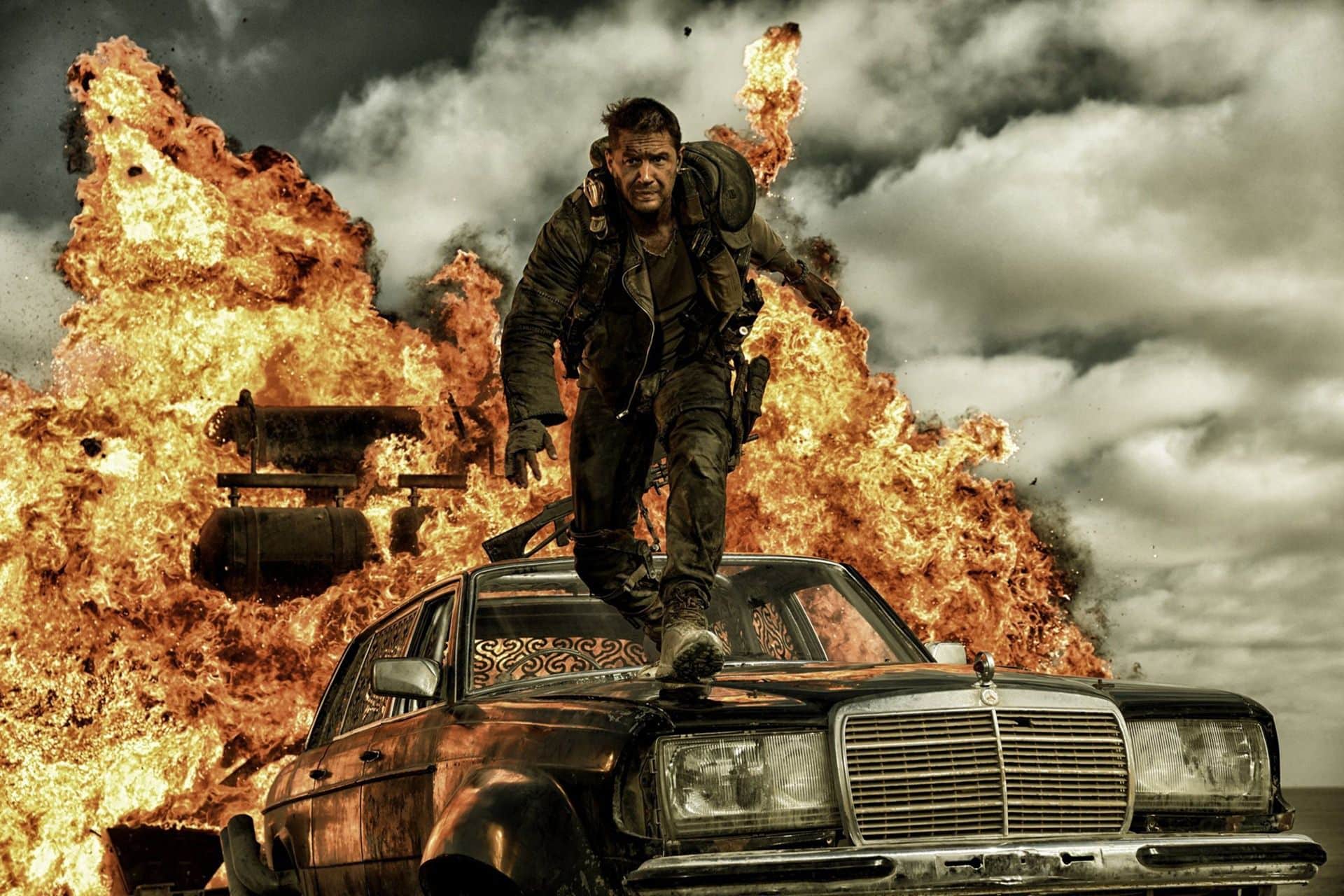
Films like Baby Driver and Rush are usually overlooked in how rich their sound mixing works, allowing audiences to both understand the dialogue and marvel at the powerful sounds of an engine or gunfire. There’s no reason that clarity and spectacle need to be in opposition.
The same goes for Arrival and Mad Max: Fury Road — films that are immersive, sonically overwhelming at times, and yet never leave you scrambling for the subtitles. The difference is intentionality: sound serving the story, not drowning it.
How to Fix Low Dialogue and Loud Sound Effects on Your TV
There are always debates on community forums about solutions like the ones we’re about to suggest. So we want to be clear that these aren’t ‘simply stir and serve’ type fixes — as hardware quality, setting, mix quality, and other factors can come into play — but if you’ve been struggling with low dialogue and very loud sound effects, here are some things you could try to fix the issue.
- This isn’t for everyone, but if you can afford it, invest in high-quality hardware like a good set of speakers or a soundbar. We won’t namedrop brands here, but you may have to fork out for it, and it will likely be worth it. A dedicated centre channel speaker in particular makes the single biggest difference to dialogue clarity, since that’s the channel where most spoken audio lives.
- Adjust the centre channel of your speakers. If your system allows, you may even be able to do it in a way that’s specifically suited to your space. On most AV receivers, the centre channel level is found under speaker configuration or manual EQ — bumping it up by 2–3 decibels relative to the other channels is often all it takes.
- Move your sound system away from where disruptive sound might be coming from. Again, this isn’t possible for everyone, but maybe it isn’t helping you that your TV is so close to the refrigerator. Hard surfaces like bare walls and tile floors also reflect sound in ways that muddy dialogue — a rug, curtains, or even a bookshelf behind the sofa can make a surprising difference.
- Adjust your TV’s basic sound settings. On most TVs, you’ll see those as soon as you press the menu button. Look for Dialogue Enhancement or Speech Clarity modes — Samsung, LG, and Sony all carry versions of this buried in their audio menus. It might not be perfect, but it’s a start. If your TV has a dedicated sound mode for movies or cinema, switch away from it — those modes are often tuned for theatrical dynamics that don’t translate to living rooms.
- If you’re streaming on Netflix, try Night Mode under audio settings — it compresses the dynamic range, pulling loud effects down and nudging quiet dialogue up. It’s not audiophile-grade, but it’s the fastest fix available without touching your hardware. Disney+ and Apple TV+ offer similar options under their playback or accessibility settings, worth exploring if that’s where you do most of your watching.
So, the next time you’re watching Netflix and you find yourself turning on the subtitles for fear of missing a pivotal piece of dialogue, know that you’re not alone. Whether the fix is a new soundbar, a buried TV setting, or simply hoping Christopher Nolan’s IMAX camera blimp does what it promises in The Odyssey, the problem is real — and it’s not just you.
What do you think? Is there a problem with dialogue and audio mixing in movies? Why do you think movie dialogue is so hard to hear these days?