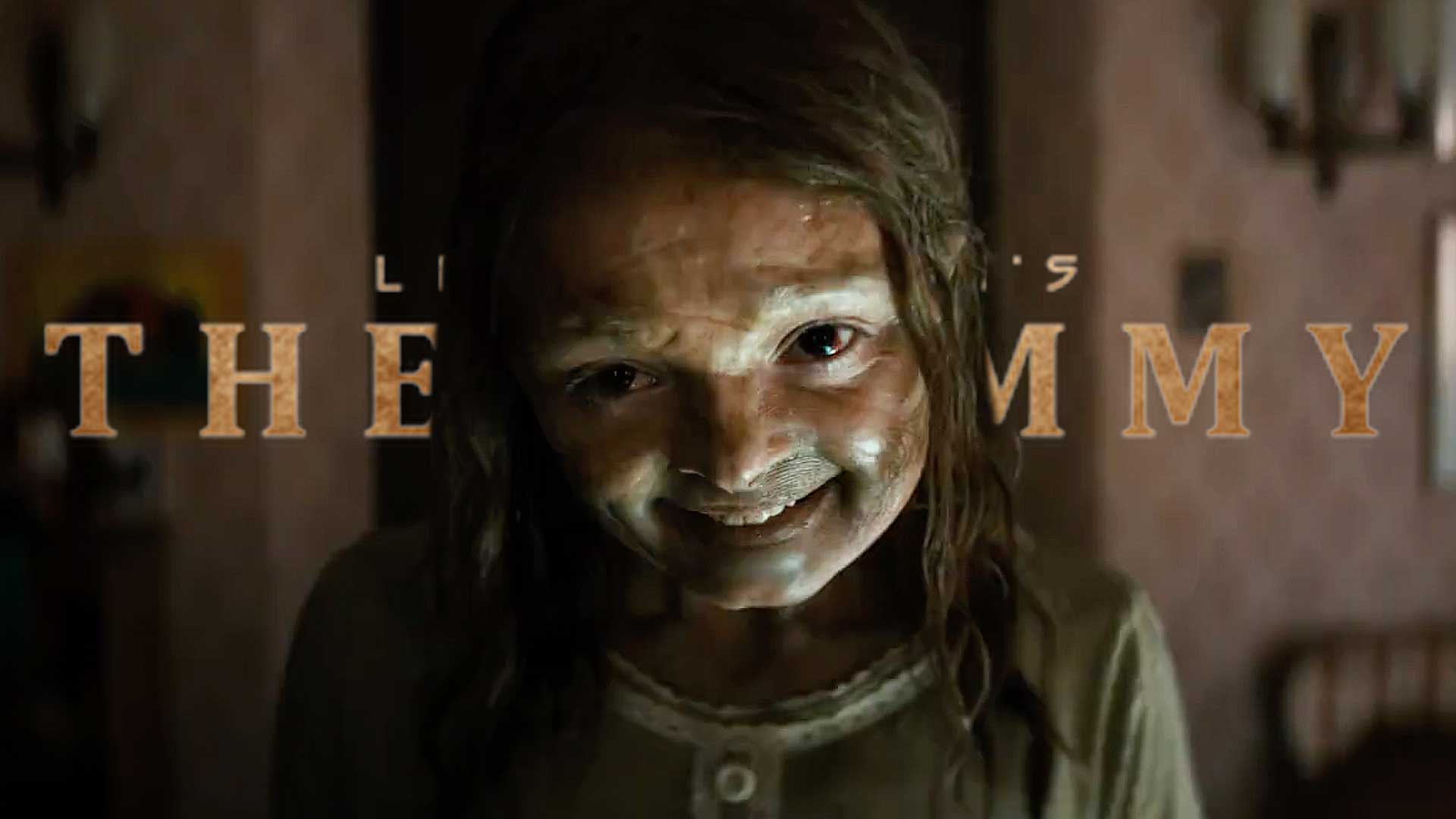


Okay, let’s get this out of the sarcophagus. Lee Cronin’s The Mummy deliberately deviates from the action-adventure genre of the beloved Brendan Fraser-led The Mummy movies (the first two, of course) and the 2017 unfavorable, dead-on-arrival franchise killer starring Tom Cruise. It’s not even close to the atmospheric 1932 Boris Karloff’s gothic horror classic, as Cronin took a big swing by turning his version into a straight-out, nasty horror. More like watching The Exorcist crossed with Cronin’s own Evil Dead Rise wrapped in bandages.
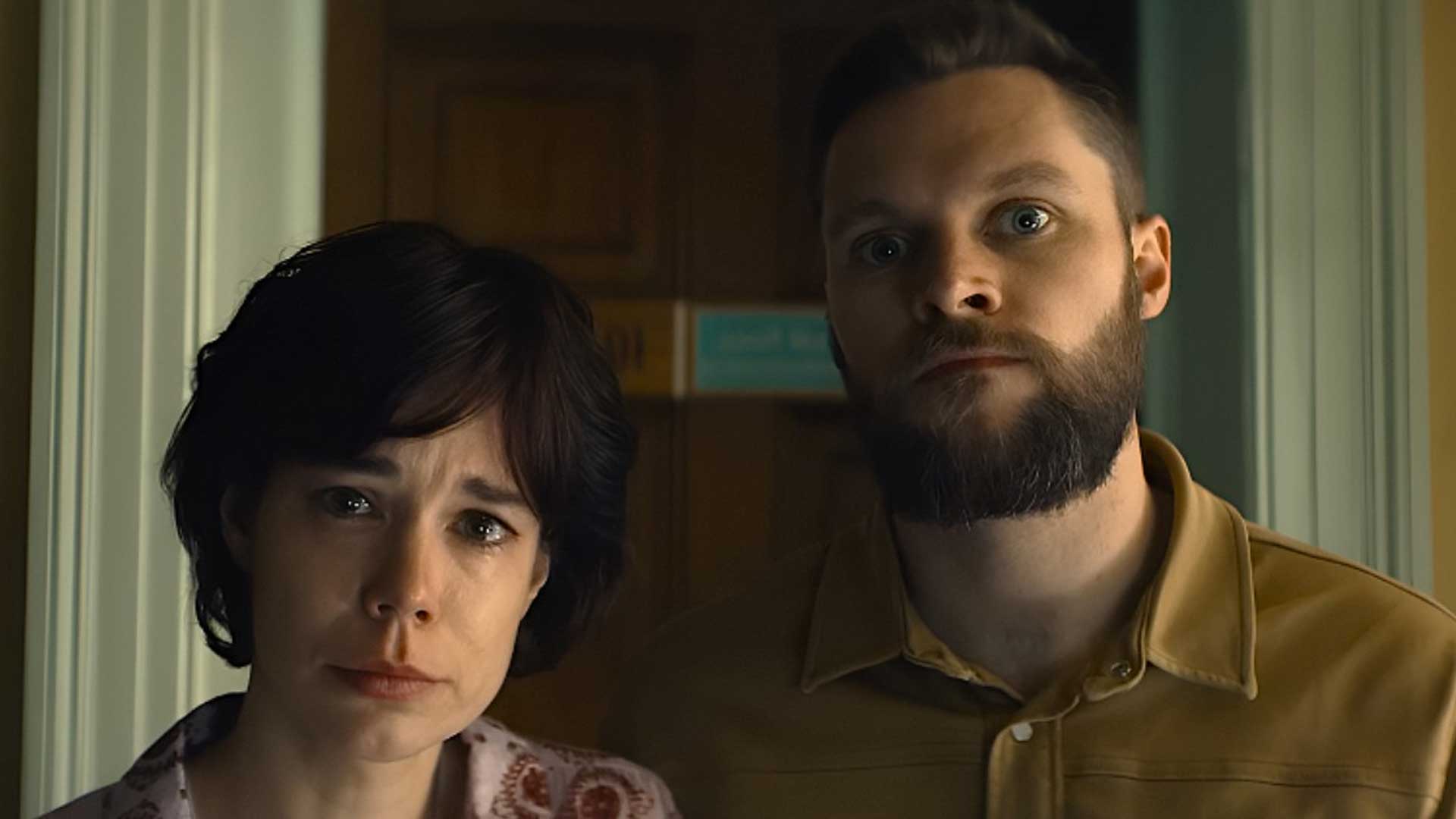
The movie gets off to a promising start, beginning with the Egypt-set stretch that follows a local family of five, led by the no-nonsense matriarch (Hayat Kamille), on their way home. Writer-director Lee Cronin wastes little time getting down to business with a subsequent scene that effectively combines shocking gore and ominous dread. The story then introduces the Cannon family — television reporter Charlie (Jack Reynor) and his pregnant nurse wife, Larissa (Laia Costa), along with their two kids, Seb (Shylo Molina) and Katie (both Emily Mitchell and Natalie Grace play the respective younger and later versions) – where they live happily in Cairo before a tragedy changes everything.
It all begins when Katie goes missing, and not even the local police can do much to help the Cannons. Eight years later, they have since relocated to Albuquerque, New Mexico, but Katie’s disappearance still troubles Charlie and Larissa. The Cannons also have a younger child named Maud (Billie Roy) while they live with Larissa’s mom, Carmen (Verónica Falcón).
Being a Blumhouse production, the recurring family trauma serves as a core theme within its horror tropes, highlighting the grief where the Cannons are forced to face the possibility that they might not see Katie ever again. Then comes a miracle after they receive a call from the U.S. embassy informing them that the local authorities in Cairo have found Katie. The good news is that she’s still alive, but not in the same way she used to be. Instead, Katie, who’s currently in the hospital, looks unusually grotesque.
But no matter how she turns out to be, they’re glad to see her again. They soon brought her back home for recuperation, hoping Katie would recover someday. Here is where Cronin delves into the familiar evil-comes-home horror territory, evidently with Katie starting to act erratically every now and then.
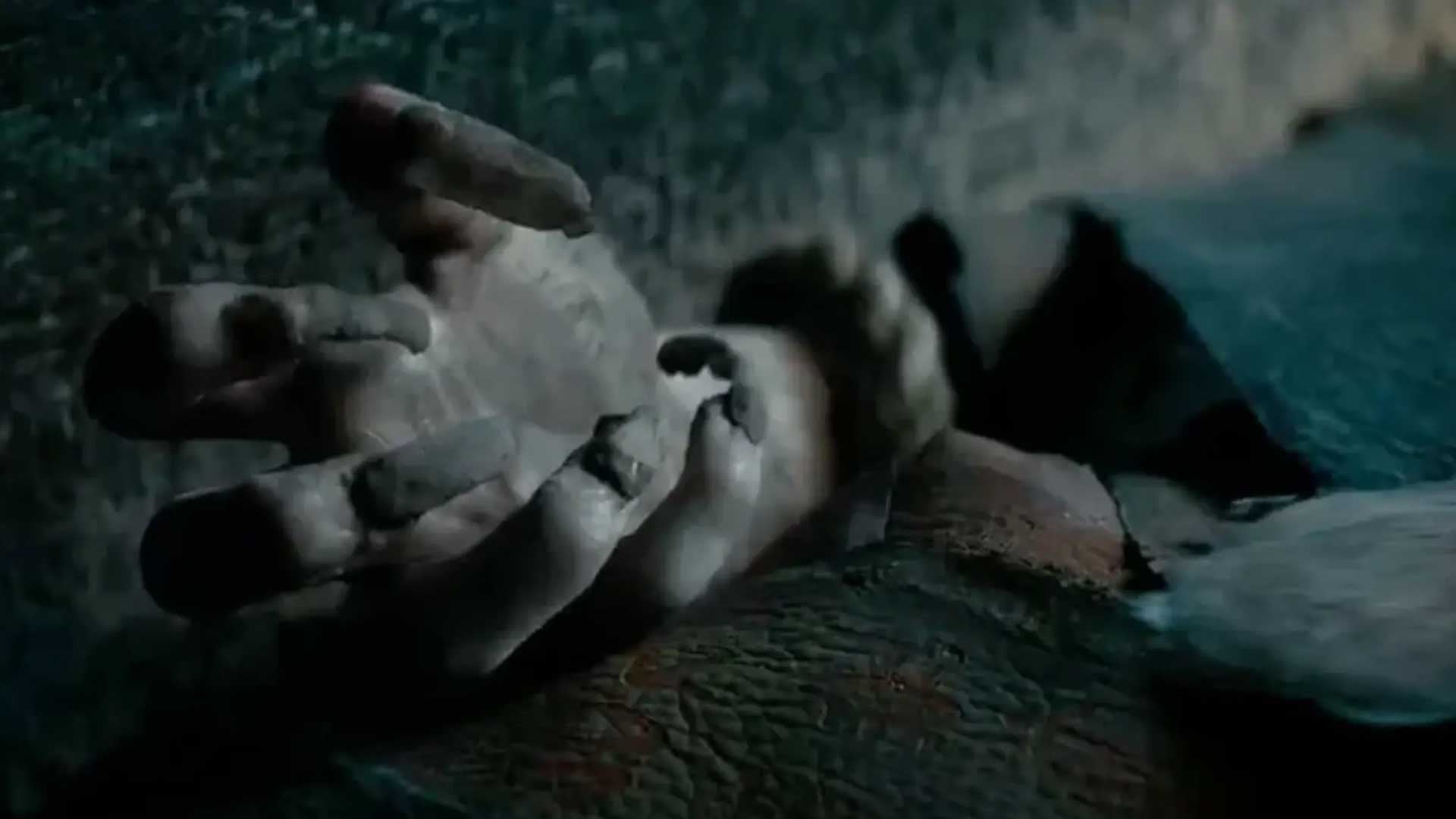
I watched this on IMAX, and the fact that Cronin doesn’t hold back when it comes to graphic violence makes the uncompromisingly gnarly moments palpable. At one point, there’s a scene revolving around the nail clippers, and the way Cronin chooses to shoot it in close-up has everyone squirming in their seats. It’s uncomfortable to watch, but that’s the whole point of Cronin’s intention to approach his take on The Mummy as visually intense as possible. Extreme horror fans will have a field day enjoying the movie’s abundant gore, which leans heavily on practical effects.
But as the movie progresses, I can’t help but feel the epic runtime a tad too long for its own good. And more so for a movie that predominantly zeroes in on the homebound Katie, who gradually inflicts terror and disturbance on her own family. Apparently, Cronin isn’t just interested in focusing on Katie’s increasing descent into darkness since he is also paralleling the story about the Cannons with the introduction of Dalia Zaki (May Calamawy), a police detective from Egypt investigating the person responsible for Katie’s abduction.
As much as I appreciate the trauma-inducing moments surrounding the Cannon family, complete with the actors’ above-average performances all around, I find the whole investigation part more engrossing. It equally helps with Calamawy’s committed supporting turn, to the point she nearly steals the show in this movie. Maybe it’s just me, but I have this wishful thinking to see Cronin prioritizing Zaki’s perspective instead, which in turn would break away from the usual family-focused Blumhouse formula.
Then, there’s the third act, and since Cronin is calling the shots, I was expecting an all hell breaks loose finale, especially after the tense buildup. Don’t get me wrong, it does end with plenty of unflinching set pieces on display, but somehow lacking the kind of culminating visual thrust needed to push the climactic third act further. Perhaps the limited budget commonly seen in a Blumhouse production prevented the movie from going all out.
Despite some of the shortcomings, Lee Cronin’s The Mummy remains a bold and visceral cinematic experience.
RELATED: Lee Cronin’s The Mummy (2026) Is So Brutal It Got an 18+ Rating — Horror Fans, You’ve Been Warned
The Review
Lee Cronin’s The Mummy
Eschewing the action-adventure trend that defines the Mummy movies since the Brendan Fraser era in 1999, writer-director Lee Cronin takes the classic IP to an extreme, horror-heavy level.
Review Breakdown
-
Verdict