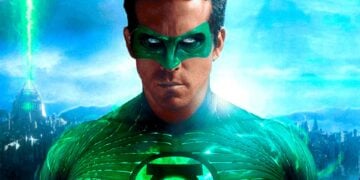
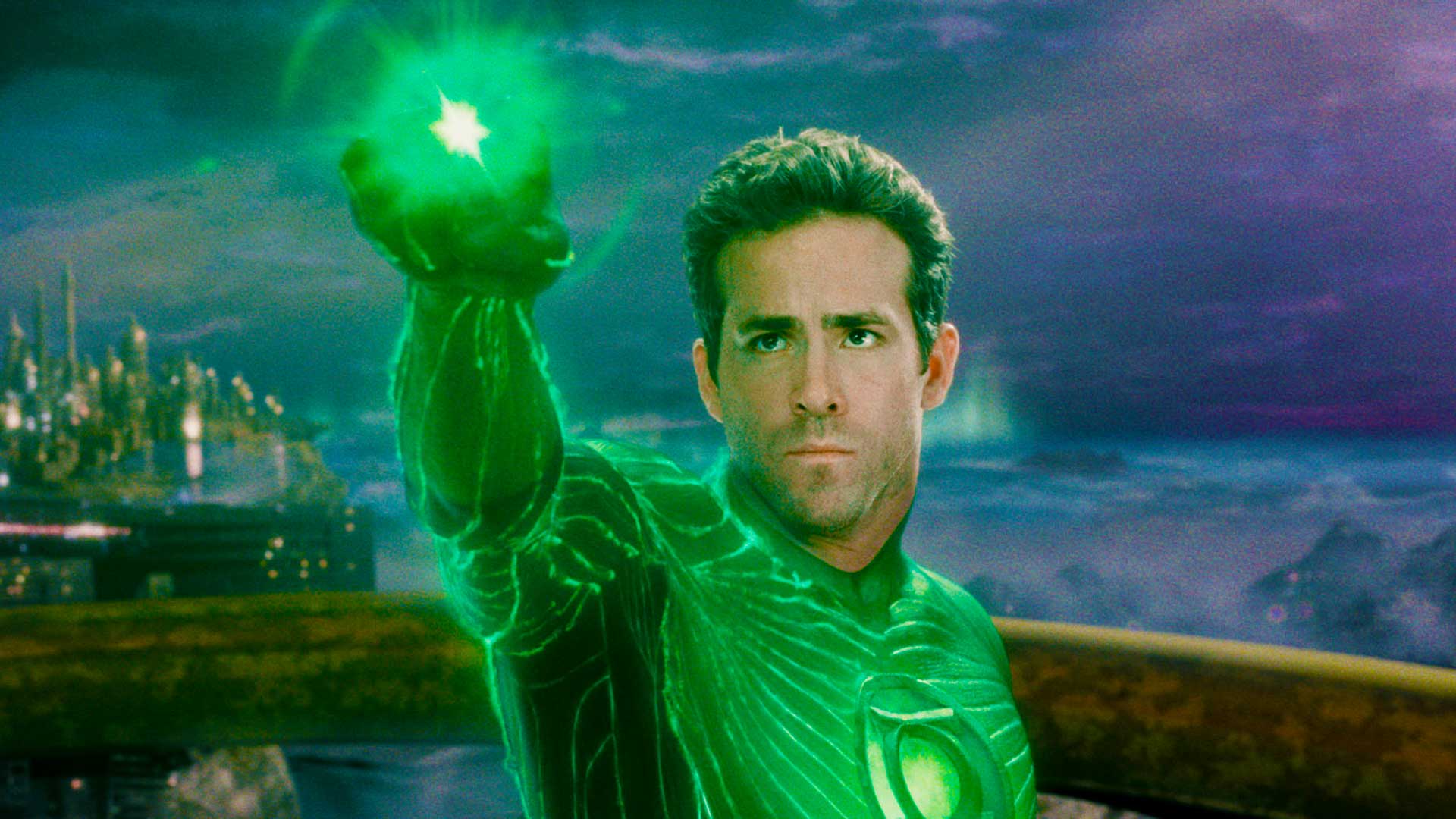


In the history of DC films, June 17, 2011 was meant to be a historic moment. Martin Campbell’s Green Lantern was supposed to be the beginning of a new era – the first step in providing healthy competition for the Marvel Cinematic Universe.
Fresh off the disaster of playing Hannibal King in Blade: Trinity and Deadpool in X-Men Origins: Wolverine, Ryan Reynolds was given a chance at comic book movie redemption. He was cast as Hal Jordan, a test pilot who becomes the Green Lantern of Sector 2814. Through sheer will and might – and a powerful green ring – he’s the hero, who in brightest day, in blackest night, no evil shall escape his sight. Let those who worship evil’s might, beware his power… Green Lantern’s light!
Sounds perfect on paper, doesn’t it? Well, it didn’t turn out that way. Green Lantern fumbled at the box office, making only $237 million from a $200 million budget. To make matters worse, it didn’t exactly inspire reviewers and fans, receiving only 25% critical approval and a 45% audience score on Rotten Tomatoes. It was a flop in every sense of the word, derailing the plans for DC’s shared universe – which then only kicked off with 2013’s Man of Steel.
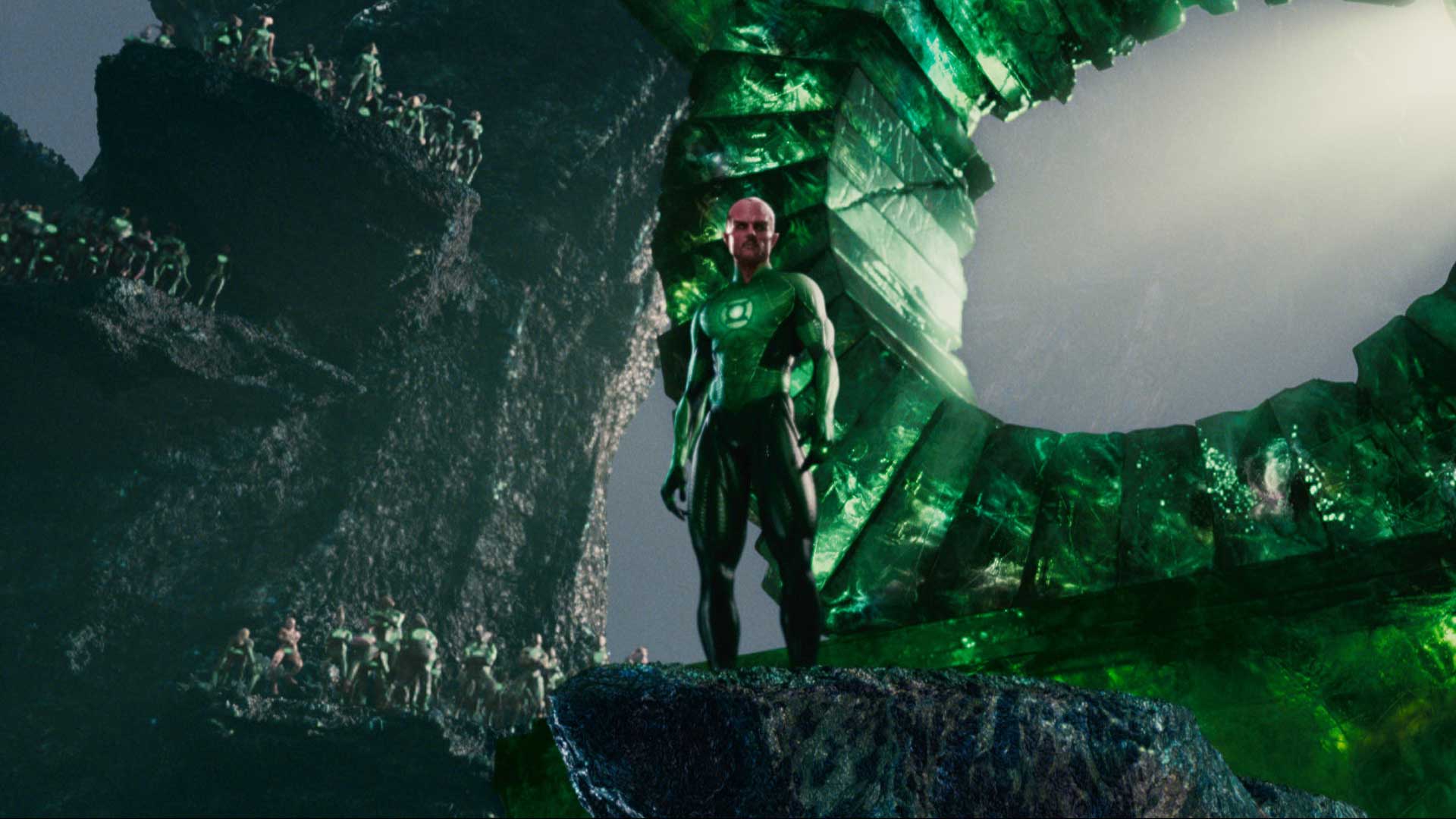
Where did it all go wrong for Green Lantern? That depends on who you ask. What’s obvious is that most people didn’t like the CGI suits or the noisy, effects-driven beats that muffled any real story development.
Reynolds himself poked fun at Green Lantern for years, urging fans to not watch it and making several punchlines at its expense in the Deadpool movies. However, even he had to acknowledge it wasn’t as bad as everybody thought in 2021. “Green Lantern was nothing to fear!” he posted on X. “Hundreds of incredible crew and cast members did amazing work – and while it’s not perfect, it ain’t a tragedy.”
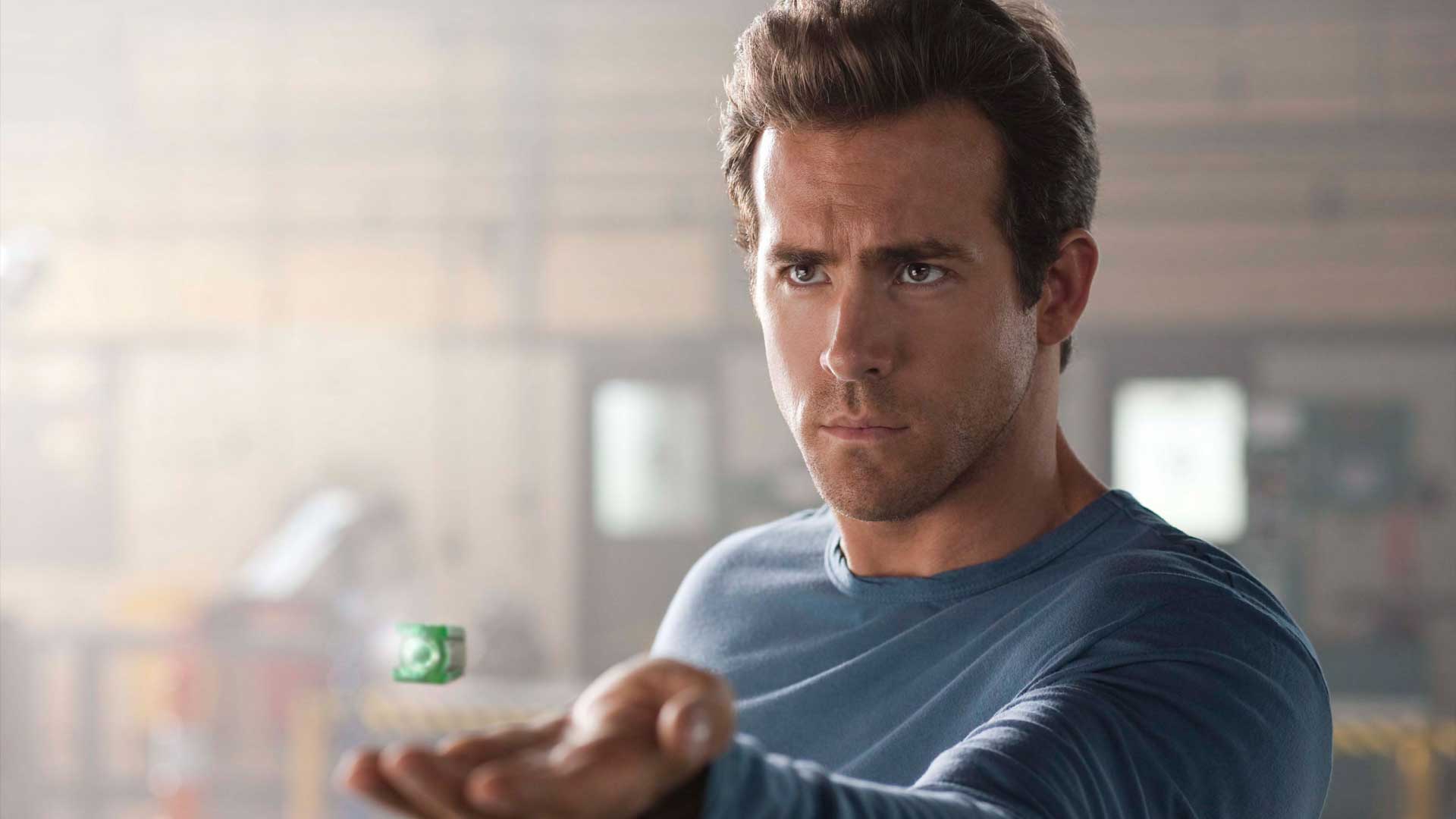
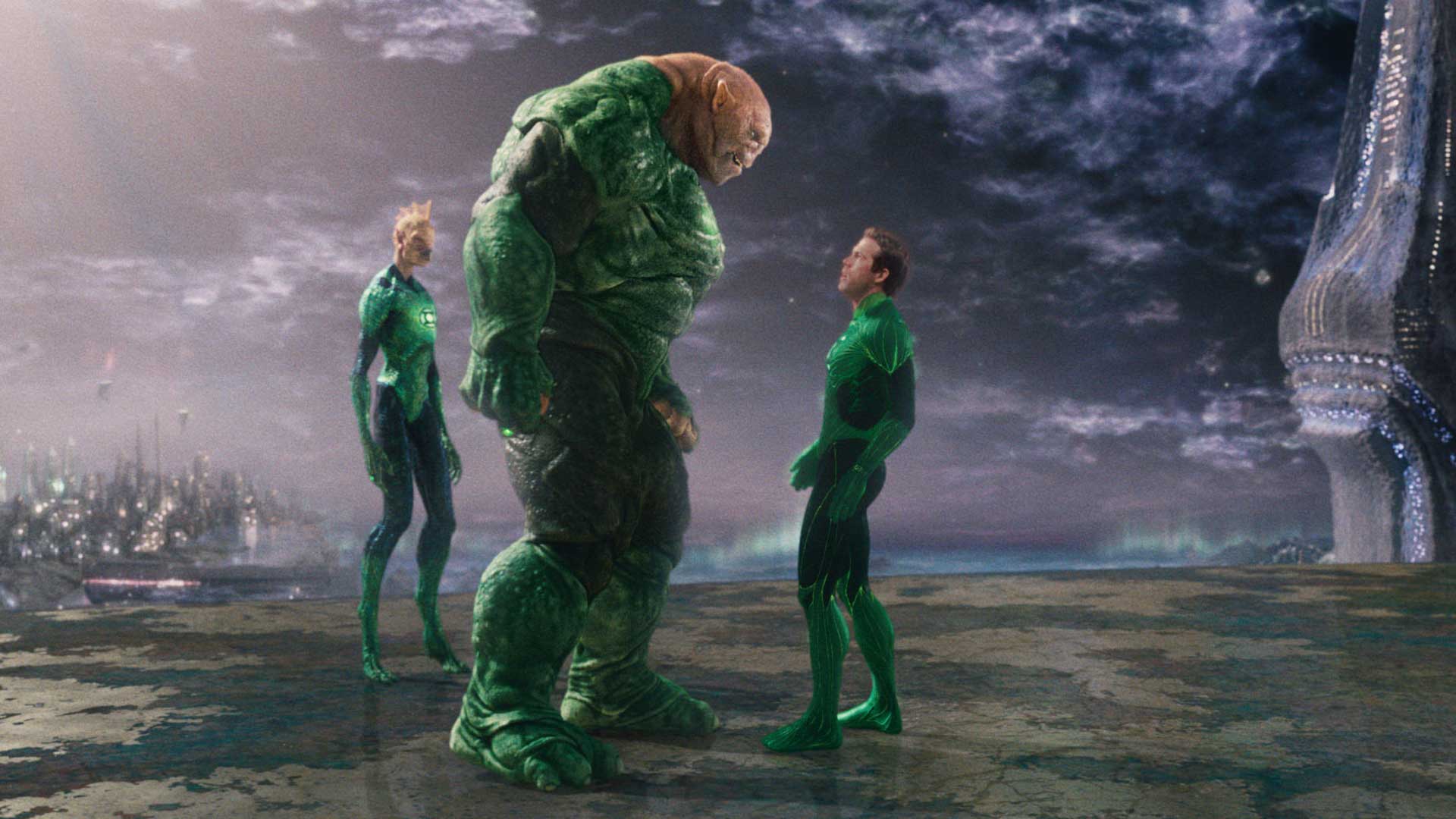
He’s correct – Green Lantern isn’t a tragedy. It’s far from the best DC movie of all time, but it isn’t the worst. There’s actually a lot to like in this movie. Reynolds is good as Hal, using his natural wit and charm to compensate for the lack of character development. The movie also receives a welcome highlight when Hal meets and trains with the Green Lantern Corps, allowing the viewer to spend time with the space cops and discover the established rules of this universe – it’s like Guardians of the Galaxy before Guardians of the Galaxy. Throw in Mark Strong’s excellent turn as Sinestro and Michael Clarke Duncan’s pitch-perfect casting as Kilowog, and this suddenly starts to look brighter.
For Martin Campbell, the film’s failure came down to two elements. “I’m simply saying I don’t think that the script was great,” he told Variety. “I also felt that Parallax, our bad guy, was just a cloud with a face on it – literally, that’s all it was.”
According to Campbell, the third act was meant to be much different, but budget constraints played a role. In terms of the script, well, there are four credited screenwriters: Greg Berlanti, Michael Green, Marc Guggenheim, and Michael Goldenberg. While all of them are talented writers – and Berlanti, Green, and Guggenheim have made a positive impact on comic adaptations as a whole – more isn’t always merrier when it comes to a script.
Even so, compare Green Lantern to many modern Marvel and DC movies. Is it really worse than them? If anybody says yes, Aquaman and the Lost Kingdom and Thor: Love and Thunder would like to have a word.
Ironically, Green Lantern is more in line with James Gunn’s DC Universe sensibilities – apart from the CGI costume. It isn’t too difficult to imagine Reynolds’ Hal Jordan bantering with Nathan Fillion’s Guy Gardner, while fitting into the lighthearted, Silver Age-tinged world of 2025’s Superman. Touch up the special effects, align the lore closer to the comics, and there’s a brand-new DCU movie right there!
In 2011, Green Lantern wasn’t good enough to launch DC’s equivalent of the MCU. Now, every film looks and feels like it more than ever. Isn’t it funny how time is nothing more than a circle? Let’s not get ahead of ourselves and call Green Lantern a masterpiece or ahead of its time, but looking back at it now, there are worse comic book movies that have come after it. Maybe – just maybe – this film isn’t as bad as everybody remembers.