
Disney animated films have had their fair share of heartbreaking moments over the years. Who can forget Bambi’s mother’s tragic death? Or Mufasa’s after Scar clawed him off the ledge into the wildebeest stampede in The Lion King? Then, there’s The Fox and the Hound, which made its debut forty-five years ago on July 10, 1981. It’s easily one of the most heartbreaking stories in Disney’s roster.
Landing in 4th place and grossing $4.2 million at the US box office in its opening weekend, behind Superman II, Raiders of the Lost Ark and Stripes, Disney’s $12 million animated film (the most expensive animated feature ever produced up to that point) was a gem – even it received mixed critical responses and only made $63.5 million in total at the box office.
Why The Fox and the Hound Became Disney’s Most Expensive Animated Film
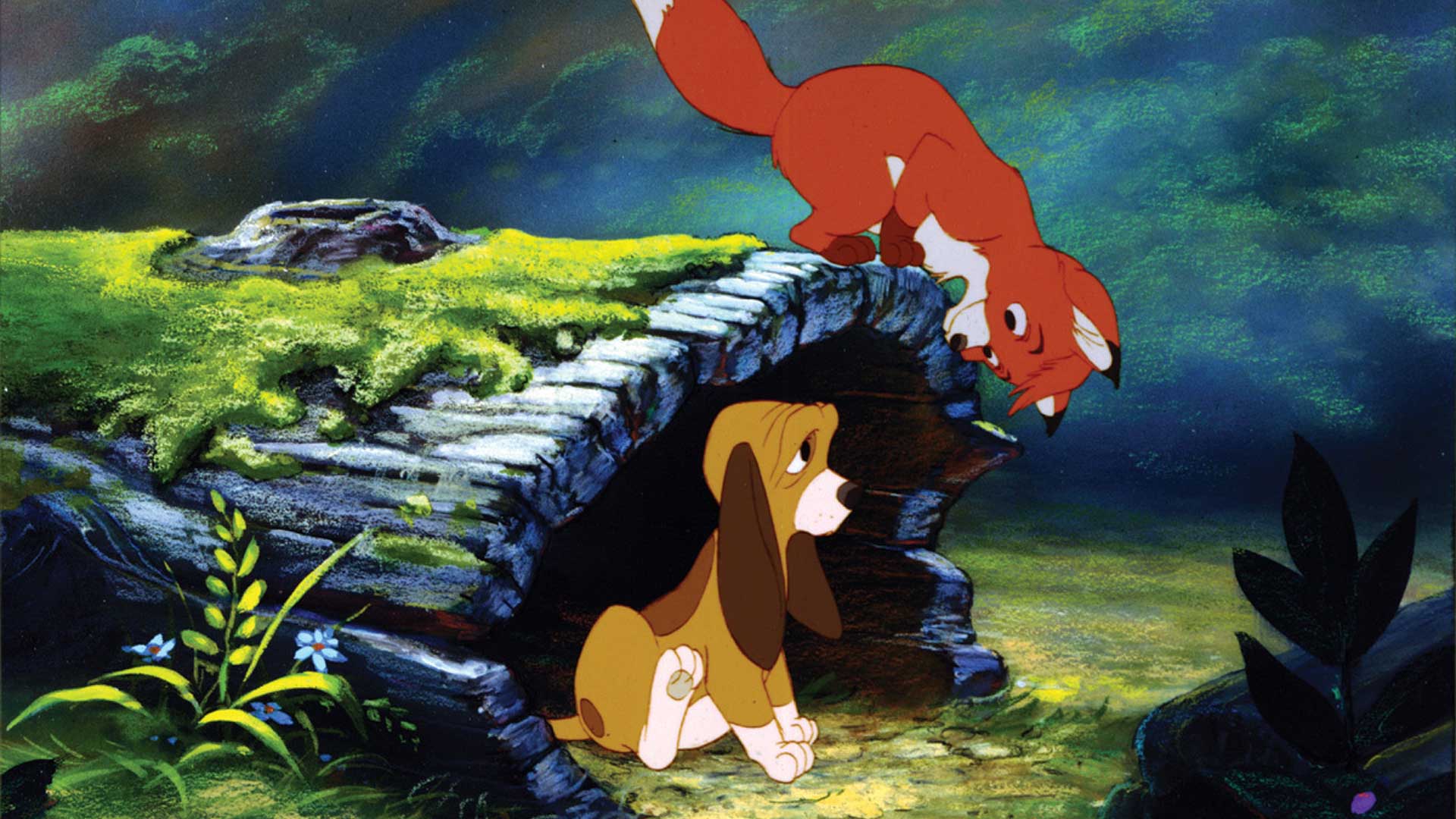
The Fox and the Hound had extensive production delays after animator Don Bluth’s sudden exit from Disney – he even took 11 other animators with him. This forced the studio to turn to a batch of up-and-coming animators, including Brad Bird, John Lasseter, and Tim Burton.
It was a changing of the guard. Veteran animators Frank Thomas and Ollie Johnston — two of Disney’s legendary “Nine Old Men” — worked on the film’s early stages before handing things over to the new team. But the transition wasn’t smooth. Creative differences got in the way.
Even so, the people behind the film pushed through and delivered one of Disney’s best animated movies ever.
The Opening Scene Is as Devastating as Bambi’s
The Fox and the Hound opens in a forest with a credit sequence that’s devoid of music or dialogue. What you hear is gradual ambient nature sounds before the tension escalates, following a mother fox frenetically sprinting as fast as she can to escape the hunter and his hounds while carrying her pup.
She then chooses to hide the baby fox in the grass by the fence line near a farmhouse and sacrifices herself by creating a diversion. What happens next is a devastating moment that echoes Bambi thirty-nine years earlier: an off-screen death of a mother following the deafening gunshots, leaving the now-orphaned pup scared and all alone.
But it’s not all doom and gloom for the baby fox after Big Mama Owl (voiced by Pearl Bailey) discovers him, relying on the help of Dinky the sparrow (Dick Bakalyan) and Boomer the woodpecker (Paul Winchell) to create attention, hoping the farmer Widow Tweed (Jeanette Nolan) would take notice.
The transition from the tragic opening sequence to a heartwarming moment of Widow Tweed deciding to adopt the baby fox, who later calls him Tod (Keith Mitchell), showcases the directorial trio’s – Art Stevens, Ted Berman, and Richard Rich – flair for contrasting the tones seamlessly without coming across as a jarring result.
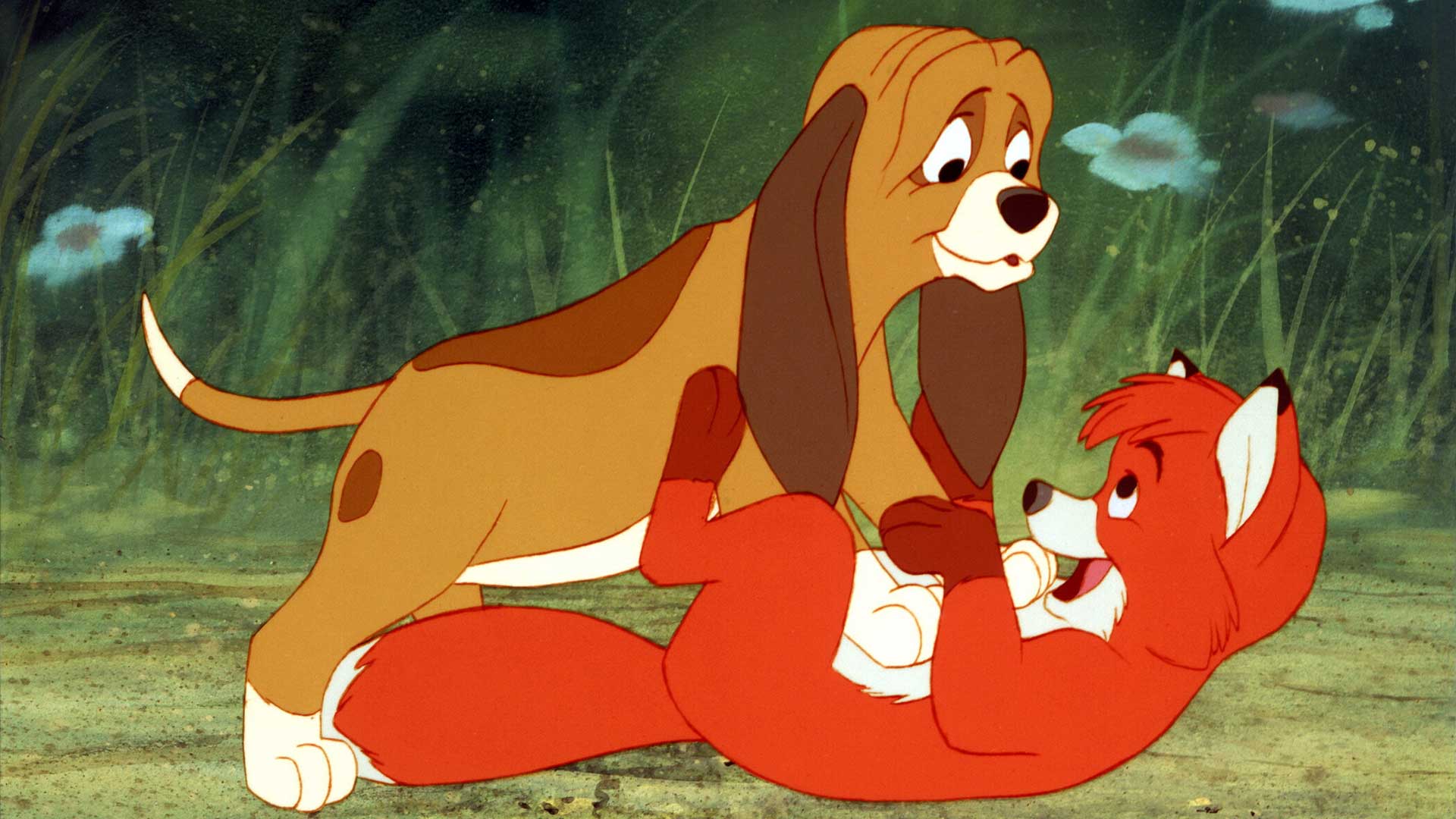
For the first half of the movie, everything seems to be going well for Tod as Widow Tweed takes good care of him. Tod even makes friends with a young hound named Copper (Corey Feldman), who belongs to the middle-aged hunter Amos Slade (Jack Albertson). Tod and Copper are inseparable, often seen having fun playing together.
How Tod and Copper’s Friendship Falls Apart
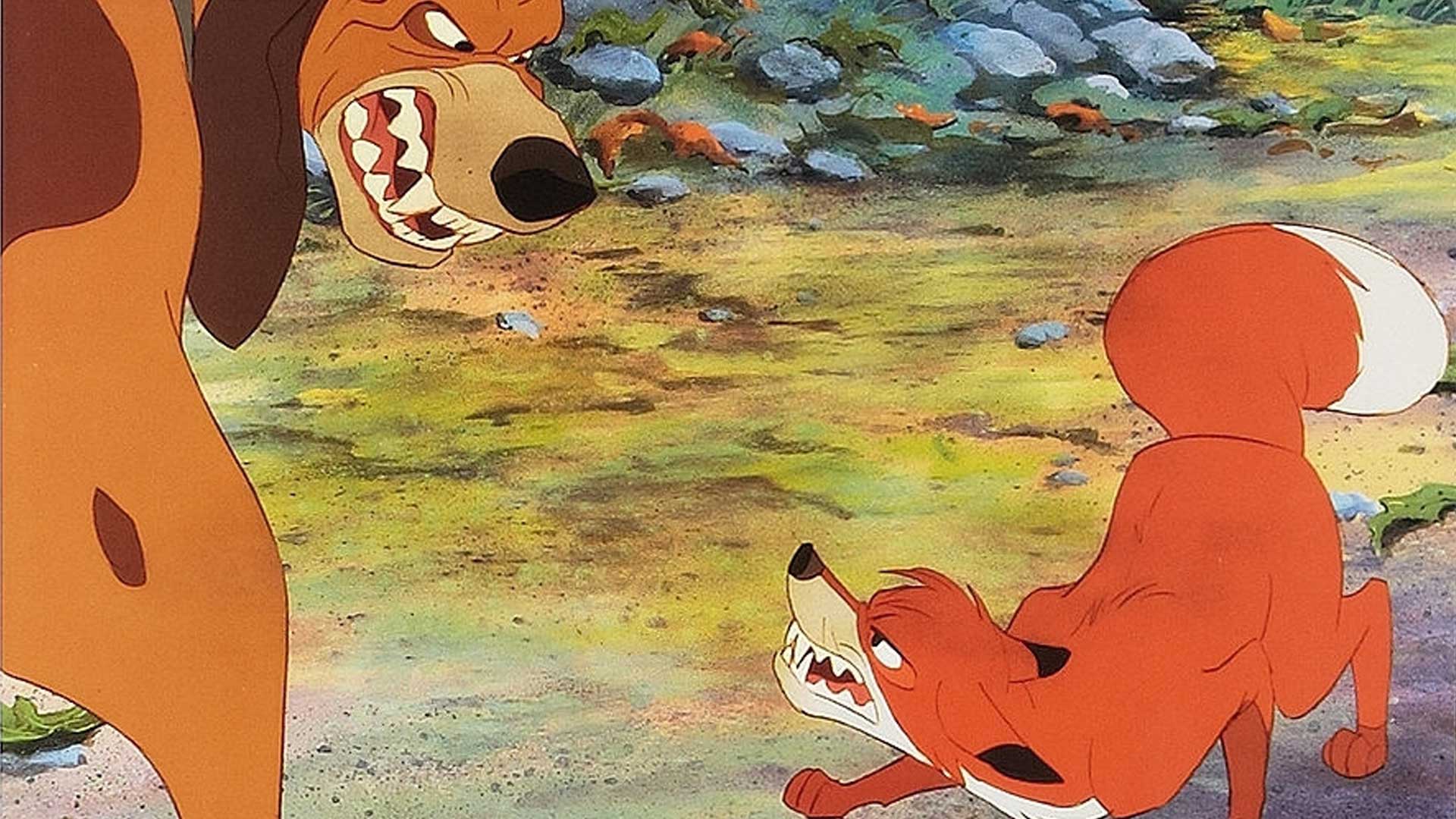
Unfortunately, their so-called pact as “best friends forever” is nothing more than wishful thinking. The reality is that the friendship between a fox and a hound is impossible, even if it’s a Disney movie like this one. By nature, one is prey and the other is a hunter. Copper, the hound, grows up trained to hunt foxes. He’s voiced by Kurt Russell, who had a big year in 1981 – Escape from New York came out that same month.
The conflict between Copper and the now-adult Tod (Mickey Rooney) is inevitable, and more so after the movie’s turning point arrives: An accident on a railroad track that ends with a train hitting Amos’s beloved old dog, Chief (Pat Buttram), causing him to break his leg after taking a hard fall into the river beneath. Copper blames Tod for Chief’s injury, and that ends their friendship.
The Fox and the Hound’s Bittersweet Ending, Explained
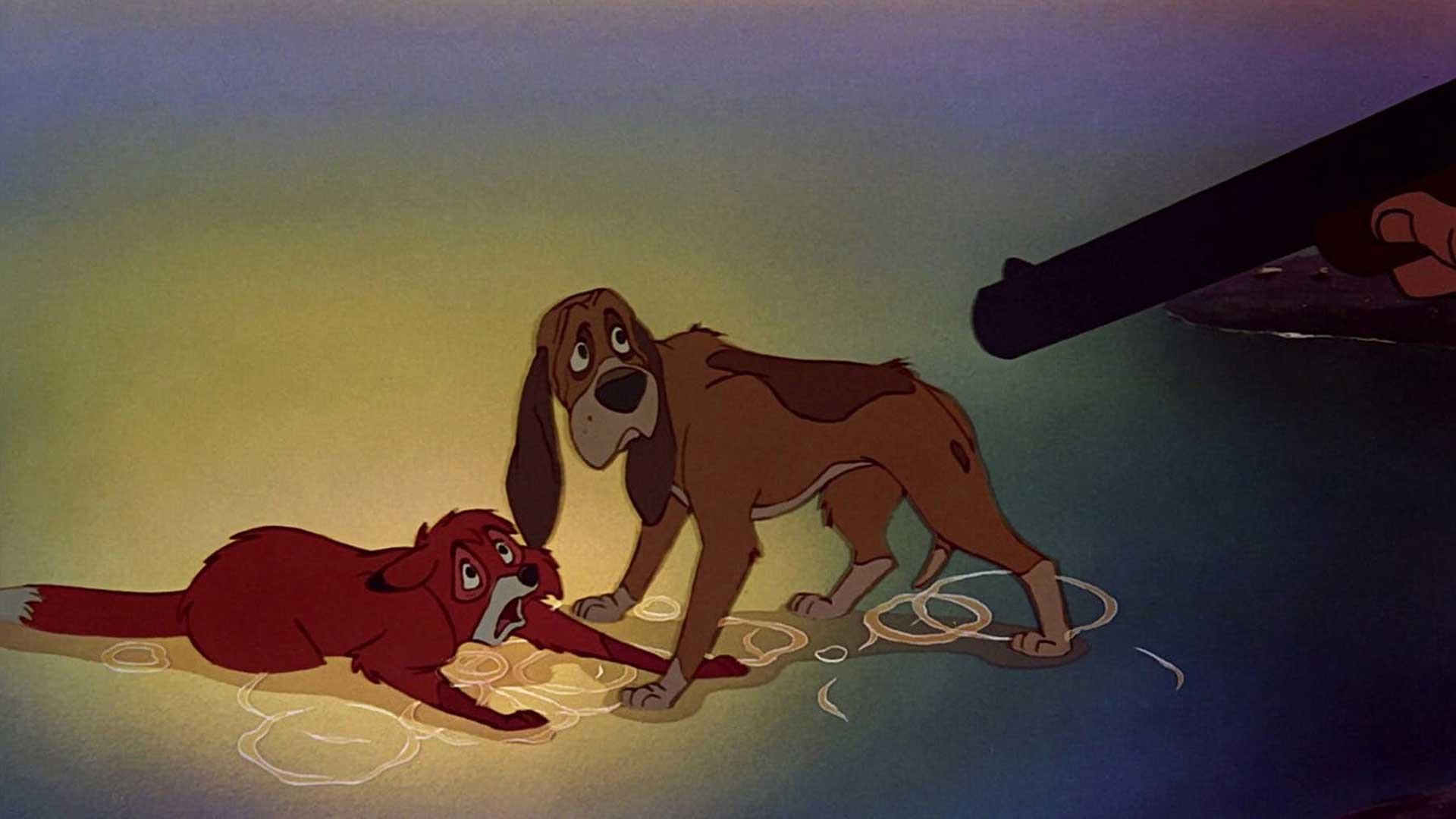
The Fox and the Hound doubles down on the emotional gut-punch following the aftermath of that scene, where Widow Tweed has no choice but to drive Tod far away from home and leave him in the forest. With everything that’s been going on, she realizes she can’t protect him anymore, and the only logical move to save Tod is to send him away for his own good.
The movie doesn’t shy away from real heartbreak. But the directors also knew how to keep the story from feeling too bleak.
Even at the end, they stay true to that realism instead of giving in to a typical Disney happy ending. In the final act, Tod saves Copper and his owner from a bear attack. That act ends the hostility between them – but not the distance. Tod and Copper can never go back to being friends. All that’s left is a bittersweet memory they’ll always carry.
Where to watch The Fox and the Hound: