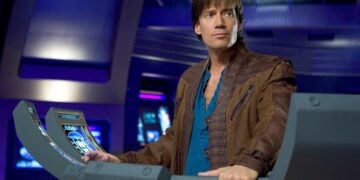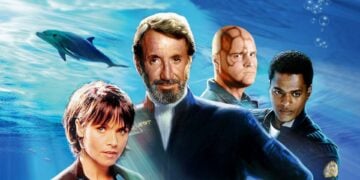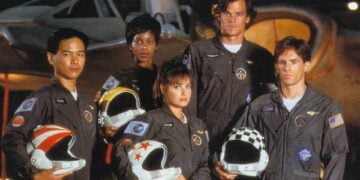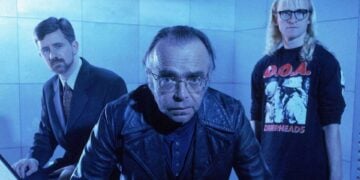


As influential as it is today, Star Trek was considered a ratings disaster for a while. These dark ages after its 1969 cancellation are collectively known as “the 70s,” and they were wild. The decade that saw the rise of Star Wars became a very creative period for Star Trek’s creator, the legendary Gene Roddenberry. With Star Trek marking its 60th anniversary this year, it’s also the perfect time to revisit one of his strangest posthumous projects.
Roddenberry envisioned a myriad of sci-fi projects he wanted to develop. While most of them wouldn’t see the light of day, things changed after his passing. His widow, Majel Barrett-Roddenberry, discovered a treasure trove of notes and unfinished concepts; she became a producer and helped bring projects like Andromeda to life. But before Andromeda, there was Earth: Final Conflict – a show that never knew exactly what it wanted to be. By Season 5, the Taelons were gone and the show was fighting energy vampires.
Where Earth: Final Conflict Came From: Roddenberry’s Battleground: Earth
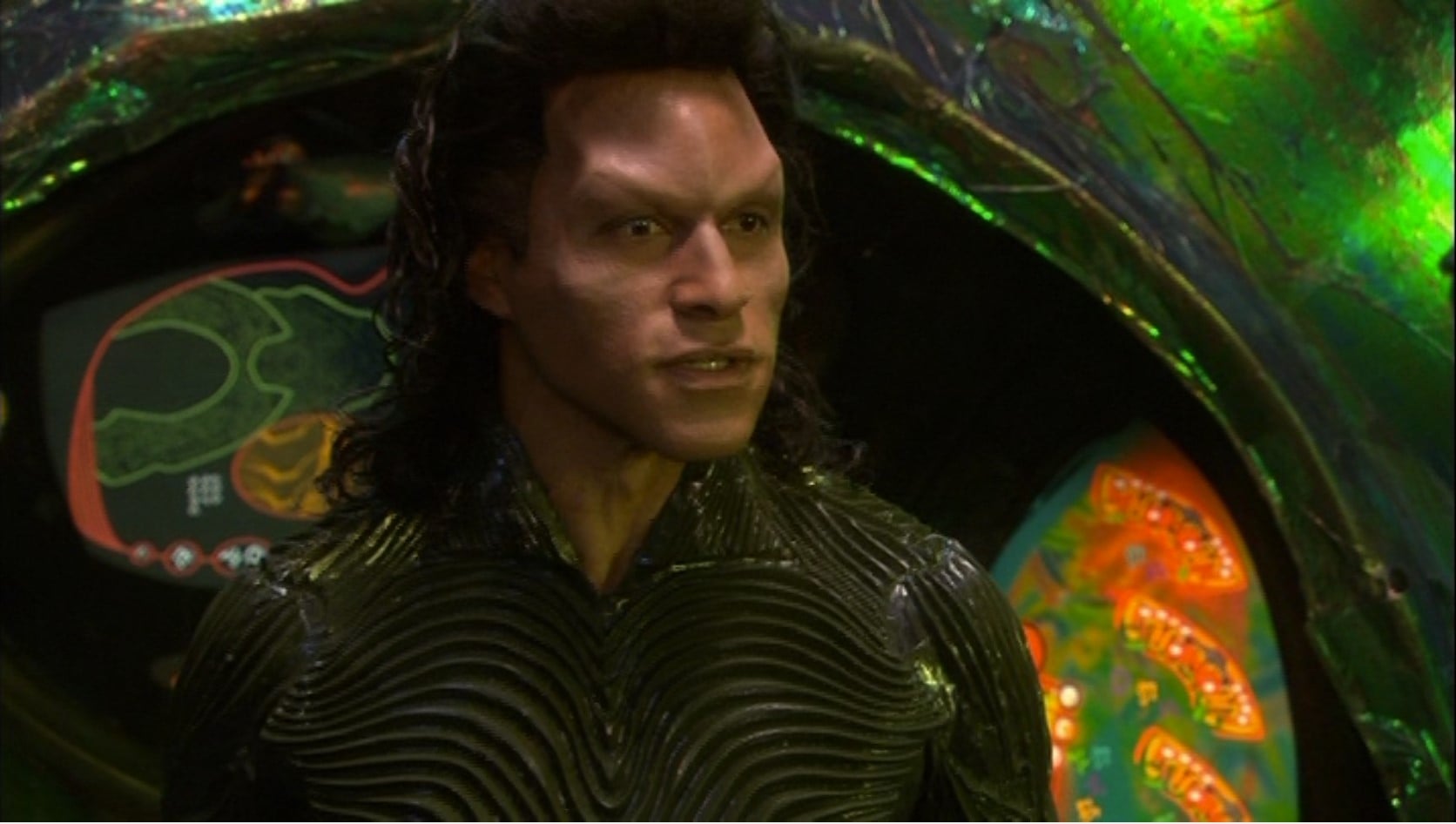
Roddenberry’s original concept was called Battleground: Earth. That was the show’s first issue, as producers changed its original name to avoid confusion with L. Ron Hubbard’s Battlefield Earth, whose film adaptation was heading into production. Yes, that L. Ron, the creator of Scientology. The series was renamed Earth: Final Conflict, and Majel Barrett found a producing partner in David Kirschner (Hocus Pocus, An American Tail).
Roddenberry first outlined the idea much earlier (in the 1970s already). 20th Century Fox even came close to making a pilot for the show in 1977. But they moved on to focus back on a Star Trek revival instead: Star Trek: The Motion Picture. Then, in 1983, V arrived, and it had a very similar premise. The show became a hit, making Battleground: Earth unusable for a time.
The show’s original pitch was simple: Battleground: Earth would be the “anti” Star Trek. While the classic series was hopeful and based on exploration and cooperation, the new show would focus largely on action, drama, and betrayal, set in a near future where technology isn’t always trustworthy.
Originally, the series followed Earthlings dealing with the Taelons – an alien species that had essentially solved every one of Earth’s problems. Of course, that’s positively fishy, and a group of humans decides to uncover the Taelons’ true intentions. Political intrigue and moral greys were the show’s bread and butter. For a while.
RELATED: Roddenberry’s Andromeda Fired Its Showrunner for Being Too Smart. Kevin Sorbo’s Dumbed-Down Version Ran 110 Episodes
Why Earth: Final Conflict Changed So Much Across Five Seasons
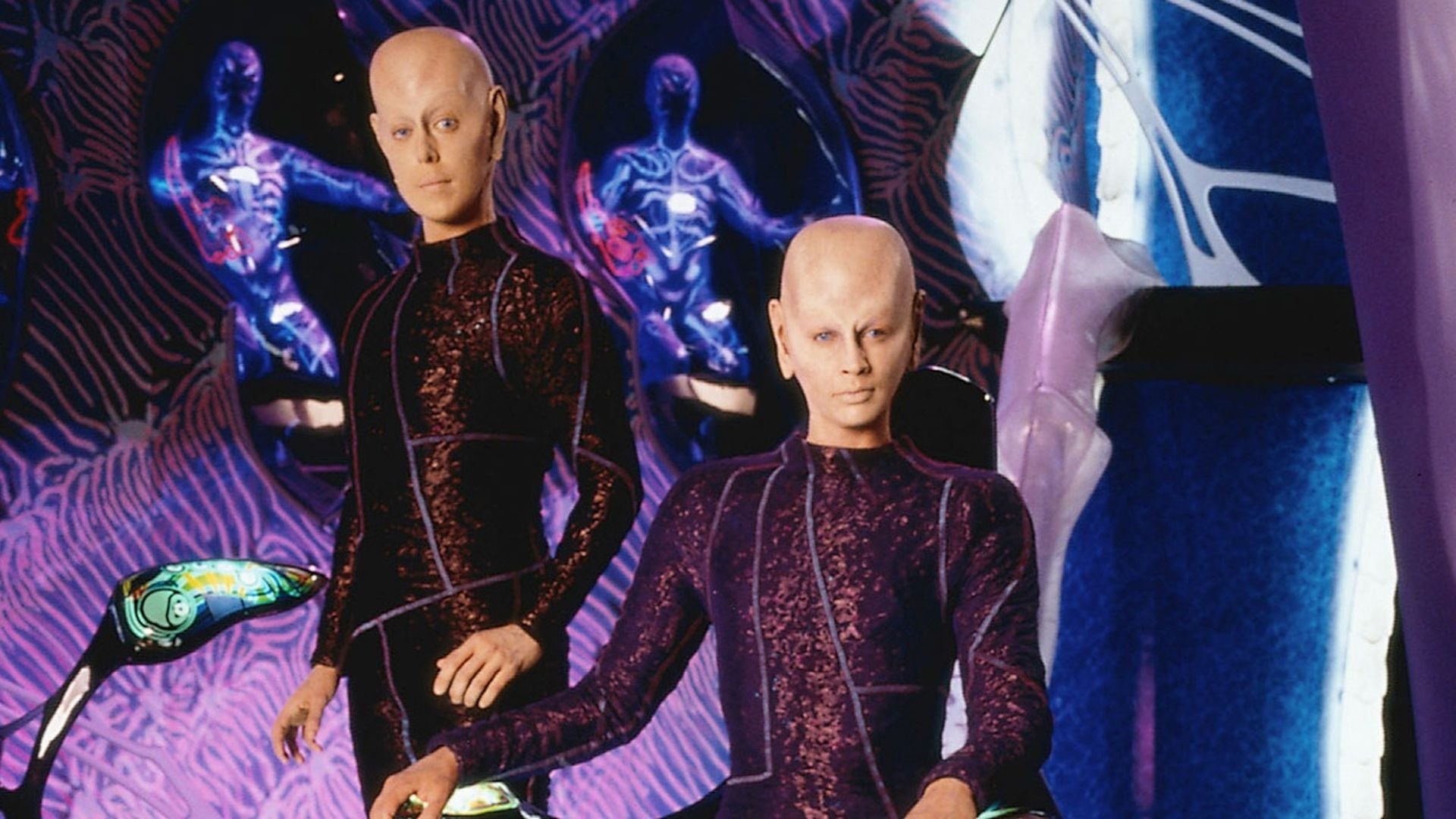
In 1997, when the show first premiered, “serialization” was still a touchy subject for most distributors. Earth: Final Conflict didn’t belong to a major network; it was sold on a station-by-station basis. This means that fans would almost certainly miss a few episodes, and that also means that the show would be better off with standalone episodes, syndication-style.
By Season 2, Majel Barrett had scaled back her involvement, and Kevin Kilner, the series’ lead, had been replaced after Season 1, reportedly under pressure from Tribune Entertainment. The new season leaned harder into standalone stories (even as a Taelon–Jaridian war simmered in the background), turning Earth: Final Conflict into a more “monster-of-the-week” show with new alien species and creatures appearing in many episodes. Surprisingly, this formula worked.
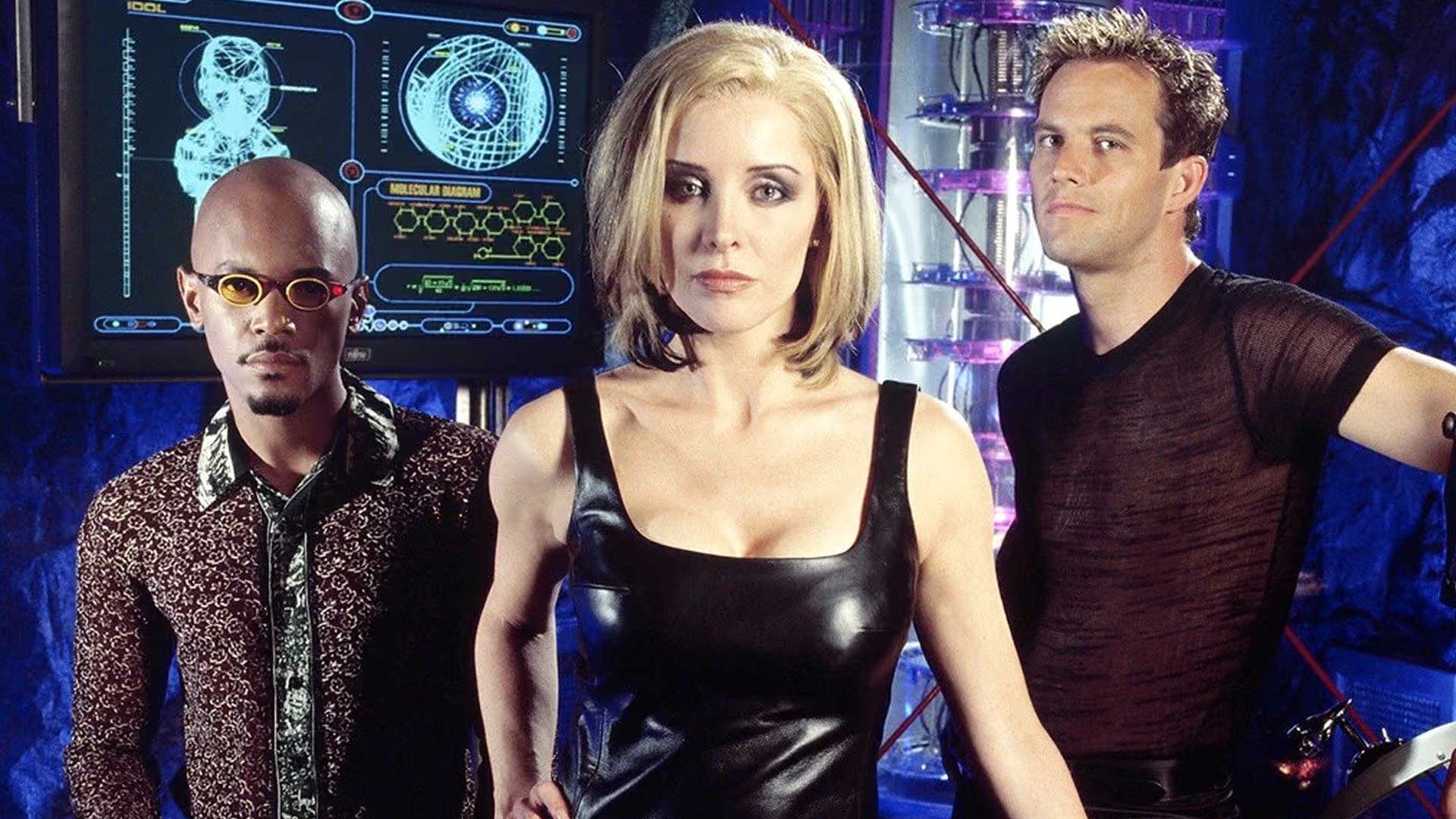
Earth: Final Conflict ran for five seasons, despite behind-the-scenes drama and losing central cast members at nearly the speed of Game of Thrones. The last season was the most drastic departure from Roddenberry’s original vision, as it saw the introduction of the “Atavus”: subterranean energy vampires who dressed as if they belonged in an S&M club. To be fair, this was the early 2000s – The Matrix turned leather into the fashion statement of the era. By then the Taelons had been written out entirely, and Renee Palmer, a supporting character in earlier seasons, was leading the fight against the Atavus.
With most of the cast gone and the original creators distanced from the production, Tribune Entertainment (the show’s main distributor) seemingly saw little reason to keep the lights on. Earth: Final Conflict was canceled after 110 episodes (the finale aired in May 2002) – which is great for a syndicated show.
Against all odds, Earth: Final Conflict had achieved its airing goals. The constant tonal shifts guaranteed that the show would go unnoticed by most fans: the series would drastically change its subject from one season to another. Just imagine if one season of Star Trek was a musical and the next was a horror anthology. Earth: Final Conflict (at least its first season) is still a treat many Trekkies might enjoy, if only as a faint glimpse of what could have been. [On Rotten Tomatoes, Season 1 holds a 100% Tomatometer score from just three critic reviews, while Season 5 has a 40% Popcornmeter score.]
Where to Watch Earth: Final Conflict Online
Earth: Final Conflict is currently streaming in the US on Prime Video and free with ads on The Roku Channel, and episodes can also be bought through Apple TV, Fandango at Home and Amazon.
Earth: Final Conflict |
|---|
When an alien species comes to Earth bearing gifts for humanity, a few suspicious humans seek to discover and resist the newcomers' true designs. |
 |
|---|
| Creator: Gene Roddenberry |
| Cast: Kevin Kilner, Lisa Howard, Von Flores, Richard Chevolleau, Leni Parker, David Hemblen, Robert Leeshock |
| Genre: Sci-Fi |
| Number of Seasons: 5 (110 episodes) |
| Streaming Service: Prime Video |