
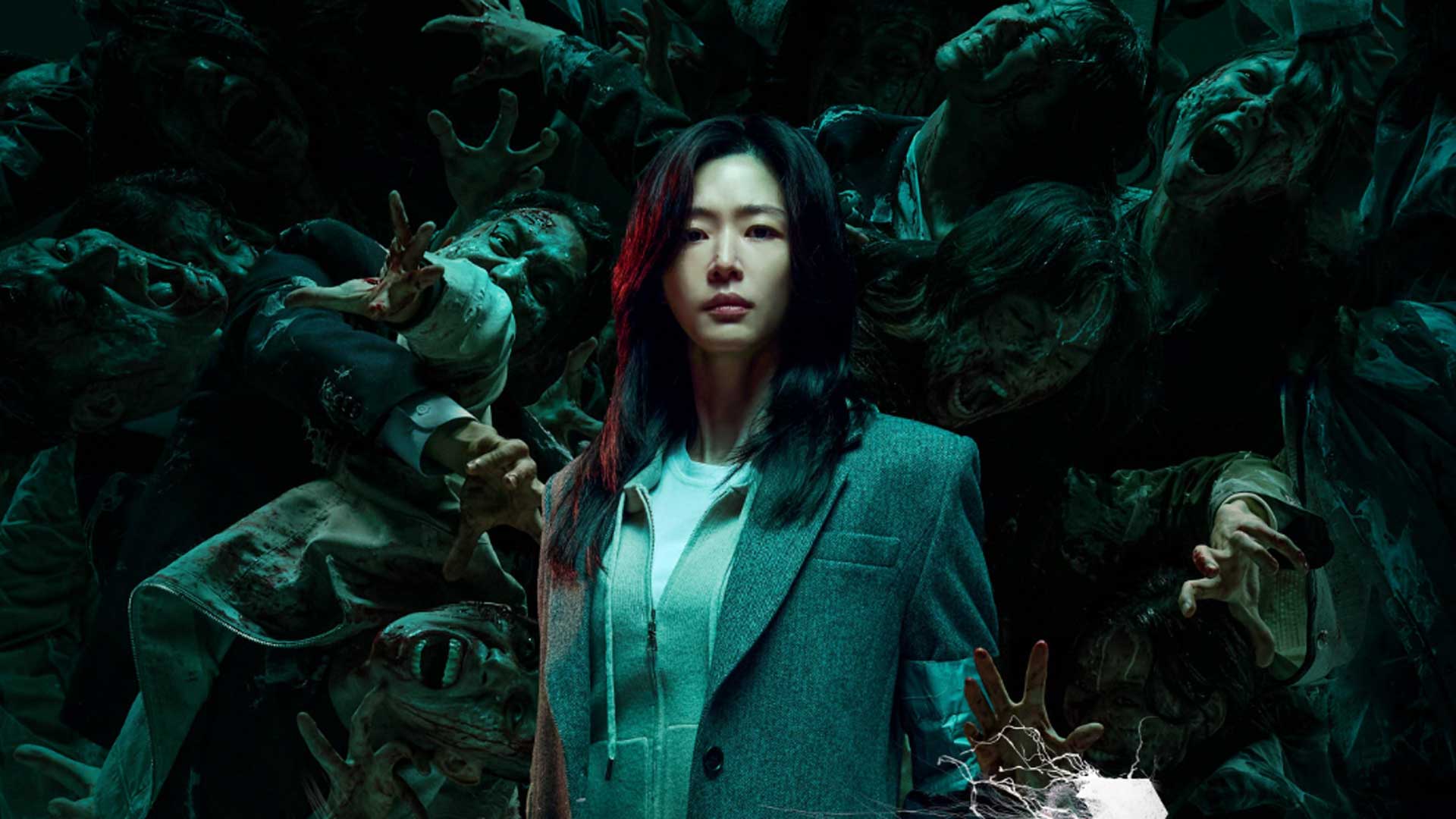


Yeon Sang-ho returns to the familiar territory that he knows best – the zombie genre, marking his first in six years since Peninsula, a fairly entertaining but clunky standalone sequel to the unforgettable Train to Busan. First screened as part of this year’s Cannes’ Midnight Screening titles before rolling out in cinemas internationally in stages, Colony predominantly takes place in a single location. A building that houses corporate offices and retail spaces, where the latter recalls the confined mall setting seen in George A. Romero’s 1978 zombie-horror classic Dawn of the Dead.
Sang-ho, who also co-wrote the screenplay with his Netflix’s Revelations’ Choi Kyu-seok, looks deceptively straightforward at first: A disillusioned scientist-turned-bioterrorist Seo Young-cheol (Koo Kyo-hwan), previously working for a biotech company, has a grudge against the CEO. Upon a face-to-face meeting following a biotech convention in the building, Seo ends up injecting him with a viral agent, causing the latter to convulse and even throw up before turning into a violent zombie.
Soon, a chain reaction follows with more people in the building being bitten, turning everything into chaos. Among the human survivors trapped inside the building are Kwon Se-jeong (Jun Ji-hyun), a biotech professor hoping to secure a new job with the help of her ex-husband Han Gyu-seong (Go Soo), security guard Hyun-seok (Ji Chang-wook) and his wheelchair-bound older sister Hyun-hee (Kim Shin-rok).
Zombies That Learn, Adapt, and Outflank
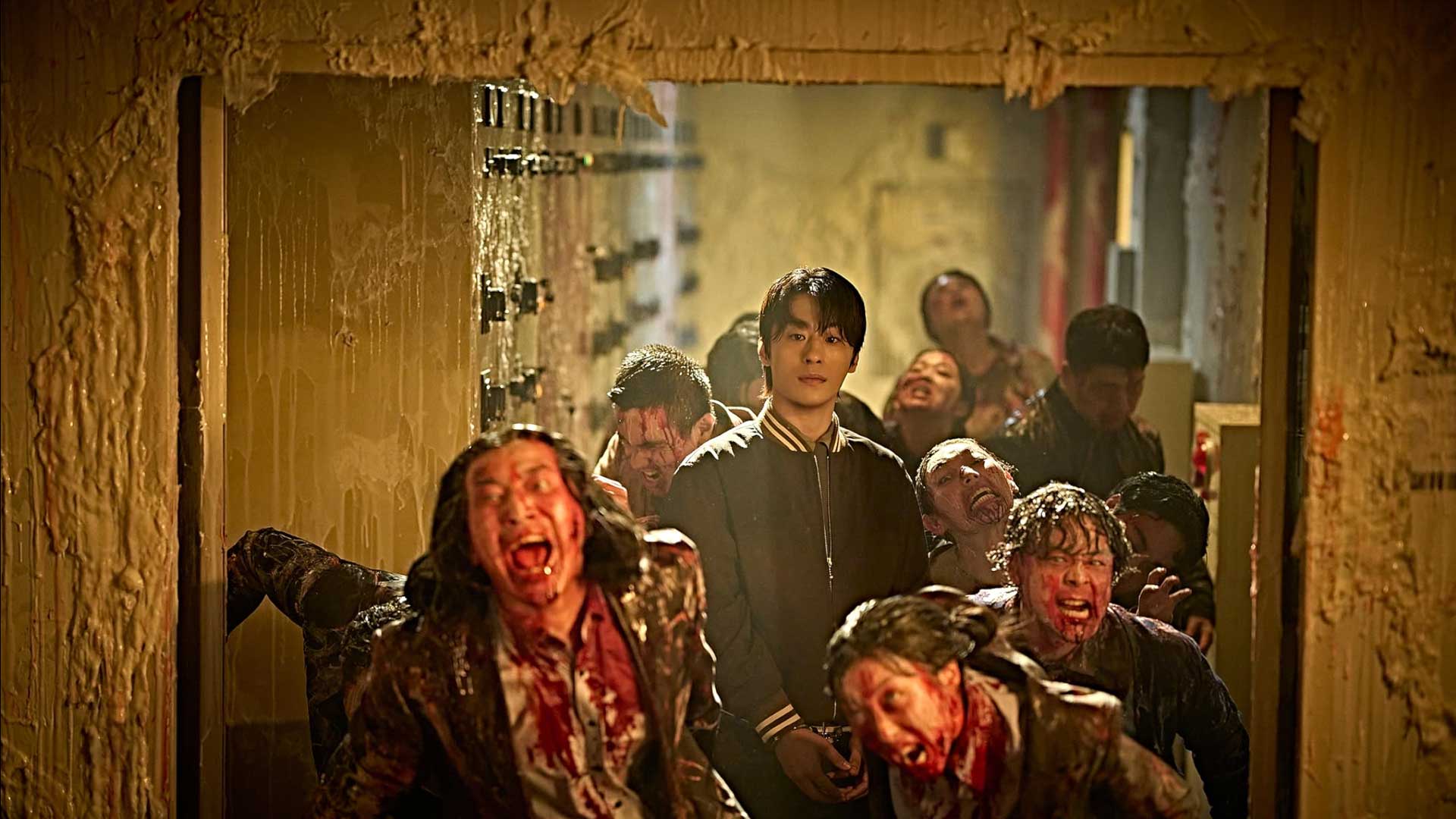
Yeon wastes little time putting them through the wringer while highlighting these characters’ desperate attempt to stay alive. At the hands of a lesser director, this could easily be a typical zombie thriller about survival. But Yeon manages to keep it progressively intriguing with the novelty factor of how the zombies behave, first prancing around on all fours like wild animals and even attacking life-sized standees displayed in the mall sections of the building, which adds a sense of levity to the latter.
Then comes the interesting part: What if these zombies manage to evolve in real time as they keep learning through a psychic-like communication from a hive mind concept? This, in turn, makes them increasingly intimidating as the human survivors would have to try harder to outsmart these zombies. Yeon reflects his movie’s primary narrative by mirroring how AI algorithms function collectively in gathering and linking data from a single network, which, in this case, refers to Seo’s cognitive ability to control the zombies. These infected are stripped of their individualities and personalities, unlike the ones seen in Romero’s Dead film series, such as the compliant Bub in 1985’s Day of the Dead.
Yeon is equally leaning into the explicit idea of rapid communication, relaying its information as a tool of psychological threat rather than a safety net. The zombies in Colony are far from the mindless, flesh-eating cannibals, but prove to be highly coordinated yet adaptable beings that grow increasingly dangerous as their collective intelligence expands to one level after another. For instance, they upgrade themselves from animal-like crawling to moving more efficiently on two legs, before subsequently operating as an army unit capable of strategizing tactical formations. At one point, they even manage to outflank a highly trained police unit upon infiltrating the building.
Humanity Becomes the Real Threat
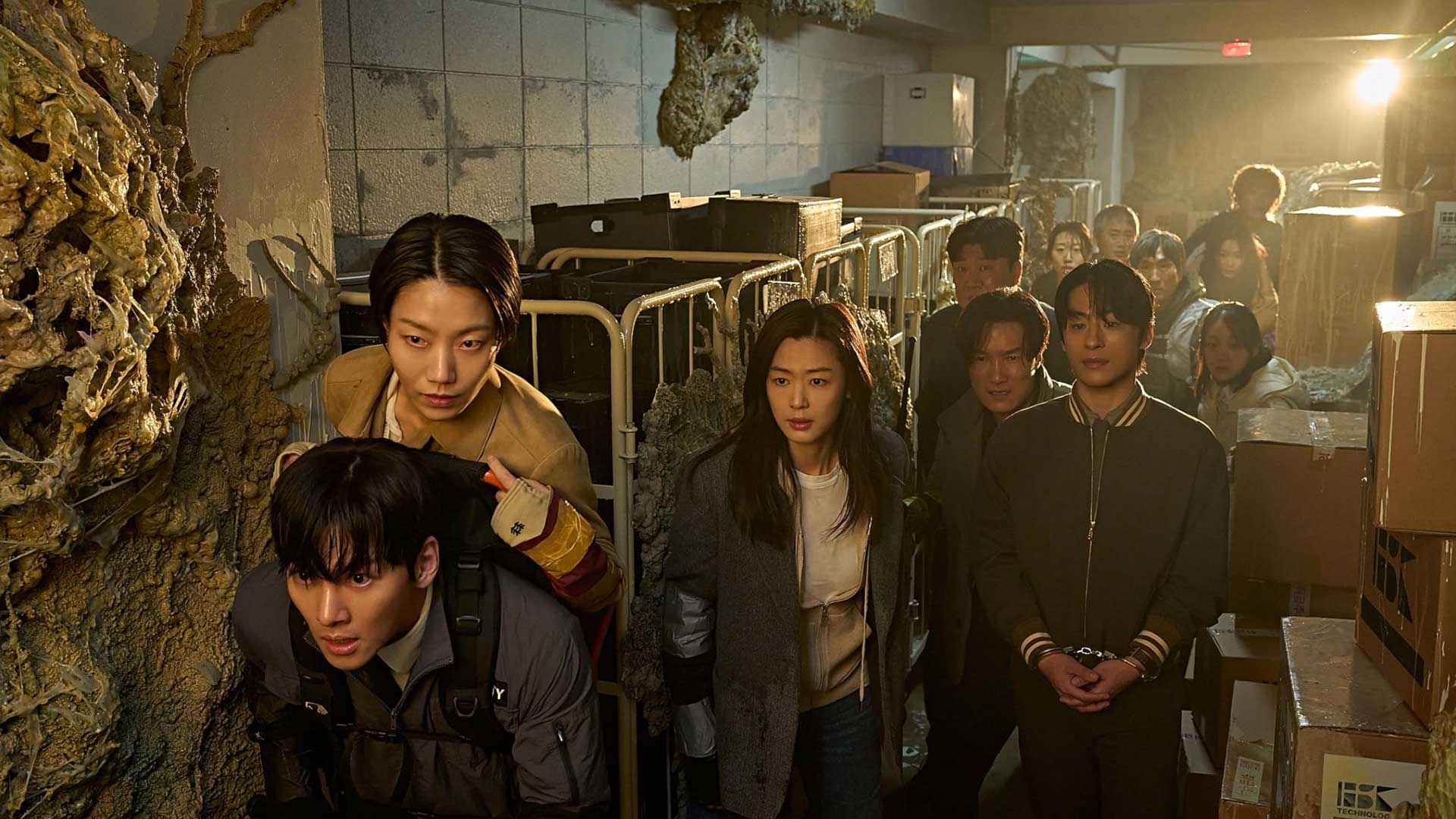
Like Train to Busan and Peninsula, Yeon has once again delved into the dark side of human nature, a recurring theme that works well in Colony. We see how human survivors like the trapped, plainclothes police officer Lee (Lee Joong-Ok) become more desperate and selfish as the situation turns fatally dire. The movie also injected the clinical reality of modern politics seen from Kim Hyung-mook’s Chief of Staff character, a high-ranking government official who cares more about exploiting his authoritative control than showing empathy and accountability towards the people trapped in the building.
Jun Ji-hyun Steals the Show
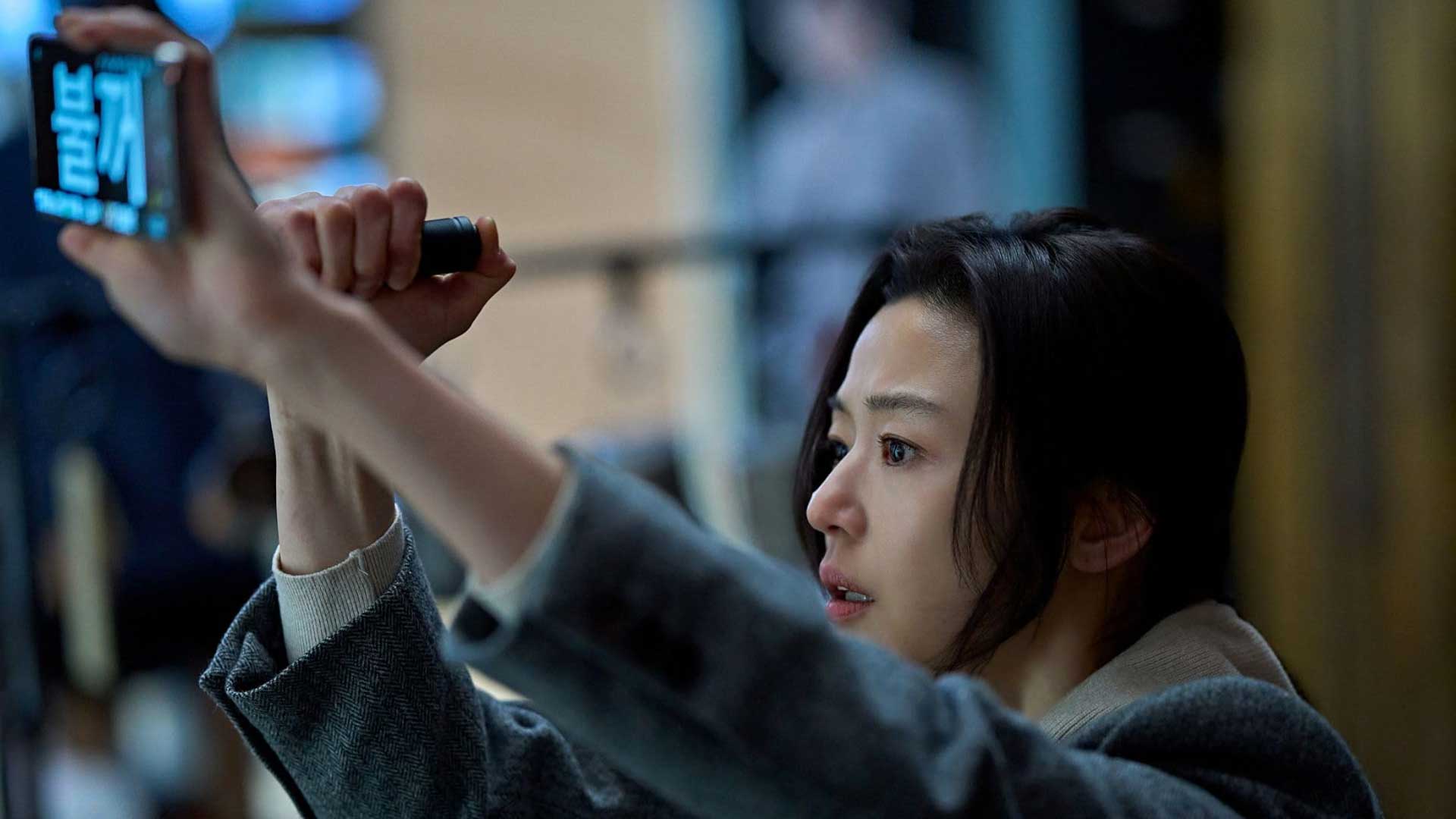
Colony isn’t just notable for the return of Yeon Sang-ho in the zombie genre, but also for the highly anticipated comeback of Jun Ji-hyun to the big screen. Believe it or not, it has been 11 years since she last headlined the 2015 spy thriller Assassination before transitioning into TV series, namely Jirisan and Tempest. She steals most of the show here, radiating an undeniable movie-star charisma while bringing a subtle depth of emotional and dramatic restraint to her level-headed character, relying on sound judgment and analytical skills to overcome the crisis rather than succumbing to a standard-issue scream-queen archetype commonly seen in the horror genre.
Colony Review: The Verdict
Despite the movie clocking in at a little over two hours, Yeon maintains a mostly consistent pace, even with the occasional expository-heavy moments. It’s no Train to Busan, which remains Yeon’s genre-defining zombie-horror masterpiece in South Korean cinema. But Colony marks a significant step-up from the uneven Peninsula, proving Yeon still has what it takes to craft an intriguing high-concept zombie horror.
RELATED: The Top 10 Best Korean Zombie Movies Ever Made, Ranked
The Review
Colony
Yeon Sang-ho’s long-awaited return to the zombie genre blends an engrossingly conceptual premise with thrilling zombie action and Jun Ji-hyun’s scene-stealing performance.
Review Breakdown
-
Verdict