
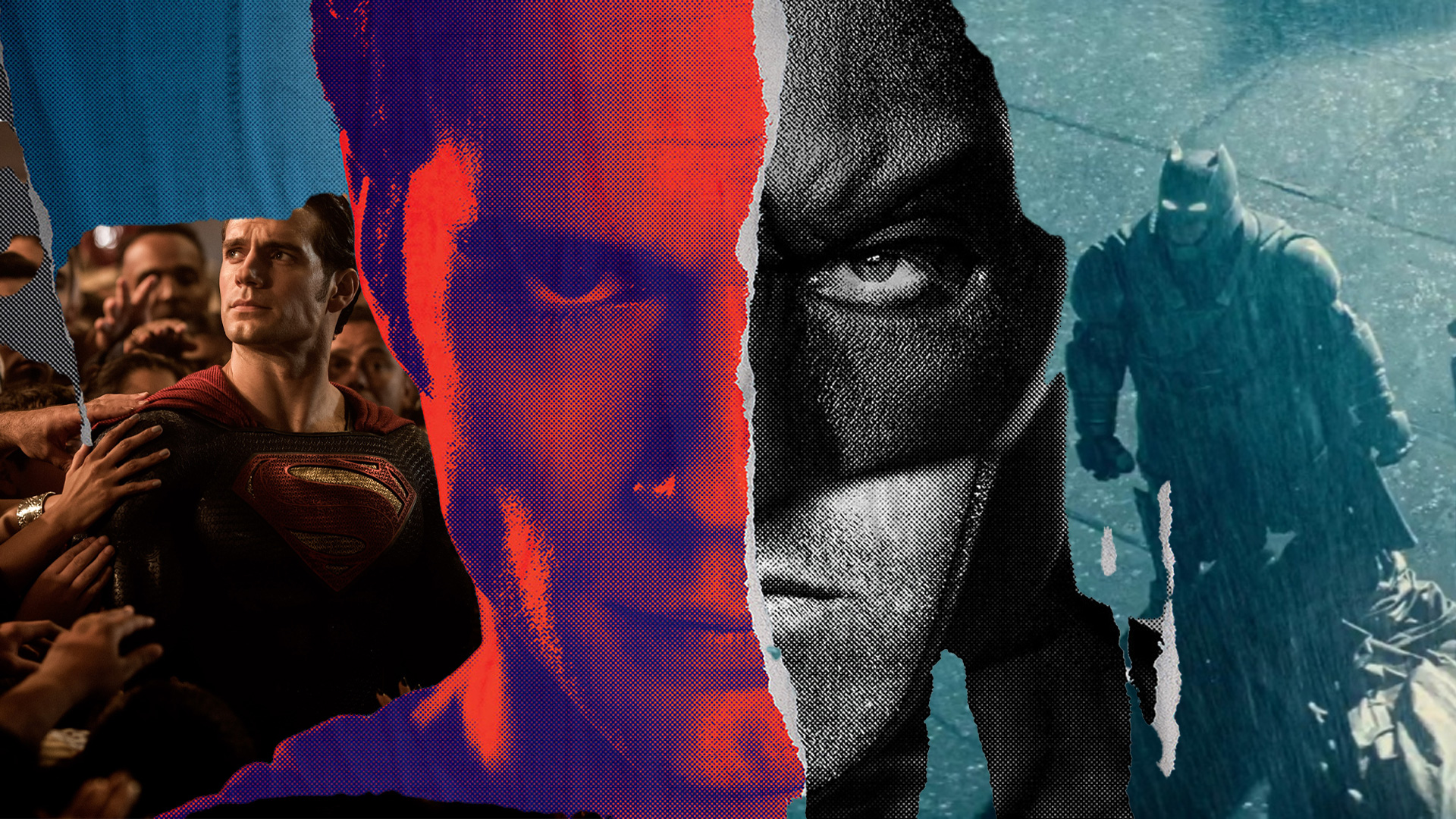


A decade ago, Zack Snyder’s Batman v Superman: Dawn of Justice landed in theaters – and comic book fandom was never the same again. There’s no nuance when it comes to this film; either you appreciate Snyder’s vision or you loathe it.
Batman v Superman also marked the beginning of the end for the Snyderverse, as Warner Bros. developed cold feet over the filmmaker’s mature leanings and wanted to imitate the Marvel Cinematic Universe’s family-friendly approach. It’s a topic that’s been covered heavily both on this site and elsewhere, but that’s not the point of discussion here. Instead, it’s about how Batman v Superman is the last time a comic book movie took a big risk – and honestly, the genre has been worse off since everyone tried to homogenize it.
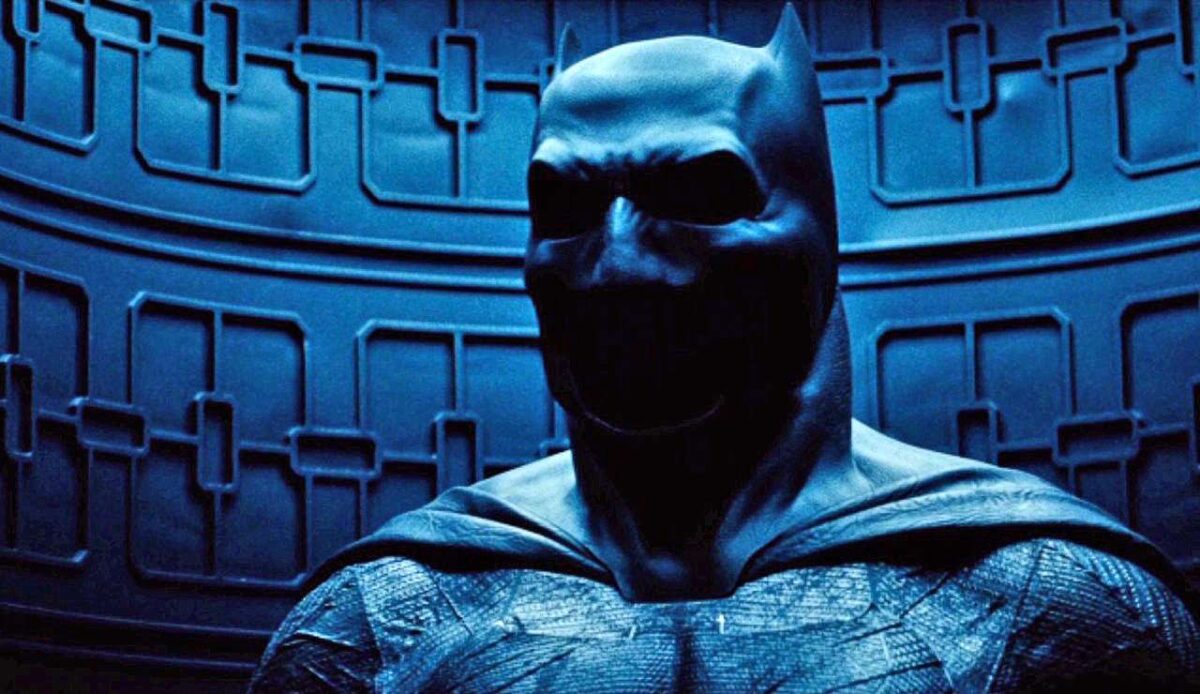
Zack Snyder has made no secret of the fact that he likes to deconstruct superheroes. Rather than create simple stories of good versus bad, he wants to put the heroes in positions that question their ethical boundaries and how they’ll behave in the face of true adversity. Ben Affleck’s Batman is testament to this. He embodies the most likely what-if situation had he existed in the real world. After decades of fighting crime in Gotham City and nothing changes around him, it’s bound to break a man’s spirit. At some point, he wonders if his methods have made a difference, or if his code has held him back.
When Superman (Henry Cavill) arrives on the scene, Bruce Wayne’s paranoia spikes. This is an alien threat, greater than that of the Joker or Penguin. The Man of Steel and Zod’s (Michael Shannon) fight destroys an entire city and kills thousands in collateral damage. Batman has lost faith in people being able to be good, so he views Superman as bad – and if he isn’t, it’s only a matter of time until he becomes it. For the Dark Knight, there’s only one answer here: destroy the Kryptonian before he destroys Earth.
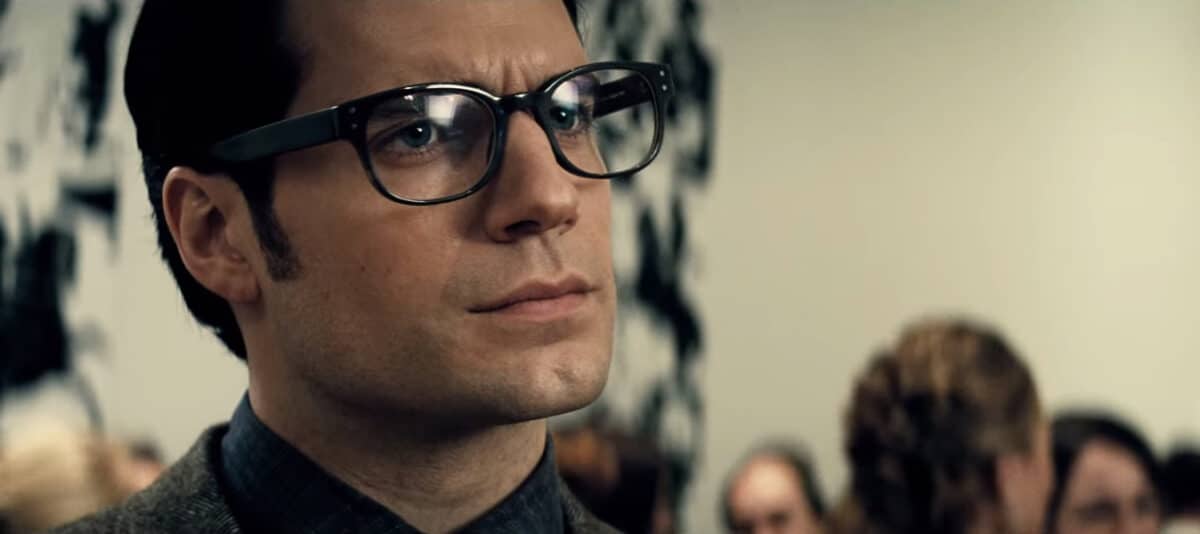
Already an outsider, Superman grapples with the consequences of his actions in 2013’s Man of Steel. He wants to save the world, but he finds resistance at every turn, as everybody questions who gives him the authority to act on behalf of people and governments (ironically, it’s a similar theme that James Gunn borrows for 2025’s Superman).
In the shadows, billionaire Lex Luthor (Jesse Eisenberg) connives and orchestrates the downfall of Superman. He refuses to let anyone treat the Man of Steel as a god, since he believes man is superior to any god (again, another borrowed element in Gunn’s Superman).
While there’s much controversy around the depiction of Eisenberg’s Lex, especially as he comes across as more socially awkward than other versions of the character, think about this for a second: which billionaire is actually cool in real life? There’s a famous one who fights strangers on a social media platform he bought and manipulates, while there are others who have thinner skins than hot dogs, so…
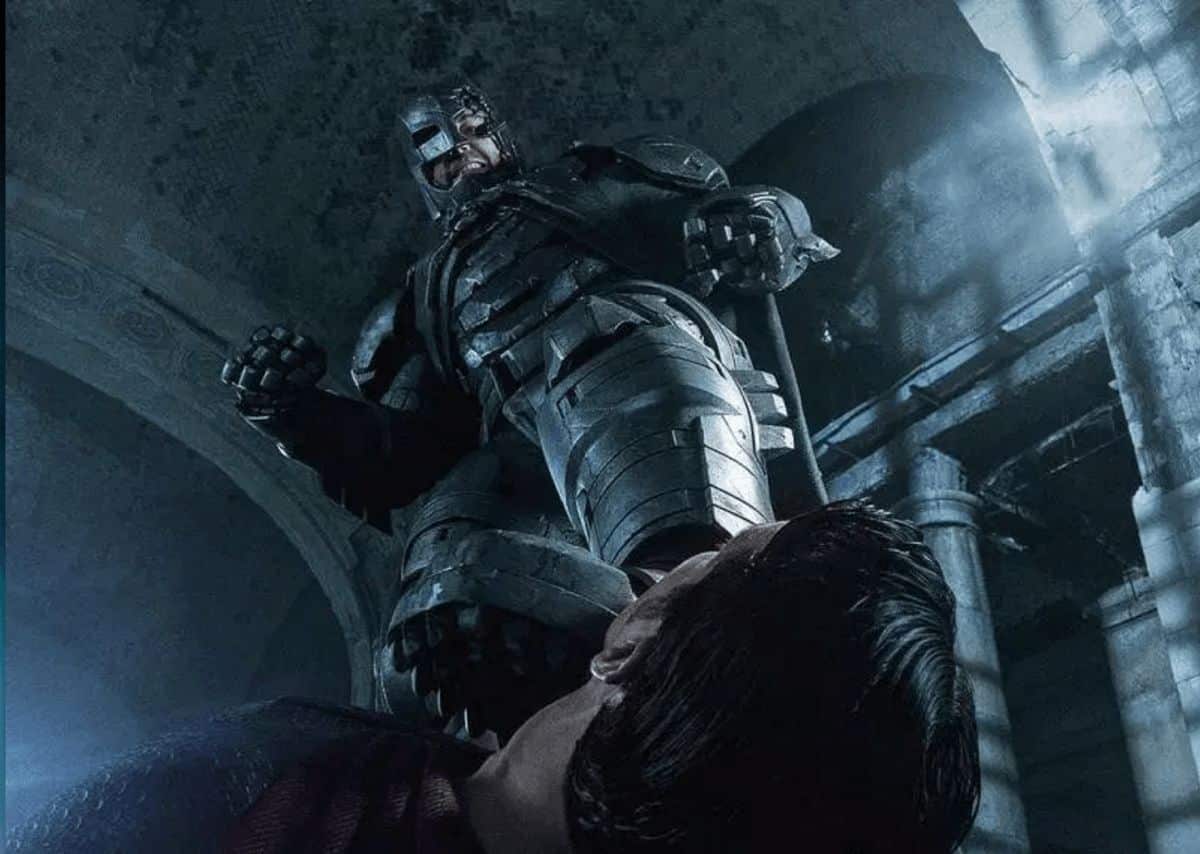
Snyder’s Martha moment attracts a lot of controversy (and memes) to this day. For many viewers, it’s silly how their mothers having the same name is what snaps Batman out of his rage. Yet the truth is their moms have the same name in the comics too, so this isn’t anything out of the ordinary. Also, consider who Batman is for a second: this is the guy who continues to fight crime because he became an orphan at a young age. He forgoes therapy to dress up as a giant bat and beat up criminals on a nightly basis. Someone saying the name of his dead mother as he prepares to end their life will trigger him. It’s a reminder of why he does what he does and how he lost his purpose along the way. Doesn’t sound so stupid now, does it?
Batman v Superman takes another major gamble in how it creates Doomsday for the story. While purists might have wanted to see something closer to the comic book counterpart, Lex playing evil scientist actually makes sense if you had read the comics beforehand. This is straight out of his playbook, and his using his own DNA and Zod’s to create Doomsday is a clever way of paying tribute to this aspect of the character. It’s a frightening Frankenstein’s monster, which is exactly what it should be.
Then, there’s the inclusion of the other members of the Justice League. To be fair, the only one who really features much in the story is Gal Gadot’s Wonder Woman, while the others are blink-and-you-miss-it cameos. Could the DC Extended Universe have utilized more solo films to introduce the heroes beforehand? Yeah. probably. However, Snyder chooses to establish a world where these heroes already exist rather than give everyone an origin story. Once again, something Gunn does in his Superman film.
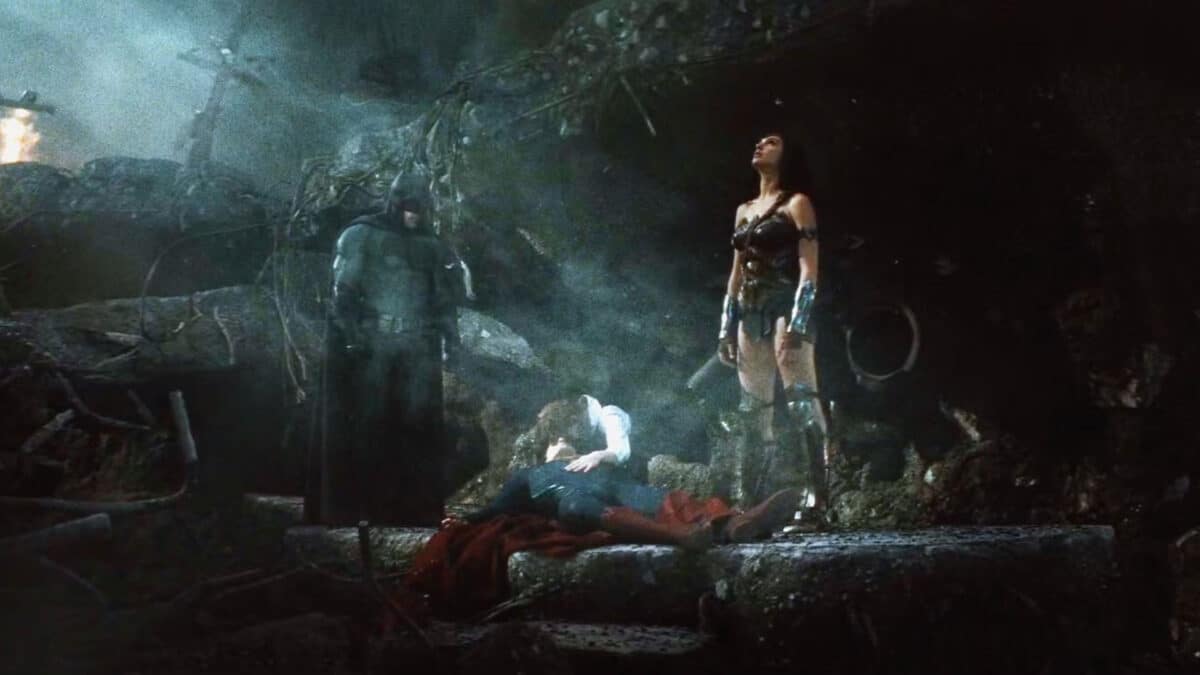
Perhaps it’s best to look at Batman v Superman: Dawn of Justice through the lens that Snyder intended. This isn’t a traditional superhero movie. It’s about examining these mythical beings – or gods of pop culture – and how we, as society, have elevated them to be infallible. But are they? Is there no room for them to make mistakes, question their own actions, or for us to do the same?
There’s a case to be made that superhero movies are about ideals and providing hope in a darkened world, since that’s the reason they were created in the first place. However, what is art if it’s not meant to challenge our way of thinking and worldviews? There’s plenty of room out there for different types of stories and approaches. Say what you want about Batman v Superman: Dawn of Justice, but it’s the last time a comic book movie dared to be something other than the expected. For that alone, it deserves credit.
RELATED: Batman v Superman’s Cast Was the Gold Standard for Superhero Films