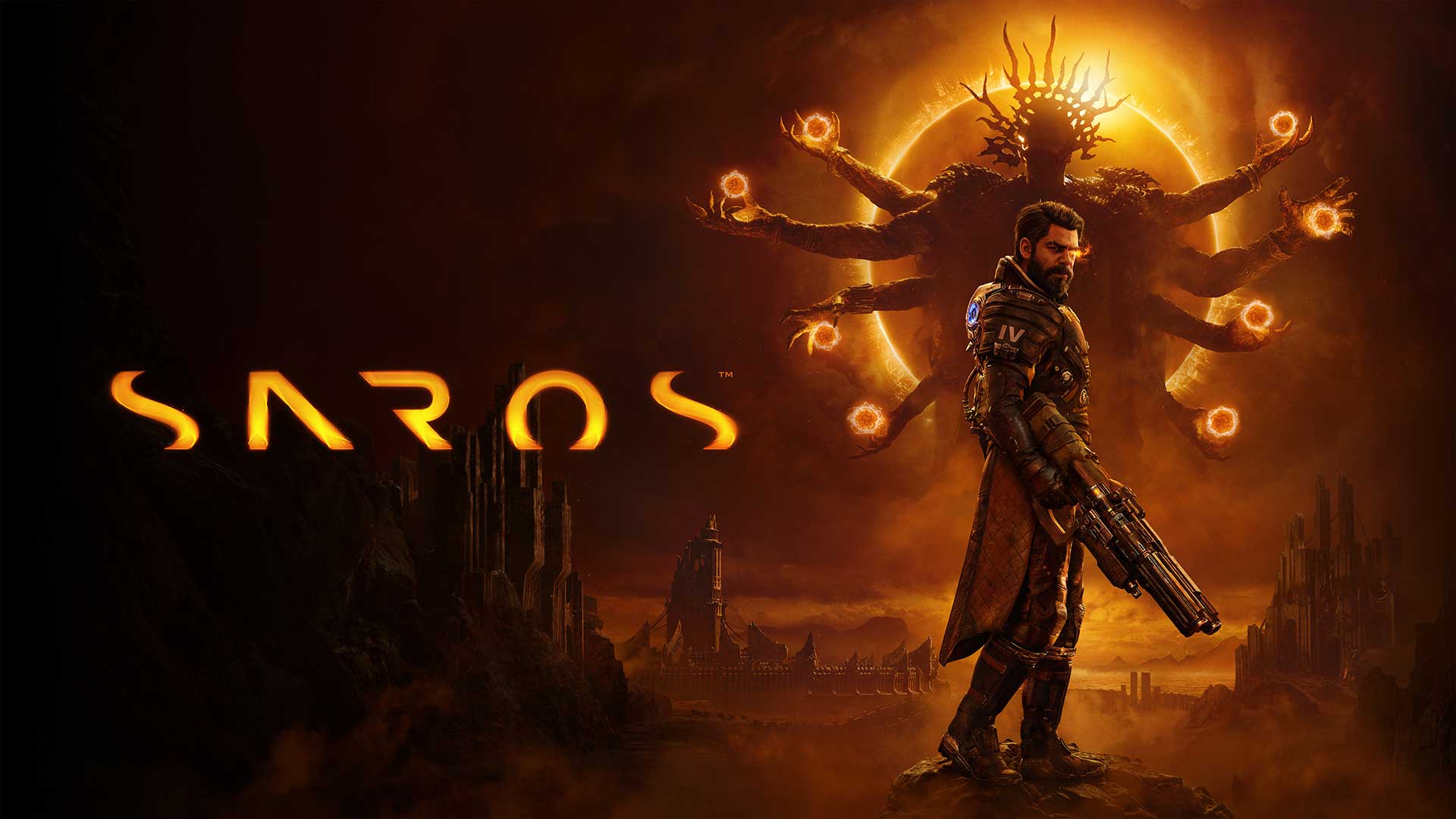


The fear of spiders is called arachnophobia. The fear of heights is called acrophobia. But what do you call the fear of a 30-minute game run ending, resetting you back to the beginning, because a floating space squid shot glowing red bullets in your face? That’s the kind of fear Housemarque has mastered, both in Returnal and Saros, their latest PlayStation 5 exclusive, another unforgiving cosmic horror game that punishes players by making them suffer again and again and again and again… until they’ve mastered it.
If you played Housemarque’s Returnal, you’ll be familiar with the idea: you play, you die, you reset and repeat. Think Tom Cruise’s Edge of Tomorrow. In Saros, gamers play as Arjun Devraj (performed and voiced by Rahul Kohli), an Enforcer for the Soltari Corporation, sent to a hostile alien planet packed with Lucenite, a powerful mineral. But Arjun is secretly in search of something else: someone important to him who went missing during previous visits to the planet.
That’s a very bad idea, of course, but it’s the perfect setup for a third-person action game that combines bullet hell and roguelite elements. It’s especially interesting when it pulls from cosmic horror films like The King in Yellow, Event Horizon and Sunshine.
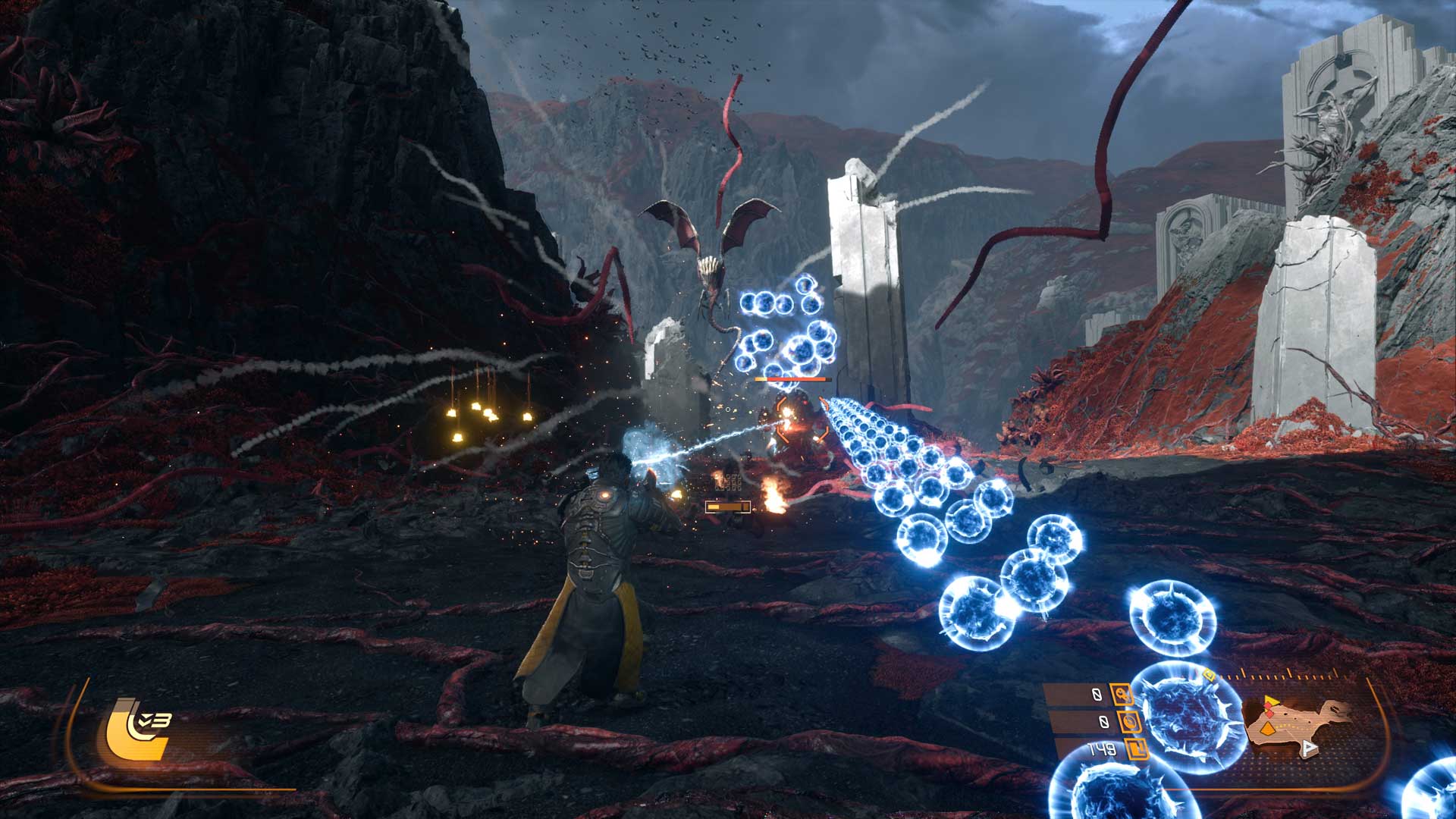
But Housemarque has learned some important lessons from Returnal. The biggest difference between the two is that Saros is a little more forgiving. The fact that the game gives you a Soltari Shield, which lets Arjun absorb blue projectiles and fire that power back, is mercy. It’s more than what we got in Returnal, where dodging bullets was critical to surviving.
Still, Saros requires you to do a lot of dodging, too. Housemarque calls it “bullet ballet,” which makes sense once you start playing through the game. Arjun must dash through projectiles, absorb bullets, return fire, grapple across arenas and blast biomechanical horror before he dies and resets again. At times, it’s fast, mean and a little unfair.
And just when you think you’ve got a handle on things, the eclipse hits. The sky darkens, the world shifts, and everything gets much worse. Enemies become even more aggressive, their attacks start corrupting your health, and even helpful upgrades can come with nasty trade-offs. It turns every run into a risk-reward gamble where you’re constantly deciding how much punishment you can take before it all falls apart.
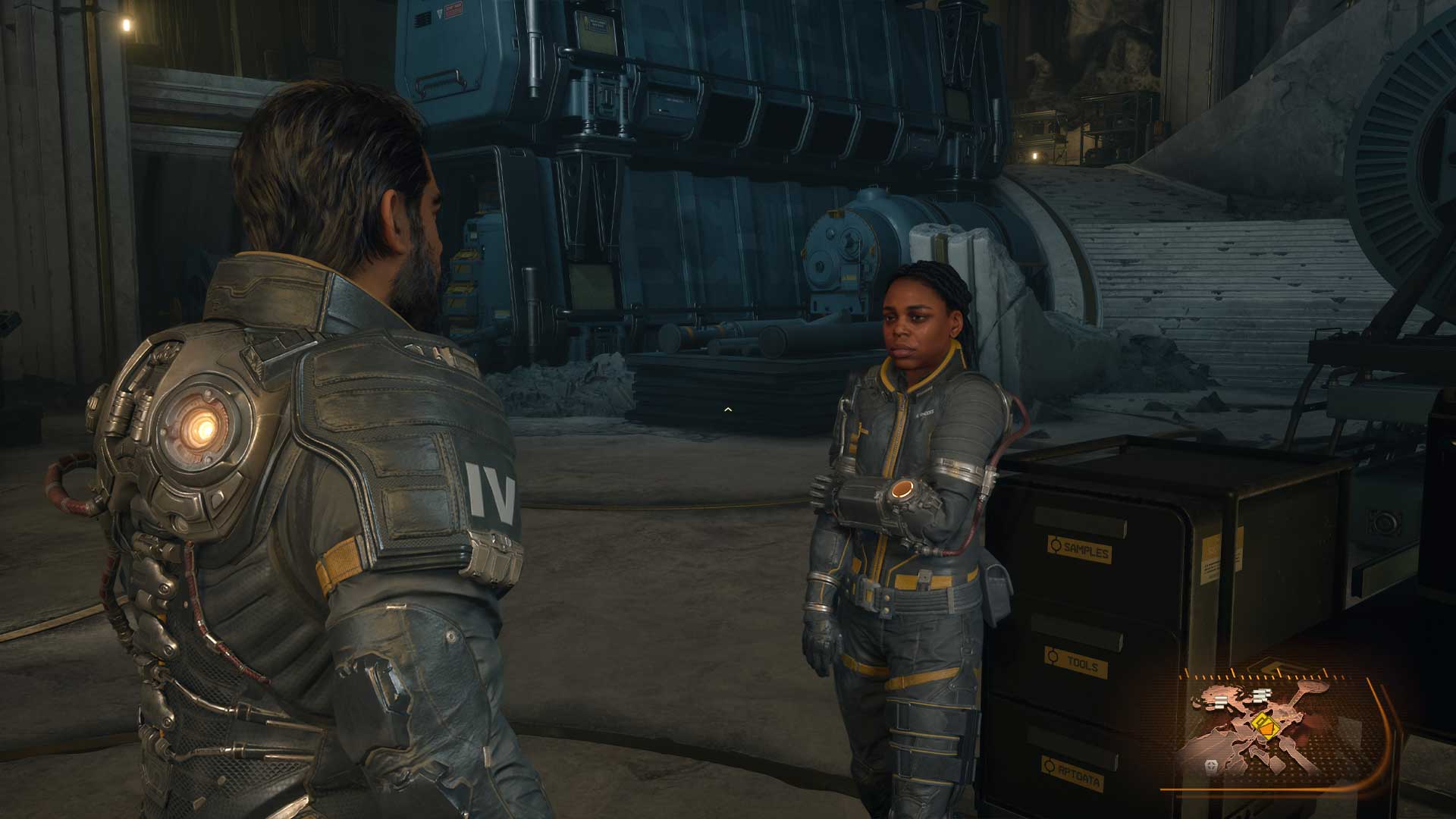
I handed a controller over to my 8-year-old for a few minutes after the visuals intrigued him. It wasn’t long before he handed it back to me and said, “This game is too hard.” And he isn’t wrong. Death comes very often in Saros. But it’s not all doom. When Arjun returns to The Passage, the Echelon IV base, you can spend Lucenite on permanent upgrades through the Armor Matrix. That means more health, stronger shields and better weapons for your next run.
This makes each run feel unique, and maybe more like progress rather than punishment. The runs are also shorter than Returnal‘s. Plus, portals now let you return to later biomes instead of starting from scratch every single time. Thank you, Housemarque!
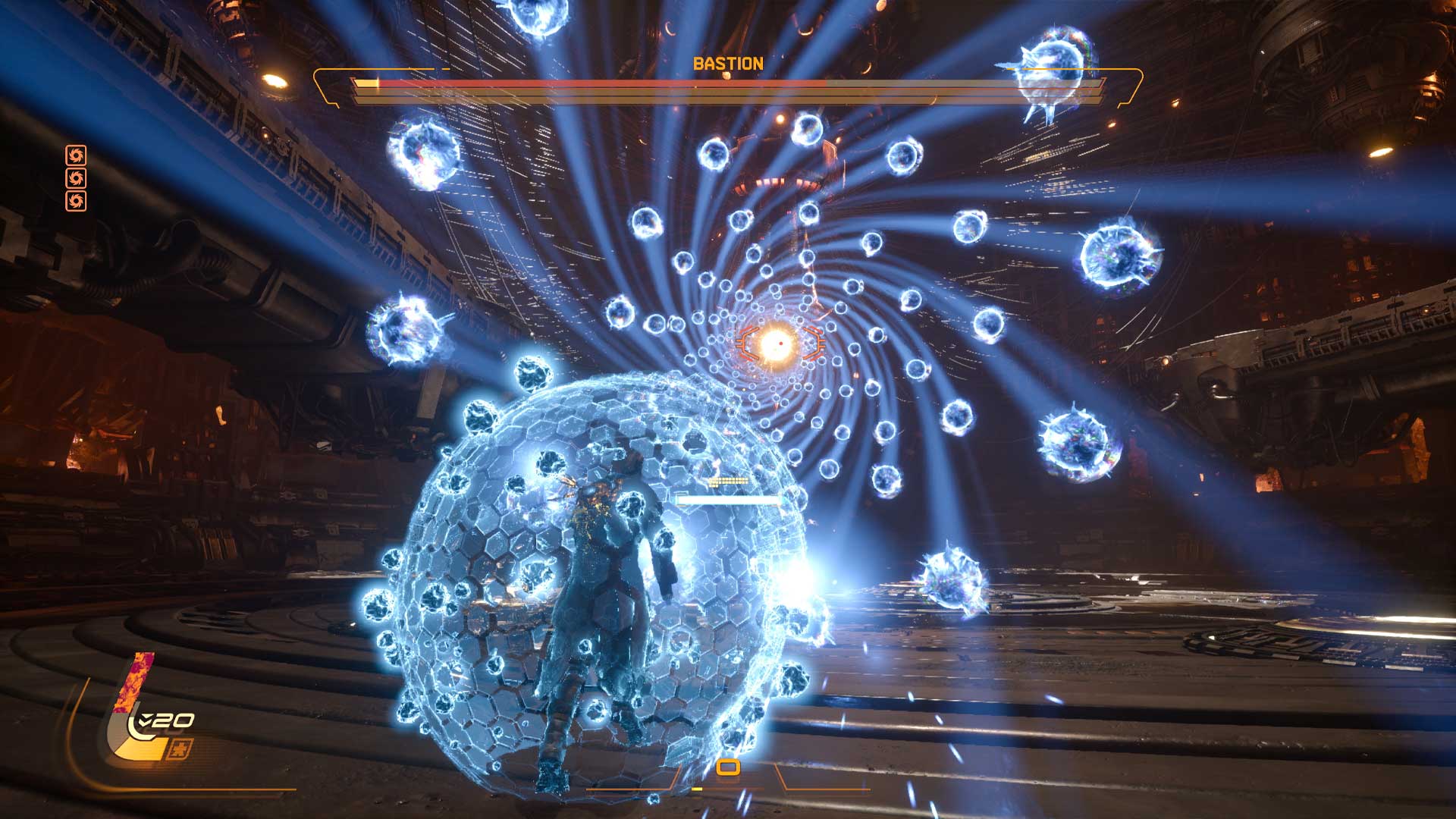
And when you finally push through a biome, you’re rewarded with boss fights that test everything you’ve learned. These encounters aren’t just about surviving chaos, of course. They demand precision, pattern recognition and a bit of nerve from players. They’re tough, no question, but they feel fair. Lose, and you know exactly why. Win, and it feels earned.
But about those visuals that attracted my son to the game… Saros is ridiculously beautiful. From ancient ruins to black alien architecture, swampy nightmares and underground spaces that look half machine, half bad dream, the developers made sure that there’s “beauty” hidden behind every corner. It’s like a strange blend between H.R. Giger’s Alien work and The Matrix’s Sentinel worlds. The art direction deserves plenty of awards.
And when you combine the visuals with amazing sound and music, and a good story, you have something truly special. The narrative leans heavily into mystery and doesn’t always spell things out. Sometimes that works in its favour, letting you piece things together yourself. Other times, it leaves threads hanging just a little too loosely.
In the end, Saros doesn’t just build on Returnal. It reshapes it into something a little more welcoming, a little more daring, and just as punishing when it wants to be.
RELATED: Pragmata Game Review – Capcom’s Sci-Fi Shooter Explores New Frontiers of Gameplay
The Review
Saros
Saros is a brutal but rewarding evolution of Returnal, built around repetition, mastery and that constant fear of losing progress.
PROS
- Great visuals
- Great sound
CONS
- Not for the faint-hearted