
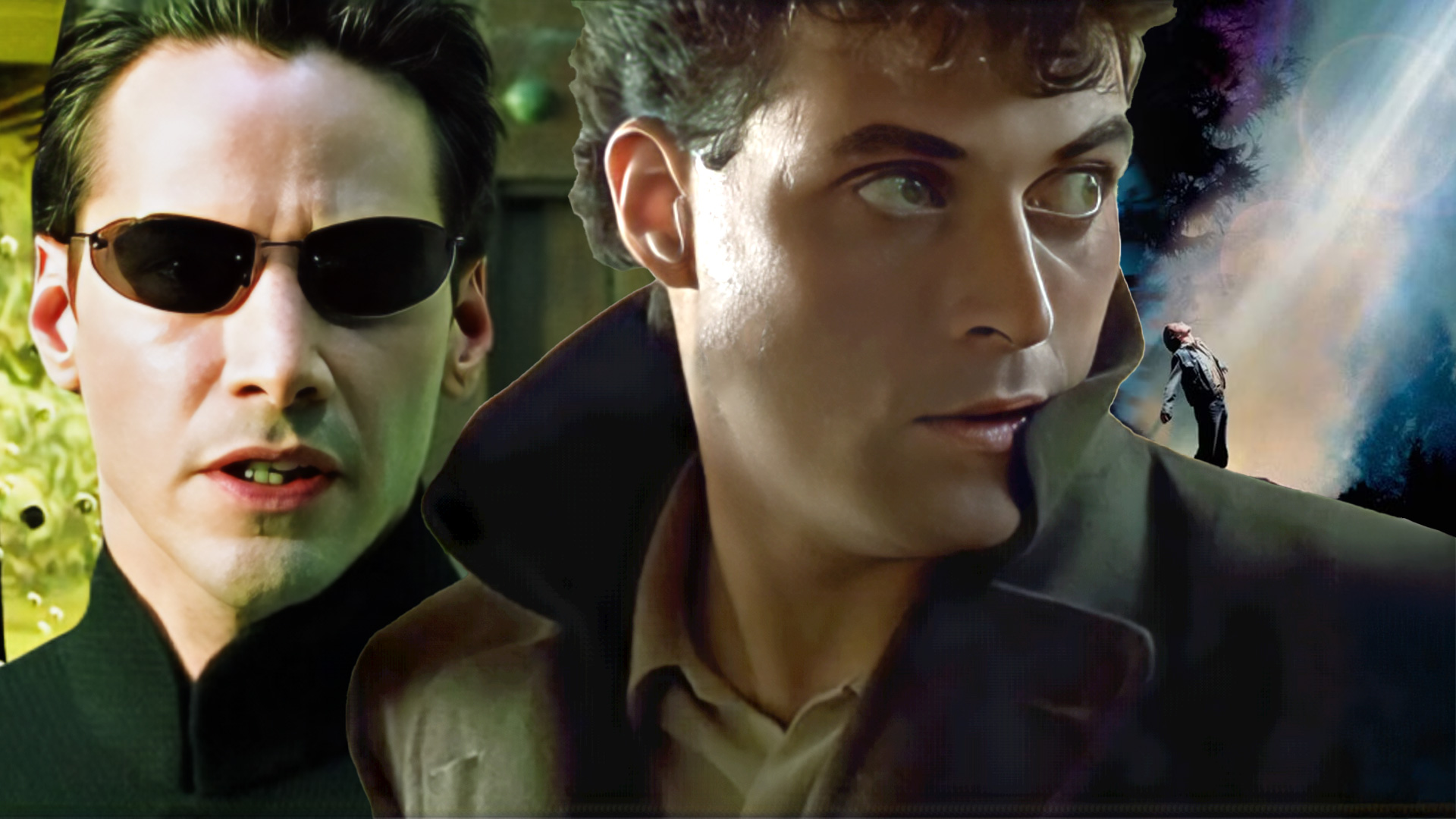


In 1998, Roger Ebert called Dark City the best film of the year — awarding it a rare perfect score he would uphold for the rest of his life. One year later, The Matrix arrived and buried it.
The Perfect Score Ebert Never Walked Back
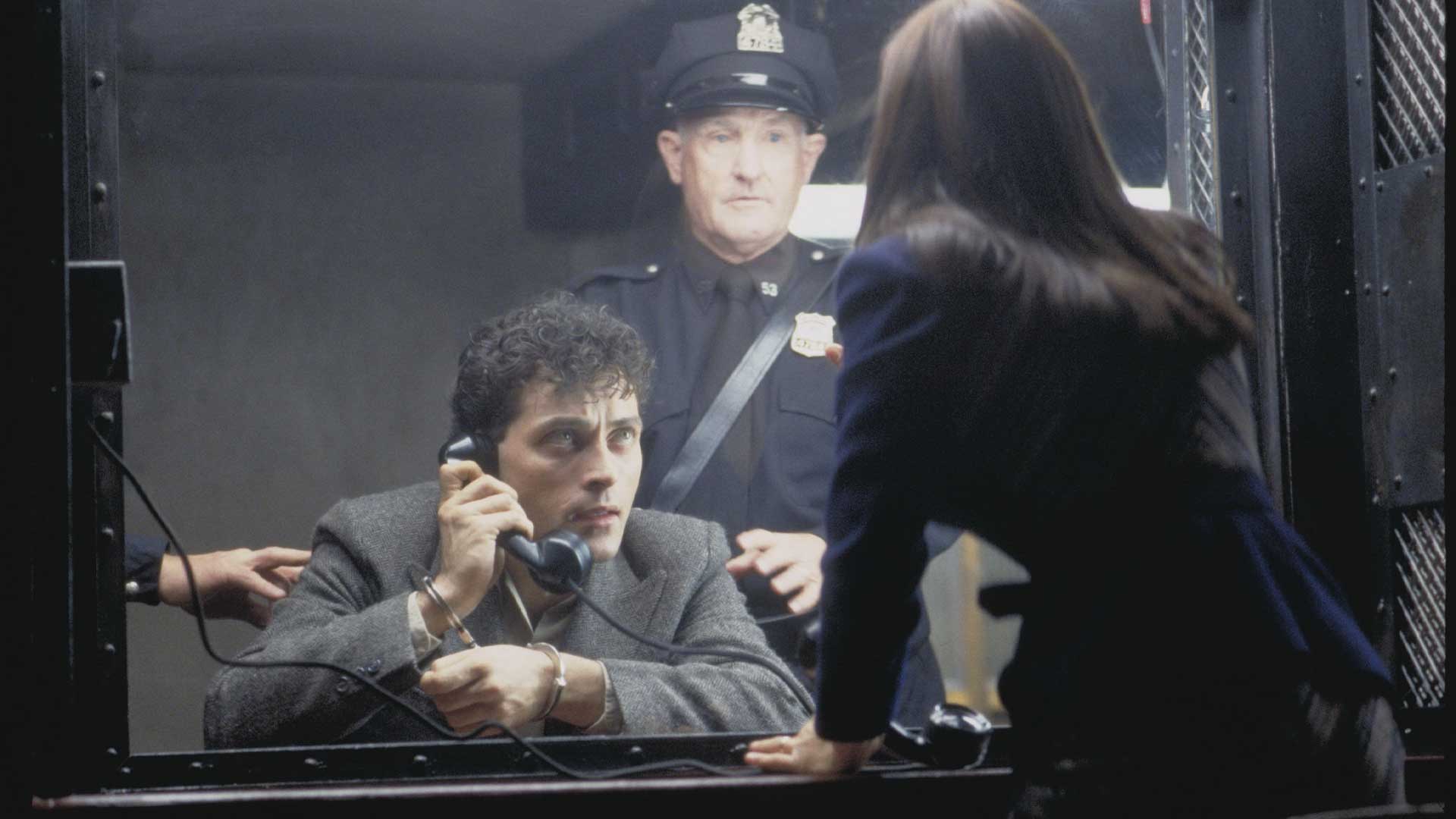
1998 was a great year for Hollywood. Experimental films like The Truman Show and epic war dramas like Saving Private Ryan immediately became timeless classics. And yet, when it came time for Ebert to select the best film of the year, he picked Dark City. And it doesn’t stop there: the critic was convinced that Dark City was one of the best sci-fi films ever conceived, awarding it a rare 4 out of 4 stars.
According to Ebert, the film was even better than Blade Runner. A bold statement, sure, but one that the legendary critic upheld the rest of his life. For Ebert, Dark City used its premise to explore the ideas of collectivism versus individuality in a way fitting the zeitgeist of the late 90s. And then, the next year, along came The Matrix.
How The Matrix Eclipsed It
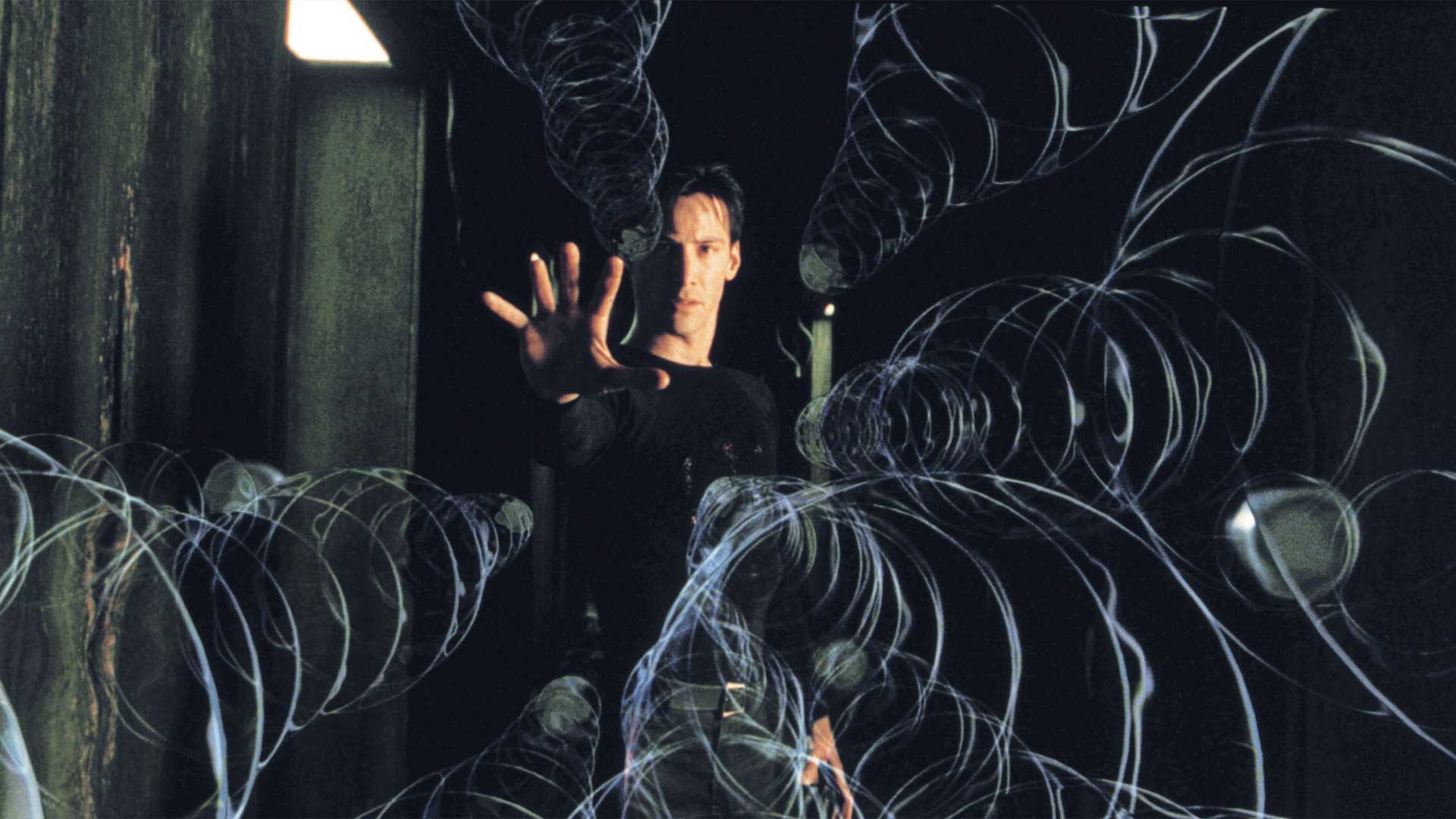
If Dark City was popular, then The Matrix was the ultimate escapist dream of the decade. A movie that completely revolutionized Hollywood’s understanding of blockbusters and what audiences really wanted, delivering a more cerebral – but still undeniably cool – action flick that made you think as much as it made you gasp in pure awe.
The technical revolution spearheaded by The Matrix essentially created an entirely new film genre. This resurgence of neo noir elements, coupled with the ruthlessly cool aesthetic of black leather and sunglasses, defined the early 2000s as a society that no longer feared Y2K as much as it embraced it.
Still, for critics like Roger Ebert, films like Dark City were cultural achievements that not even the fancy “bullet time” effects of The Matrix could match. Perhaps that’s the reason why Ebert gave The Matrix 3 out of 4 stars – still good, but never as good as Dark City.
Is Dark City Better Than The Matrix?
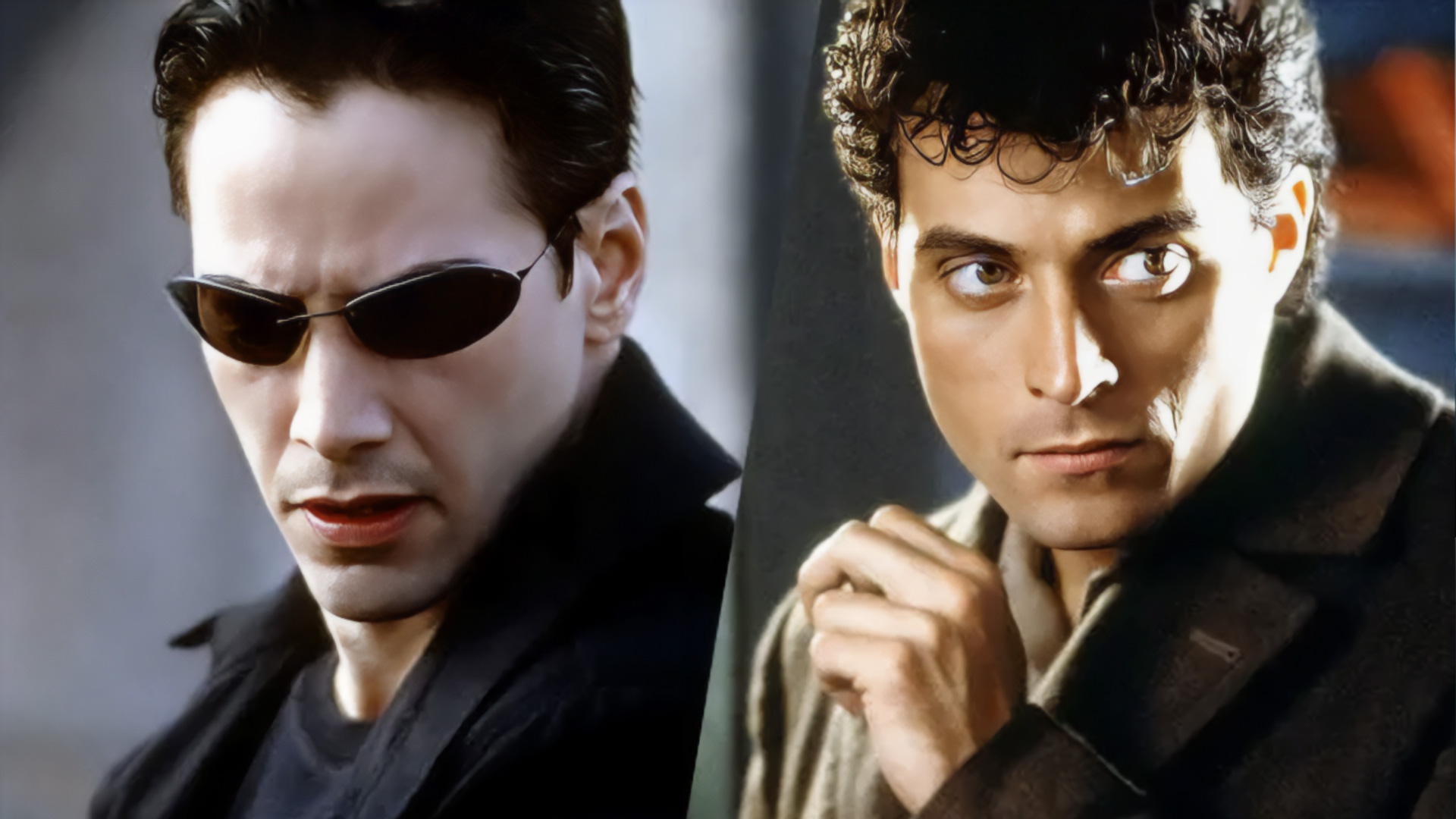
Though less celebrated, Proyas’ atmospheric thriller was a visual revelation and psychological precursor to the reality-bending premises The Matrix would popularize. With its rain-slicked streets and ominous nighttime world, Dark City created an utterly unique visual landscape that proved massively influential. Alex Proyas crafted a looming urban environment that seemed both retro and otherworldly.
While the virtual reality of The Matrix was technologically engineered, the fluctuating reality of Dark City stems from a more supernatural source. Both films follow a protagonist who begins to realize the world around them is an elaborate construct concealing a strange truth. For Neo, it’s that humans are trapped in a simulated reality created by machines. For John Murdoch in Dark City, it’s that alien beings called The Strangers periodically alter people’s memories and the physical landscape of the city itself.
Like Neo and his crew freeing minds from The Matrix, John resists having his identity rewritten by the Strangers. Both films use the classic stranger in a strange land premise to tremendous effect – allowing audiences to experience the disorientation of unstable realities alongside the protagonists. The Strangers in Dark City conduct shifting experiments to study human souls, similar to the clinical interest the machines take in humans in The Matrix. While Dark City’s setting is less digital than The Matrix’s, the premise of manipulated realities managed by malevolent overseers should ring a few bells for sci-fi fans.
Both John Murdoch and Neo represent reluctant messianic figures who discover they have a special destiny to fight against the illusory worlds trapping others. Neo is designated as “The One” who can manipulate The Matrix, destined to free humanity from their prison. Though less fated, John Murdoch gains the ability to tune into the city’s frequency and reshape its physical space. Like Neo, John also appears to have some inexplicable ability to resist the Strangers’ memory wipes. Both characters follow the classic hero’s journey arc – going from average Joes to brave rebels who can see through the veil shrouding the truth.
Dark City and The Matrix both channel Franz Kafka’s surreal, paranoid fiction with their nightmarish worlds where identity and truth are elusive. This Kafkaesque quality spoke powerfully to the nihilistic attitudes emerging in the late 90s culture. Ultimately, the close parallels between them reveal our lasting interest in themes of self-determination and questioning reality – themes that are closely tied to what we perceive as the human spirit. The Matrix may have resonated more with its cool aesthetics and lore, but it was building on the mind-bending foundation Dark City laid just a year before.
More Than Machines: Why Dark City Has Soul
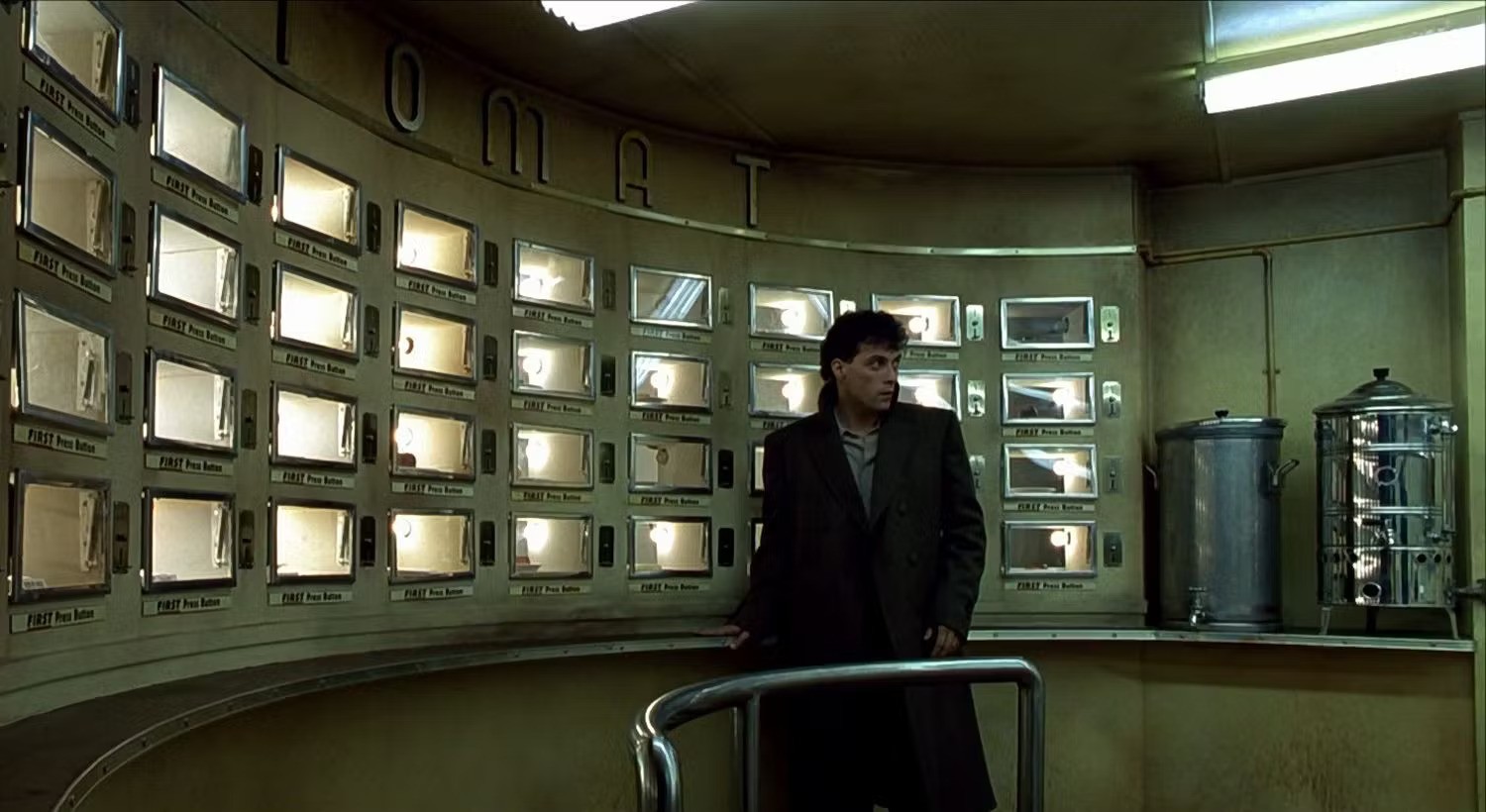
Ebert became a lifelong defender of Dark City. For him, the film had the perfect balance of dystopian themes and pure soul. From the practical effects to the artistic ingenuity of Alex Proyas and his team, Ebert considered that Dark City did what The Matrix wanted to do earlier and with more feeling.
Two decades later, both films remain captivating and influential because their premise of constructed realities, ambiguous identity, and rebellion against social control still feels startlingly relevant. Though one film features aliens and the other AI, the human dilemmas at their core leave a similar chilling impression that lingers with us long after their closing credits. It also helps that both films look undeniably cool, even twenty years later.
The Matrix will always be a cultural landmark. Everyone can agree on that, even the people who dislike the film. Still, for those looking for unique dystopian tales that challenged the canons of their time, Dark City remains a true hidden gem that’s absolutely worth a watch. Try to catch the Director’s Cut if it’s your first time watching the film – it features Proyas’ intended vision that completely envelops you in the movie’s alluring mystery much better than the theatrical cut.
Roger Ebert wasn’t contrarian. He was just watching more carefully than everyone else.
















Rodger ebert already addressed this. Also it’s well known that it’s a rip off of “Ghost in the shell “.