


The only thing Hollywood loves more than being cheap is finding new ways to make money fast and easy. Just this month, Seedance 2.0, an artificial intelligence model built by ByteDance, has found a way to create ultra-realistic, cinematic videos that include sound effects and dialogue – all for the price of a few written prompts. We’ve all seen the ultra-realistic Tom Cruise and Brad Pitt fight that’s gone viral. Had it not been labeled as AI, we might have all been fooled to believe it was actually a clip from an upcoming film. But while many believe the new tech would be a sign of trouble for big studios, many of them have already been secretly embracing AI in movies. Now, actress Bethany Anne Lind has hinted that one of Netflix’s biggest films in February 2026 could have secretly used AI in the production.
If you believe that big film studios haven’t been experimenting behind closed doors, think again. The curtain is being slowly pulled back to reveal that AI has already been quietly used for screenwriting, visual effects and even performance tweaks in the last few years. And audiences really aren’t happy about it.
Bethany Anne Lind, who is known for playing Grace Young on Netflix’s Ozark, jumped on Threads this week with a huge grenade: “I’ve been in 2 number one movies on Netflix this year and one of them I’m just not gonna talk about because of the massive amounts of AI they used to steal from and replace workers. Working class actors fight so hard for career wins, but stealing from artists is a loss for all artists.”
Of course it didn’t take long for the comments section to begin playing detective.
The top guesses are Tyler Perry’s Joe’s College Road Trip and People We Meet On Vacation. Lind didn’t confirm the title, but she nudged the crowd along in the comments. “The detective work has been done for you in the comments,” she wrote.
Later someone joked that there’s a “50% chance I could guess correctly.” To which another replied, “100% chance you could.” Lind also joined in on the chuckes and said, “the odds, I assure, are in your favor.”

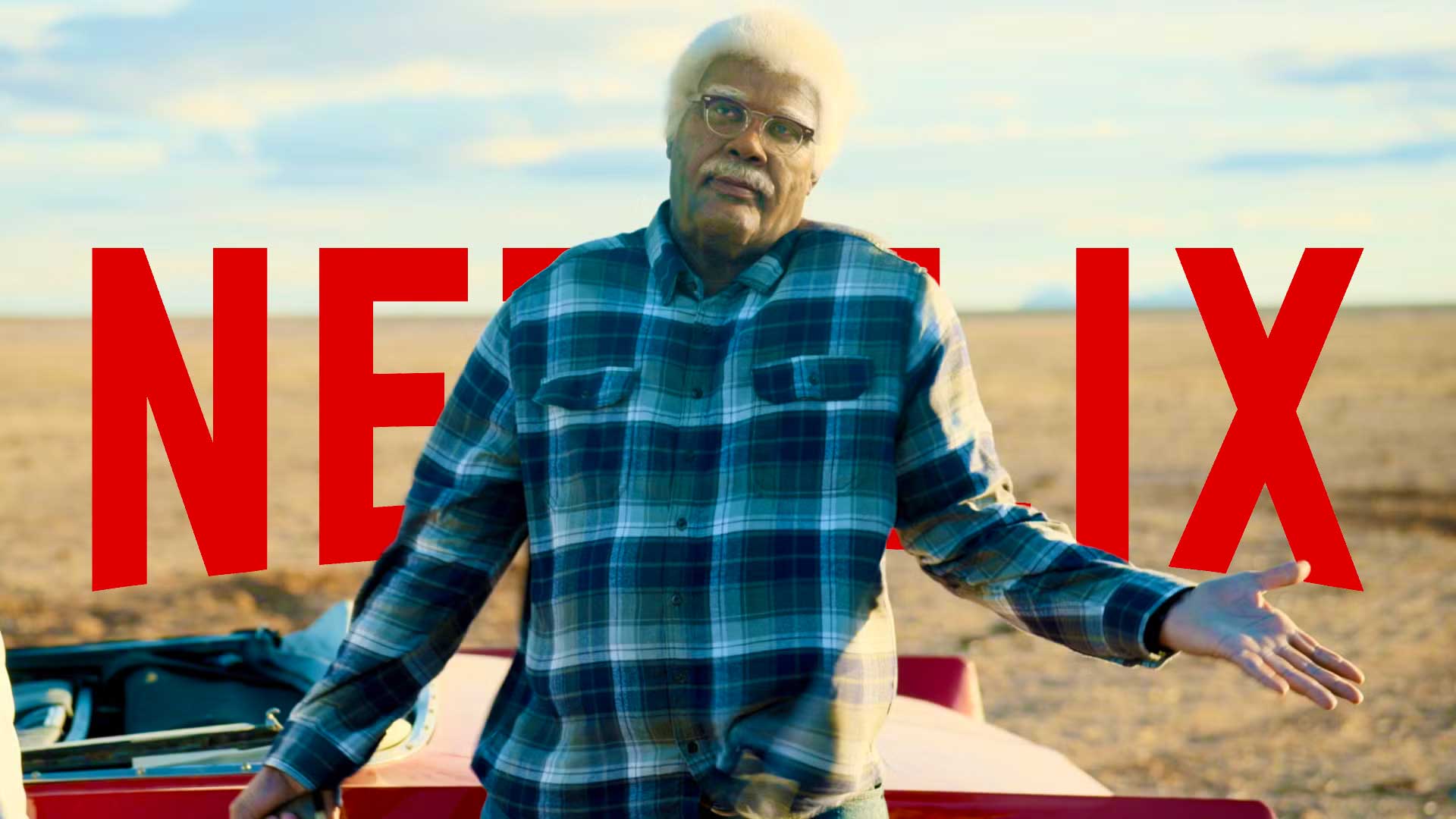
If it is Joe’s College Road Trip, then Perry, who has long been accused of churning out films at record speed at a very low budget and even lower quality, may have found another new shortcut: replacing the hair and makeup team with AI.
Lind later clarified she had no idea that the creators had plans to use AI during filming. “I was unaware of how they were using AI in the film until after my work had been filmed,” she said, later adding, “AI was used instead of special effects hair and makeup artists for a good portion of the shoot. There was a lawsuit, which thankfully went the way of the laborers.”
The public’s response to AI creations, especially in film, TV and advertising market, has been pretty blunt. “I HATE AI,” one commenter wrote in Lind’s Thread post – a sentiment echoed by many online.
The backlash isn’t limited to Netflix alone, either. AMC Theatres just recently refused to screen Igor Alferov’s AI-created short Thanksgiving Day, which won the Frame Forward AI Animated Film Festival. The 10-minute film, built using tools like Gemini 3.1 and Nano Banana Pro, was supposed to get a two-week run. AMC said no thanks. In a statement to Variety, the company said it “was not involved in the creation of the content or the initiative and has informed Screenvision that AMC locations will not participate.”
Heck, even acclaimed director Darren Aronofsky’s AI-generated series On This Day… 1776, released January 29 on Time’s YouTube channel through his Primordial Soup studio, got torched by the public as “AI slop” and “a complete betrayal of cinema.”
The question now is whether or not studios actually get the message here: that they’d rather see human performances than computer-generated copies without real emotion. And if platforms like Netflix are going to lean into AI, at least have the decency to be upfront and release the content with a warning label. Give viewers the choice about the content they consume.
For now, Joe’s College Road Trip is flying high as the number one movie on Netflix with 12 500 000 views. Isn’t that something?
RELATED: 25 Years Ago, Batman Beyond: Return of the Joker Predicted Our Worst AI Fear