


Way before James Gunn was synonymous with colorful superhero movies seen in the Guardians of the Galaxy trilogy, The Suicide Squad, and the 2025 reboot of Superman, he already explored the genre back in 2010. First debuted at the 2010 Toronto International Film Festival before it officially made its way to the cinemas in 2011, Gunn’s earlier superhero movie, Super, wasn’t the A-list mainstream type that we have grown accustomed to in his work today.
Unlike his aforementioned superhero features, which cost an average of $200 million each, Super was significantly low-budget, with just $2.5 million at his disposal. Sure, it didn’t do well during its initial release, grossing only $593,933, and it even received mixed critical responses. According to Rotten Tomatoes, Super sits at 50% for the Tomatometer, while the Popcornmeter, referring to the verified audience scores, isn’t that far off either at 56%.
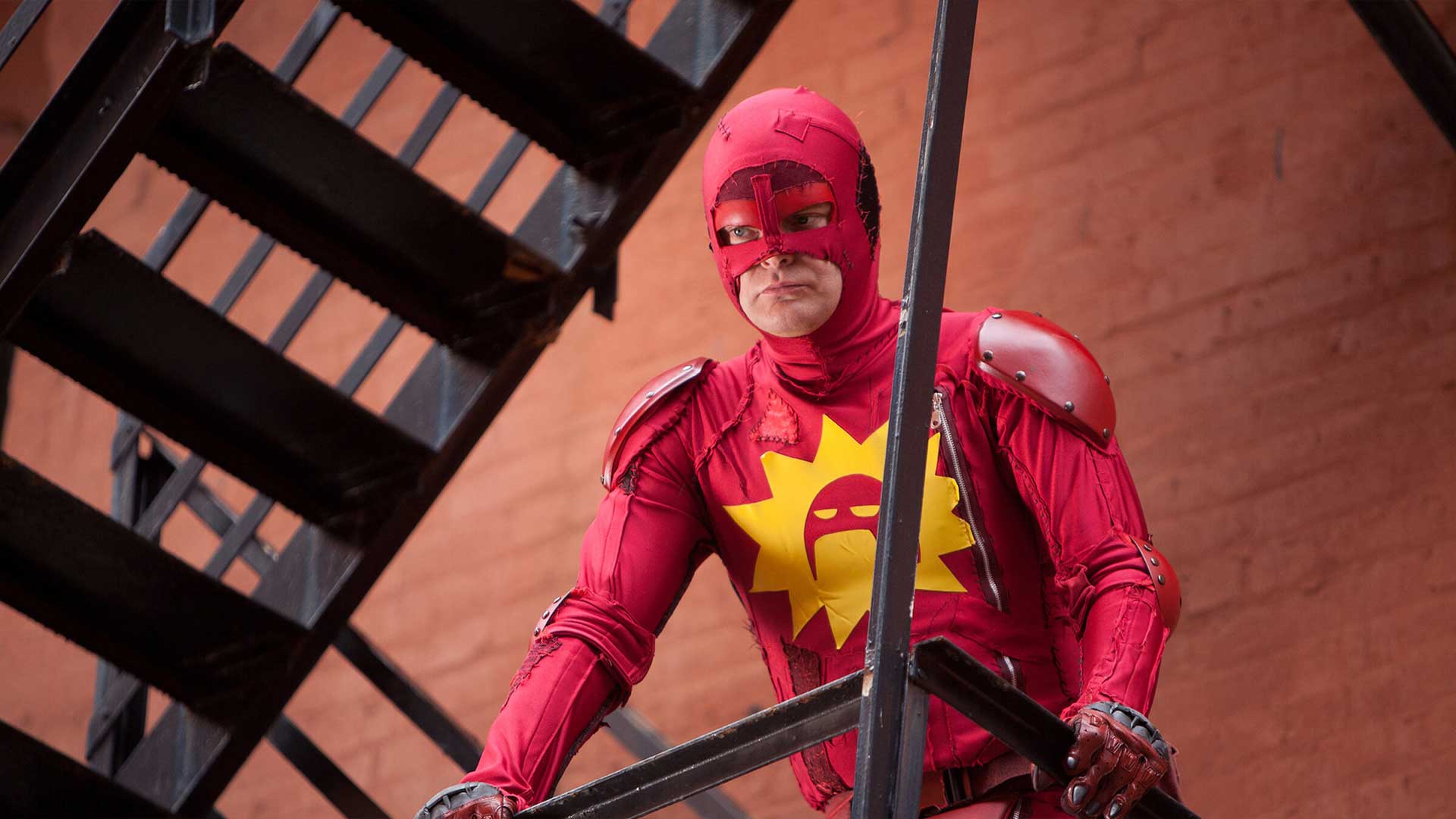
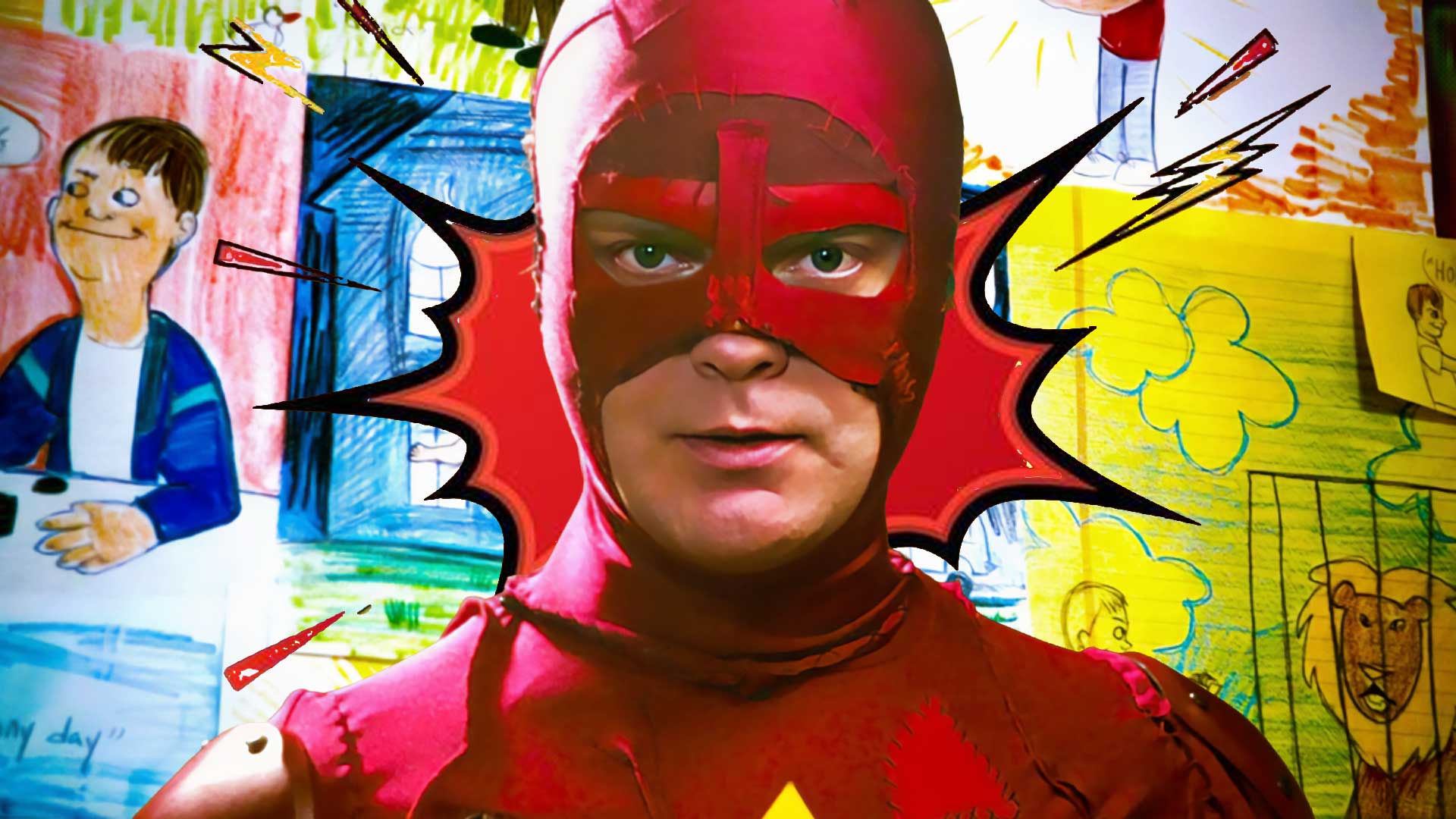
But there’s something about Super that Gunn has an added edge over his subsequent superhero movies. And that is, his cynical and subversive way of introducing a different kind of superhero: an average Joe named Frank Darbo, played by Rainn Wilson, who chooses to fight crime in a costume. Gunn, who also wrote the screenplay, still embraces the familiar storytelling beats as we learn about Frank’s origin story from the beginning. Through his voiceover narration, his life is defined by two perfect moments: his marriage to a beautiful wife, Sarah (Liv Tyler), and his civic duty of helping the police catch a runaway criminal.
Everything seems perfect for him, until one day he realizes Sarah has been missing for a few days. He suspects Jacques (Kevin Bacon) might know her whereabouts, as the latter had been initially looking for her in the first place. When you cast someone like Kevin Bacon, you know he’s up to no good, especially given the actor’s illustrious history of playing a slippery antagonist role.
Despite Frank ending up going to the police, not even a detective (Gregg Henry) can help much with his case. He’s basically on his own, and thanks to the Holy Avenger’s (Nathan Fillion) inspirational quote, a superhero character from a Christian network show that he sees on TV, it motivates him to take matters into his own hands and do what is necessary.
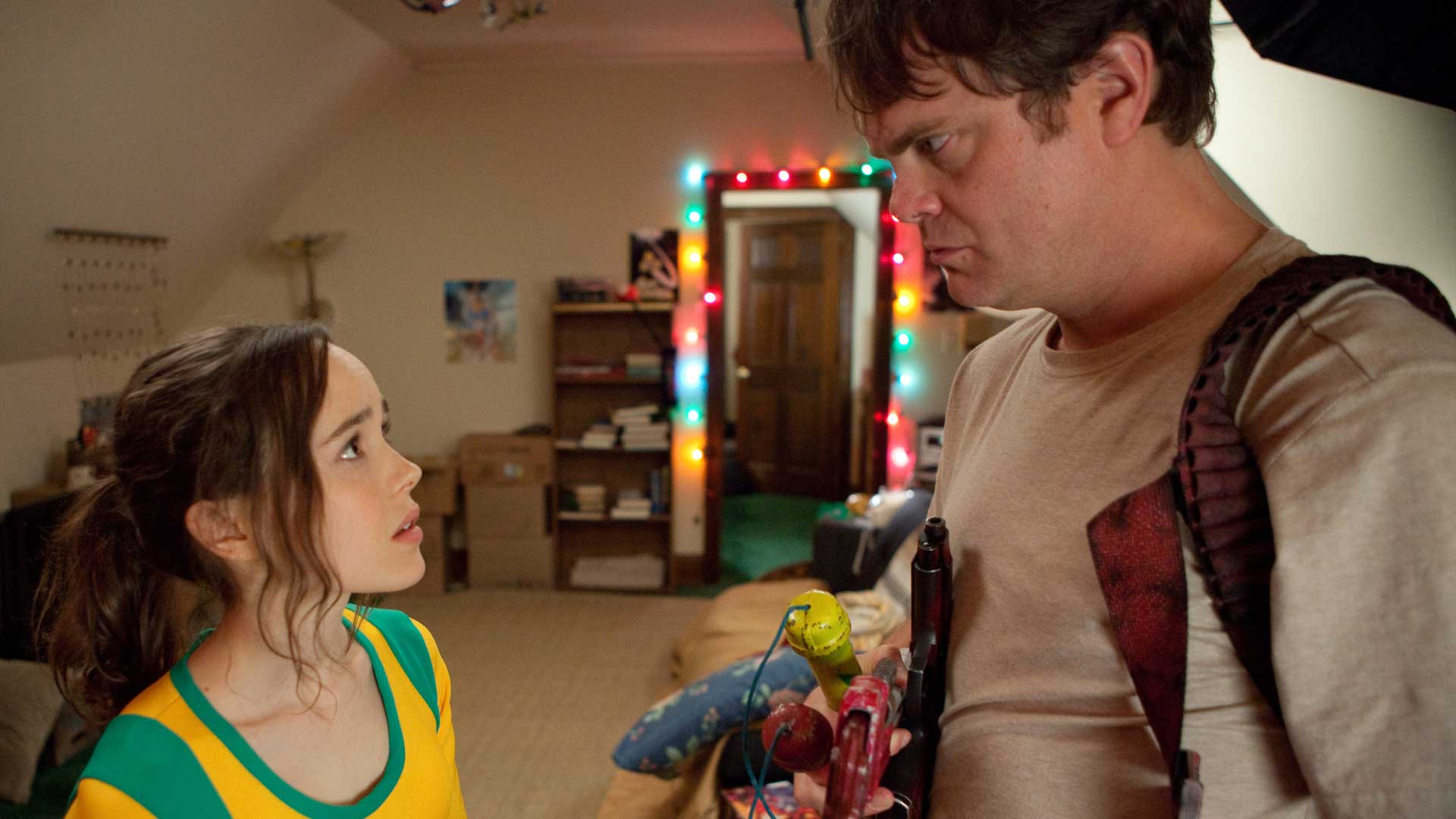
Of course, things do not go as planned, as Gunn puts Wilson’s Frank through the wringer, and you can’t help but sympathize with his predicament. Frank may look like a loser, but it’s hard to deny his sheer determination, no matter how stupid or reckless of him, trying to go against someone dangerous like Jacques, who has a gang (among them played by Michael Rooker and Sean Gunn) ready to rough him up.
Gunn’s prior experience in B-movies from his Troma days is put to good use, even diving far into the bizarre territory, including a hallucination scene revolving around otherworldly tentacles and an exposed human brain. The movie also introduces another character, a store clerk named Libby (Elliot Page, formerly Ellen Page at the time of the movie’s release), who knows a lot about comic books. At one point, her remark about how “no one’s ever stood up and become a real superhero” further inspires Frank to embrace his destiny to fight evil.
He soon names himself The Crimson Bolt by making his own costume reminiscent of a dime-store Flash minus the superpower. The only power he has is a pipe wrench and a lot of guts. He isn’t like well-known superheroes without superpowers, namely Batman and Green Arrow, since he’s pretty much a wannabe guy in a costume fighting mostly petty crimes in a vigilante style. He doesn’t go on to kill people. Definitely not like Charles Bronson’s Paul Kersey’s way of vigilante justice seen in the Death Wish movies, where bad guys are shot to kill. Instead, he only hurt these people by teaching them a painful lesson for stealing and even cutting in line.
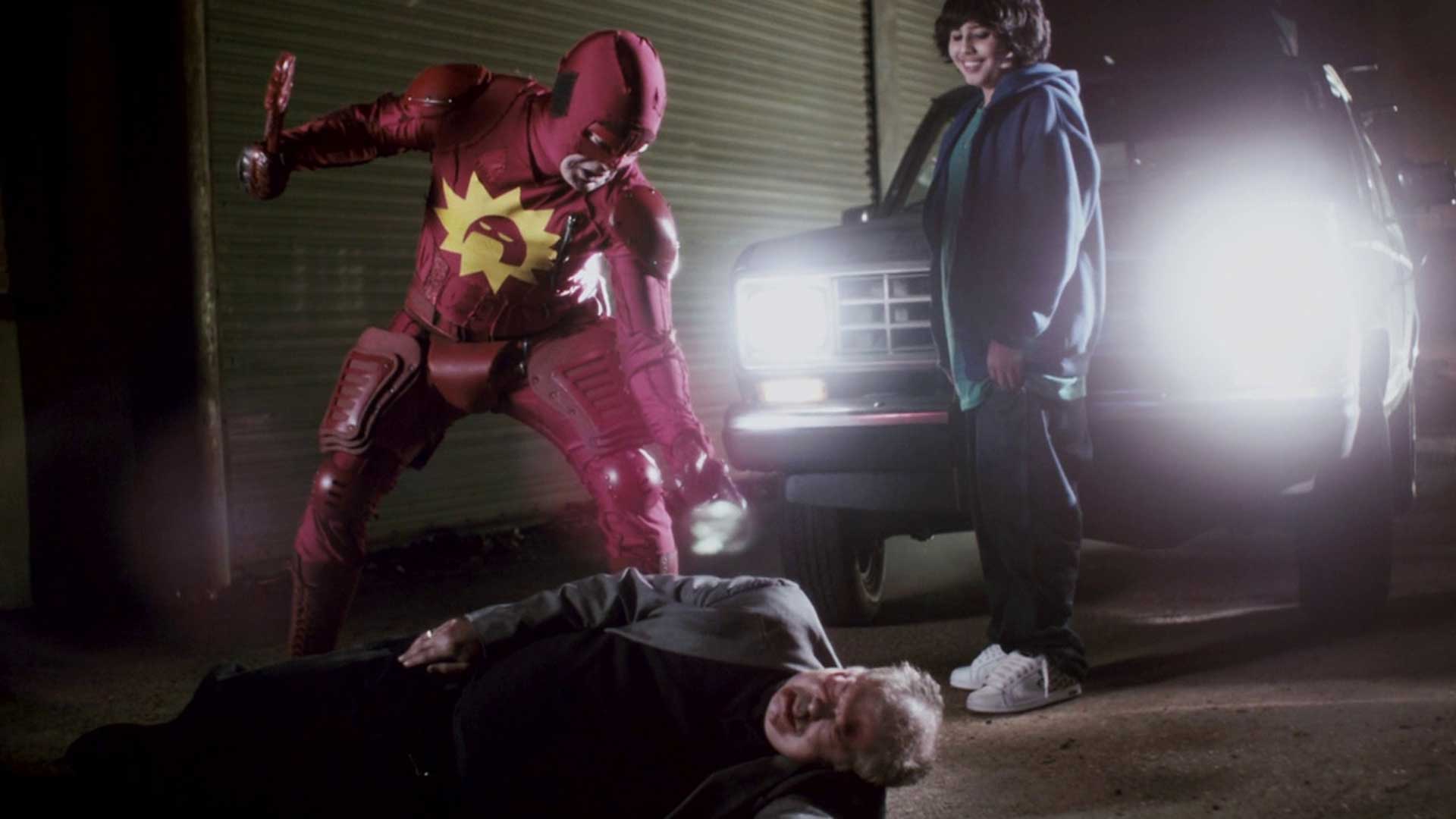
Gunn soon raises the stakes when Libby insists on joining Frank as a female Robin-like sidekick, even naming herself Boltie. The buddy-movie dynamic highlights Wilson and Page’s comedic energy while the two play off each other well, thanks to their contrasting personalities – one’s a comparatively sensible guy who still knows his limits, but the other is rather unhinged and obsessed with violence to the point she doesn’t mind killing a person.
Speaking of violence, Gunn doesn’t shy away from its graphic depiction that alternates between gleefully fun and mean-spirited, sometimes in a matter-of-fact pragmatism. His story is equally twisted when you least expect it, notably a controversial moment between Libby and Frank, which remains uncomfortable to watch.
Frankly (no pun intended), the otherwise shocking scene greatly reflects how morally unstable superheroes can be in the real world, further underlining these two characters sharing the common flaw: loneliness. Frank has been suffering from depression after his wife disappeared, leaving a huge, empty void until a divine intervention of sorts leads him to become a superhero. This, in turn, gives him a sense of meaningful purpose, even when his vigilante-style action is both morally and lawfully wrong. Similarly, Libby is desperately looking for a connection, and she finally found one in Frank, except that the way she idolizes him crosses the boundaries of what’s right and wrong.
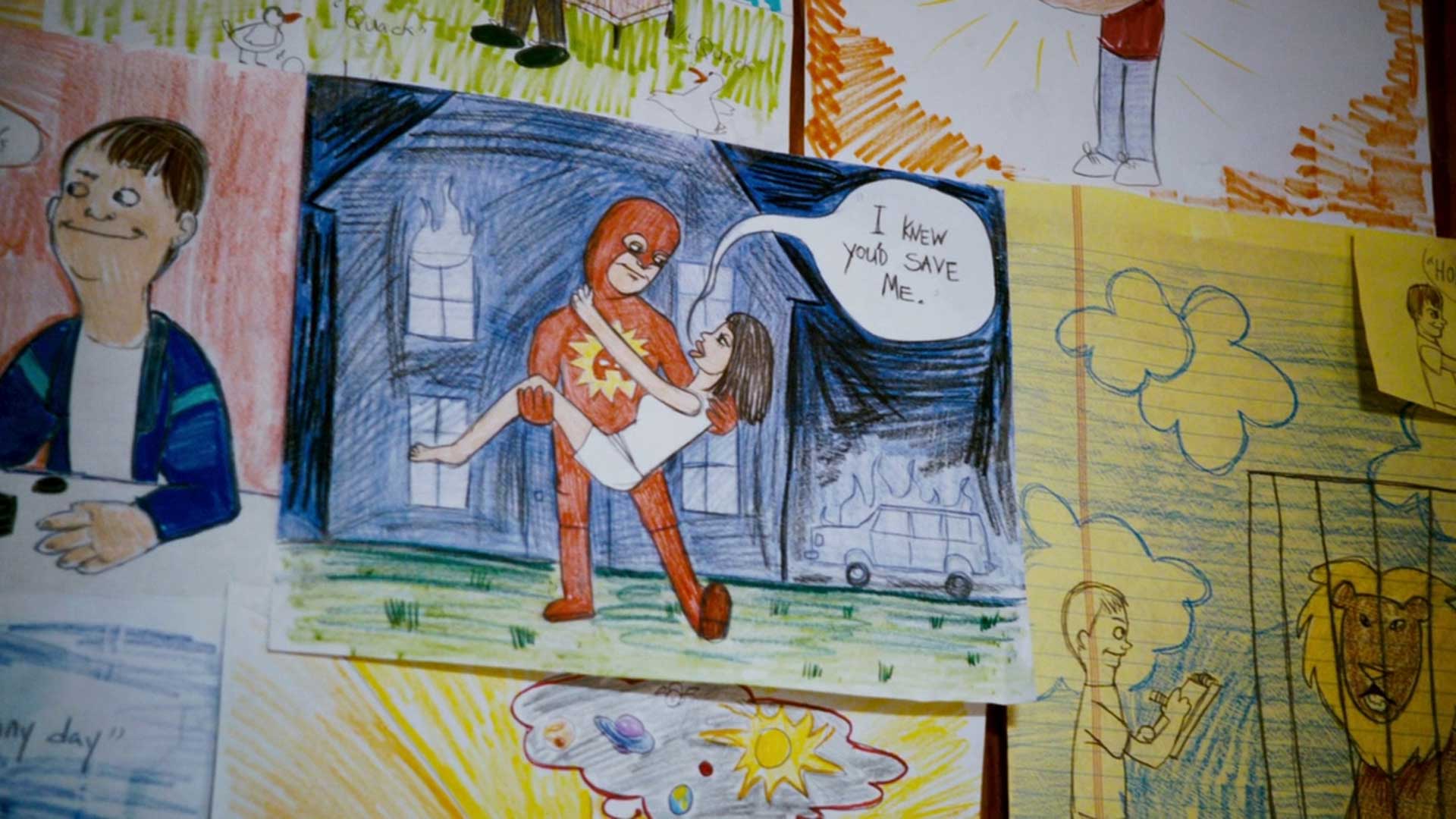
Fifteen years may have passed since Super made its debut, but in the following years, when Gunn went mainstream and never looked back ever since, his sophomore directorial effort after 2006’s Slither is still his best movie to date – a superhero movie that is darkly funny, violent, and surprisingly poignant with great acting all around.