
Tom Holland’s 1985 original of Fright Night redefined the age-old vampire genre by transplanting its classic bloodsucker lore into a suburban American neighborhood, with dread-inducing scares and macabre humor. It generated a profit, bringing in nearly $25 million for a movie with a budget of less than $10 million, and even found bigger success on home video formats. Then came the ill-fated Fright Night Part 2 in 1988, which failed to replicate the first movie’s success.
Over two decades later, the Fright Night remake arrived under the direction of Craig Gillespie, whose previous credits were feature-length (2007’s Mr. Woodcock and Lars and the Real Girl) and television (United States of Tara) comedies, making him look like an odd man for the job. Like the original, the 2011 remake shares the same fundamental premise – a teenager, played by Anton Yelchin, finds out his next-door neighbor (Colin Farrell) is a vampire in disguise.
Why Fright Night Bombed at the Box Office in 2011
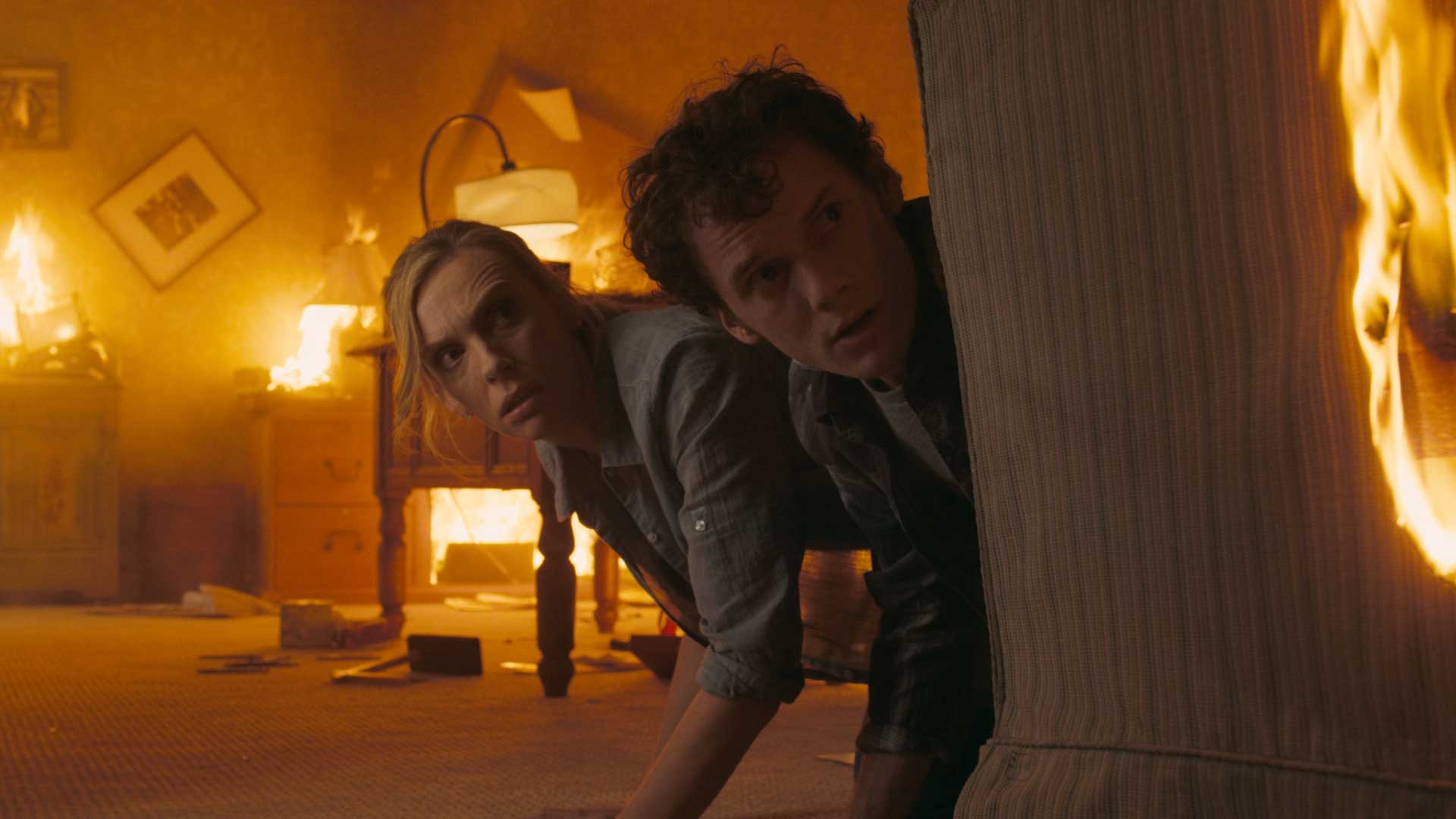
Released in late summer on August 19, the $30 million production yielded a worldwide total of $41 million, resulting in a box-office disappointment, despite the movie itself garnering mostly positive responses. The movie’s underperformance stemmed from various factors, beginning with the studio’s aggressive marketing push on the 3D experience to capitalize on the post-Avatar trend at the time.
Those who have seen the Fright Night remake in 3D generally find the movie looks visually incomprehensible, especially since the horror scenes take place in the dark or in dimly lit locations. And besides, audiences have grown tired of paying premium 3D ticket prices for movies that were more of a post-converted, dim-looking gimmick seen in The Last Airbender (2010), The Green Hornet (2011), and more.
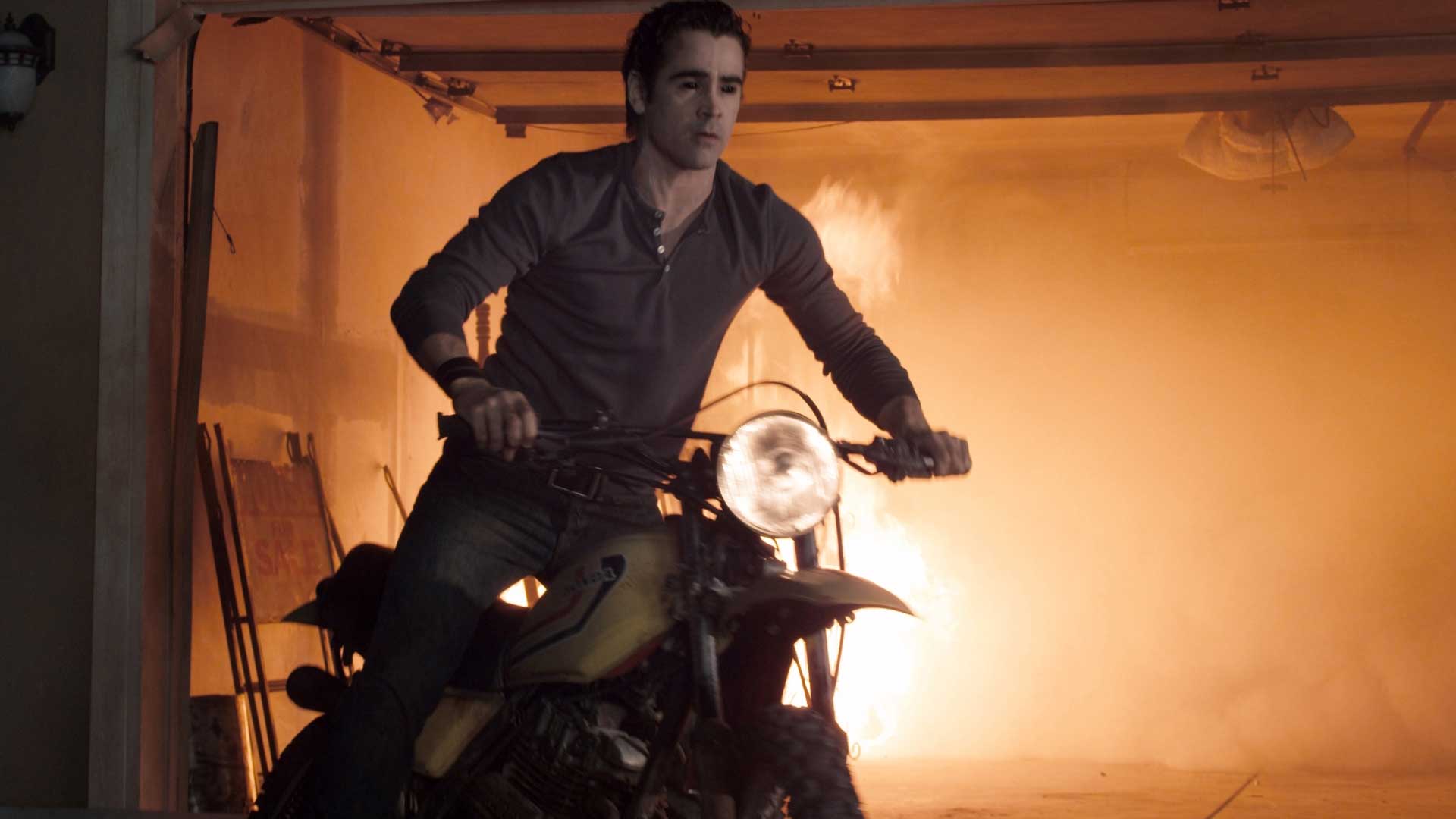
The overreliance on CGI – including vampires bursting into fiery ashes and blood-soaked mayhem — looks glaringly like they are straight out of a horror video-game cutscene. The movie was also a victim of wrong timing, as it opened against high-profile competitors including Spy Kids 4: All the Time in the World and the Conan the Barbarian remake, both of which pushed Fright Night to a lowly No. 6 debut at just $7.7 million.
It didn’t help either when Fright Night was yet another horror in the eyes of fans and general audiences, who became fatigued with the same old 1980s nostalgia bait that plagued the creative failures of 2010’s A Nightmare on Elm Street reboot and 2011’s The Thing prequel.
RELATED: Sink Your Teeth In: 20 Fang-Tastic Vampire Movies That’ll Leave You Thirsty for More
Critics Called It Unnecessary. Were They Wrong?
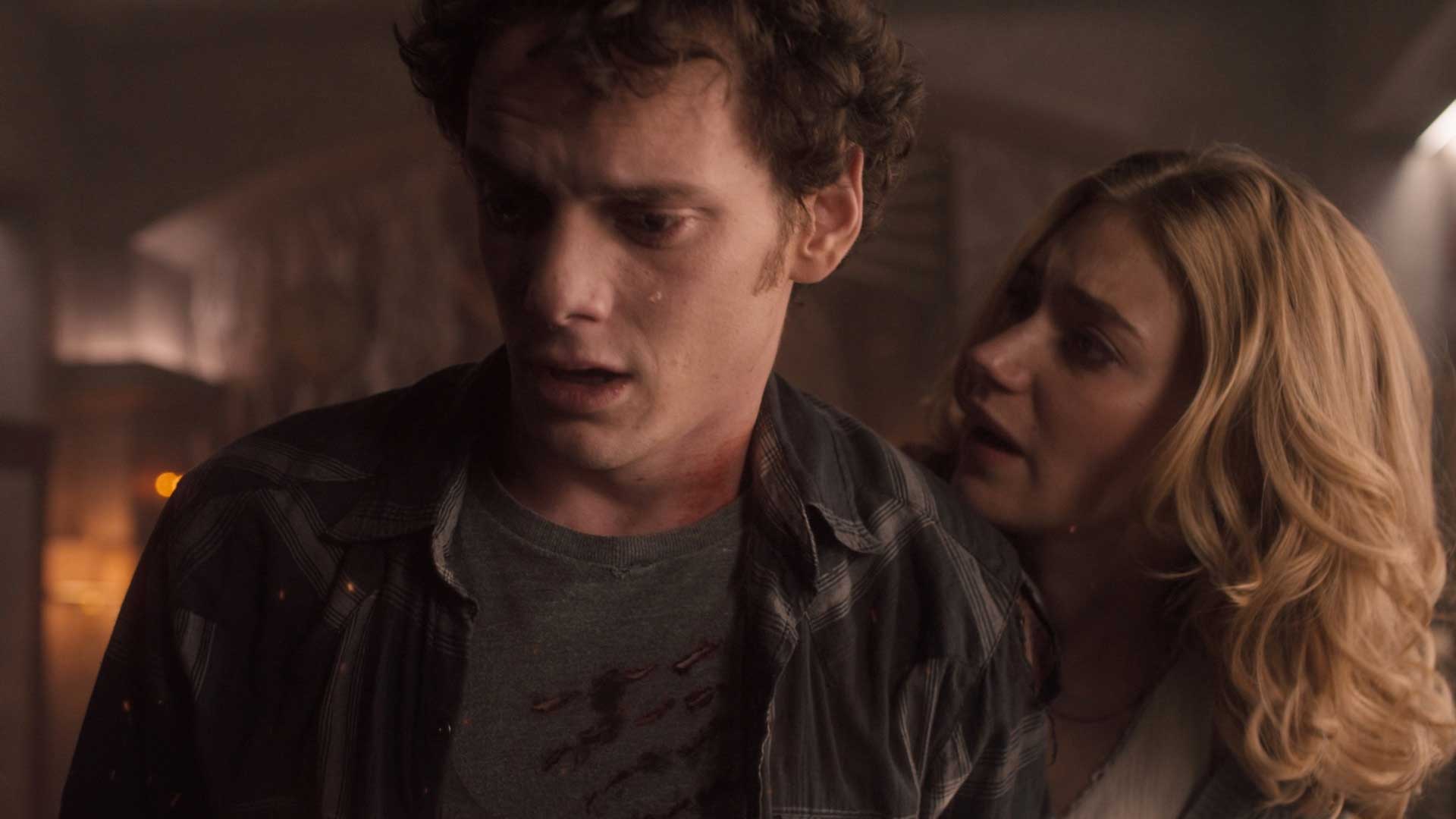
In 2011, everyone was asking the same question: Why are they remaking Fright Night? The 1985 original was very popular with horror fans and had become a cult classic. So why did the studio bother? Even Rotten Tomatoes’ own critics’ consensus was filled with plenty of skepticism. Still, nearly every review praised the film’s performances and tone. It has 72% on Rotten Tomatoes.
In 2023, Brian Eggert of Deep Focus wrote, “A successful horror comedy knows when to scare you and when to ease your fears with humor, and Gillespie effectively blends shocks and laughs.”
TheIndependentCritic.com praised the performances: “Anton Yelchin manages to hold his own against the devilishly delightful Farrell.”
“This Fright Night manages to stay true to the original’s tone, while enhancing the material, resulting in a fun little horror flick with a nice, creepy vibe,” Micheal Compton of the Bowling Green Daily News wrote.
Today, 15 years later, it’s become the definitive version. The “unnecessary” label has lifted, and it’s become the version many horror fans return to for a rewatch. Colin Farrell’s performance alone has outlived anything in the previous film.
15 years later, this is the new classic.
Colin Farrell’s Jerry Dandridge Is the Best Vampire Performance You Forgot About
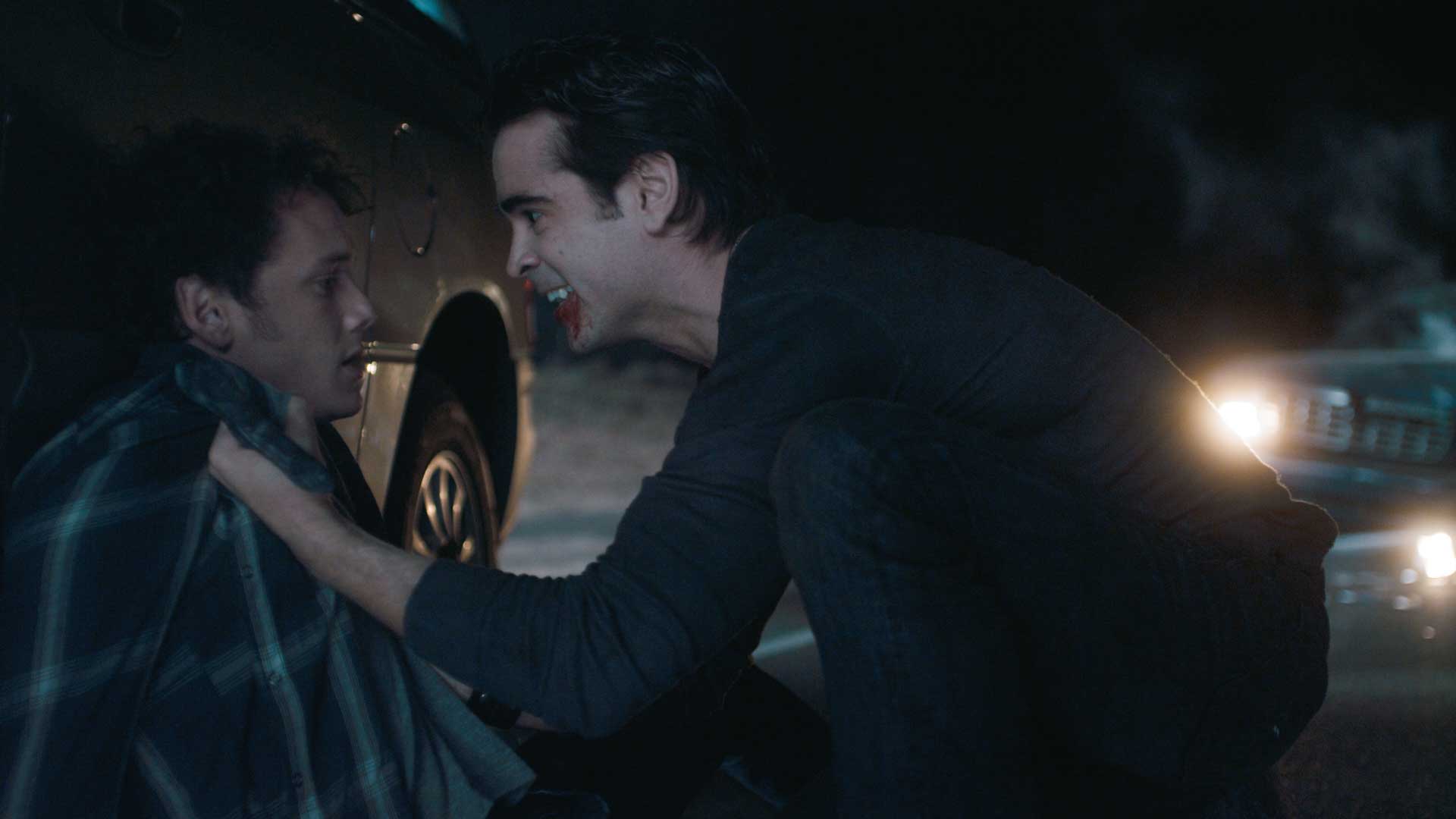
Fright Night remake isn’t perfect, but it sure as hell delivers a better-than-expected remake that doesn’t end up looking like a desperate cash grab. Whereas Tom Holland’s 1985 original thrived on the campy, self-aware horror-comedy vibe, Gillespie is smart enough not to attempt a similar tone by opting instead for a more atmospheric horror-thriller. The latter equally boasts Colin Farrell’s scene-stealing antagonist turn as Jerry, who made his vampire character uniquely his own rather than replicating Chris Sarandon’s theatrical approach to his role in the 1985 version.
Farrell’s Jerry is more brooding in his appearance, while exuding rugged charm beneath his smooth-talking demeanor; even Charley’s (Anton Yelchin) mom, Jane (Toni Collette), enjoys flirting with him. His Jerry shows little to no mercy, practically viewing humans as his go-to fuel for fresh blood whenever he wants. At one point, when Charley insists his mom not let Jerry into their house under any circumstances, he doesn’t take no for an answer. His action? Grabs a shovel and digs a massive hole in the yard before igniting the exposed gas line with a lighter, sending the house exploding into flames.
David Tennant, Imogen Poots, and That Unforgettable One-Take Car Chase
Despite Farrell stealing the show, Gillespie does a good job of bringing out the best in the rest of the cast, notably Anton Yelchin’s grounded portrayal of Charley and Imogen Poots’s feisty yet fiercely independent Amy, who’s far from the damsel-in-distress archetype. Then, there’s David Tennant rocking a glam-rock-style, leather-pants-wearing illusionist, Peter Vincent, while playing his role with cynical arrogance and an edgy persona.
The movie also made its mark by highlighting the standout car chase sequence shot in a long, unbroken take, in which the camera smoothly circles the interior of Jane’s minivan as she, Charley, and his girlfriend Amy (Imogen Poots) experience panic and confusion, before Jerry catches up to them from behind. The scene itself was meticulously put together using a custom-made, remote-controlled 3D camera rig with a motorized tracking arm capable of gliding, panning, and even tilting effortlessly at 360 degrees around the (hollowed-out) vehicle interior.
And amazingly, the car chase wasn’t shot on location on the nighttime highway, but rather in a studio soundstage with a huge green screen and a motion base simulator used to simulate physical vehicular impact. As for the continuous long take, it was digitally stitched together using a combination of interconnected smaller shots and invisible cuts, all seamlessly integrated to make it seem like they were a oner altogether.
RELATED: Daybreakers: The Underrated Vampire Movie That Gave the Late Sam Neill One Of His Best Villain Roles
Where to Watch Fright Night (2011)
Fright Night is currently streaming on Netflix and Disney+, and is available free with ads on Tubi.